Blind Senior Dog Gets His Very First Toy At 13: The Heartwarming Rescue Story That Is Inspiring Animal Lovers Everywhere

Imagine living 13 years without ever knowing what it feels like to play. No squeaky toys. No tennis balls. No stuffed animals to cuddle. For one blind senior rescue dog, that unimaginable reality lasted more than a decade—until a compassionate rescue team changed everything. His first toy wasn’t just another dog accessory; it became a symbol of hope, healing, and a brand-new beginning.
In a world where puppies often receive the spotlight, senior rescue dogs are frequently overlooked. Yet stories like this remind us that love has no age limit—and that even an elderly dog can discover happiness for the very first time.
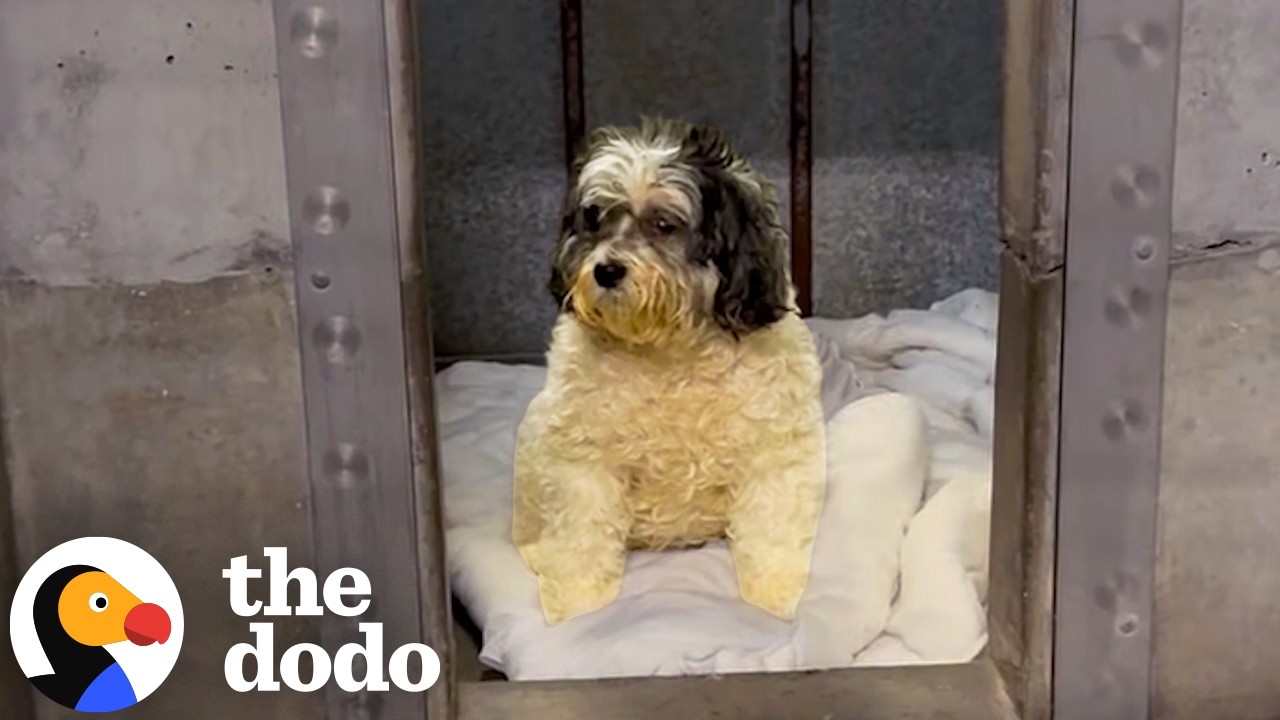
A Lifetime Without the Simple Joys of Being a Dog
Animal rescuers often encounter heartbreaking cases, but senior dogs who have spent years neglected are among the most emotional. Many have lived outdoors, confined to small spaces, used for breeding, or simply ignored after growing old.
This particular blind dog had survived for 13 years without experiencing something most pet owners take for granted: playing with a toy. Because of years of neglect and sensory impairment, he had never learned that toys could bring comfort, fun, or companionship.
When rescuers first met him, he appeared cautious and uncertain. His blindness made every unfamiliar sound intimidating, while his age made him less likely to attract adopters compared to younger dogs. Stories like his have become increasingly common in shelters across North America, where senior dogs and those with disabilities often wait the longest for homes.
The Moment Everything Changed
After entering rescue care, volunteers focused on helping the elderly dog feel safe instead of forcing interaction.
One day, a caregiver gently placed a soft plush toy beside him.
At first, he hesitated.
He carefully sniffed the unfamiliar object, unsure whether it posed a threat. After several moments, curiosity replaced fear. Slowly, he nudged the toy with his nose.
Then came the magical moment.
He carefully picked it up in his mouth.
His tail began to wag.
For the first time in 13 years, he discovered what it meant to simply be a dog.
The rescue staff described the experience as unforgettable. Many admitted they became emotional watching such a small milestone that represented an entire lifetime of missed experiences.
Why Senior Rescue Dogs Often Don’t Know How to Play
Behavior experts explain that dogs naturally possess playful instincts, but those instincts can disappear when animals spend years in neglectful environments.
Many rescued senior dogs have:
- Never owned toys.
- Been confined for most of their lives.
- Had little positive interaction with humans.
- Experienced chronic stress that suppressed playful behavior.
- Lost confidence because of blindness, deafness, or other disabilities.
Rescue organizations regularly document similar transformations. Some elderly dogs initially ignore every toy offered to them, only discovering weeks later that they are finally safe enough to enjoy life.

Blind Dogs Can Live Remarkably Happy Lives
Blindness is often misunderstood.
Many people assume a blind dog has poor quality of life, but veterinarians and rescue groups consistently report the opposite.
Dogs rely heavily on smell, hearing, and memory rather than vision. Once they become familiar with their surroundings, many blind dogs confidently navigate homes, recognize family members, locate food, and even play with toys.
Rescuers frequently say that humans notice the blindness far more than the dogs themselves.
With consistent routines, verbal cues, and patient guidance, blind dogs adapt surprisingly well and continue enjoying life for many years. Recent rescue stories featuring visually impaired shelter dogs have helped educate the public about their remarkable resilience.
Senior Dogs Deserve Second Chances Too
Across the United States and many other countries, shelters continue encouraging families to consider adopting senior pets.
Older dogs offer several advantages:
- Calm personalities.
- Established temperaments.
- Lower exercise requirements.
- Deep appreciation for human companionship.
- Easier adjustment to home routines.
Despite these qualities, senior dogs remain among the least adopted shelter animals because many potential adopters worry about medical expenses or shorter lifespans.
Animal welfare organizations continue working to change these perceptions by sharing uplifting stories of elderly dogs thriving after adoption. Recent examples include senior rescue dogs finally receiving loving homes, special outings, and families willing to embrace their golden years.
The Power of Patience
One lesson repeatedly emphasized by rescue volunteers is patience.
A neglected senior dog may not immediately trust people.
Some hide.
Some tremble.
Some refuse food.
Others simply sleep because exhaustion has replaced curiosity.
But with gentle care, many gradually begin showing behaviors they never had the chance to express earlier in life.
For this blind 13-year-old dog, discovering his first toy symbolized much more than play.
It showed that trauma does not always define the future.
Even after years of neglect, animals remain capable of learning, trusting, and experiencing joy.
Social Media Is Helping More Rescue Animals Find Homes
Stories like this have gained significant attention online because they highlight emotional transformations rather than tragedy alone.
Videos showing senior dogs discovering toys, learning to sleep on soft beds, or wagging their tails after rescue often inspire thousands of viewers to consider adoption.
Animal shelters increasingly use these positive stories to demonstrate that older animals still have enormous capacity for happiness.
The approach appears to be working. Viral rescue videos have contributed to increased awareness of senior pet adoption and generated donations for organizations caring for elderly and special-needs animals.
A Small Toy That Meant Everything
To most people, a plush toy costs only a few dollars.
For one blind 13-year-old rescue dog, it represented something priceless.
It meant safety.
It meant kindness.
It meant discovering happiness after more than a decade of hardship.
His gentle tail wag reminded everyone watching that animals don’t dwell on lost years—they simply embrace love when it finally arrives.
That single toy became the beginning of a completely new chapter.
Why Stories Like This Matter
Animal rescue is often associated with dramatic emergencies, but sometimes the most powerful victories happen quietly.
A frightened dog begins trusting again.
An abandoned senior finds a family.
A blind animal learns to play.
These moments may seem small, but together they remind us why rescue work matters. Every adoption, every foster home, every volunteer hour, and every act of compassion can transform a life that many had already given up on.
For this remarkable blind senior dog, receiving his very first toy at the age of 13 wasn’t just a touching moment—it was proof that it’s never too late for a second chance.
Source: Dodo