Capt. Sully, Who Saved 155 in ‘Miracle’ Plane Landing on the Water, Reveals Alzheimer’s Diagnosis
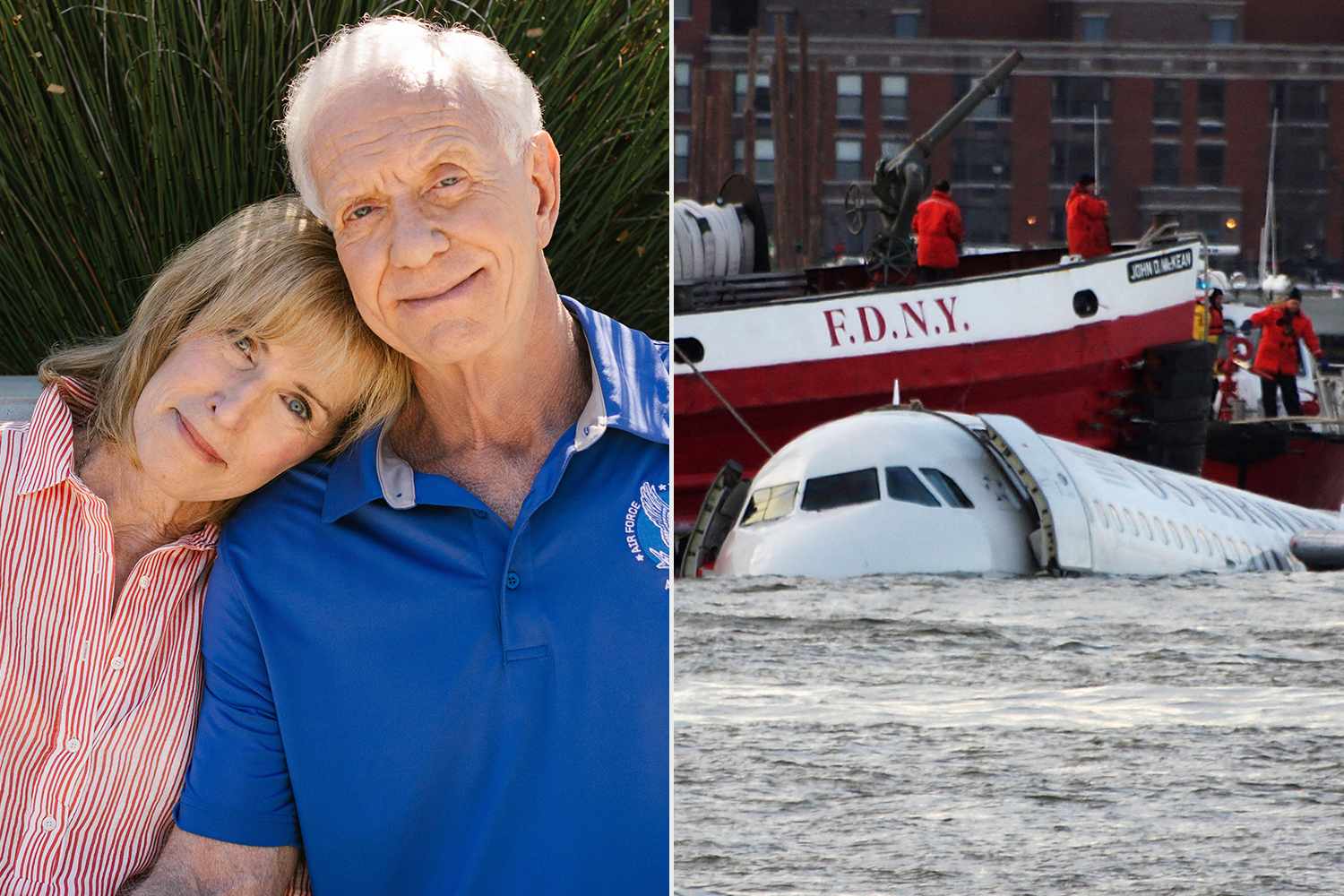
One of the world’s most famous pilots opens up to PEOPLE — along with his wife and friends — about life with the neurodegenerative disorder that affects millions: “We will be courageous together”
A little over a year ago, Capt. Chesley “Sully” Sullenberger III began noticing that something seemed a bit off with his uncanny ability to recall details.
Blessed with a photographic memory, the 75-year-old Sullenberger — one of the nation’s most famous aviators since Charles Lindbergh — began periodically forgetting things. Now Sullenberger is going public for the first time with the heartbreaking reason why.
“I recently found out I have been diagnosed with Alzheimer’s Disease,” he reveals to PEOPLE in an exclusive, candid account of how he is coming to terms with the diagnosis that he received in August 2025.
“It is early stage. For now, this means a name may not come easily to me, I forget a story I have recently told, or I don’t sleep as well,” he continues in a statement, “but I am in the beginning of this long journey.”
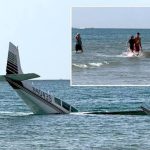
Sullenberger — who became a national celebrity when he managed to land US Airways Flight 1549 in the Hudson River on Jan. 15, 2009, after after a bird strike destroyed the plane’s engines, saving all 155 passengers and crew — is one of approximately 7.2 million Americans 65 and older living with Alzheimer’s, according to the National Library of Medicine.
His diagnosis forced him to understand just widespread the disorder is.
“My doctor, Dr. Gil Rabinovici with UCSF Medical Center, has opened my eyes to the prevalence of Alzheimer’s,” says Sullenberger of the irreversible brain disorder that degrades thinking and memory skills. “This disease, he has told me, spares no age group and impacts millions of people around the world. It is the unwanted visitor at the door.”
Nonetheless, according to Sullenberger’s wife, Lorrie, the disease has so far done little to impact her husband’s renowned powers of unflappability and focus. And though they don’t know what the future holds, the couple — and their two daughters and granddaughter — are living each day with “hope” and “joy,” she says.
She tells PEOPLE: “Just as he was the same steady person before and after Flight 1549, he is the same steady person now, before and after this diagnosis.”
“That strength and steadiness is guiding us as a family. We’re supporting him on this journey that we now walk with so many other families. Though the future is uncertain, we continue to live our lives, have hope, and find joy in the everyday,” Lorrie says.
The news came as a blow to Sullenberger’s Flight 1549 first officer Jeff Skiles, who learned about his friend’s diagnosis months ago, from Lorrie.

“Sully is larger than life, even to me,” says Capt. Skiles, who insists that “you wouldn’t even know” anything was wrong with the pilot by speaking with him. “He’s somebody that I’ve always looked up to and I think a lot of other people do, too. Hopefully, it’s going to progress slowly and he’s going to be able to create the kind of life going forward that he would be proud of.”
Like millions of other families impacted by Alzheimer’s, Sullenberger says the couple and their two grown daughters “debated [the] next steps” to take after receiving his diagnosis.
In a move that probably doesn’t come as a shock to those who know him, he decided to use his high profile to let others dealing with the neurodegenerative disorder know that they aren’t alone.
“I have spent my life in service, in the U.S. Air Force, as a commercial airline pilot, an accident investigator, and as the U.S. Ambassador to ICAO (International Civil Aviation Organization),” says the man known to the world as “Captain Sully,” famously portrayed by Tom Hanks in a 2016 film.
“I have advocated for the safety of the traveling public for decades. And, of course, after the landing of Flight 1549 in the Hudson River, I used the greater voice afforded to me by ‘The Miracle on the Hudson’ to further aviation safety by speaking out on the many issues facing the industry,” Sullenberger says now. “I was proud to work with many colleagues, fighting for increased pilot training, more pilot rest, in favor of the two-pilot rule, on increased technology issues, and more.’
Sullenberger envisions this chapter, despite its struggles, as a continuation of the work he’s always done.
“This new phase of my life has challenged what it means to be of service,” he says. “And the answer is to speak up. It is my hope that by sharing this, other families living in the shadows with this disease will feel they too can step forward. And about hope. So many people told us after Flight 1549, that the outcome gave them hope. Lorrie, my incredible partner of 37 years, says we can all use a little of that hope right now.”

The former U.S. Air Force fighter pilot is also determined to not to let the disease dampen his anticipation for what lies ahead. In September, he’ll be inducted in the National Aviation Hall of Fame.
“Though it may impact my memory of the past, this diagnosis will not prevent me from looking forward to and appreciating our future,” he says. “I will navigate this chapter with my wonderful family by my side.”
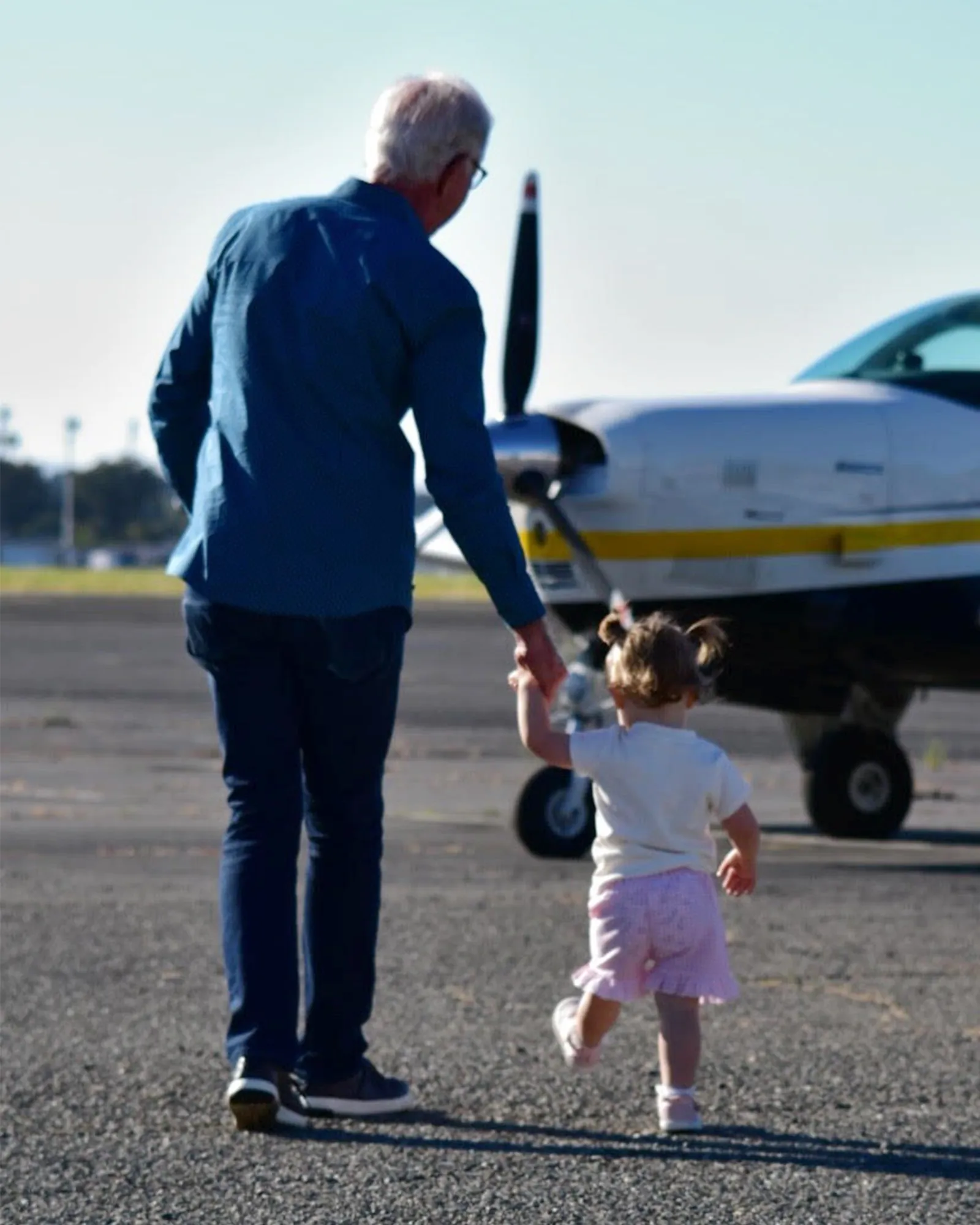
Indeed, he says, he has much to savor at home: “Lorrie and I often said we won the baby lottery with our two daughters. And we have learned what people say is actually true: that grandchildren are a game changer. Our granddaughter gives a whole new meaning to life.”
When Clay Presley — a Flight 1549 passenger who later became a friend of Sullenberger and was recently named a board member of the Sullenberger Aviation Museum in Charlotte, N.C. — learned about the diagnosis, he remembered a conversation the two once had.
“I asked him if [the river crash landing] was the defining moment in his life,” says Presley, “and he said, ‘No, I have so much more I want to accomplish.’ I really do believe that this is going to give him the opportunity to accomplish even more things. It’s certainly not going to define him.”
Ultimately, adds Sullenberger, the coming days are going to require courage — something he learned all about back on that chilly afternoon in 2009 when he crash-landed on the icy waters of the Hudson.
“Over the years, when people would ask about the successful outcome of Flight 1549, I would say that ‘courage can be contagious,’ and on that day it helped everyone band together to get everyone off that airplane successfully,” he says.
“Now we need that courage to battle this disease. I am now part of a larger community with many of you, and we will be courageous together.”
Source: https://people.com/captain-sully-miracle-on-the-hudson-reveals-alzheimers-diagnosis-exclusive-12018776