‘Healthy’ 36-Year-Old Storm Chaser Reveals the Warning Signs He Missed Before Suffering ‘Widowmaker’ Heart Attack
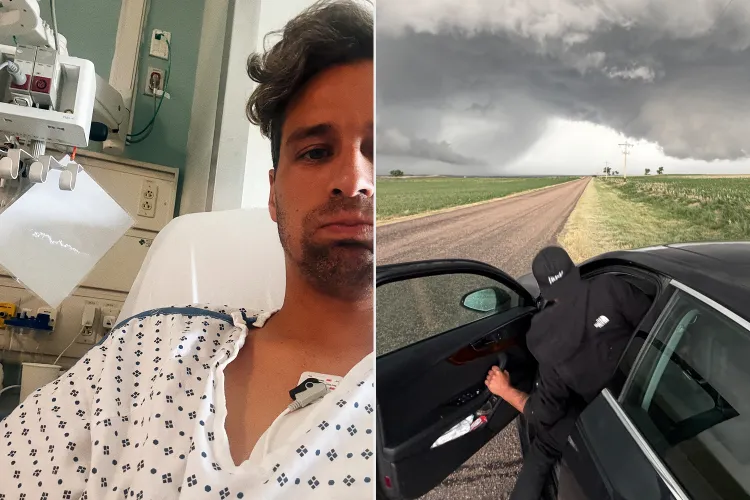
After disappearing from his popular New York Metro Weather accounts for several days, meteorologist John Homenuk is explaining what happened
John Homenuk thought he was wrapping up an ordinary night.
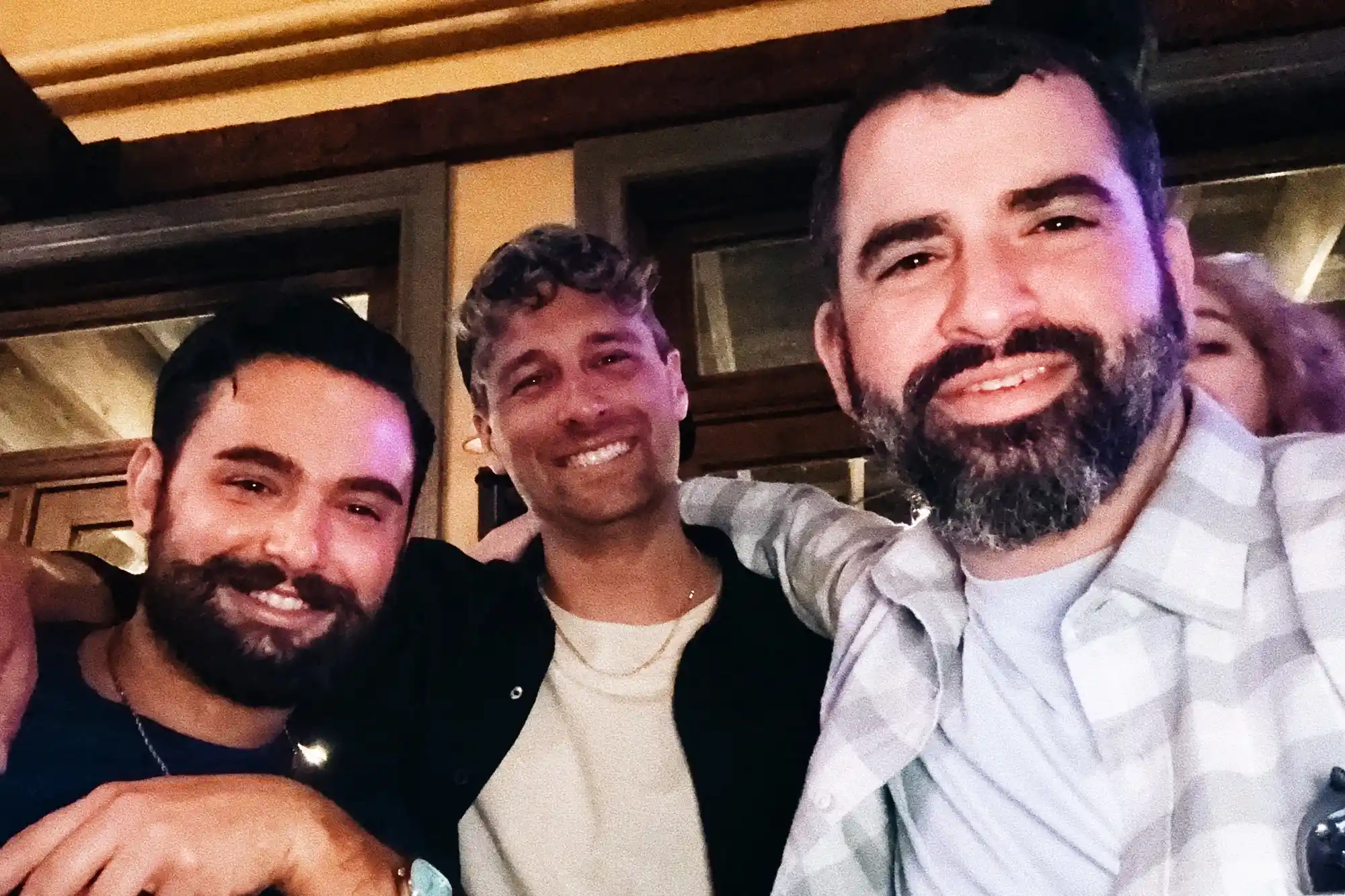
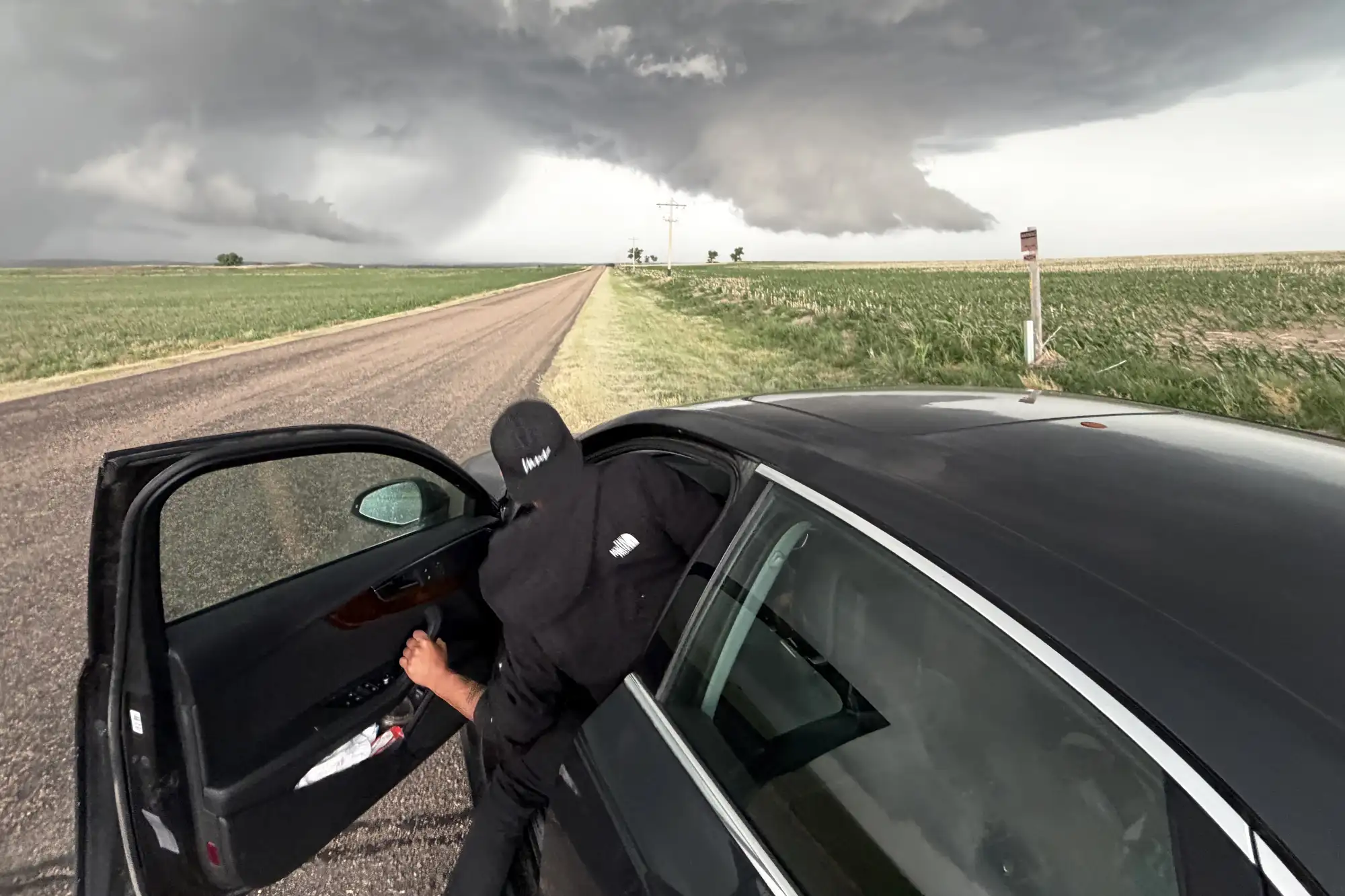
After returning to New York City from a storm-chasing trip to Colorado, the 36-year-old meteorologist behind @nymetroweather — a social media account and website that New Yorkers rely on it for easy-to-understand daily forecasts, signature weather ratings and severe weather updates — met one of his oldest friends for dinner and drinks on June 27.
The pair spent the evening catching up as they made their way between several Manhattan bars before ending the night at his friend’s apartment in Brooklyn.
To Homenuk, it felt like countless nights they’d shared over the course of their more than 30-year friendship. But as the evening went on, his friend couldn’t shake the feeling that something was off with Homenuk. At first, Homenuk chalked it up to stress. He had just returned from traveling and was juggling wedding plans alongside work.
Then, in the early morning hours of June 28, everything changed. Homenuk’s chest suddenly felt like it was on fire. Within minutes, he became violently sick and struggled to catch his breath. Assuming he was simply feeling the effects of the evening, he tried to brush it off. His friend wasn’t convinced.
“He said, ‘Nope, this is not normal. We’re going to the hospital,’ ” Homenuk tells PEOPLE exclusively. “Something’s been off all day, and now you’re holding your chest, telling me you can’t breathe.”
Minutes after arriving at Maimonides Medical Center in Brooklyn, doctors performed an electrocardiogram.
“They said, ‘You are having a heart attack,’ ” Homenuk recalls.
“I don’t remember much after that,” he adds. “One of the last things I remember hearing is that I was having a very, very serious heart attack … and they needed to do surgery.”
Before doctors wheeled him into the operating room, Homenuk handed his phone to his friend with one request: call his fiancée, who was in Miami celebrating her bachelorette party, and then notify the rest of his family.
His next memory was waking up in the intensive care unit. Doctors had inserted a stent after discovering he had suffered the most severe type of heart attack possible — a near-fatal widowmaker caused by a 100% blockage.
According to the University of Pittsburgh Medical Center, only about 12% of people who experience a widowmaker outside of a hospital survive.
“I’m lucky to be alive,” he says. “If we didn’t go when we did, I probably would not have survived.”
In the days that followed, Homenuk tried to make sense of what had happened.
Despite spending nearly a week in the hospital — where physicians also inserted a balloon pump to help his heart recover after surgery — doctors couldn’t determine why an otherwise healthy 36-year-old had suffered such a catastrophic heart attack.
Without answers, Homenuk found himself replaying the months leading up to that June night. Looking back, he realized his body had been trying to warn him all along — he just hadn’t known how to interpret the signs.
For months, workouts had become noticeably harder. Runs required more breaks than they once had, hills left him unexpectedly short of breath and he occasionally woke in the middle of the night feeling like he couldn’t take a full breath.
Eventually, the symptoms became concerning enough that Homenuk mentioned them to his primary care physician. Months before the heart attack, his doctor ordered cardiac testing, but everything came back normal.
“I left there with a clean bill of health,” Homenuk says. “There was nothing that suggested this was going to happen.”
“I just thought, ‘Maybe I’m not 25 anymore,’ ” he adds. “Nothing ever happened that made me think, ‘This is an emergency.’ ”
That clean bill of health is part of what made the diagnosis so difficult to understand. Homenuk exercises five days a week, runs half marathons, has never had high cholesterol and has no known family history of heart disease.
Although doctors still can’t say for certain what caused the heart attack, they do have one leading theory: prolonged driving and air travel may have contributed to a blood clot that eventually traveled to his heart and blocked one of his major coronary arteries.
“The takeaway from the doctors and nurses was that being healthy and active and smart about what you do in your life and having good cholesterol and having a good diet and being in shape probably saved your life,” he says.
Even now, Homenuk can’t stop thinking about how many seemingly ordinary decisions had to line up perfectly for him to survive.
Had he stayed in Colorado another day, gone storm chasing alone or skipped dinner with his friend that night, the outcome could have been very different.
“There were so many miracles that needed to happen for me to be in the situation I was,” he says. “That plan with my buddy was totally on a whim. If I don’t do that, who knows?”
The physical recovery has been gradual, but the emotional recovery has surprised him even more.
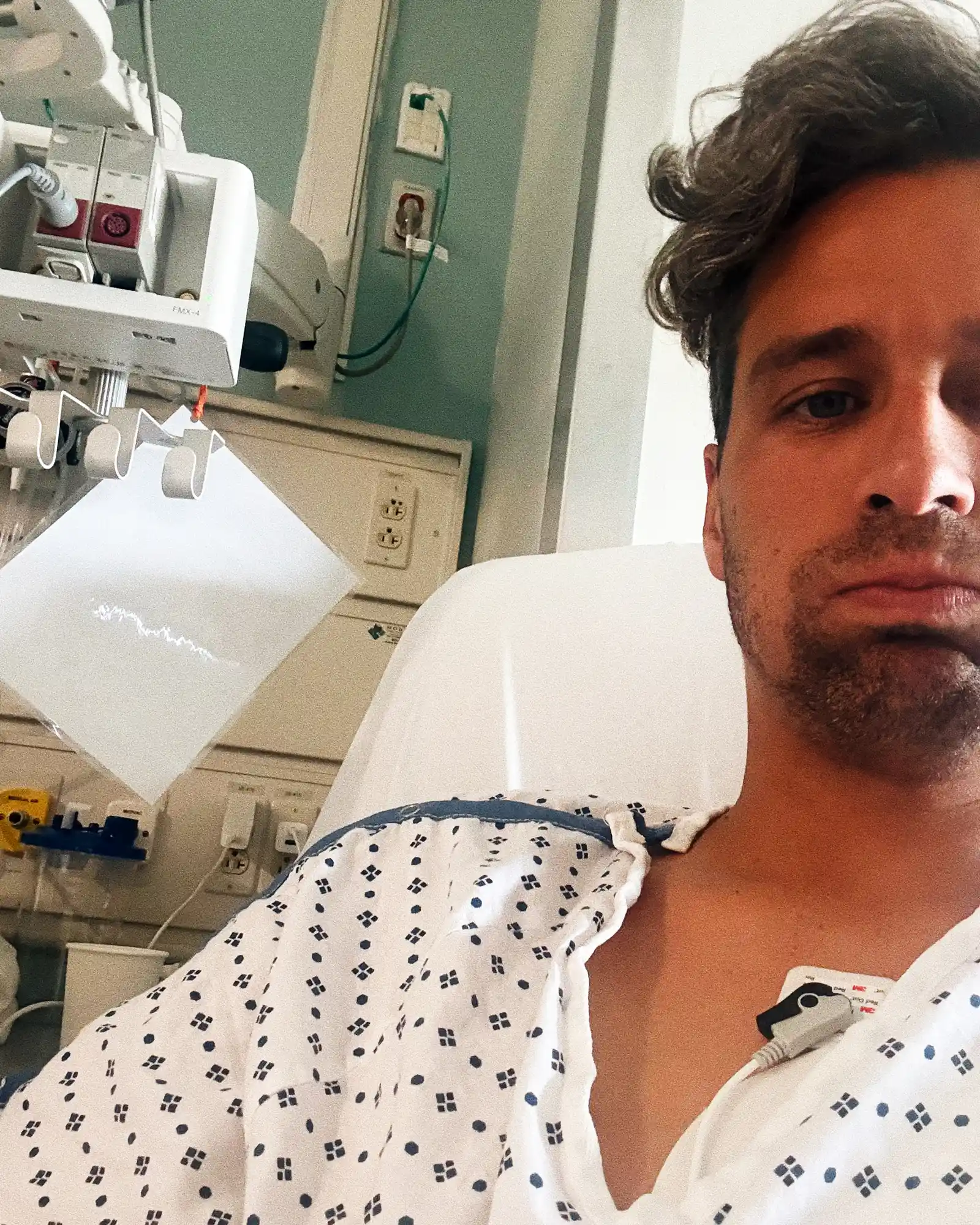
Now taking blood thinners and heart medication while working through cardiac rehabilitation, Homenuk is slowly returning to exercise and rebuilding his confidence. At the same time, he’s had to process the reality that his life nearly ended without warning.
“[I’ve had] every emotion on the spectrum,” he says. “Sadness, happiness to be here, anger that it happened. It’s really this pendulum.”
Fortunately, he hasn’t had to navigate those emotions alone.
Along with the support of his fiancée, family and longtime friends, Homenuk says therapy has become one of the most valuable tools in helping him process the trauma of what happened.
“I’m a huge advocate of therapy,” he says. “I know it’s going to be an amazing resource for me during this time.”
As Homenuk focused on recovering, he soon realized he wasn’t the only one noticing his absence.
For years, hundreds of thousands of New Yorkers had made checking New York Metro Weather part of their daily routine. So when several days passed without a forecast — something followers weren’t accustomed to — comments began pouring in from people asking where he was and whether everything was okay.
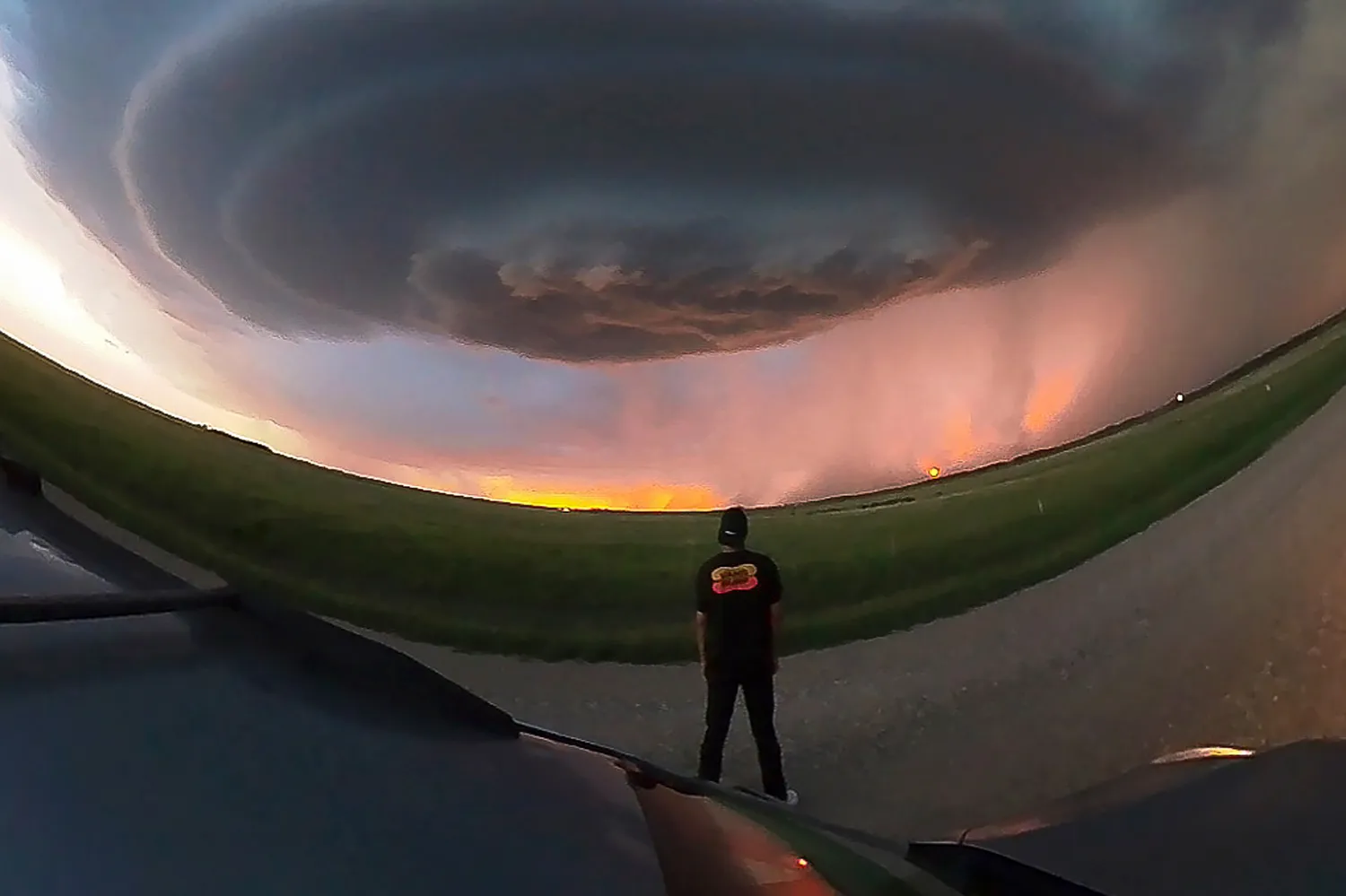
Although Homenuk has built one of the region’s most trusted independent weather resources, he’s intentionally kept the focus off himself. His pages are typically filled with colorful weather graphics, radar imagery and forecast maps. Personal posts are rare, and photos of Homenuk himself are even rarer.
That’s why he knew he wanted to give his followers an explanation.
“There was never a question in my mind as to whether I wanted to tell people,” Homenuk says. “It’s such an amazing community.”
In an emotional post, Homenuk revealed that he had “suffered a sudden heart attack at the ripe age of 36,” thanked the friends, family and doctors who had “very literally saved my life,” and apologized for his unexpected absence.
The response was immediate.
Hundreds of comments poured in from followers who had spent years relying on Homenuk’s forecasts. Many shared prayers and words of encouragement. Others recounted their own unexpected health scares or told him they had been checking his page every day, wondering why the forecasts had suddenly stopped.
“It was unbelievably validating that what I do means something to people,” he says. “I read every single comment.”
“It gave me such a renewed energy for it,” he continues. “I realized that it really matters to the people that follow it.”
That realization has become one of the few bright spots to emerge from an experience that turned his life upside down.
While Homenuk hopes to get back to storm chasing, photographing tornadoes and delivering forecasts, the experience has permanently changed the way he thinks about time.
“You spend your life hearing cliché after cliché about how short life is and how it can all end in one moment,” he says. “It’s real.”
“You could be eating pasta and drinking a martini at 10 p.m., and you could have a heart attack at 12:30,” he says. “Every single day that you wake up and get a chance to see the people you love and do the things you love, it is a gift.”
That ordinary evening — and the overwhelming response from the community that noticed when he disappeared — ultimately convinced Homenuk to share a story he normally would have kept private.
If opening up about the warning signs he experienced encourages even one person to take unexplained symptoms seriously, schedule a doctor’s appointment or seek emergency care instead of brushing something off, he says, reliving the experience publicly will have been worth it.
“My message to people would be to just try to live your life that way,” he says. “Bring some sort of positive energy or love to the people around you and make sure they know how much you care about them because you don’t know when you’ll get the chance to say it again.”
Source: https://people.com/healthy-36-year-old-reveals-warning-signs-before-suffering-widowmaker-heart-attack-exclusive-12018433