There’s something strange that’s twice the size of Vatican City – and like nothing else on the planet – living in a Scottish loch
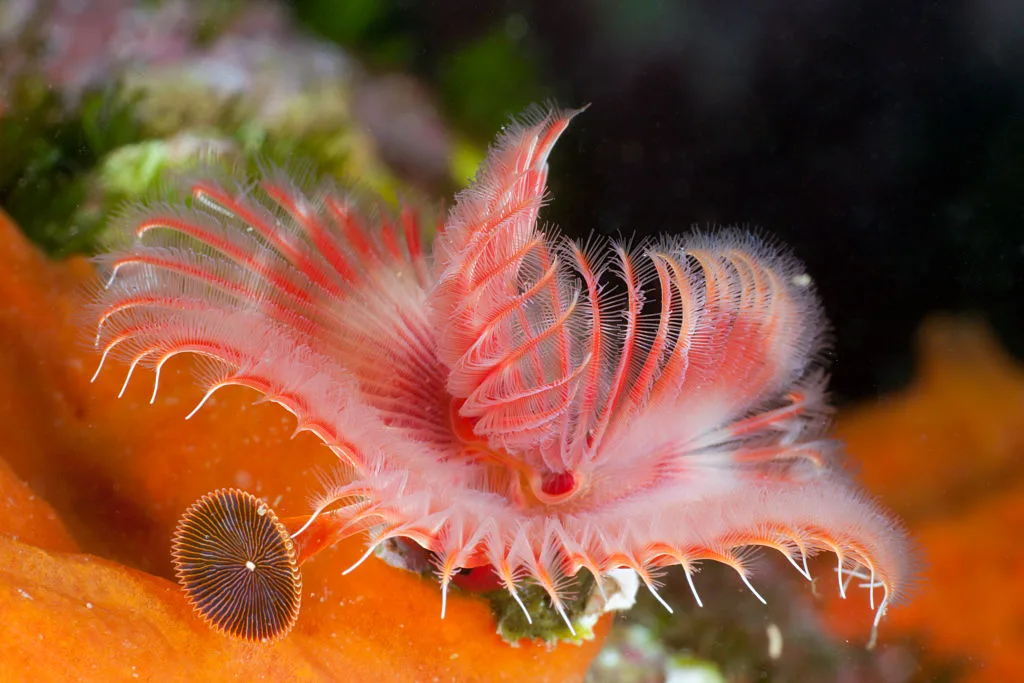
Something very strange lives in Loch Creran, Scotland. At a depth of about 6 to 10 meters lies a coral reef unlike any other on the planet.
Across an area of approximately 108 hectares – more than twice the size of Vatican City – a dazzling display of tiny, shimmering fireworks bursts into color.
But this isn’t one of those vibrant coral reefs you might be familiar with. It’s made up of a different animal: a type of marine tube worm called the Serpulid tube worm ( Serpula vermicularis ), sometimes also known as the feathered tube worm, feathered worm, or fan worm.
“The tube worm ( Serpula vermicularis) is a beautiful marine tube worm with a cluster of tentacles.”” Its feathery shape is striking ,” the NatureScot website writes. “The vibrant red, pink, and orange colors contrast sharply with the worm’s sturdy white body.”
These worms create calcium carbonate tubes to protect themselves from predators. They attach themselves to solid objects, such as rocks, seashells, or the seabed.
When the worm detects movement in the water that could signal potential danger, it will quickly dart back to its safe haven in its cylindrical home and seal the entrance with its gill cover, which looks like a trapdoor.
When the tubes inside the worm’s body are sealed, they look like protruding straws. When safe, they extend their feather-brush-like tentacles into the water column to try to catch food. To feed, they filter tiny particles, such as plankton and algae, from the water.
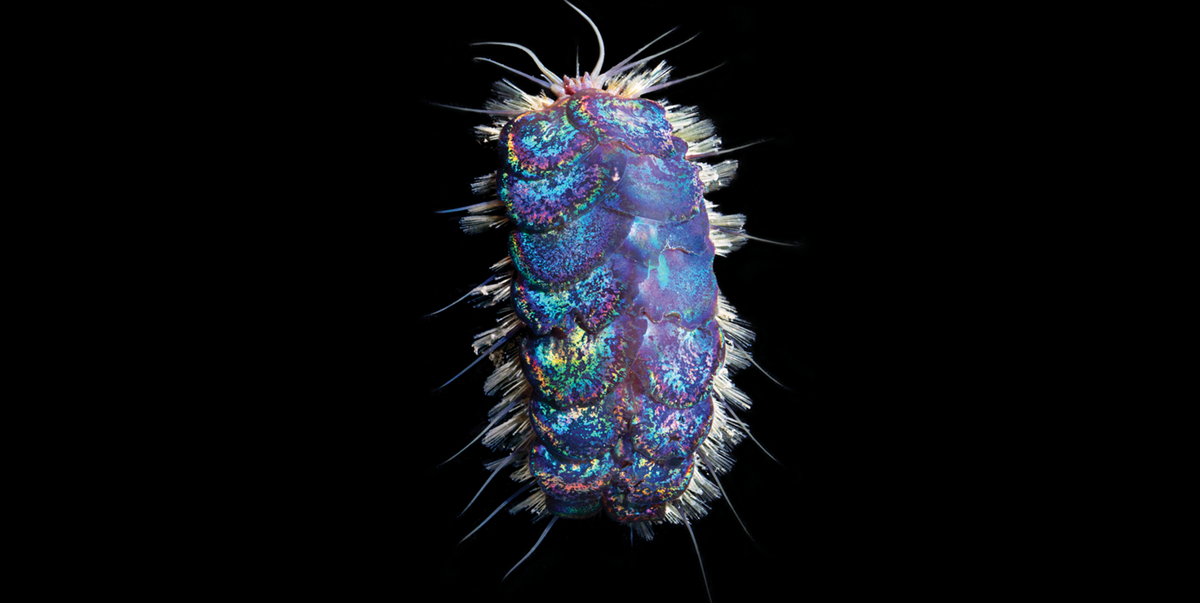
The most famous type of serpulid worm – playfully nicknamed the Christmas tree worm – adds color to many coral reefs around the world. They are often seen by divers and snorkelers, but not in as large numbers as the featherworms found in Loch Creran.
“Individual tube worms are found almost everywhere in the world, but they only rarely develop into ‘reefs’ together,” NatureScot added.
The largest of these rare coral reefs is located in Loch Creran, where hundreds of species of tube worms have built their nests. Here, the dense mounds formed by the worms can reach a height of about 75cm – as tall as a Labrador dog – and a width of up to one meter.
When all these worms feed together, the coral reef becomes ablaze with color thanks to their tufts of hair.
Just as coral supports the lives of other animals, the reefs in Loch Creran provide shelter for many other creatures.
“By connecting these tubes together, they can create amazing underwater castles,” Argyll Hope Spot states on its website, adding that these habitats “provide shelter and living space for other animals, such as sponges, sea anemones, seaweed, spider crabs , short -legged lobsters , starfish, sea urchins , brittle stars and Terebellid worms,” sometimes called spaghetti worms.
“In one survey, a coral reef measuring 0.1m² supported 163 different species,” they added.
These beautiful yet vulnerable coral reefs are easily damaged by fishing gear, anchors, and diver’s nets. Loch Creran became a Marine Protected Area in 2015 in an effort to protect these unique habitats.
Similar coral reefs have been found elsewhere, but some have been wiped out – and experts are still not entirely sure why. “Living coral reefs were once found in Linne Mhuirich, a small bay in Loch Sween, but they died in the 1990s for reasons that are still not fully understood,” NatureScot stated.
There appears to be a cycle of boom and bust. “We now believe that tube worm reefs undergo natural cycles of growth and collapse. Individual structures eventually become so large that they can no longer sustain themselves,” they added. “Fallenable tubes can continue to grow from the seabed. But if they die, the dead tubes form new habitats for tube worm larvae to settle, and the reef continues to grow and expand.”
Sources: https://www.discoverwildlife.com/animal-facts/marine-animals/organ-pipe-worm-reef