Joe DiMeo Becomes First Patient to Receive Successful Face and Double Hand Transplant
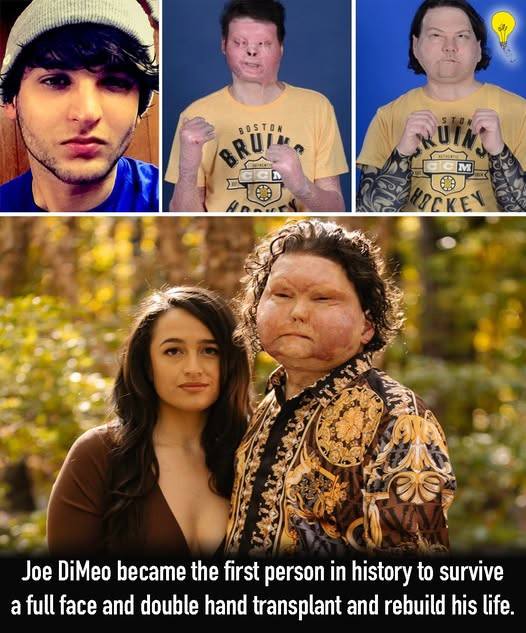
Joe DiMeo Becomes First Patient to Receive Successful Face and Double Hand Transplant
In 2018, 22-year-old Joe DiMeo of New Jersey survived a devastating car crash that left him severely burned and fighting for his life. After his vehicle flipped and burst into flames, rescuers pulled him from the wreckage just moments before it was too late. The accident caused full-thickness burns over 80 percent of his body, resulting in permanent damage that reshaped the course of his future.
DiMeo lost his lips, his eyelids, and the function of nearly both hands. The injuries made it nearly impossible for him to eat independently, protect his eyes, or perform basic daily tasks. Although he survived the immediate trauma, his life became defined by dependency and constant medical intervention.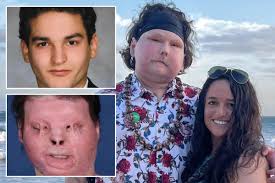
Over the next two years, doctors attempted more than 20 reconstructive surgeries. None could restore the capabilities he had lost, and the limitations placed a heavy emotional and physical strain on him. Medical options were narrowing, and hope began to fade.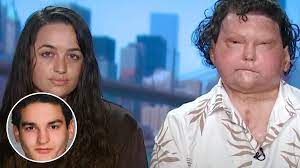
In August 2020, a groundbreaking opportunity emerged. Surgeons at NYU Langone Health offered DiMeo a chance at a procedure never before completed successfully: a full face transplant combined with a double hand transplant. The complex operation required unprecedented coordination and carried immense risk.
Over the course of 23 hours, a team of 140 surgeons, nurses, and specialists worked to replace his entire face— including lips, eyelids, and underlying muscles— as well as both hands, complete with bones, tendons, skin, and blood vessels. Every step demanded both precision and split-second timing.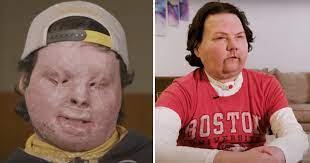
The surgery marked a historic first in the medical field. Early signs of recovery indicated that the transplanted tissue was functioning, giving doctors cautious optimism that the procedure could redefine possibilities for future burn survivors.
Today, DiMeo continues rehabilitation, steadily regaining movement, expression, and independence. His case stands as a landmark achievement in reconstructive surgery and a testament to perseverance, scientific innovation, and the power of medical collaboration.