Man’s five-year-old daughter wasn’t in car seat in fatal crash, investigators say
A Rhode Island man’s five-year-old daughter was not in a car seat or wearing a seatbelt when his pickup truck collided with a tractor-trailer earlier this year.
In January, the Berkeley County Sheriff’s Office said that “multiple potential criminal violations” were being considered as part of their investigation into a Jan. 4 crash involving a pickup truck and a tractor-trailer shortly before 4 a.m. on Interstate 81 in West Virginia.
Videos from Memphis Safe Task Force shooting at Burger King released
On June 11 — more than five months later — the sheriff’s office filed a criminal complaint and issued an arrest warrant for Donte Thornhill, 29, of Westerly. He was charged with child neglect resulting in death.
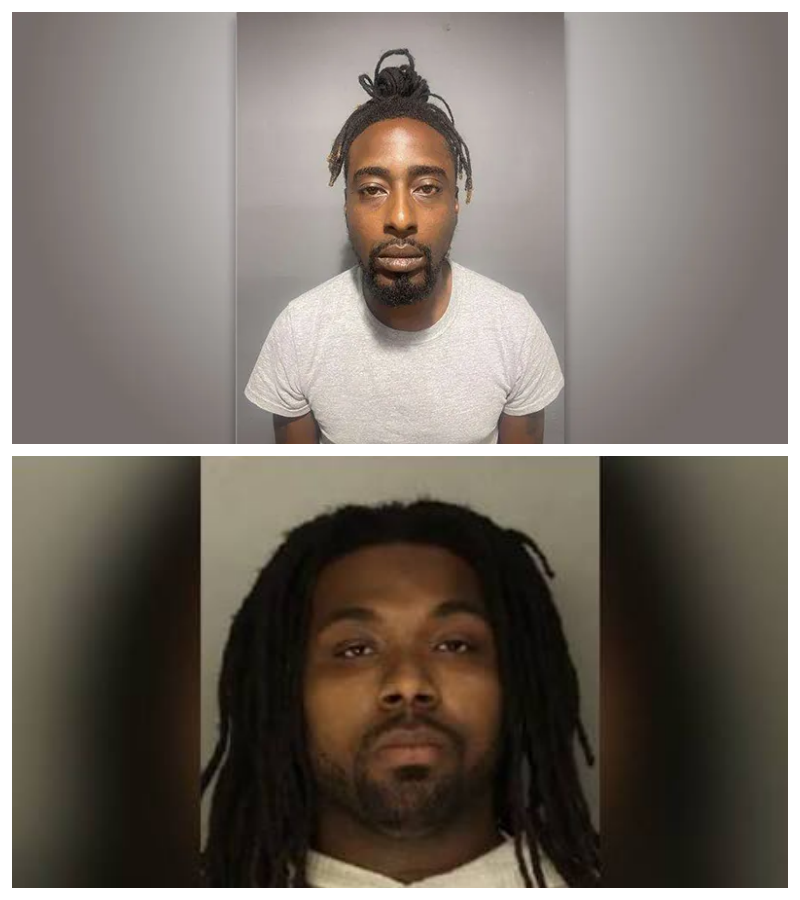
Authorities said on the same day, the sheriff’s office received the medical examiner’s report that indicated the child — Donte Thornhill’s daughter — accidentally died from blunt force trauma to the head and neck.
The case out of West Virginia came to light when Thornhill’s name appeared in the R.I. State Police arrest log on Tuesday.
State police said Thornhill was pulled over on I-95 South in Richmond on Monday afternoon for driving with a tinted windshield. He was also given a traffic ticket for driving without his license in his possession.
But state troopers didn’t let Thornhill go when they learned that there was a warrant out for his arrest in West Virginia. He was then arrested as a fugitive from justice, arraigned, and ordered held without bail by a judge.
Target 12 obtained the criminal complaint from authorities in West Virginia on Wednesday, which revealed the case stemmed from the deadly car crash in Berkeley County in January.
When the Berkeley County Sheriff’s Office arrived at the scene, Thornhill was still being treated for injuries in an ambulance. The extent of his injuries was not specified.
California father found dead at local park without clothing
Authorities said they performed lifesaving measures on Thornhill’s unresponsive five-year-old daughter, but she was pronounced deceased at the hospital. Medics on scene told the sheriff’s office it was believed that based on the child’s injuries, it appeared that she was ejected from Thornhill’s vehicle as a result of the crash.
A check of Thornhill’s vehicle found that “there was evidence to suggest that neither Thornhill nor his daughter were wearing seatbelts at the time of the collision or prior to,” according to the complaint. Authorities also said that there was “an odor of marijuana emitting from the Chevy pickup when in and around the vehicle.”
According to the complaint, Thornhill told authorities that while his daughter was not in a car seat, she was in a seatbelt, “but she wanted to lay down.” In a subsequent conversation at a local hospital, however, Thornhill claimed his daughter was “sitting up” and wearing a seatbelt prior to the crash.
Thornhill told authorities that he was “going the speed limit,” when the tractor-trailer came up from behind him and struck his vehicle while he was driving in the righthand lane. But the driver of the tractor-trailer told authorities that the driver of the pickup truck, Thornhill, “pulled out directly in front of him,” leaving him unable to react and stop in a timely manner.
According to the investigation, brake marks on the road indicated that the tractor-trailer struck the pickup from behind. However, the marks also appeared to be curved to the left “slightly prior to impact,” which led authorities to believe that the tractor-trailer “was attempting to maneuver and avoid collision by steering left.”
A few days after the crash, authorities spoke with a 911 caller who witnessed the crash. Authorities said the man reported that he was working in his garage when he noticed a vehicle “was pulled off the shoulder” of the interstate, which is adjacent to his home.
When he went to investigate, he said he saw a black Chevy pickup truck with its turn signal on.
“He said the pickup then almost immediately entered the travel lane with virtually no acceleration along the shoulder or building up merging speed, and was abruptly struck by the tractor-trailer,” the complaint stated.
‘Quite a pickle’: Semi crash leads to massive spill, shutting down Ohio highway
Additionally, the witness said “he knew he needed to go help the occupants as the collision was violent and very bad.” The man rushed to the scene and said he saw the child lying beside the truck outside the rear driver’s side door.
Two weeks after the crash, the sheriff’s office filed a search warrant to obtain data from the airbag control module of Thornhill’s truck, which would shed light on the vehicle’s dynamics both at the time of the crash and five seconds beforehand.
Once authorities were able to download the information, they confirmed that Thornhill was not wearing a seatbelt at the time of the crash and was driving 32 miles per hour. The data did not include information for any occupants in the rear of the vehicle
SOURCE: https://www.newsnationnow.com/crime/fatal-west-virginia-crash-investigation-report/