Julie Andrews and the Surgery That Silenced a Legendary Voice
- QuynhGiang
- December 24, 2025

Julie Andrews and the Surgery That Silenced a Legendary Voice
Julie Andrews lost one of the most celebrated singing voices in modern history not through age or misuse, but through trust. In 1997, Andrews agreed to a surgical procedure intended to remove benign vocal nodules, a routine operation described to her as safe and protective.
The surgery itself took only minutes. The consequences were permanent.
When Andrews attempted to sing again, the voice that had defined generations collapsed. Notes fractured. Breath control failed. Pitch could not stabilize. The instrument that carried My Fair Lady, Mary Poppins, and The Sound of Music was not merely strained or weakened. It was irreversibly damaged.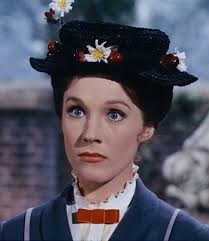
For decades, Andrews had been regarded as vocally untouchable. She performed eight shows a week on Broadway without microphones, recorded demanding film musicals with precision, and maintained extraordinary control through discipline and technique. That reputation for mastery became a false shield.
Doctors later confirmed the injury was permanent. Andrews initially filed a lawsuit, then quietly withdrew it. There was no public confrontation, no campaign for accountability. The loss was absorbed privately while the public assumed rest or time would restore what had been lost.
It never did.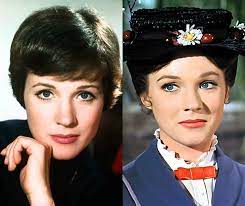
Andrews made a defining decision. She stopped singing in public entirely. There was no farewell tour and no limited return. She understood that partial recovery would transform excellence into comparison. Audiences would listen for absence rather than presence.
The cost was profound. Singers do not simply lose a skill; they lose a function of identity. Andrews later acknowledged experiencing depression and anger, confronting the reality that discipline, obedience, and trust had all failed her.
Hollywood responded predictably. Awards and tributes multiplied, while roles requiring her former vocal power disappeared. The myth of her perfection was preserved, even as the woman herself was quietly set aside.
Andrews rebuilt her career through acting, narration, and writing, shaping a second professional life defined by adaptation rather than recovery. She did not attempt to reclaim what was gone.
Julie Andrews is often remembered as timeless and unbreakable. The truth is more unsettling. Her story is not one of inspiration, but of reckoning — a reminder that mastery does not guarantee safety, and that survival sometimes means learning to live without the very thing that once defined you.