A massive oil spill is reaching Oman’s shores — and the disaster is still growing
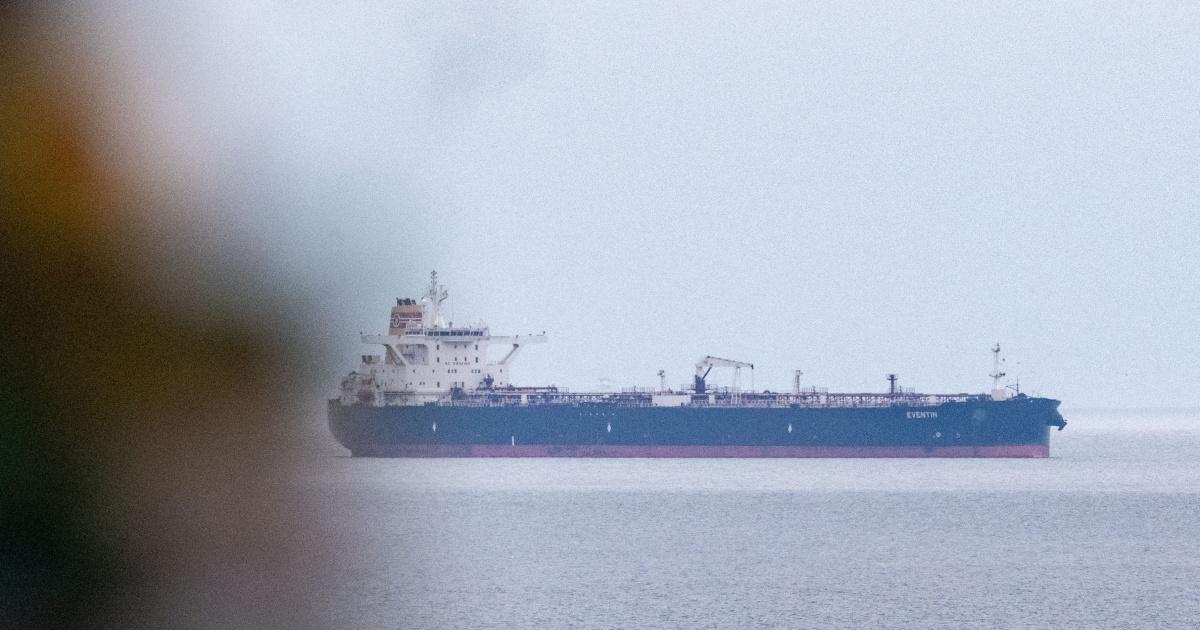
A huge oil spill spreading off the coast of Oman has now reached the mainland, threatening beaches, marine wildlife and one of the region’s most sensitive ecosystems.
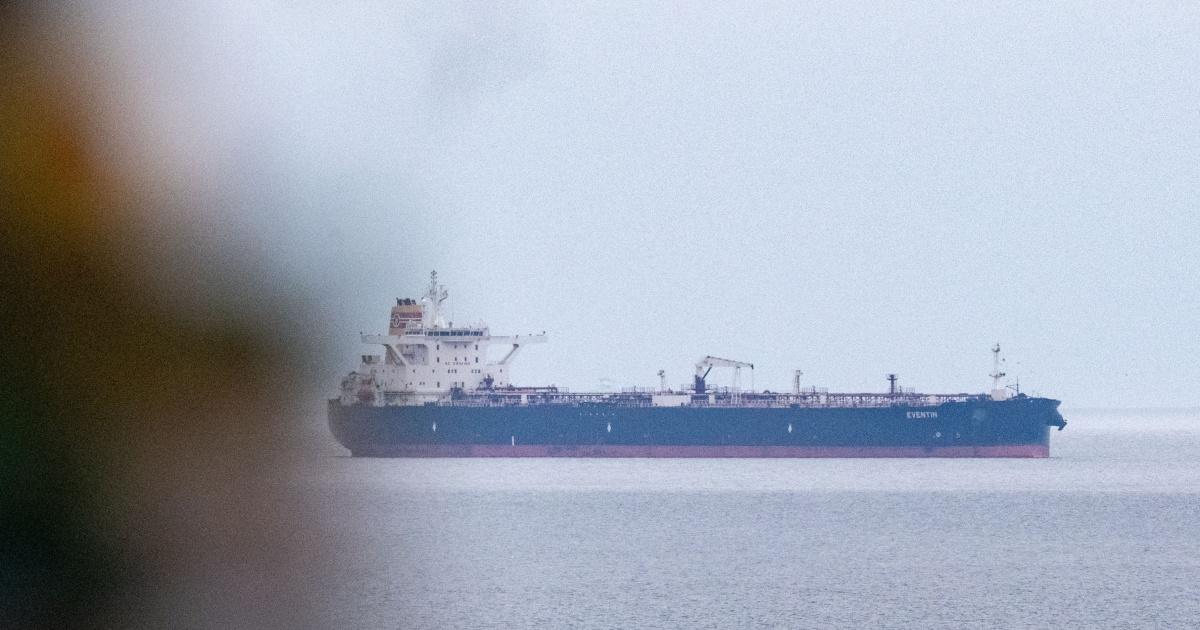
The spill comes from the Caroline Bezengi, a tanker that has been leaking crude oil after becoming disabled and grounding near Oman’s Hallaniyat Islands in June.
What began as an offshore disaster has now become a coastal emergency.
Oil reaches Oman’s mainland
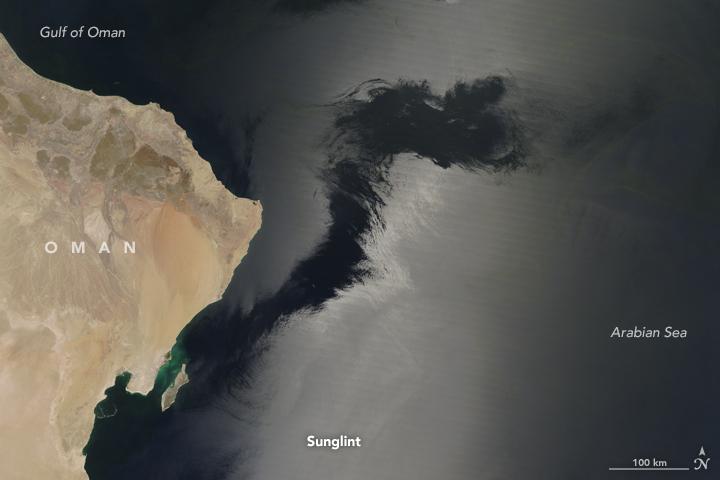
On August 13, Omani authorities confirmed that oil from the tanker had reached beaches around Ras Madrakah, contaminating up to 40 kilometers of coastline.
Authorities also warned that oil could soon reach the southern coast of Masirah Island, potentially affecting another 10–20 kilometers of shoreline.
The slick has been expanding rapidly as winds and ocean currents push the crude toward the coast.
Satellite monitoring has shown the polluted area stretching across hundreds of square kilometers, while environmental groups have warned that the actual extent could be considerably larger.
Hundreds of thousands of barrels are still on board
The 247-meter-long tanker was carrying an estimated 800,000 barrels of crude oil when it ran aground.
That means the disaster may be far from over.
Experts have warned that if the vessel breaks apart completely, as much as 40–50 million gallons of crude could potentially enter the sea — a spill on a scale comparable to some of the world’s most notorious oil disasters.
The tanker itself has been partially submerged, making efforts to stabilize it and prevent further leakage increasingly difficult.
A threat to endangered whales
One of the biggest concerns is what the oil could do to marine life.
The spill is close to the Hallaniyat Islands Nature Reserve, an important habitat for sea turtles, seabirds and the critically endangered Arabian Sea humpback whale.
Only a small population of these whales remains, making the potential impact especially serious.
Oil can contaminate the surface of the water, coastal habitats and food sources that marine animals depend on.
For wildlife living in or passing through the affected waters, the expanding slick could become a deadly barrier.
The coastline is changing
Along the affected coast, authorities are monitoring the spread of crude and attempting to limit further contamination.
But the response faces major challenges.
The tanker is old, the spill is occurring far offshore, and monsoon conditions are making containment and cleanup more difficult.
The longer the oil remains in the water, the farther it can travel.
And every new wave can carry another layer of crude toward the beaches.
Why this could become much worse
The Caroline Bezengi was reportedly carrying close to one million barrels of crude before the incident.
The vessel has been under international sanctions and has been identified by Western governments as part of Russia’s so-called shadow fleet. The exact cause of the incident remains unclear.
For Oman, however, the immediate concern is no longer where the oil came from.
It is where the oil will go next.
Environmental groups have already warned that the spill could become one of the worst marine pollution disasters in years if urgent action is not taken.
And with hundreds of thousands of barrels potentially still trapped aboard the damaged tanker, the most frightening part of the disaster may not have happened yet.
The oil has reached Oman’s shores.
The question now is how far it will spread