After 25½ Years of Midnight Homecomings, Bill Ritter Is Choosing Family Time

By the time Bill Ritter got home, the house was usually quiet.
He had already anchored the 5 p.m., 6 p.m. and 11 p.m. newscasts. It was around midnight, his family was asleep, and he would move through the house carefully until about 1 a.m., trying not to wake anyone before morning brought the same schedule again.
That routine lasted for years.
Ritter, 76, spent more than 25 years as a familiar face on WABC’s Eyewitness News in New York. Now, after a career built around the clock, he is planning his days around the people who were often sleeping when he finally came home.

The Nights He Can’t Get Back
For a television anchor, the hours that matter most to viewers are often the same hours when families are eating dinner, finishing homework or getting ready for bed.
Ritter knew what his schedule demanded while he was working. What feels different now is seeing the total.
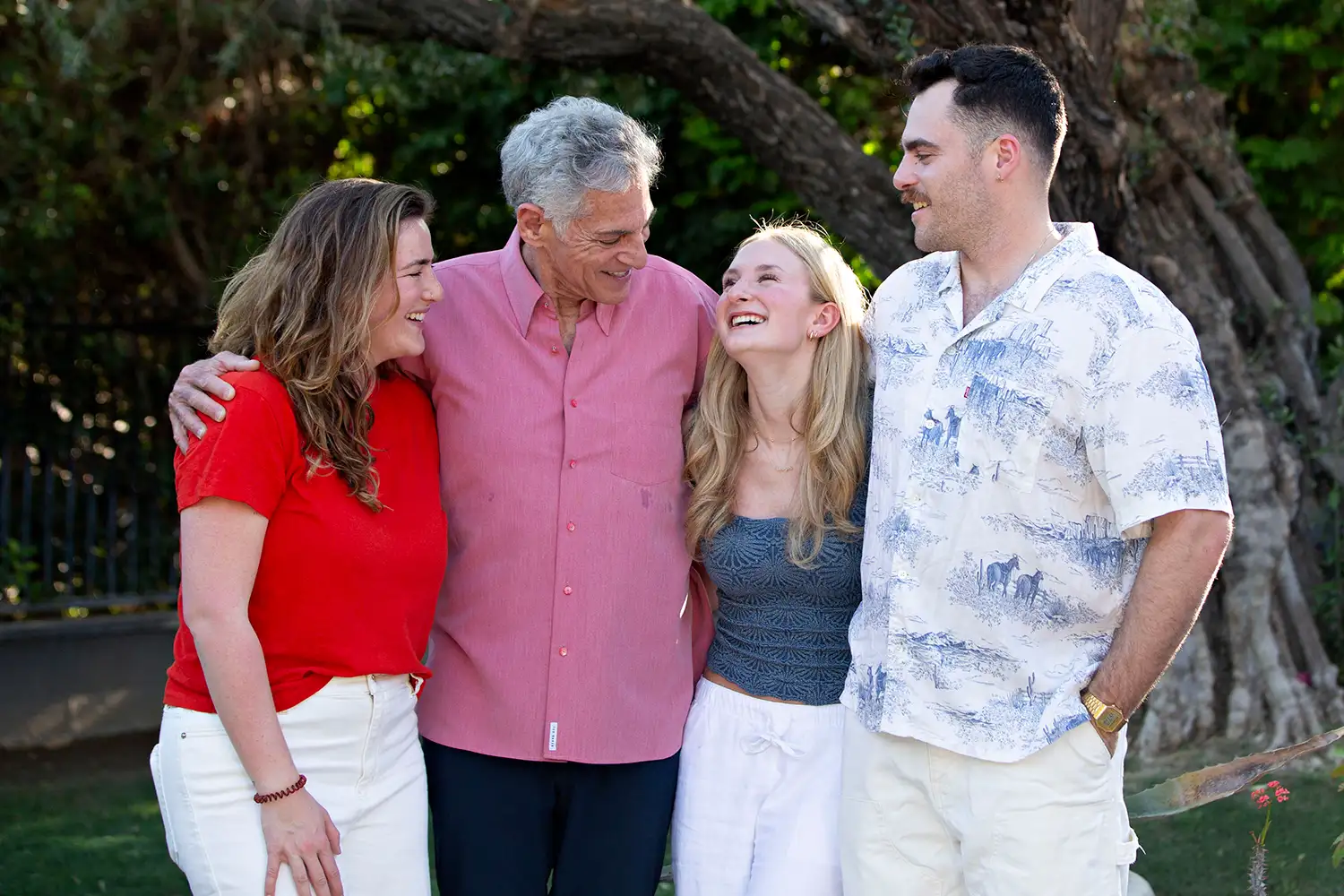
His wife, Kathleen Friery, 63, has been married to him for 18 years. Ritter is also the father of Mia, 33, Owen, 31, and Ella, 17. Mia and Owen are his children with his ex-wife, Janny Scott; Ella is his daughter with Friery.
“I want to spend more time with them because I didn’t spend all that time before,” Ritter told PEOPLE, which first reported the family interview.
Then he put a number on it.
“All those 25-and-a-half years, I would come home at midnight and everyone would be sleeping,” he said.
The rest of the routine was just as familiar. Ritter said he would tiptoe through the house until 1 a.m., try not to bump the bed, then wake up and begin again the next morning.
There is no way to rewrite those evenings. So he has started changing the ones still in front of him.

His Calendar Looks Different Now
Instead of building his days around broadcasts, Ritter has begun thinking in smaller plans: kayaking trips, bike rides and afternoons with his growing family.
Ella is in her senior year of high school, and Ritter wants to be present for it before she leaves for college. Mia has a 14-month-old daughter, Sawyer. At the time of the family’s July interview, Owen and his girlfriend, Hilary, were expecting Ritter’s second grandchild in August.
Those are the dates he is watching now.
The shift also says something about the stage of family life Ritter is in. Mia and Owen are adults with families and plans of their own, while Ella is nearing the end of high school. Time together no longer happens simply because everyone lives under the same roof.
Ritter isn’t walking away from everything tied to his work. When he left the anchor desk, he said he planned to mentor younger journalists at WABC and continue reporting on one subject that had become personal to him.
Still, home now has a different place in the schedule.
“I’m a really lucky guy,” he said. “I have amazing people around me. They’re what matters.”
Friery, a former television producer, and the children have watched that change up close. The family has long described itself as open with one another, and when hard conversations began, Mia said everyone was included, including Ella, the only child still living at home.
Those conversations had begun because something was changing with Ritter.

The Reason Time Suddenly Felt Different
Ritter and Friery first noticed something was wrong in early 2024. He was having trouble remembering names and places, and over the next two years he went through extensive testing and sought opinions from several specialists.
In late 2025, a spinal tap confirmed that Ritter had early-stage Alzheimer’s disease.
He kept the diagnosis private for months. Then, on June 12, 2026, during his final live 6 p.m. Eyewitness News broadcast, he told viewers he had the progressive brain disorder and was stepping away from the anchor desk.
His family stood only feet away.
Ella later told PEOPLE she had been in denial until that broadcast. Mia stood with her as the sisters cried, while Friery watched from the newsroom.
The diagnosis gave Ritter no way to change what was coming.
“I can’t change my diagnosis. I can’t change what’s ahead,” he said.
What it did change was the value he placed on the hours he could still choose for himself.
What He Wants the Days to Hold
Friery said communication, once one of her husband’s strengths, can now take longer. Ritter receives medication through monthly infusions to slow the disease’s progression, though there is no known cure.
That makes the family plans concrete.
There is Ella’s final year before college. There is Sawyer, 14 months old at the time of the interview. There are bike rides and kayaking trips that can be put on the calendar instead of left for someday.
Ritter spent decades measuring evenings by when the next newscast began.
Now, when he talks about what matters most, he names the people beyond the studio.
“I have amazing people around me,” he said. “They’re what matters.”