After Years of Infertility, One Foster-Care Call Gave Tierra and Patrick the Family They Never Expected
The question came almost as an afterthought.
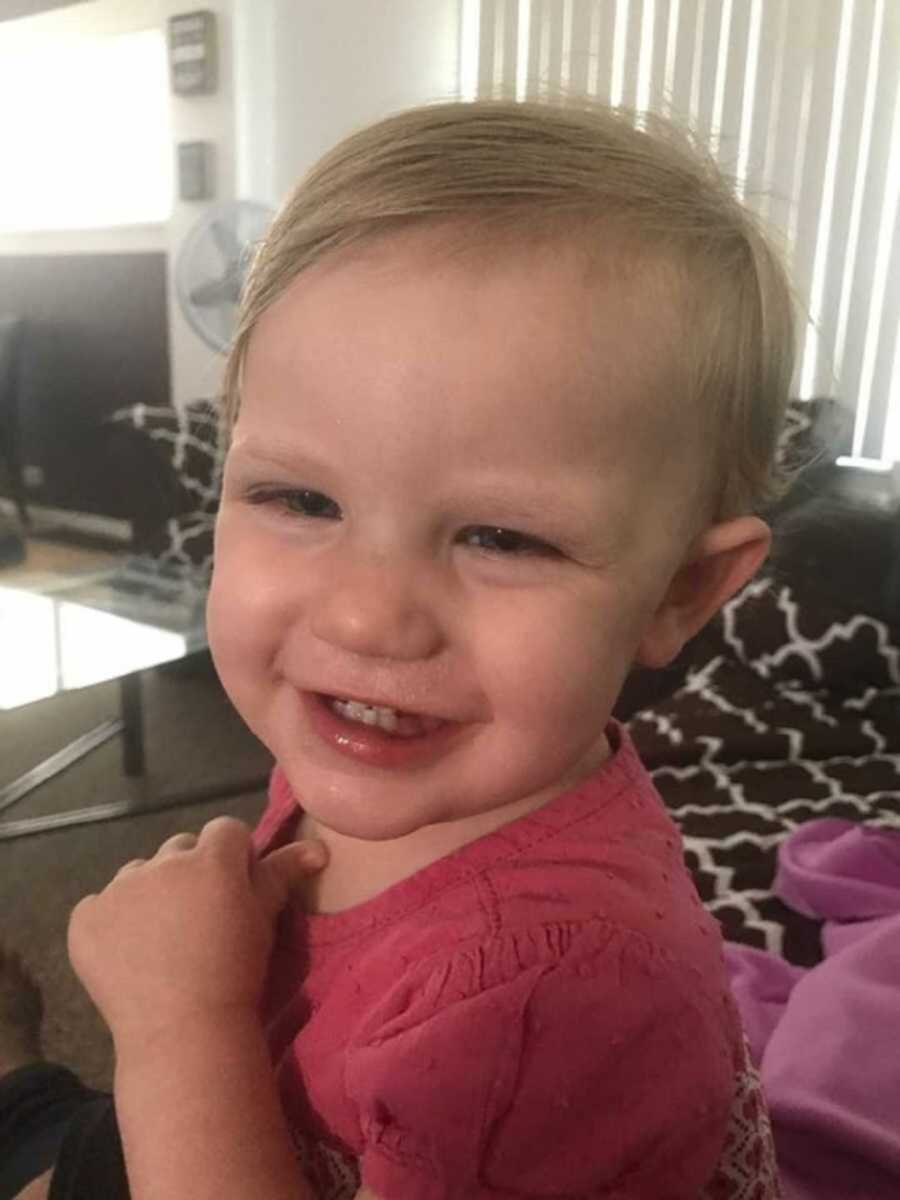
A social worker was describing a 15-month-old girl who needed another foster home. She was shy, struggled with attachment and would have to move from the temporary placement where she had already been living.
Then the worker paused.
The little girl was white. Would that be a problem?
For Patrick Hamm, the answer required no discussion. The child needed somewhere safe to live, and her race did not change that.
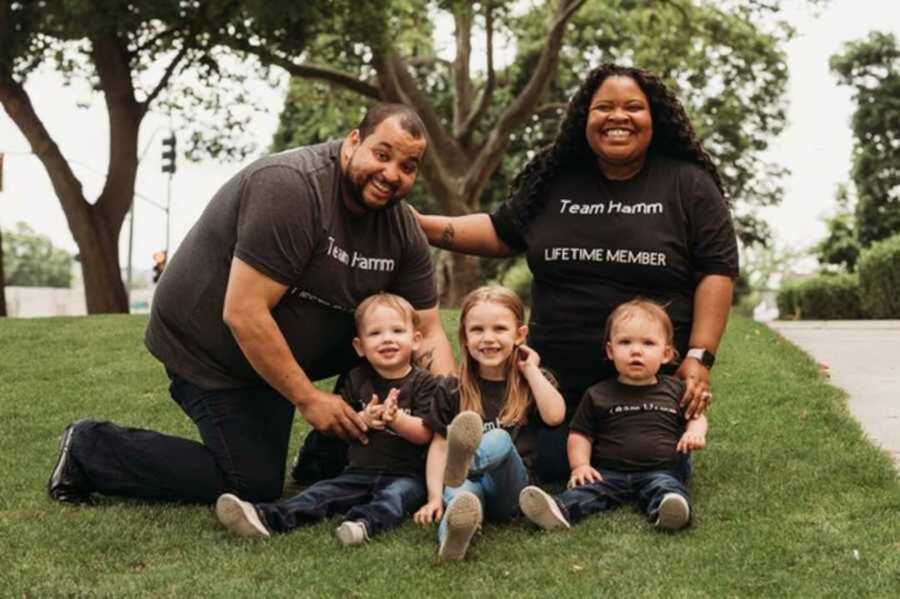
Within a day, Patrick and his wife, Tierra, were preparing to welcome the toddler who would eventually become their daughter.
It was the first unexpected turn in a foster-care journey that would transform a couple who had spent years struggling with infertility into parents of three children in less than two years.
For Years, Tierra Thought Motherhood Might Never Happen
Tierra had wanted children for as long as she could remember.
Her own mother died when Tierra was 5, leaving behind only a handful of memories. Those memories nevertheless shaped the kind of mother she hoped to become.
She met Patrick in 2006 when she was 18. They married quickly and imagined building a large family together. Tierra came from a family of six children, while Patrick had grown up as an only child.
By 2009, they were seriously trying to have a baby.
Month after month brought disappointment.
They eventually stepped away from actively trying between 2011 and 2015, a period that also took them through several moves—from Washington to Florida, back to Washington, then Arizona.
When they returned to Washington in 2015, they tried again.
This time they sought medical help and completed three rounds of intrauterine insemination. None worked.
Tierra began wondering whether becoming a mother simply was not going to happen for her.
A Friend Kept Mentioning Foster Care
Around that time, a friend involved with foster care repeatedly tried to speak with Tierra about becoming a foster parent.
Tierra resisted.
She and Patrick had discussed adoption before, and Patrick had some familiarity with fostering because an aunt had been a foster parent. But Tierra admitted she was frightened by how little she understood about the system and what opening their home might mean emotionally.
About six months passed before the friend tried again.
This time, she explained how urgently their state needed foster families, telling Tierra that some children were being housed in hotel rooms because appropriate homes were unavailable.
Something changed.
By the end of the conversation, Tierra wanted to pursue fostering. Patrick needed more time, so the couples met together and he was able to speak with another foster father about the experience.
After prayer and discussion, Tierra and Patrick enrolled in training in January 2017.
They became licensed that June.
A few weeks later, their phone rang.
Felicity Arrived Scared and Confused
On July 12, Tierra missed a call from the foster placement desk while she was working.
She immediately contacted Patrick and urged him to call back.
The placement involved a 15-month-old girl whose current foster mother specialized in emergency placements and was returning to school.
The following day, Felicity arrived.
The transition was difficult from the beginning.
She had already experienced disruption and did not understand why she was being moved again. Tierra remembered the little girl crying for what felt like nearly an entire day and refusing to let her put her down.
By nighttime, Tierra was emotionally exhausted and questioning whether she and Patrick had made a mistake.
Then their relationship began changing.
Eventually, Felicity started calling them Mommy and Daddy without being prompted.
For Tierra, that was the moment the fear began giving way to something else.
Still, she and Patrick understood that foster care was not supposed to be a shortcut to adoption. The goal for Felicity was reunification with her biological mother.
Her mother initially worked hard toward that goal.
Tierra remembered her taking the bus to visits while carrying a crockpot so she could serve her children a home-cooked meal. Later, the visits stopped.
Months before Felicity became legally available for adoption, her mother resumed working on her case. Ultimately, she surrendered her parental rights just three days before the case was scheduled for trial.
Tierra remembered the moment not as a victory, but as deeply bittersweet.
She saw a biological mother making an enormously painful decision involving children she loved.
Then Came a 5-Day-Old Baby Fighting to Go Home
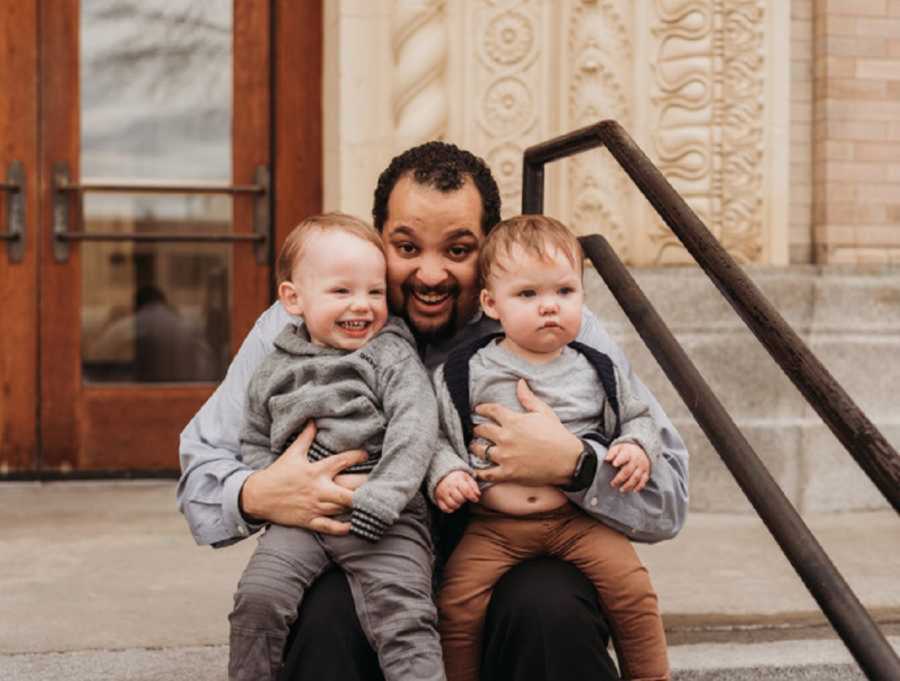
Nine months after Felicity entered their home, Tierra and Patrick expanded their foster license.
On Feb. 9, 2018, another call arrived.
Would they consider caring for an infant?
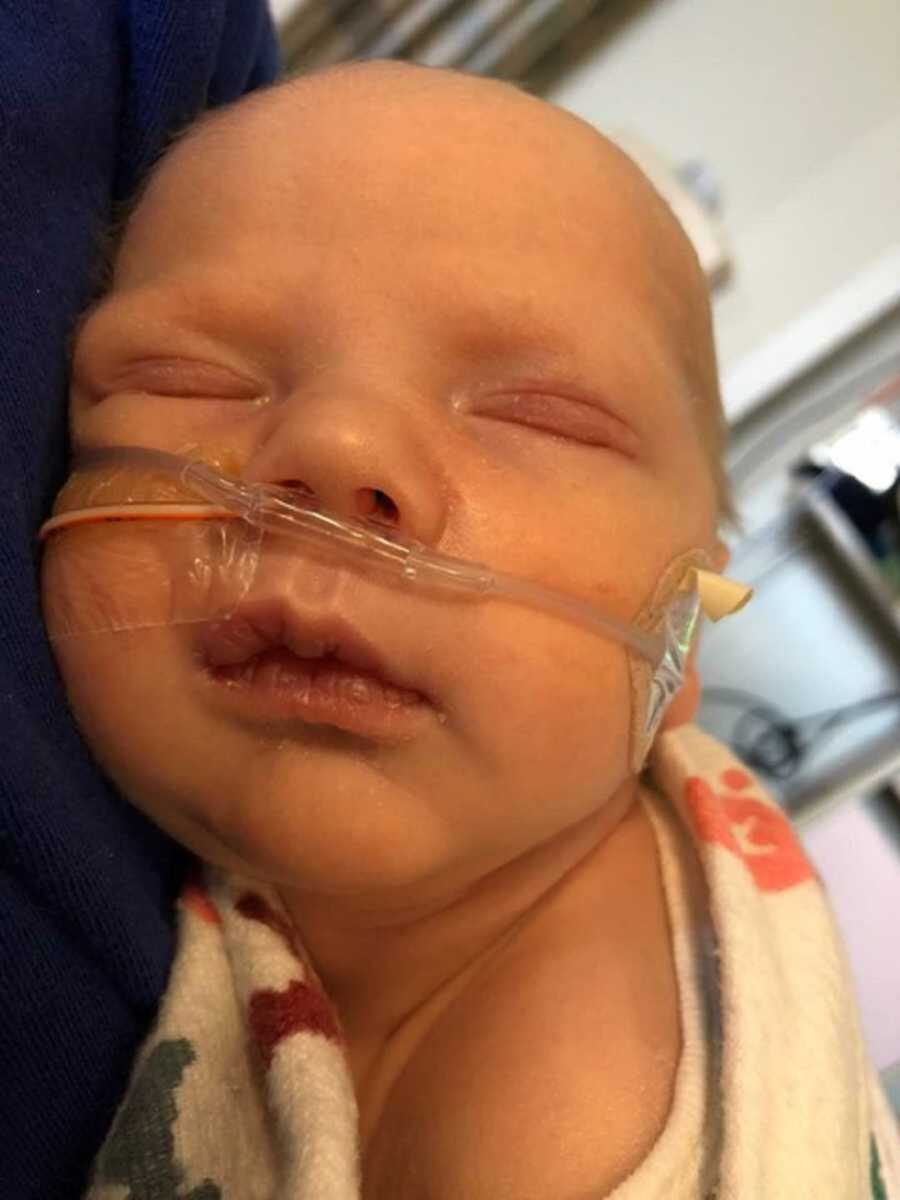
The baby was only 5 days old and had been born prematurely.
Tierra immediately said yes.
Then the placement worker called back with more information. The newborn, Samuel, had experienced severe drug exposure and remained hospitalized. He required a feeding tube and might need oxygen.
The answer remained yes.
Tierra and Patrick began spending time with him in the neonatal intensive care unit, taking turns participating in his feeding and care.
At one point, Samuel stopped breathing while Patrick was visiting.
Patrick used CPR until the baby began breathing again.
Tierra later said it remained an experience her husband found difficult even to discuss.
Samuel spent 32 days in the NICU. When he was finally discharged, he no longer needed the feeding tube or supplemental oxygen.
The couple brought him home and began helping him gain weight.
Seven Weeks Later, Another Message Changed Their Future
Only about seven weeks after Samuel came home, his biological mother contacted Tierra.
She was pregnant again.
This time, the foster parents had months rather than hours to prepare for the possibility of another child.
They hoped the baby could remain with his brother.
On Dec. 19, 2018, Judah was born.
His biological mother sent Tierra a photograph announcing his arrival, and Tierra said she immediately fell in love with the baby she saw on the screen.
But keeping the brothers together was not automatic.
Judah nearly went to another foster family. Tierra and Patrick fought for the placement, and seven days after his birth, he joined them.
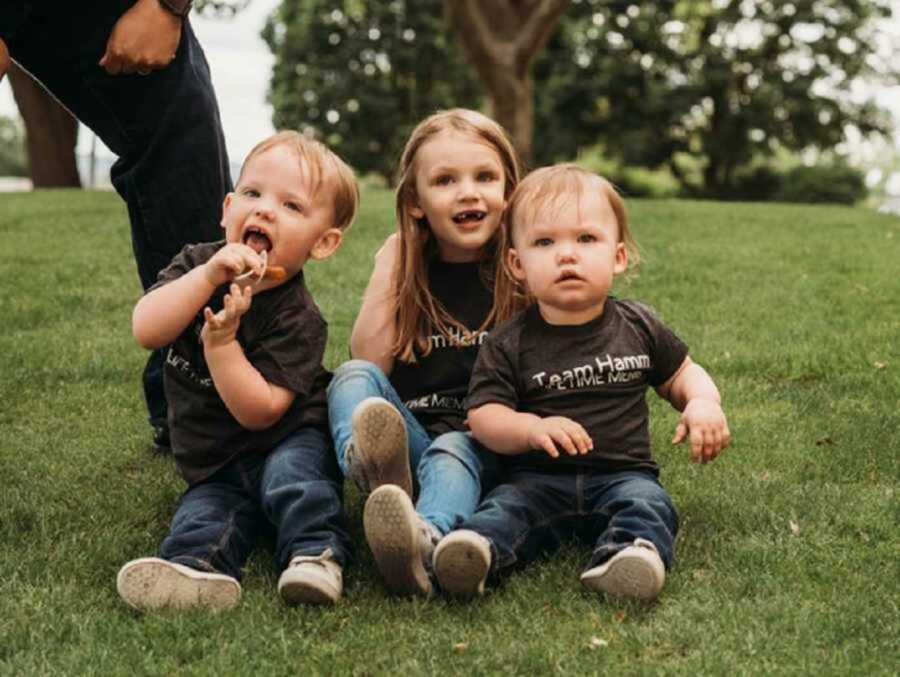
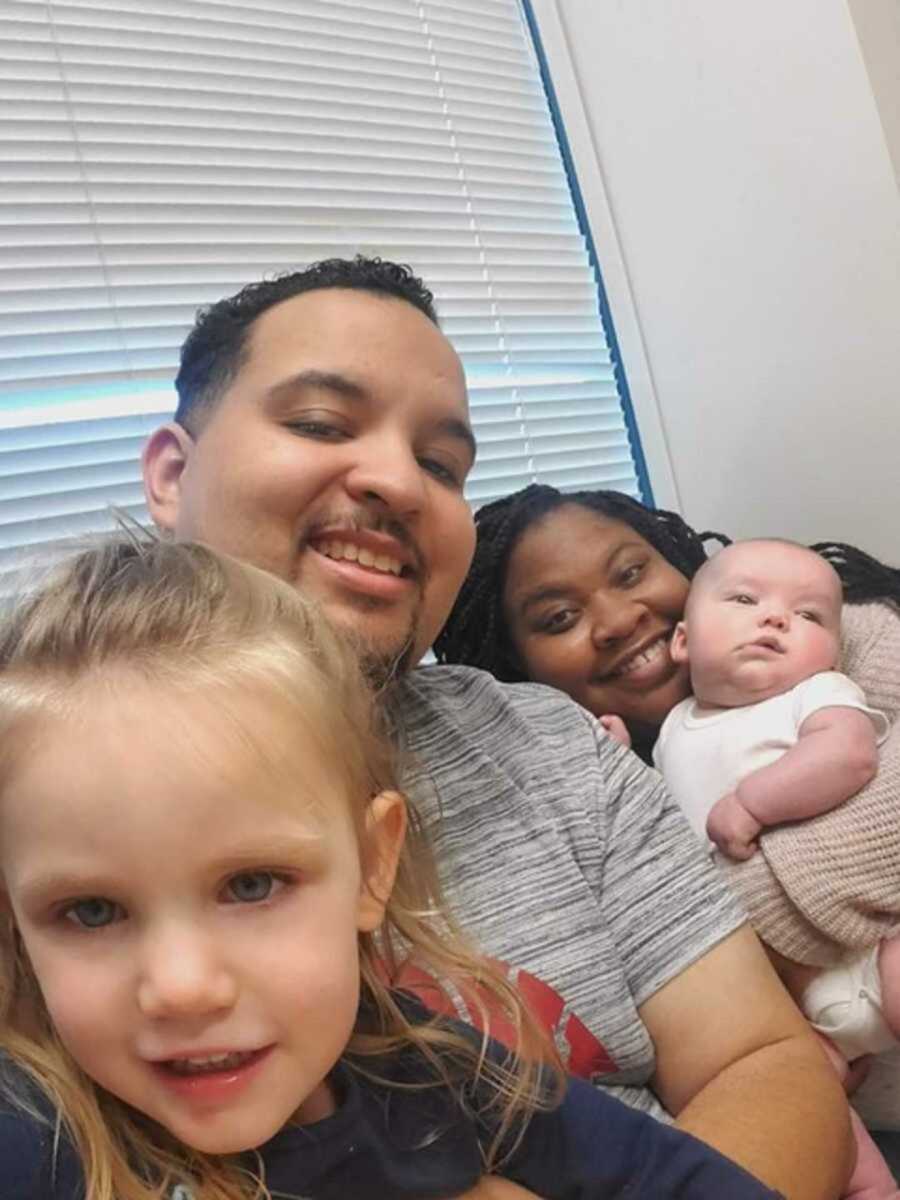
Within roughly a year and a half, the couple who had once wondered whether they would ever become parents were raising three children younger than 2.
Samuel and Judah were separated in age by only 10 months and 15 days.
Adoption Came in Two Emotional Courtroom Days
Tierra and Patrick continued fostering while the children’s cases moved forward.
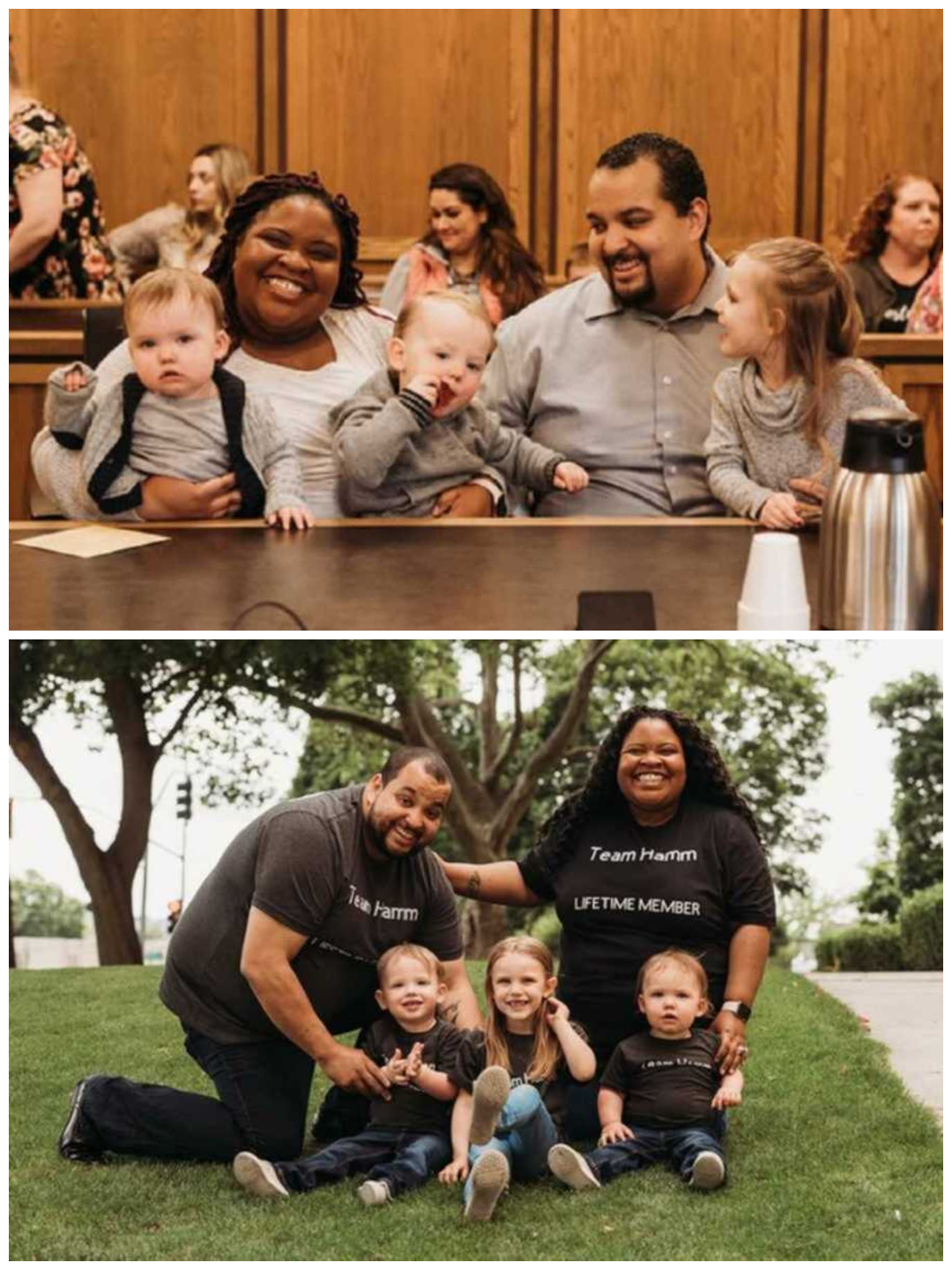
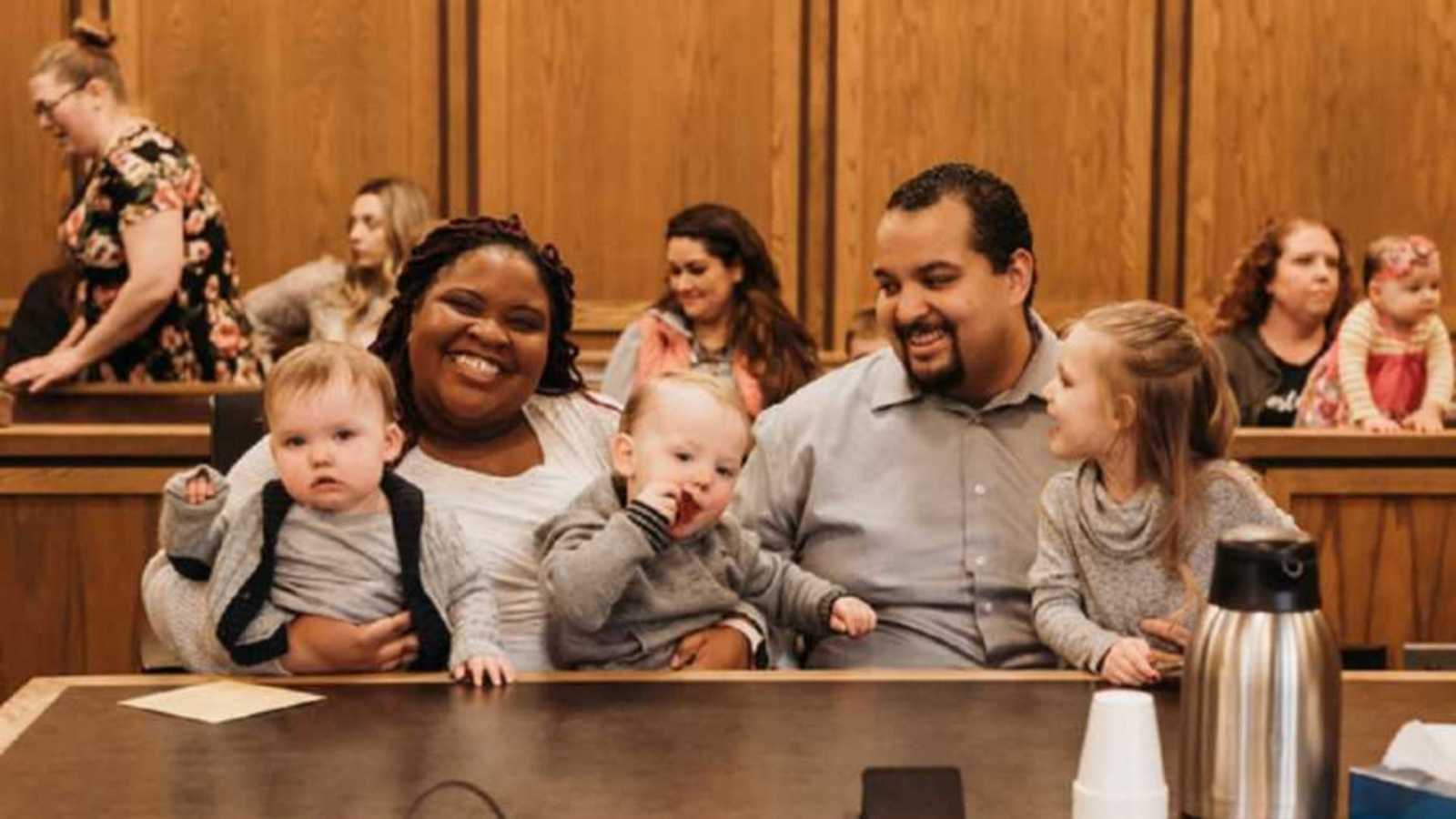
On Jan. 31, 2020, Felicity and Samuel officially became their children through adoption.
The couple had hoped to adopt all three children together and delayed as long as they could, but the timing of the individual cases made that impossible.
Five months later, on July 2, Judah’s adoption became official as well.
Tierra had entered adulthood imagining that motherhood would happen through pregnancy.
Instead, after failed fertility treatment and years of uncertainty, she became the mother of three children through foster care.
Her first three foster placements had become her permanent family.
Their Family Does Not ‘Match’ — and They Know Love Is Only Part of the Work
Tierra has been open about the fact that her family is transracial.
The differences in their skin colors are visible, and strangers sometimes stare, particularly when the children call Tierra and Patrick Mommy and Daddy in public.
But Tierra does not pretend those differences should simply be ignored.
As the children grow older, she and Patrick have increasingly discussed race and skin color with them. She recognizes that understanding racial identity will be an important part of raising adopted children whose backgrounds do not fully mirror their parents’.
Their experience also taught them that adoption involves more than the joyful moment when a judge makes a family legally permanent.
There are biological parents whose losses exist alongside an adoptive family’s happiness.
There are children who experienced separation before they were old enough to explain it.
And there are questions about identity that will become more complex as the children grow.
Tierra remains grateful for the relationships she has maintained with the children’s biological mothers and speaks of their decisions with appreciation rather than treating adoption as a simple story of one family replacing another.
When Tierra and Patrick first entered foster care, adoption was not supposed to be the objective.
They planned to give children a home for however long those children needed them.
Felicity, Samuel and Judah simply never left.
Years earlier, Tierra had stared at negative pregnancy tests and wondered whether she would ever hear anyone call her Mom.
Then came one missed phone call, one frightened 15-month-old girl, one premature newborn and one baby brother they fought to keep beside him.
The family they eventually built looked nothing like the one they had once imagined.
To Tierra and Patrick, that no longer matters.
Families, they learned, do not have to look alike to belong to one another.