Born Without a Uterus, She Spent Years Feeling ‘Less Like a Woman’ — Now She’s Challenging the Comment That Hurt Most
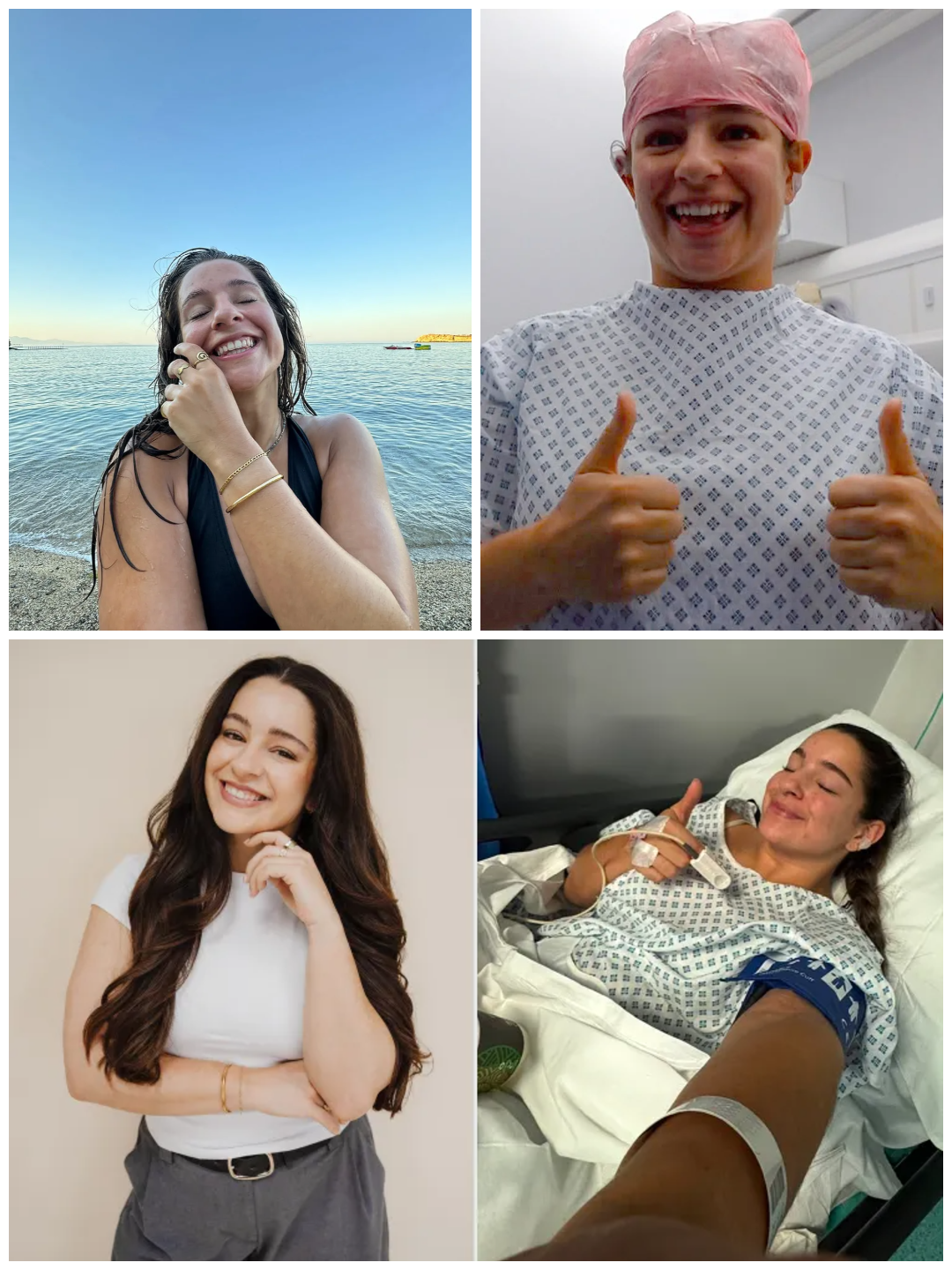
When Betty Mukherjee tells people she has never had a period, the response can sound almost playful.
Some tell her she is lucky.
At 28, Mukherjee understands why someone who has spent years dealing with cramps, bleeding and monthly discomfort might see it that way.
But for her, never having a period was never a convenient escape from something unpleasant.
It was one of the first visible reminders that her body was fundamentally different from those of the girls around her—and that the future she had always imagined might not happen in the way she expected.
Mukherjee, from Yorkshire, England, was 16 when she learned she had Mayer-Rokitansky-Küster-Hauser syndrome, or MRKH, a congenital condition in which the uterus and upper portion of the vagina are absent or underdeveloped.
She was also born with only one kidney.
The diagnosis changed far more than her understanding of her anatomy. For years, it shaped the way she thought about femininity, motherhood and whether she truly belonged in conversations other young women seemed to enter effortlessly.
Now, after more than a decade of keeping much of that pain private, Mukherjee is speaking openly about what living with MRKH actually feels like.
At 16, Her Future Suddenly Looked Different
Mukherjee had grown up assuming she would eventually have children.
She had no reason to imagine otherwise.
Then, during her teenage years, she received information that forced her to reconsider that future before she had even reached adulthood.
MRKH meant she did not have a uterus.
Although her ovaries developed normally, she would not be able to carry a pregnancy herself.
The medical reality was difficult enough.
But the emotional consequences were harder for Mukherjee to explain.
While other teenagers discussed periods, cycles and the changes happening to their bodies, she felt as though she had been separated from an experience everyone else understood instinctively.
She did not simply feel different physically.
She began to question what that difference meant about who she was.
For years, the diagnosis became something she was deeply ashamed of.
Rather than talking openly about it, Mukherjee hid it.
She tried to become versions of herself that would fit in more easily—the person who did not need to explain an unusual condition, the girl whose body worked the way everyone expected it to, the woman whose future looked conventional.
The secrecy only made the isolation stronger.
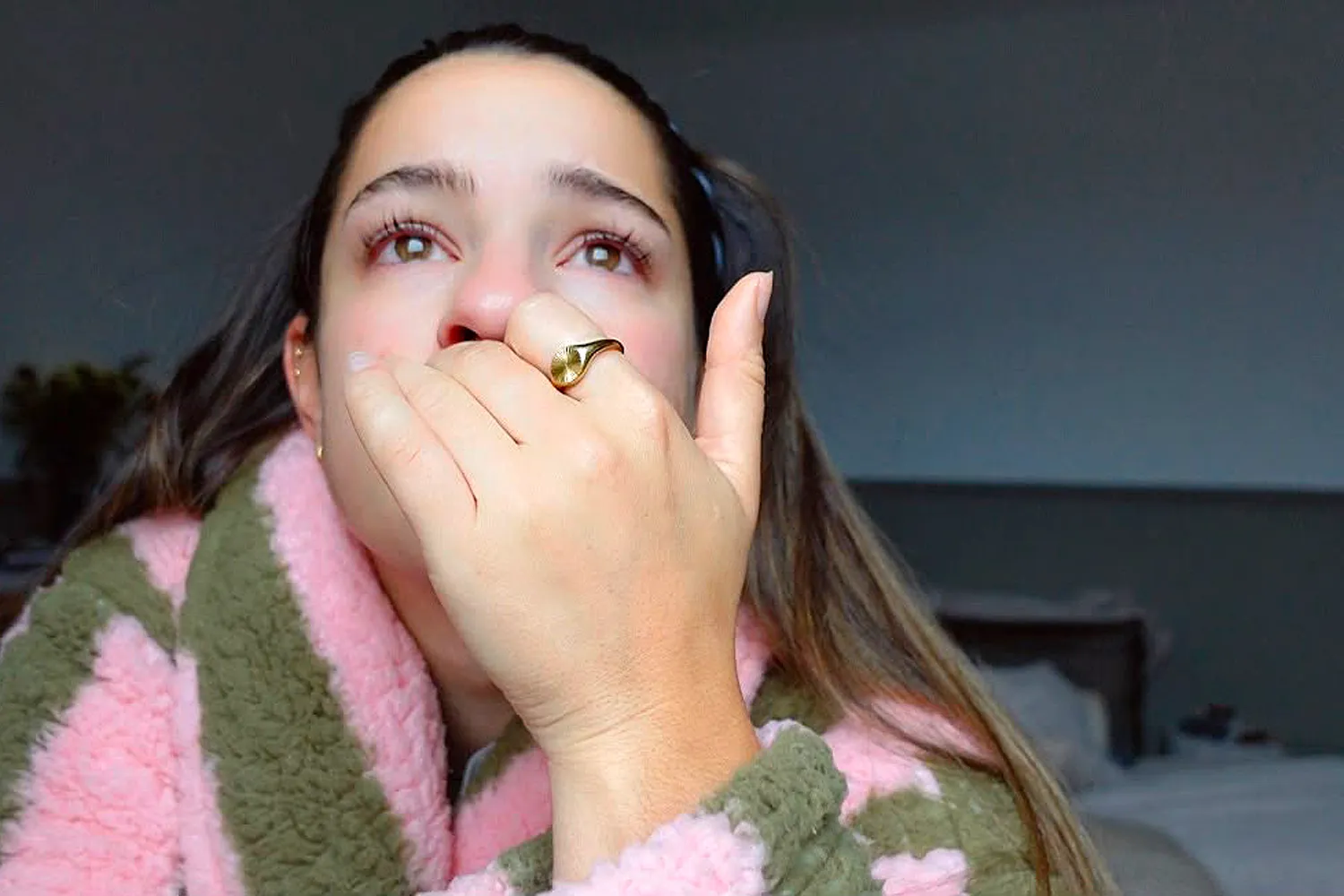
Period Conversations Became a Quiet Reminder
To many women, conversations about menstruation are ordinary.
Friends complain about cramps. Advertisements discuss pads and tampons. People joke about mood changes or inconvenient timing.
Mukherjee was surrounded by those conversations but could not participate in them from personal experience.
She remembers sitting with friends while they compared symptoms and talked about their periods, silently aware that her body operated differently.
The feeling was not always dramatic.
That was part of what made it so difficult.
There was no single moment that explained the loneliness. Instead, it was repeated in small ways over and over again.
Each conversation could become another reminder that she was outside an experience often treated as universal to womanhood.
That is why hearing people describe her as “lucky” for never menstruating can be painful.
The comment focuses on the inconvenience she avoided while missing everything her absence of periods represents.
For Mukherjee, it was never simply about not buying menstrual products or avoiding cramps.
It was connected to infertility, identity and years of wondering whether something essential to being a woman had been taken from her.
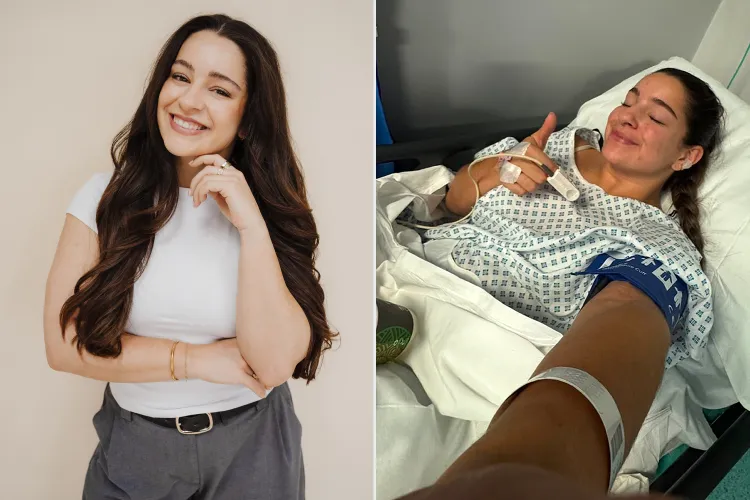
Travel Became an Unexpected Escape
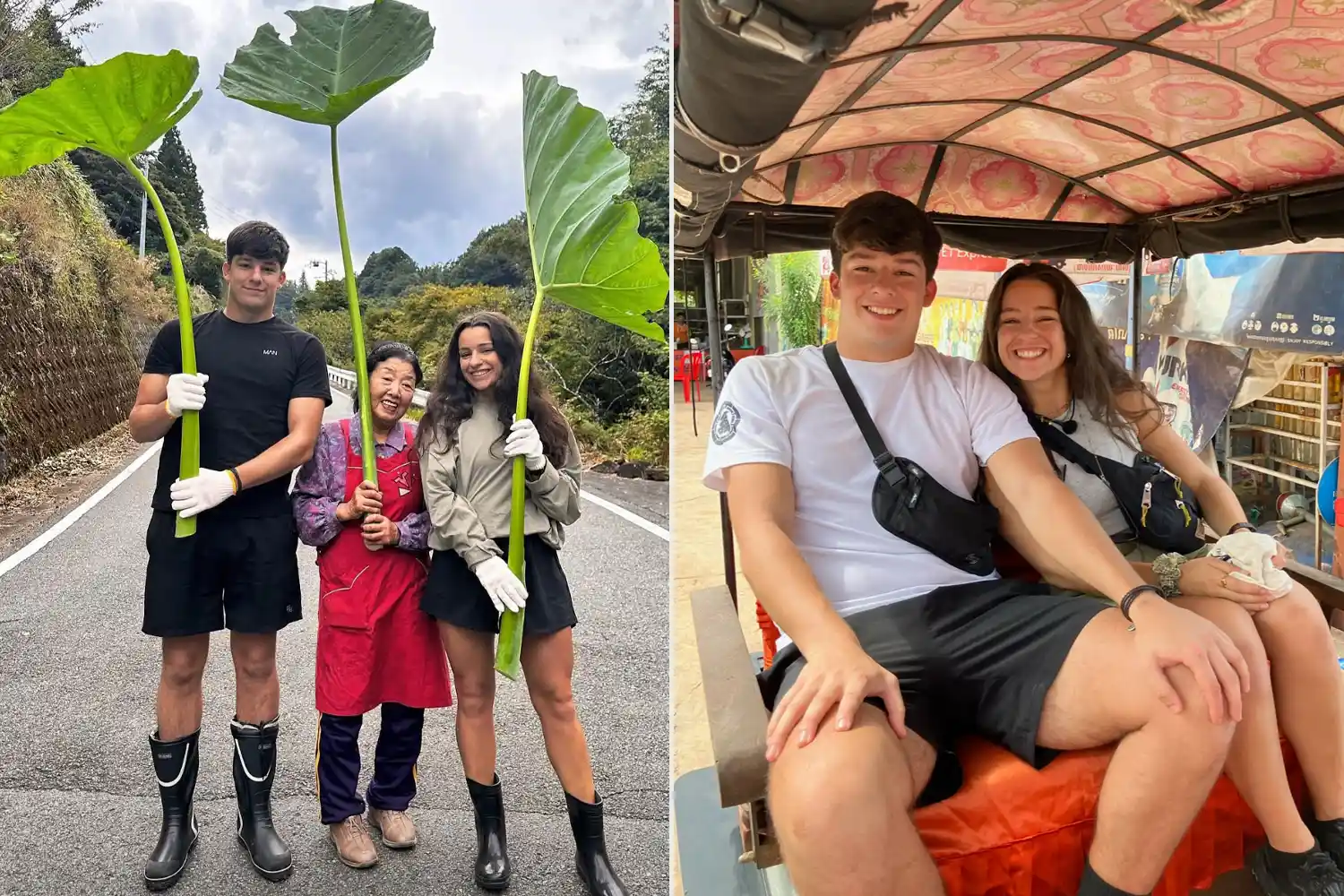
Mukherjee eventually discovered one place where MRKH did not seem to define her so strongly: traveling.
Away from home and the identity she had built around her diagnosis, she could briefly become whoever she wanted.
Nobody knew her history unless she chose to tell them.
She did not have to think of herself as the woman with MRKH.
Solo travel became particularly important.
What began as an interest gradually became something closer to emotional freedom.
Travel gave Mukherjee space to understand that her diagnosis was part of her life but did not have to consume her entire identity.
That growing confidence eventually pushed her toward a much more public challenge.
A Television Show Changed How She Talked About MRKH
In 2024, Mukherjee appeared on the fourth season of the British competition series Race Across the World with her brother.
The experience became a turning point.
For years, she had gone to considerable lengths to keep MRKH private.
Now she began talking about it publicly.
The response surprised her.
Instead of the rejection or judgment she had feared, Mukherjee began receiving messages from women who recognized parts of their own experiences in hers.
Some lived with MRKH themselves.
Others simply understood what it meant to feel excluded by narrow expectations surrounding fertility and womanhood.
Speaking openly changed Mukherjee’s relationship with the condition.
The secret she had once viewed as the most shameful part of herself became something that could help another person feel less alone.
She realized that giving the diagnosis a voice also reduced some of the power it had held over her.
She Turned the Experience Into Advocacy
Mukherjee has since continued using her public platform to discuss MRKH and women’s health.
Her advocacy has extended beyond social media conversations. She has also spoken with people involved in shaping policies surrounding women’s health.
Part of her message centers on language.
She wants people to understand that seemingly harmless comments about being fortunate to avoid periods may carry unexpected emotional weight.
They can erase the grief connected to infertility or the sense of exclusion someone has spent years trying to understand.
Mukherjee also hopes to expand the way people define womanhood.
For much of her teenage years and early adulthood, she felt surrounded by messages that connected being a woman with menstruation, pregnancy and reproductive biology.
Because her body did not fit that pattern, she often felt as though she did not fully belong.
She no longer accepts that definition.
Womanhood, in her view, cannot be reduced to whether someone bleeds each month, has a uterus or can carry a pregnancy.
Motherhood Is Still Part of Her Future
One of the hardest parts of Mukherjee’s diagnosis at 16 was believing that her dream of motherhood had disappeared.
With time, she learned that the dream had changed rather than vanished.
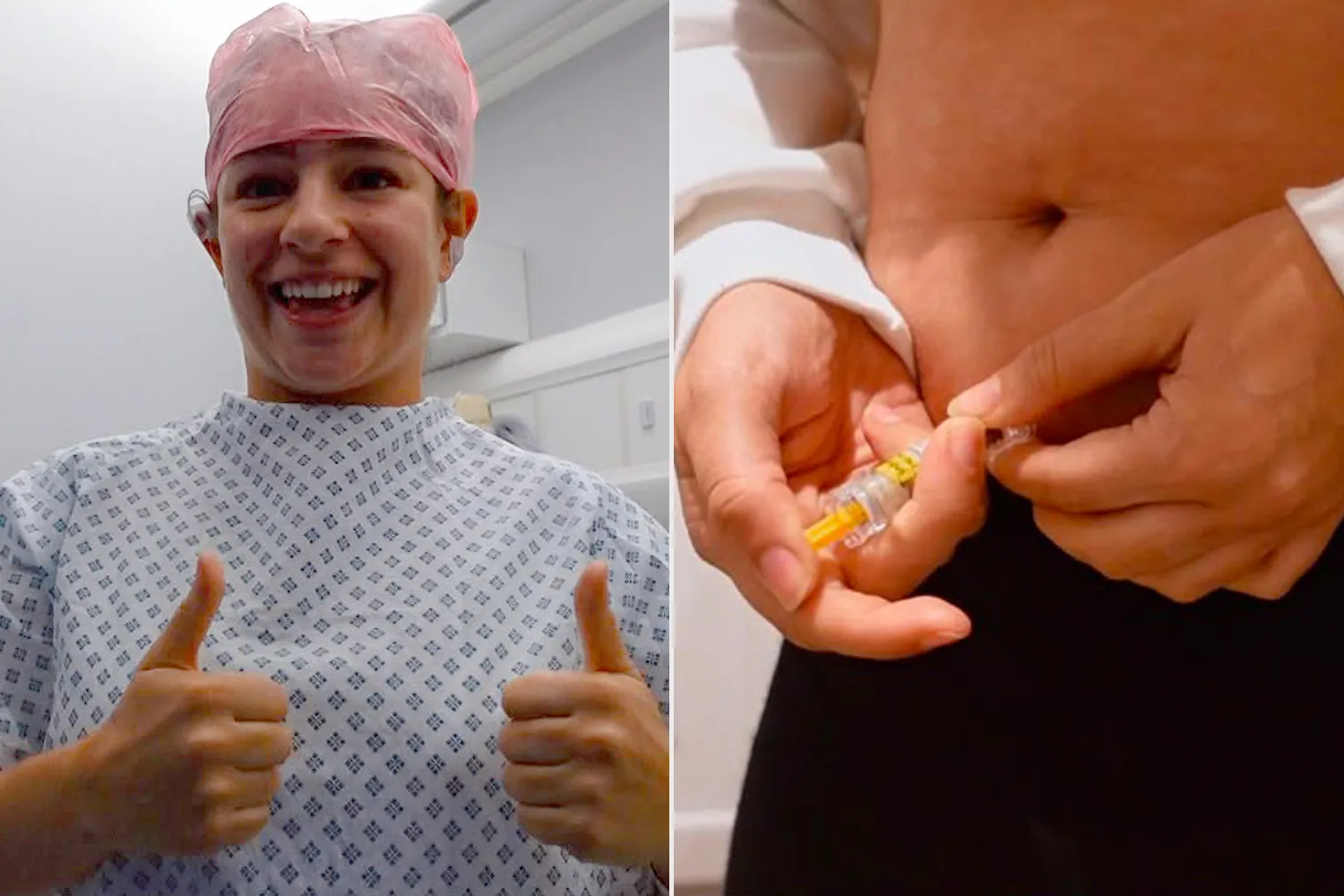
Since 2025, Mukherjee has undergone two rounds of IVF.
She now has six healthy embryos that have been genetically tested and frozen.
Those embryos give her potential paths toward becoming a mother in the future.
One possibility is surrogacy.
Another could be a uterus transplant.
Neither option represents the simple reproductive journey Mukherjee once assumed she would have.
But reaching the point where she could see those possibilities mattered deeply.
Acceptance did not mean pretending she had never grieved the pregnancy experience she cannot naturally have.
It meant recognizing that one particular path to motherhood is not the only one.

The Thing She Once Hid Became Her Purpose
Mukherjee’s perspective today is dramatically different from that of the 16-year-old who first received the diagnosis.
Back then, MRKH felt isolating enough that she desperately wanted to keep it secret.
Now she deliberately discusses it in public.
She does so partly for younger women who may be experiencing the same frightening realization she once faced: that their body is different and the future they imagined may have to change.
Mukherjee wants them to know that difference does not make them incomplete.
The message extends beyond MRKH.
She believes women are too often measured by what their bodies can produce—periods, pregnancies, children—rather than by the full lives they build.
Her own definition of womanhood now centers instead on love, care, strength and the freedom to understand oneself beyond biological expectations.
That change took years.
It required grief, secrecy, travel, vulnerability and eventually the courage to say publicly what she had spent so long trying to hide.
Mukherjee still has never experienced a period.
But when someone now suggests that makes her lucky, she understands exactly why the comment feels incomplete.
They are seeing the thing she did not have to endure.
She remembers everything she had to learn to accept because of why it never came.
Source: https://people.com/woman-with-mrkh-combats-idea-that-she-is-lucky-to-not-get-her-period-exclusive-12032192