Dolly Parton and Carl Dean Built a 23-Room Home — Not to Show Off, but to Escape a Growing Problem
By the early 1970s, Dolly Parton’s life was changing fast.
Her songs were reaching more people.
Her face was becoming more recognizable.
Her career was moving beyond the country music circles where she had first made her name.
And with that success came a problem Dolly and her husband, Carl Dean, had never really planned for.
People were beginning to find them.
Fans showed up.
Tour buses started passing through areas connected to Dolly.
Privacy became harder to protect.
So in 1972, Dolly and Carl made a decision that looked extravagant from the outside but served a very practical purpose.
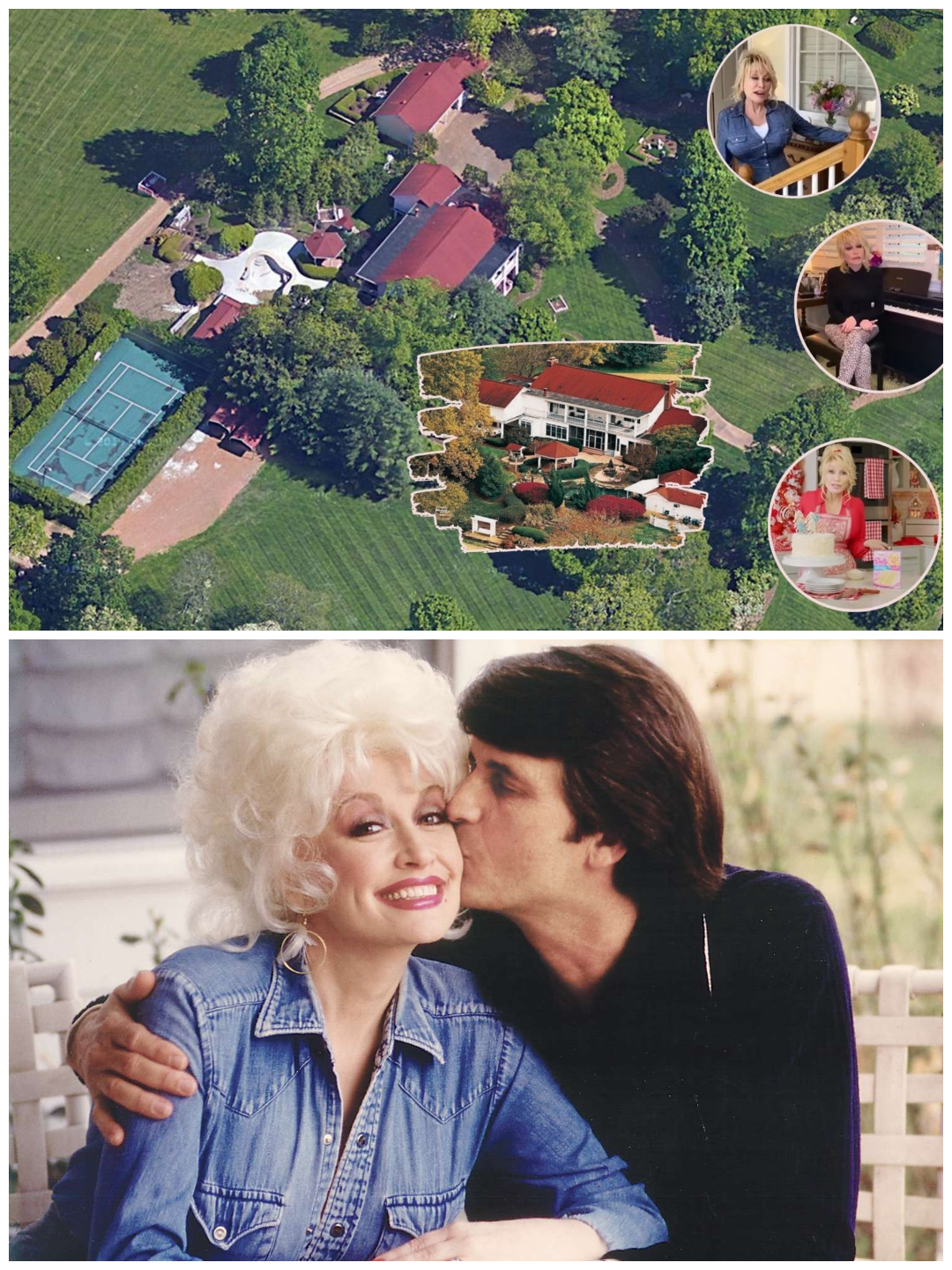
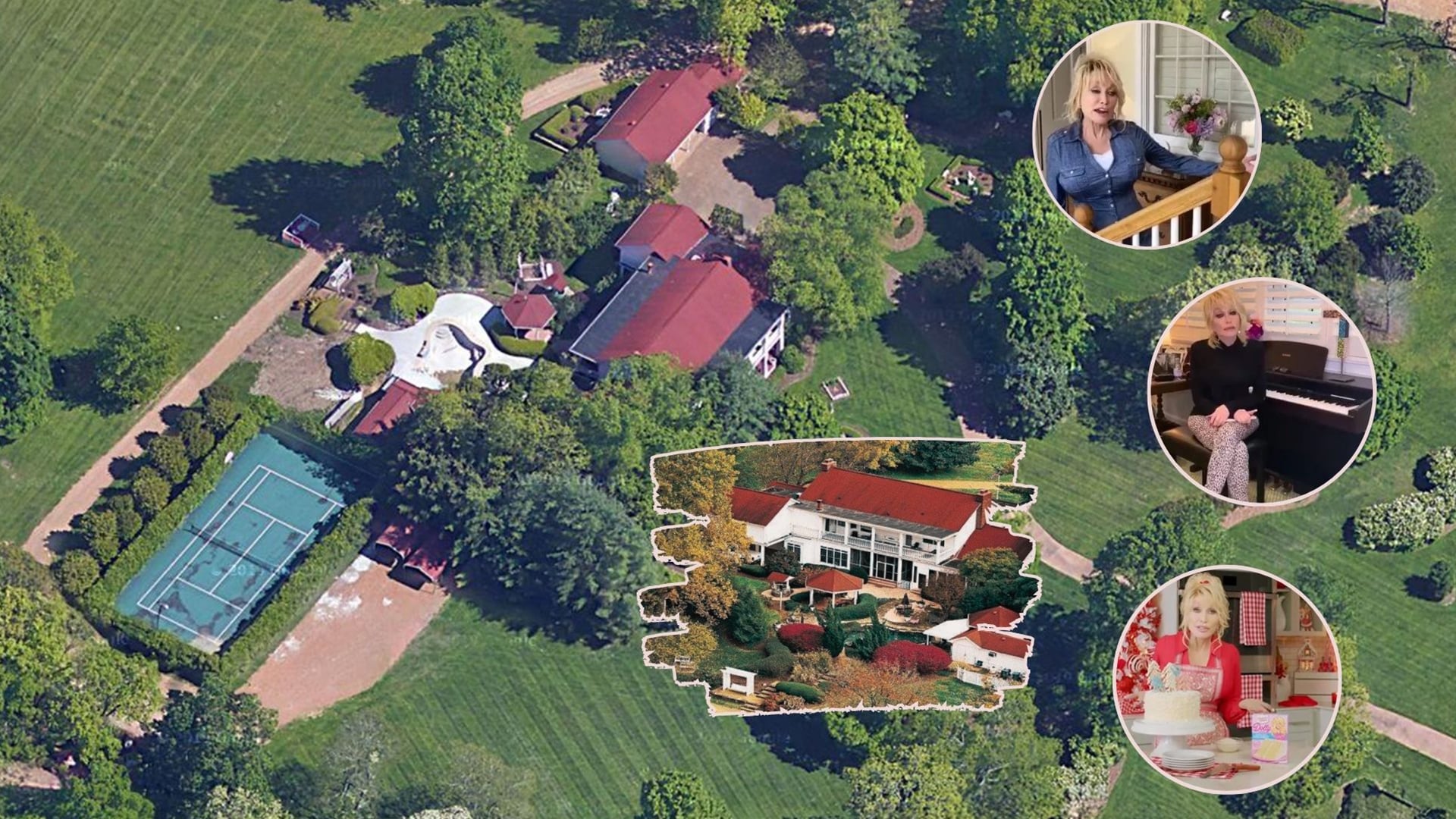
They bought roughly 75 acres in Brentwood, Tennessee, and began creating a private retreat known as Willow Lake Plantation.
The property eventually included a sprawling 23-room home.
To outsiders, it could easily look like the obvious next step for a rising superstar: more money, more land, a bigger house.
But the scale of the property was not only about luxury.
Dolly and Carl wanted distance.
They wanted enough land between their front door and the outside world to make it harder for fame to follow them all the way home.
Fame Was Becoming Difficult to Leave at Work
Dolly had always been unusually comfortable with attention when she was performing.
The huge hair.
The rhinestones.
The high heels.
The bright clothes.
She deliberately built a look designed to make people notice her.
But Carl was almost the opposite.
He valued privacy and preferred to stay largely outside the entertainment world surrounding his wife.
That difference became one of the defining characteristics of their marriage.
Dolly could perform for thousands of people and then return to a husband who had little interest in living like a celebrity.
For that arrangement to work, however, they needed somewhere that still felt private.
As Dolly became more famous, that became increasingly difficult.
Fans did not always understand where the public version of Dolly ended and her private life began.
Some wanted to see where she lived.
Some wanted a glimpse of Carl.
And organized tours could turn places associated with celebrities into attractions of their own.
For a couple who did not want their home treated like another stop on the Dolly Parton tour, the answer was land.
A lot of it.
Why 75 Acres Made Sense
Seventy-five acres is more than most families could ever imagine needing around a house.
But for Dolly and Carl, acreage created something more valuable than a bigger yard.
It created a buffer.
The farther the public was from the house, the more difficult it became to casually wander close to their private life.
A long driveway and surrounding land could do what curtains and fences alone could not.
They could separate the world of Dolly Parton the entertainer from Dolly and Carl at home.
That distinction mattered more as her career grew.
The house itself may have contained 23 rooms, but the real luxury was probably what existed outside them:
space.
Quiet.
Control.
They Helped Build It Themselves
Another part of the story makes Willow Lake Plantation feel less like a conventional celebrity mansion.
Dolly and Carl were not simply handed the keys to a finished showplace.
They were involved in creating it.
Family members also helped with the work.
That detail fits the way Dolly often talked about her background.
She came from a family where building, fixing and making do with what was available were ordinary parts of life.
Becoming wealthy did not completely erase that instinct.
So even as Dolly’s success allowed her to create a much larger home than anything she had known growing up, the project still carried a hands-on family element.
It was not just an investment.
They were making their own place.
Carl’s Need for Privacy Was Real
For decades, people sometimes assumed Carl Dean’s absence from Dolly’s public life meant there was something mysterious about their marriage.
But Dolly repeatedly explained that Carl simply did not want fame.
He had married Dolly before she became an international icon.
He did not marry an entertainment industry.
That distinction remained important as her celebrity exploded.
He rarely appeared at major public events.
He did not build a separate career around being “Mr. Dolly Parton.”
He generally avoided interviews and cameras.
That made their home even more important.
Dolly had countless places where she belonged to the public.
Carl needed at least one place where she could still simply belong to him and the family.
Willow Lake Plantation helped provide that.
The House Became a Sanctuary, Not a Showpiece
Some celebrity homes eventually become part of the celebrity brand.
Photographers are invited in.
Interior spreads appear in magazines.
Rooms become part of television specials.
The property itself becomes content.
Willow Lake Plantation functioned differently.
Dolly and Carl held onto it as a private sanctuary for more than half a century.
That longevity is revealing.
If the house had simply been a trophy of early success, they could have sold it when Dolly became even richer.
They could have moved into something newer.
They could have traded up repeatedly as her career expanded.
Instead, they kept returning to the same place.
That suggests the value of the property was emotional as much as financial.
It gave them continuity.
The world around Dolly kept changing.
The house remained home.
It Solved a Problem Dolly Could Never Fully Escape
Buying 75 acres could not eliminate celebrity.
Fans still recognized Dolly.
Her fame only became greater over the following decades.
Eventually she became one of the most recognizable entertainers in America.
But land could at least create boundaries.
That is the hidden logic behind the size of the property.
Dolly and Carl were not only asking, “How much house can we afford?”
They were asking something more practical:
“How far away can we keep the outside world?”
That is a very different reason to buy land.
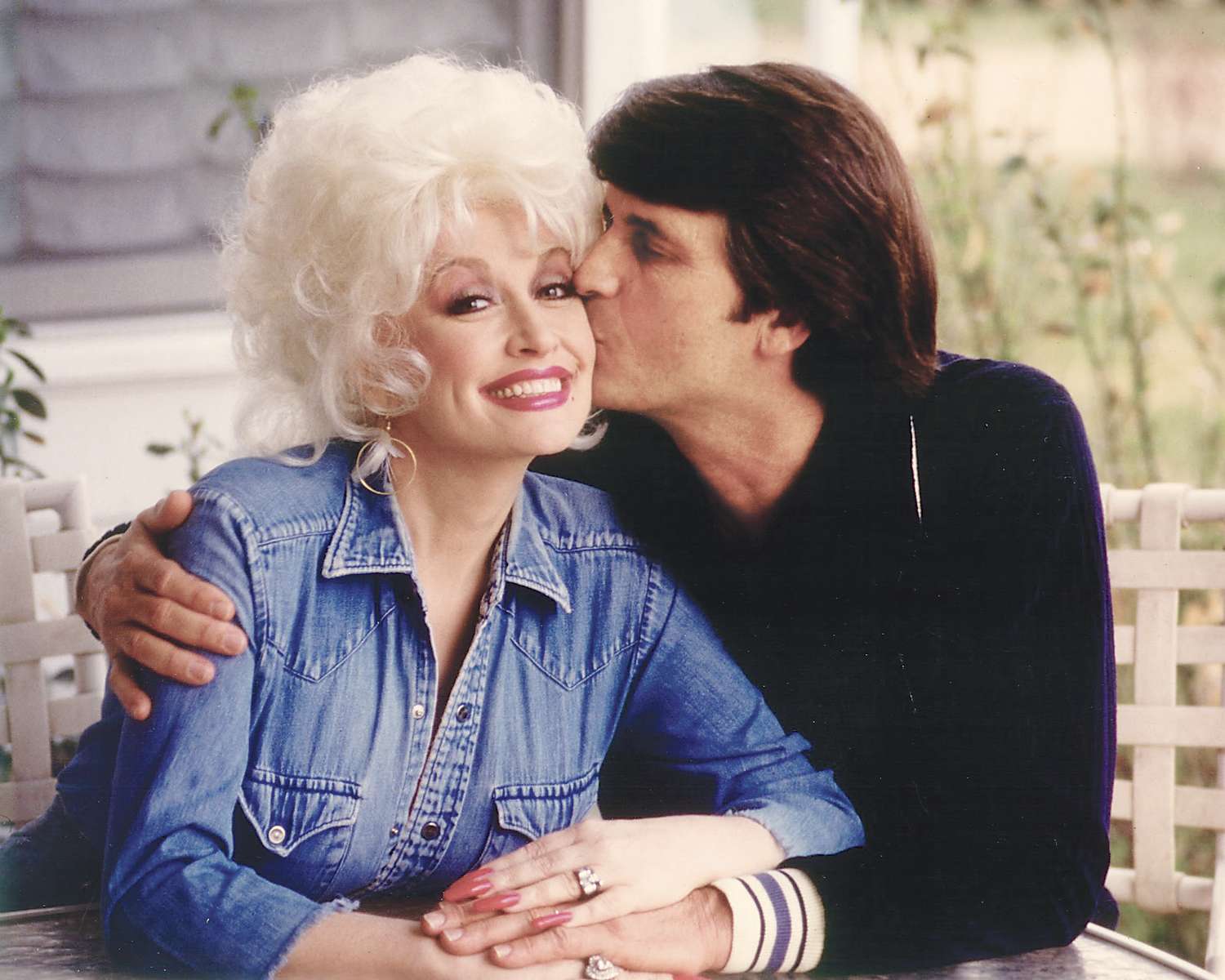
A Giant House for a Very Private Marriage
The contrast at the center of the story is what makes it so interesting.
Dolly Parton was one of the least visually subtle people in entertainment.
Her public image was designed to be noticed from across a room.
Her private marriage was designed almost the opposite way.
Quiet.
Protected.
Away from cameras.
The 23-room house sat right between those two worlds.
It was undeniably large.
It was evidence that Dolly’s career had created serious wealth.
But it also served the needs of a couple who wanted something increasingly rare:
the ability to close the door.
More Than 50 Years Later, the Reason Makes Sense
Looking back, 75 acres may seem excessive until you consider what Dolly’s fame eventually became.
People wanted to know everything.
Where she lived.
What Carl looked like.
How they spent their time.
What their marriage was really like.
The more famous she became, the more valuable anonymity became.
Willow Lake Plantation offered something money alone could not automatically guarantee.
Privacy had to be designed into the property.
That is why the acreage mattered.
Why the distance mattered.
Why a private sanctuary became so important.
From the outside, Dolly Parton and Carl Dean built a 23-room home on 75 acres because they had become wealthy enough to do it.
From the inside, the reason was much more human.
They needed room between themselves and everybody else.
And for more than 50 years, that land helped give one of the most public women in America a place where she could still disappear.