Hayden Panettiere Told Jay Shetty Their Conversation Helped Her Heal Months Before Her Death

Months before Hayden Panettiere’s death at 36, she walked away from a deeply personal podcast conversation feeling that something important had happened.
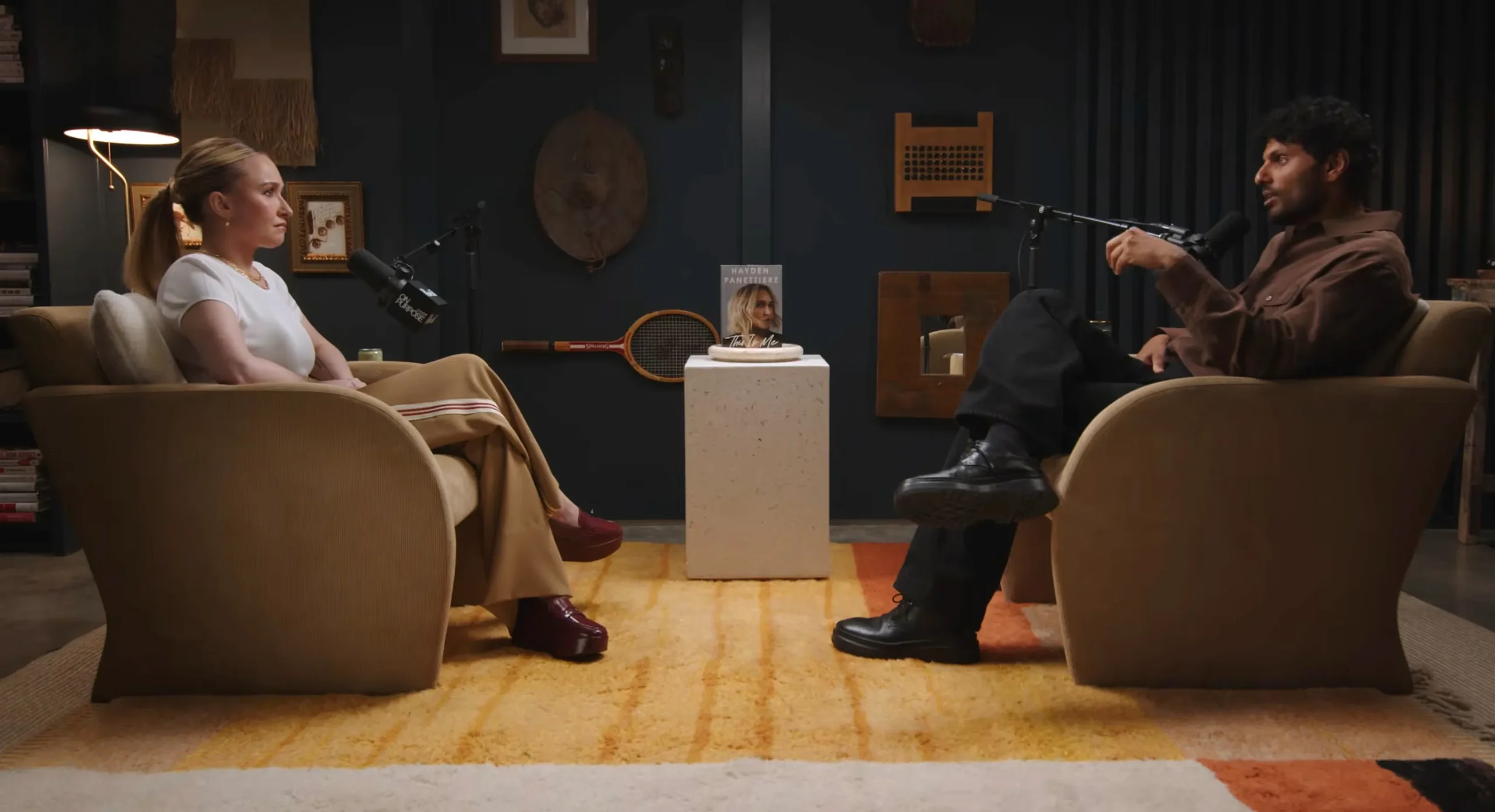
After sitting down with Jay Shetty for his On Purpose podcast in May, Panettiere told him the experience had been “truly healing.” She also gave the host a description of their new connection that stayed with him: Shetty had become like a big brother to her, she said, and their conversation had helped her find the courage to speak openly.
Following Panettiere’s death on Sunday, Aug. 16, Shetty returned to those words as he mourned a woman he had known only briefly but whose vulnerability had left a lasting impression.
In a tribute shared Tuesday, Aug. 18, the 38-year-old podcast host said he had been devastated since learning the news.
He remembered Panettiere not for the fame she had accumulated since childhood, but for the strength she showed while discussing some of the hardest chapters of her life.
“You were courageous, resilient,” Shetty wrote, telling her that she had remained extraordinarily strong through experiences she should never have had to endure.
A Conversation That Became More Meaningful After Her Death
Panettiere appeared on the May 11 episode of On Purpose, shortly before the publication of her memoir, This Is Me: A Reckoning.
The interview was not a light promotional appearance.
Instead, the Heroes and Nashville actress spoke at length about painful experiences, trust, betrayal and the complicated life behind a career that had begun when she was still a baby.
It was after the cameras and microphones stopped that Panettiere told Shetty how much the conversation had meant to her.
According to Shetty, she said the interview had helped her heal. She also told him that she now viewed him as a big brother and credited him with helping her feel brave enough to have the conversation.
After her death, Shetty rejected the idea that he deserved the credit.
“But Hayden, you were the brave one,” he wrote.
For him, the courage belonged to the woman who had chosen to tell the stories.

Hayden Spoke About a Devastating Betrayal of Trust
Among the most difficult experiences Panettiere discussed on the podcast was something she said happened when she was 18.
She described trusting someone deeply, only to have that person lead her into a room on a boat and place her in a bed beside an undressed, highly famous man.
The emotional wound she emphasized was betrayal.
Panettiere explained that finding someone she truly trusted was meaningful enough that she wanted to hold onto that connection tightly. Discovering that the trust had been misplaced, she said, was an awful experience.
The story was one example of the kind of material Panettiere had begun revisiting publicly during the months surrounding the release of her memoir.
Rather than presenting a polished version of celebrity life, she was talking about what had happened behind the scenes — and how those experiences continued to affect her years later.
That openness was what Shetty focused on in his tribute.
He told Panettiere that her vulnerability had moved people and that she had helped others by being willing to speak so candidly.

Her Final Months Included Several Deeply Personal Interviews
The podcast conversation was not the only time Panettiere spoke openly in the months before her death.
As she promoted This Is Me: A Reckoning, several interviews became unusually personal reflections on the life she had lived.
Gayle King revisited her own May conversation with Panettiere after the actress died. Speaking on CBS Mornings on Aug. 17, King recalled that the interview had been difficult and said Panettiere appeared to still be struggling at the time.
Panettiere also sat down with Tamron Hall in May.
Following her death, The Tamron Hall Show shared footage from that appearance, remembering the actress’s willingness to discuss addiction, motherhood, rebuilding her life and learning to practice what the program described as radical acceptance.
Hall said Panettiere had trusted her with a deeply personal conversation and expressed gratitude for that honesty.
Seen together, those appearances now form a poignant record of Panettiere’s final months.
She was not simply promoting a book.
She was revisiting experiences she had carried for years and trying to put words around subjects that had shaped her adulthood.
A Friend Revealed One of Her Final Messages
Another glimpse of Panettiere’s state of mind emerged after her death through Nashville musician Clayton Johnson.
Johnson, a friend of the actress, shared that the two had last spoken by phone a couple of weeks before she died.
He also revealed the final text message he received from her.
Panettiere wrote that although people might think asking for world peace sounded like a joke, that was genuinely what she would wish for.
Johnson said the message captured her personality perfectly.
It was a strikingly simple sentiment from someone whose public life had become increasingly focused on complicated subjects.
Her interviews had dealt with pain, betrayal, addiction, motherhood and rebuilding.
Yet one of the last thoughts a friend remembered receiving from her was a wish for peace.

Shetty Remembered the Person Behind the Revelations
Panettiere died in South Carolina on Aug. 16 at age 36. At the time of Shetty’s tribute, an official cause of death had not been released.
His message did not attempt to explain what had happened.
Instead, it centered on what Panettiere had given during their brief time together.
Shetty said he had spent the day after learning of her death thinking about both her legacy and the sense of loss surrounding it. He remembered the actress telling him that their conversation had helped her, but his tribute ultimately turned that gratitude back toward her.
She had been the one willing to speak.
She had been the one willing to revisit painful memories.
And, he wrote, she had been the one whose honesty had reached people who may have recognized parts of themselves in her story.
Shetty ended by extending his thoughts and prayers to Panettiere’s daughter, family, friends and fans.
The podcast episode had originally arrived as one stop in a memoir promotion tour. Months later, it carries another significance.
It preserves Panettiere at a moment when she was trying to make sense of her past rather than hide it.
And the private words she gave Shetty afterward — that talking had felt healing and that he had helped her be brave — now stand as one of the final reflections on what opening up meant to her.
Shetty may have provided the space.
But in remembering her, he wanted one thing understood.
The courage had been Hayden’s.