How Can a Mother Face 2 Murder Charges While Prosecutors Are Still Waiting for the Official Cause of Death?
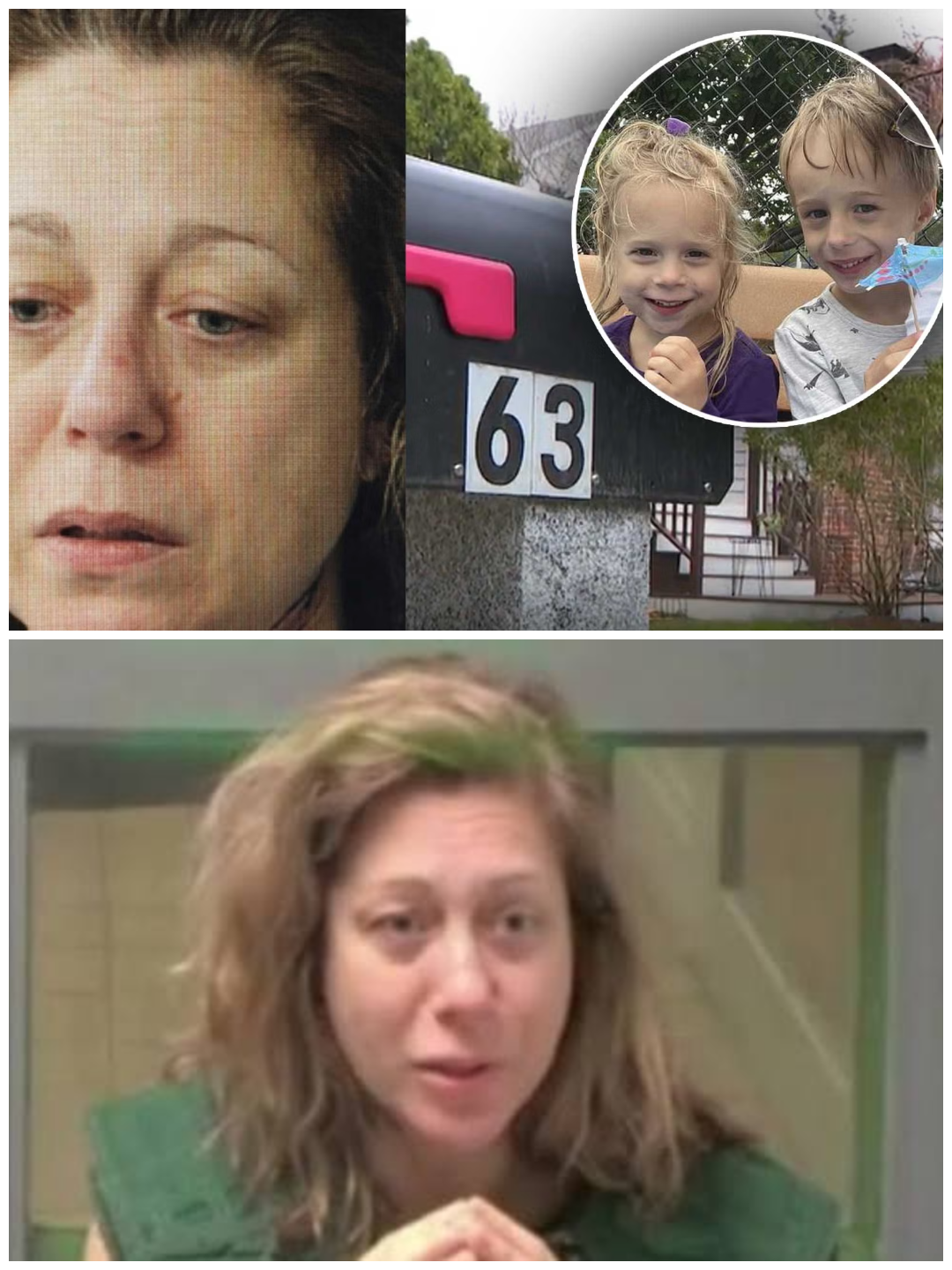
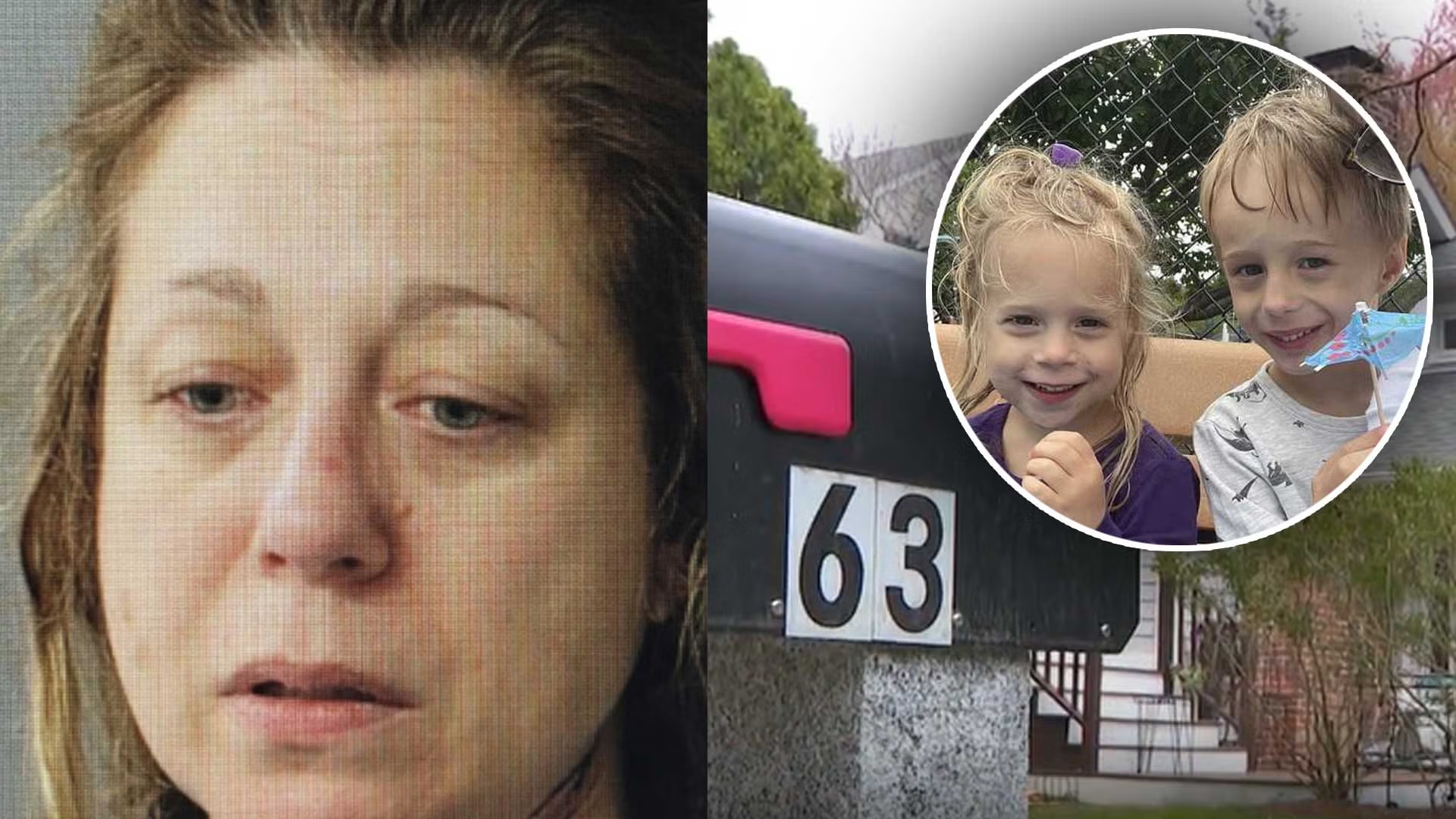
Janette MacAusland has been behind bars for months, charged with murdering her two young children inside their Massachusetts home.
But when her case returned to court on Sept. 10, prosecutors acknowledged something that immediately raised a striking legal question:
The Office of the Chief Medical Examiner still has not issued its final determination of how Kai MacAusland, 7, and Ella MacAusland, 6, died.
MacAusland’s attorney seized on that delay.
He asked the judge either to dismiss the case or, at minimum, allow his client to leave jail on reasonable bail while prosecutors continued gathering evidence.
The judge refused.
MacAusland remains held without bail on two murder charges, while the prosecution waits for the medical examiner’s findings and prepares to return to court in late October.
The unusual situation creates an obvious question:
How can someone face two murder charges when the state does not yet have the official cause and manner of death?
The answer lies in the difference between evidence needed to begin a criminal case and the evidence prosecutors will ultimately need to prove it.
Kai and Ella Were Found Inside Their Wellesley Home
The case began on April 24.
Wellesley police received a request from authorities in Vermont to conduct a welfare check at the MacAusland family home on Edgemoor Avenue.
When officers entered the residence, they found Kai and Ella dead inside. Kai was in second grade and Ella was in kindergarten at Schofield Elementary School.
Their mother was not there.
MacAusland, 49, had traveled to a relative’s home in Vermont, where authorities said she arrived highly distressed and with an injury to her neck.
A Vermont police report later alleged that MacAusland admitted killing her children and said she had intended for herself and the children to die together. She was arrested, initially held in Vermont and later waived extradition so she could be returned to Massachusetts.
Massachusetts authorities obtained a warrant charging her with two counts of murder.
She later pleaded not guilty and was ordered held without bail.
Prosecutors Still Do Not Have the Medical Examiner’s Final Answer
The Sept. 10 hearing had originally been scheduled as a probable-cause hearing.
Instead, prosecutors requested additional time.
Assistant District Attorney Jennifer Hickman told the court that the Office of the Chief Medical Examiner had not yet finalized the manner and means of the children’s deaths.
She said prosecutors expected that determination within several weeks.
The delay matters because an official autopsy conclusion can become a major piece of evidence in a homicide case.
A medical examiner may determine whether a death resulted from natural causes, accident, suicide or homicide, while also identifying the medical cause — such as strangulation, poisoning, blunt-force trauma or another mechanism.
But that report is not necessarily required before police can make an arrest or prosecutors can file an initial murder charge.
Investigators can establish probable cause using other evidence, including witness statements, physical evidence, a defendant’s alleged admissions and the circumstances in which victims were found.
In MacAusland’s case, authorities had already cited alleged statements she made in Vermont when they moved forward with the murder charges.
That does not mean prosecutors have already proven murder.
It means authorities believed they had enough evidence to accuse her and continue the case while forensic work remained underway.
Her Lawyer Says the Delay Has Gone On Too Long
Defense attorney Joseph Krowski challenged that approach directly.
At the Sept. 10 hearing, he argued that MacAusland had already spent months detained while prosecutors still lacked information necessary to move the case to its next stage.
He asked the judge to dismiss the charges or alternatively release MacAusland on what he described as reasonable bail with conditions.
The judge rejected both requests.
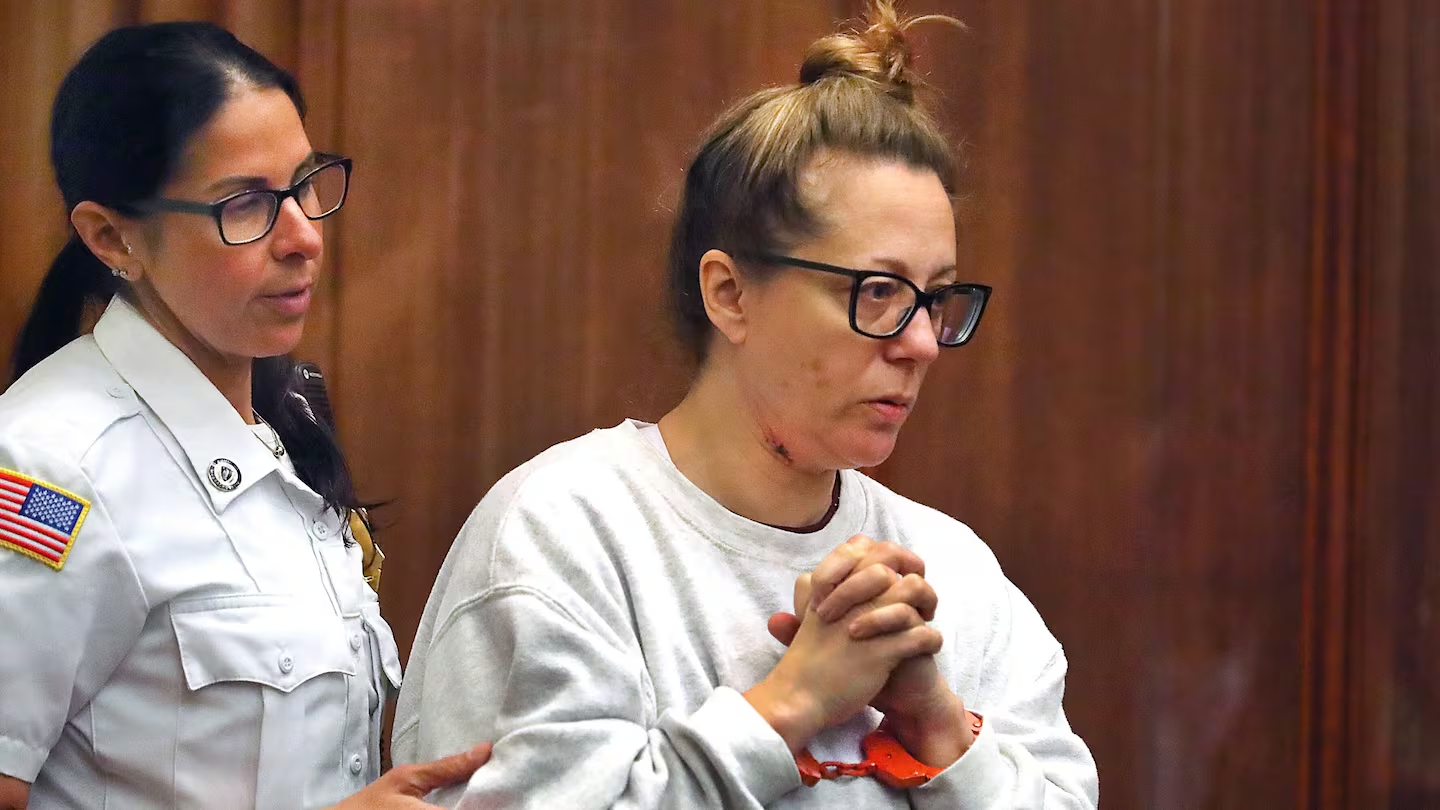
MacAusland remains jailed without bail.
The probable-cause hearing was continued until Oct. 29, giving prosecutors more time to obtain the medical examiner’s findings and develop the case.
Prosecutors have indicated they eventually hope to move the prosecution into Norfolk Superior Court.
As of the Sept. 10 hearing, MacAusland had not yet been indicted by a grand jury.
That procedural distinction matters.
The charges currently keep the case alive, but prosecutors still face additional steps before a possible murder trial.

Police Say MacAusland Allegedly Confessed
One reason the state has been able to proceed despite the missing final autopsy report is the alleged evidence surrounding MacAusland’s arrest.
According to Vermont authorities, MacAusland arrived at her aunt’s home after leaving Massachusetts and was visibly injured.
Police later alleged that she admitted killing Kai and Ella.
Court reporting has said authorities believe the children may have been strangled, though prosecutors are still awaiting the medical examiner’s official determination.
An alleged confession can be powerful evidence, but it is not automatically conclusive.
The defense can challenge what was said, how the statement was obtained, MacAusland’s mental condition at the time and whether forensic evidence supports the statement.
That is one reason the medical examiner’s conclusions may become especially important.
The state will eventually have to connect the physical evidence with its theory of what happened.
Her Mental Health Is Emerging as a Major Issue
Krowski has also begun signaling that MacAusland’s mental condition may become central to the defense.
After the Sept. 10 hearing, he referred publicly to the recently concluded Lindsay Clancy trial and urged Massachusetts prosecutors to reconsider how cases involving women with profound mental-health problems are handled.
He was also careful to say MacAusland’s case is not simply another version of Clancy’s.
“This is not Lindsay Clancy 2.0,” he told reporters, while arguing that the Clancy case had opened a larger national discussion about whether severe mental illness should always be treated primarily through criminal punishment.
That distinction is essential.
Clancy and MacAusland are different defendants, with different children, evidence, medical histories and legal circumstances.
Clancy’s trial involved extensive testimony concerning postpartum psychosis and criminal responsibility. Her case ended in a mistrial after jurors were unable to reach a unanimous verdict.
No court has ruled that MacAusland was suffering from the same condition.
Any mental-health defense in her case would need to be supported by evidence specific to her.
The Clancy Comparison Is About a Bigger Debate
The reason the two cases are increasingly being mentioned together is not because investigators claim they are connected.
They are not.
Instead, both have entered a broader Massachusetts debate about the line between severe mental illness and criminal responsibility when a parent is accused of killing children.
That debate became especially intense after Clancy’s mistrial.
Krowski appears to be asking prosecutors to consider that broader context before deciding how aggressively to pursue MacAusland’s case.
Prosecutors, however, have not indicated that they plan to dismiss or reduce the charges.
For now, they are waiting on forensic evidence.
The Next Hearing Could Clarify Much More
The next major date is Oct. 29.
By then, prosecutors have said they hope to have the medical examiner’s official findings.
Those findings could answer one of the most important unresolved questions in the case: exactly how Kai and Ella died and how the evidence aligns with the murder allegations.
Until then, the case exists in an unusual but legally possible position.
MacAusland faces two murder charges.
She has pleaded not guilty.
The state says it has evidence sufficient to keep prosecuting her.
But one of the most important pieces of forensic evidence — the official medical determination of the children’s deaths — is still pending.
That is why her lawyer is pushing so hard now.
The question is no longer simply whether prosecutors believe Janette MacAusland killed her children.
It is whether the evidence they have already collected is enough to justify keeping her jailed without bail while they wait for the medical evidence that may ultimately determine how strong their case really is.