How Could Presley Gerber Die of a Suspected Overdose While Staying at a Recovery Facility?

The death of Presley Gerber at age 27 has left one particularly difficult question hanging over the investigation: how could someone apparently suffer a fatal overdose while staying at a facility designed to support people recovering from addiction?
Gerber, the son of Cindy Crawford and Rande Gerber, died on September 20 at a recovery residence in Santa Monica, California.
Police are investigating his death as a suspected overdose after emergency dispatchers were called to the property for both an overdose and cardiac arrest.
Responding paramedics pronounced him dead at 9:45 a.m.
An autopsy has already been completed, but officials have deferred the official cause and manner of death while additional testing is conducted.
Authorities have said there is currently no indication of foul play.
The circumstances have nevertheless raised broader questions about how drugs can still reach people who are living in addiction-treatment or sober-living environments — and why a relapse after a period of abstinence can become especially dangerous.
A Recovery Residence Is Not the Same as a Locked Medical Unit
One key distinction is the type of facility where Gerber was staying.
Although medical records broadly described the location as a rehabilitation facility, the Santa Monica residence identifies itself as a mental-health recovery residence and sober-living program.
Such facilities are generally intended to help residents transition from more intensive treatment toward independent living.
They may provide structure, supervision, counseling support, community expectations and staff on site around the clock.
But they are not necessarily secure detox units where residents are continuously medically monitored or physically prevented from leaving.
That distinction matters.
People living in sober residences often retain a degree of independence as part of the recovery process. Depending on the individual program, residents may attend appointments, participate in outside activities or gradually resume normal daily routines.
That can create opportunities for relapse even when a facility has rules prohibiting drugs.
Drugs Can Still Enter Treatment Environments
Addiction specialists say overdoses inside recovery settings are not impossible.
Residents may secretly obtain substances before entering a program, acquire them while outside the residence or receive them through other channels.
Facilities typically use a combination of searches, testing, behavioral rules and supervision to reduce that risk, but no system can completely eliminate access.
Experts also warn that people in recovery housing can be particularly vulnerable to drug suppliers because their locations and struggles may be known within local drug networks.
Another potential risk comes from contact with other people in recovery.
Even conversations about substance use can trigger cravings for some individuals, while exposure to another resident who has relapsed can increase temptation.
None of those scenarios has been established in Gerber’s case.
Investigators have not publicly explained where any substance he may have used came from or whether drugs were brought into the facility by Gerber himself or anyone else.

Relapse After Abstinence Can Be Especially Dangerous
One of the most serious risks in addiction recovery is the loss of tolerance.
When a person stops using a drug for days, weeks or months, the body may become less accustomed to the dose previously used.
If that person relapses and consumes an amount similar to what they once tolerated, the same dose can suddenly become much more dangerous.
Medical experts say this is one reason overdose risk can increase after periods of sobriety, incarceration, detoxification or residential treatment.
The body changes faster than a person’s memory of how much they used before.
A relapse therefore does not necessarily involve taking an unusually large quantity.
A previously familiar amount may simply overwhelm a body that no longer has the same tolerance.
That risk has become even more serious in recent years because illicit drug supplies can contain fentanyl or other potent synthetic opioids without the user knowing.
Authorities have not announced what substance may have been involved in Gerber’s death.
Toxicology testing will be crucial to answering that question.
Gerber Had Checked Into Treatment Amid a Long Addiction Struggle
Gerber had spoken publicly for years about depression, anxiety, substance use and his efforts to find stability.
His sister, Kaia Gerber, recently described addiction as a struggle that had affected him and the entire family for roughly a decade.
Presley himself had frequently discussed how complicated treatment could be.
In late 2025, he publicly described taking several medications while trying to manage panic attacks and other mental-health problems.
He said he had received different advice from multiple doctors and expressed concern about medications that could cause serious withdrawal symptoms if suddenly stopped.
At the same time, he said he was attempting to make significant lifestyle changes.
He talked about avoiding alcohol, exercising and distancing himself from people he considered negative influences.
His comments showed someone who understood the seriousness of his condition but was still struggling to find a treatment plan that worked.
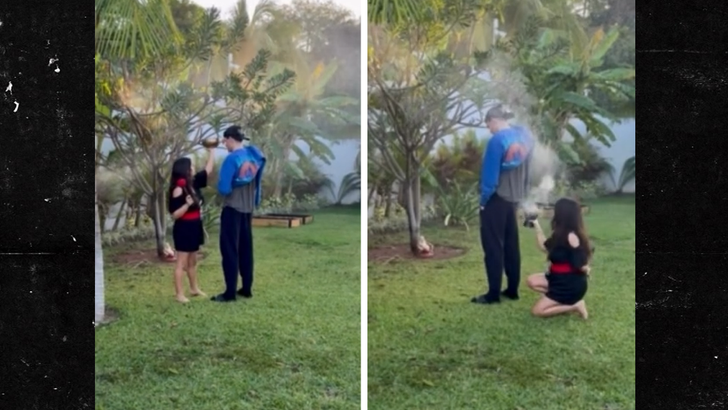
He Tried an Experimental Addiction Treatment Months Before His Death
Earlier this year, Gerber also underwent ibogaine treatment.
Ibogaine is a psychedelic substance derived from a West African plant and has attracted attention for its possible effects on addiction.
It is not approved for medical treatment in the United States and can carry significant health risks.
In a social-media post documenting the experience, Gerber appeared frightened but hopeful.
He spoke about confronting addiction directly and expressed hope that the treatment might help him avoid needing another major intervention.
The experience did not mark the end of his struggle.
Experts emphasize that relapse after treatment does not necessarily mean a program has failed.
Addiction is often a chronic condition involving repeated cycles of recovery and relapse.
Treatment may reduce risk significantly without eliminating it completely.
Emergency Call Came Early Sunday Morning
The final known emergency unfolded on Sunday morning, September 20.
At approximately 9:35 a.m., emergency responders were dispatched to the Santa Monica property for a reported cardiac arrest.
Another dispatch reference described an overdose.
Paramedics arrived but were unable to revive Gerber.
He was pronounced dead approximately 10 minutes later.
Police later confirmed that detectives were investigating the death as a suspected overdose.
Investigators have not announced that anyone at the facility committed wrongdoing.
They also have not said whether Gerber was alone when he became unresponsive, how long he may have been in distress or what staff members knew before emergency services were called.
Those details may become important as the investigation continues.

Autopsy Completed, but Toxicology Could Take Months
The Los Angeles County Medical Examiner performed Gerber’s autopsy the day after his death.
The official cause and manner were deferred.
That means examiners are waiting for additional laboratory testing or other studies before making a final determination.
Toxicology investigations can take weeks or months because laboratories may need to test blood and tissue samples for numerous prescription medications, illicit substances and metabolites.
Until those results are complete, describing Gerber’s death as an overdose remains an investigative assessment rather than a final medical conclusion.
Police have also said they have found no evidence of foul play at this stage.
Recovery Facilities Reduce Risk — They Cannot Eliminate It
Gerber’s death has prompted understandable questions about the effectiveness of rehabilitation and sober-living programs.
Addiction specialists caution against drawing the conclusion that a fatal relapse inside such a facility means treatment itself is ineffective.
Studies and clinical experience generally show that structured treatment can significantly reduce overdose risk.
The challenge is that addiction does not disappear simply because a person enters a recovery residence.
Cravings can continue.
Relapse remains possible.
Tolerance can fall.
And an illicit drug supply can become unpredictable enough that a single return to use may carry catastrophic consequences.
For Gerber, those general risks are only context — not an explanation of exactly what happened.
The answers in his case will depend on toxicology results, police interviews and evidence surrounding his final hours.
For now, authorities know that a young man who had repeatedly sought help for addiction entered another stage of treatment and died there shortly afterward.
What they still do not know publicly is what substance he took, where it came from and whether anything could have prevented what happened next.