How patients can manage cancer fatigue at work and home – and how caregivers can help
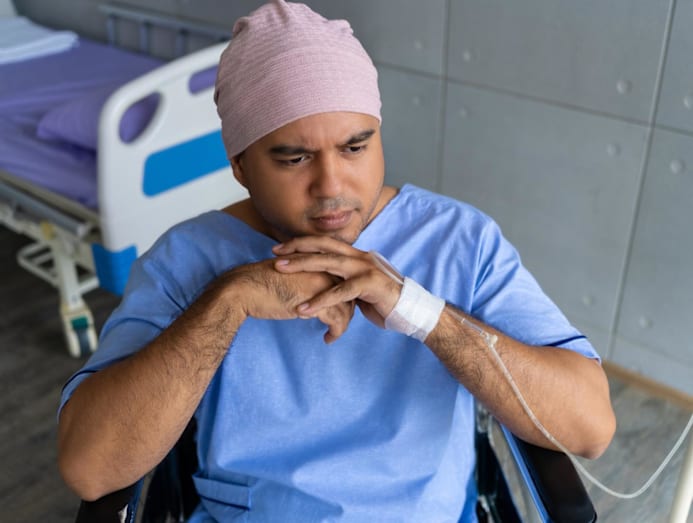
For cancer patients, crossing the five-year mark without any further detection of cancer cells in scans, bloodwork or other tests is a major milestone. That’s when you earn the coveted words “in remission” on your oncologist’s file.
But getting there takes time, treatment – and tiredness, otherwise known as cancer fatigue. It is “a persistent, overwhelming sense of physical, emotional or cognitive tiredness related to cancer or its treatment”, said Dr Tanujaa Rajasekaran, a medical oncologist from Mount Elizabeth Novena Hospital’s Parkway Cancer Centre (PCC).
According to Cleveland Clinic, cancer fatigue affects 80 per cent to 100 per cent of people with cancer. In fact, unusual fatigue is often one of the first signs that prompt patients to seek medical attention.
“Cancer fatigue is different from normal tiredness because it is disproportionate to the amount of activity performed, and is often not relieved by adequate rest or sleep,” said Dr Rajasekaran. Some of the symptoms include brain fog, feeling weak or heavy, sleep disturbances despite feeling tired, and/or poor endurance when walking or exercising, she cited.
Cancer fatigue’s duration varies from person to person, said Dr Amit Jain, a senior consultant with National Cancer Centre Singapore’s (NCCS) Department of Lung, Head & Neck and Genitourinary, Division of Medical Oncology. “In general, when cancer has been cured and patients are in remission, they should no longer have any cancer fatigue,” he said.
Similarly, treatment-related fatigue should improve when a patient is no longer undergoing active treatment,” said Dr Jain. However, “long-term complications from the cancer or irreversible side effects from treatment” can sometimes prolong the tiredness.
If you’re a cancer patient undergoing treatment or in remission but are still finding cancer fatigue insurmountable, find out how to better pace your energy. Conversely, how can you – as a friend, family member or colleague – be a better ally to the cancer warrior in your life.
But first, hear from the doctors the causes of the cancer-related tiredness.
WHAT CAN CAUSE CANCER FATIGUE?
One, tumours are known to consume high amounts of energy and nutrients to grow. Two, “the immune system releases cytokines (hormone-like proteins) to fight the tumour and repair damaged tissue, triggering chronic inflammation that mimics the heavy body aches and draining fatigue of a severe flu”, explained Dr Francis Chin, the vice president of 365 Cancer Prevention Society (365CPS) and a senior consultant at Curie Oncology.
The same inflammation-causing cytokines can also trigger fatigue in another way. Cytokines interfere with the hypothalamus in the brain – the area that controls hunger – and trick the body into not feeling hungry, according to a 2021 study that reviewed appetite problems in cancer patients. As a result, the patient doesn’t eat enough to fuel his or her body, which then leads to low energy levels.
Sometimes, tumours found in or around parts of the digestive tract are the culprits, according to American Cancer Society. They may make it harder for the patient to eat, cause trouble swallowing, or create fullness after consuming a small amount of food. Then, there’s the chronic, severe pain that some patients bear, which increases fatigue by preventing restful sleep.
And that’s not factoring in the treatments yet. “Treatments often lower red blood cell counts, resulting in anaemia that restricts oxygen transportation to the muscles and vital organs,” said Dr Chin. Also, “treatments can disrupt hormonal levels (oestrogen or testosterone), which further throws off the body’s natural energy regulation”.
Of the types of treatment commonly used – including chemotherapy, surgery, radiation, immunotherapy and hormonal therapy – “chemotherapy may cause more cancer fatigue as it kills or slows the growth of cancer cells along with healthy cells, which can cause energy to drain from the body”, said Dr Jain.
Further trapping patients in an energy-draining loop are treatment-related stress, anxiety and low mood influencing fatigue and vice versa.
“Feeling fatigued and not well-rested from cancer treatments can lead to a person feeling anxious, irritable and down,” explained Dr Jain, which can consume mental and physical energy, and lead to “further exhaustion that compounds fatigue that results from treatment”.
Furthermore, he added, symptoms of depression such as decreased interest and joy, low motivation, slowed movements and reduced activity may present as or worsen cancer-related fatigue.
https://cnalifestyle.channelnewsasia.com/wellness/cancer-fatigue-management-work-home-support-585051