Johnny Depp Said He Felt Hollow for Years — Then Lily-Rose Was Born
For years, Johnny Depp had fame.
He had money.
He had movie roles that made him one of the most recognizable actors of his generation.
And yet, by his own account, something inside him still felt empty.
Then his daughter was born.
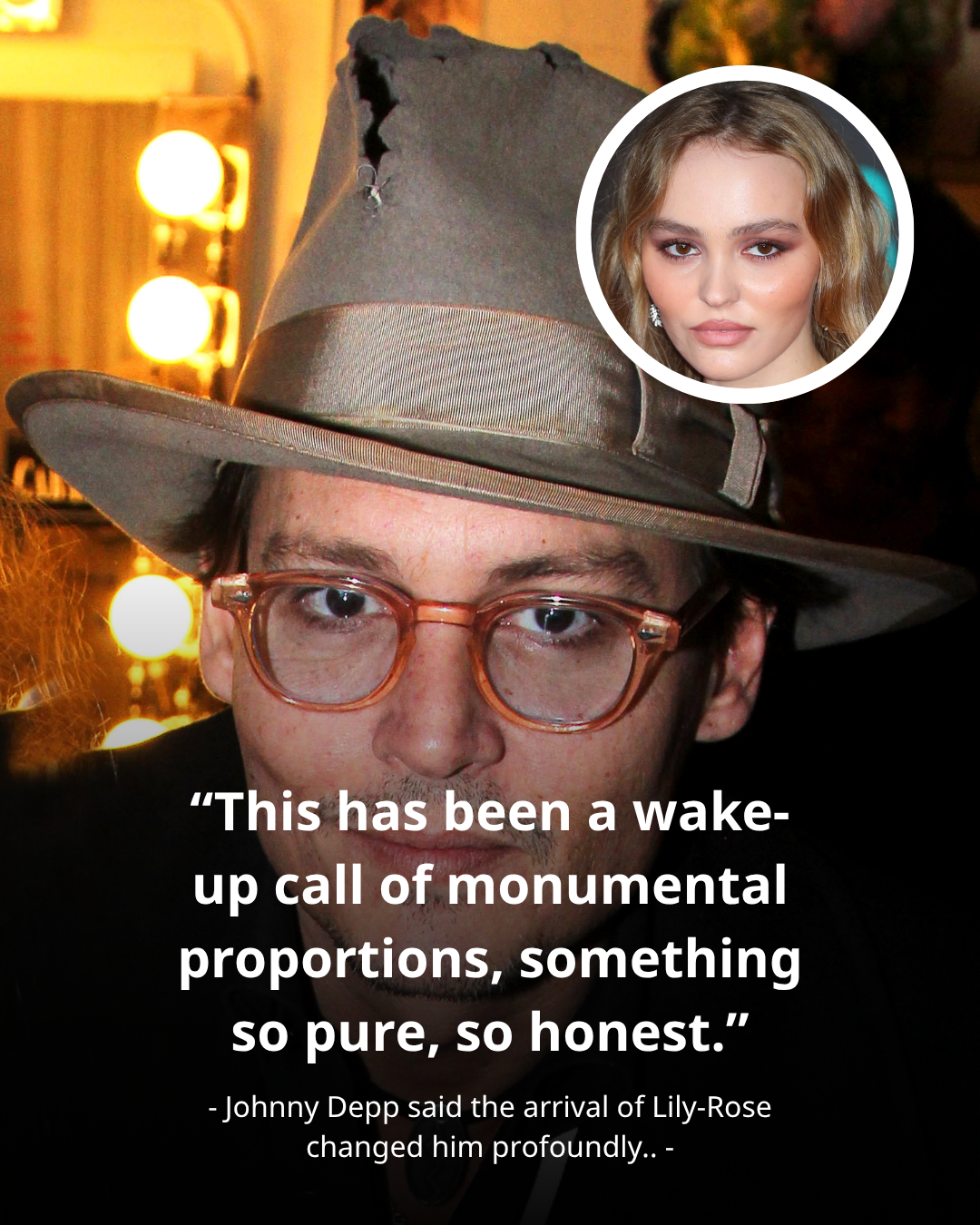
In a 2001 interview with the Los Angeles Times, Depp looked back on the arrival of Lily-Rose Depp and described it as the moment his life changed on a scale he had never experienced before.
“I felt hollow for so many years,” he said, before explaining that the feeling shifted after he and Vanessa Paradis got together, she became pregnant, and their daughter was born.
For Depp, fatherhood was not simply another chapter.
It was a dividing line.
There was the life before Lily-Rose.
And there was the life after.
By the time of that interview, Depp was 37 years old and already had a long, complicated history behind him.
He had become famous through 21 Jump Street, only to spend years resisting the heartthrob image Hollywood tried to impose on him. He gravitated instead toward unusual characters, unconventional films and roles that allowed him to explore darker parts of himself.
The Los Angeles Times profile described a man who had spent much of his life wrestling with loneliness, instability and self-destructive habits.
Depp himself acknowledged having spent years trying to numb difficult feelings.
He recalled using substances not simply for recreation, but as a way of escaping hurt, pain and uncomfortable emotions. Eventually, he said, he understood that avoiding those feelings only delayed the moment when he would have to confront them.
Behind that restlessness was a turbulent childhood.
Depp told the newspaper that his parents’ relationship had been deeply unstable and that he grew up without the consistent sense of safety a child needs.
He remembered thinking that the conflict in his family was normal because it was all he knew.
It was only when he visited the home of a childhood friend and saw a calm family sitting down together for dinner that he realized other homes could feel completely different.
His description of that experience was striking.
For Depp, walking into an ordinary peaceful household felt almost like entering another planet.
That context helps explain why Lily-Rose’s birth carried such emotional force.
The arrival of a child can change a parent’s priorities.
For Depp, it seems to have changed the emotional center of his life.
He called it “a wake-up call of monumental proportions,” describing the experience of fatherhood as something pure and honest enough to make much of what had come before suddenly feel smaller.
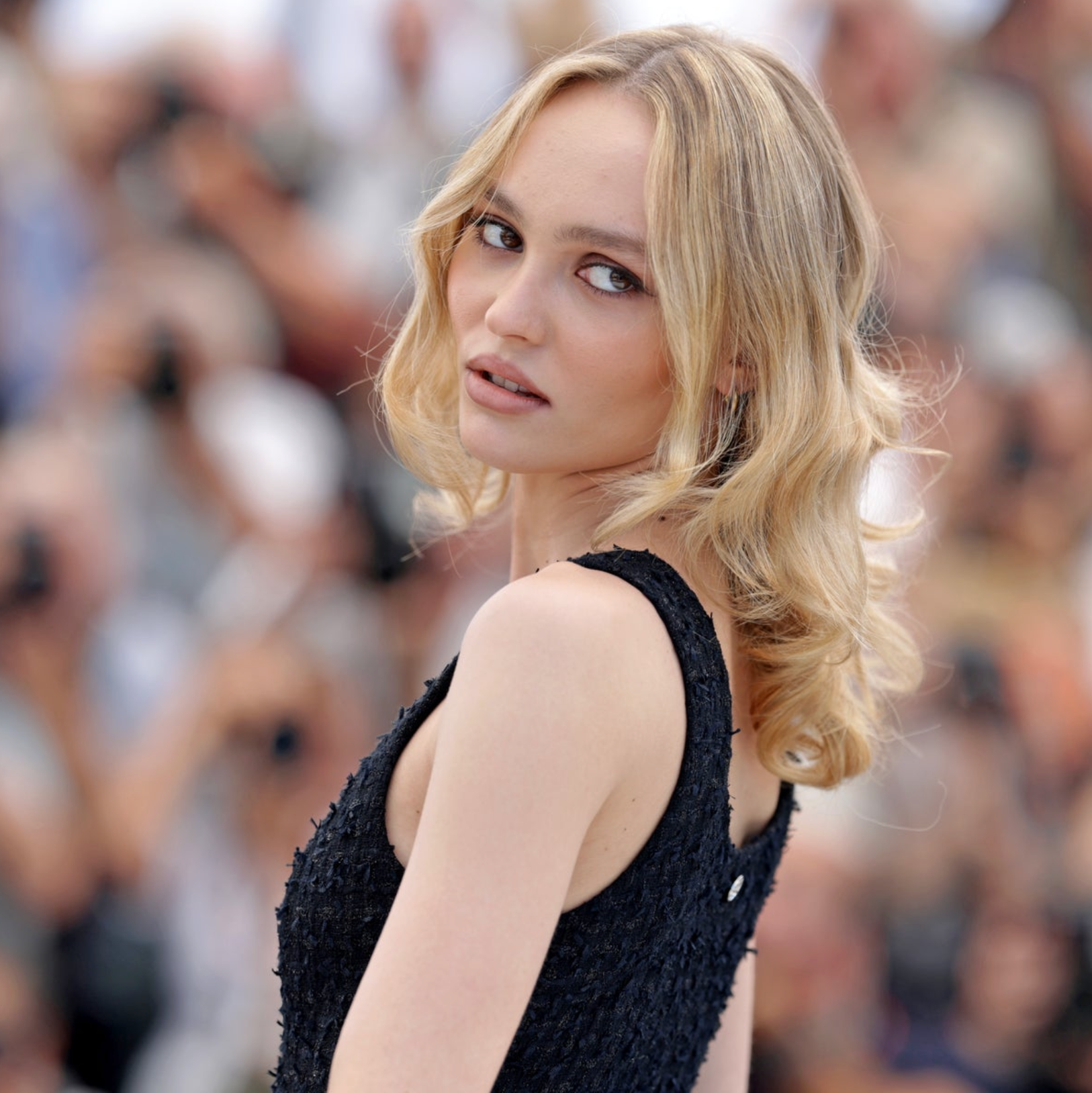
Those words matter because Depp was not speaking as someone whose life had lacked intensity.
He had already experienced enormous success.
He had been adored by fans.
He had made movies with major directors.
He had lived through public relationships, career risks, controversy and excess.
But none of those things, in his telling, filled the space that fatherhood eventually did.
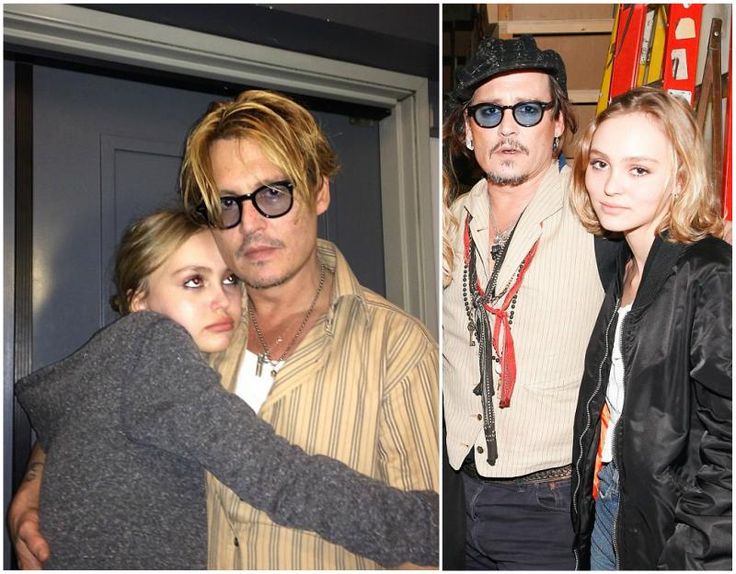
Lily-Rose was born in 1999 to Depp and French singer and actress Vanessa Paradis.
By the time she was two years old, Depp was describing himself as more centered than he had been before.
His friends noticed the change too.
Marilyn Manson, who was quoted in the Los Angeles Times profile, said Depp had matured while still keeping the childlike part of his personality alive. Lily-Rose, he joked, had even given him a playmate.
But Depp’s transformation was not only about becoming more playful.
It also affected how he thought about his own future.
He said his motivation to clean up his life was less about presenting himself as a perfect example and more about wanting to stay alive long enough to watch his daughter grow up.
That is a different kind of purpose.
Before becoming a father, survival could be personal.
After becoming a father, survival meant being there for someone else.
Suddenly, health was not just about his own body.
Time was not just his own.
The future had a face.
And that face belonged to his daughter.
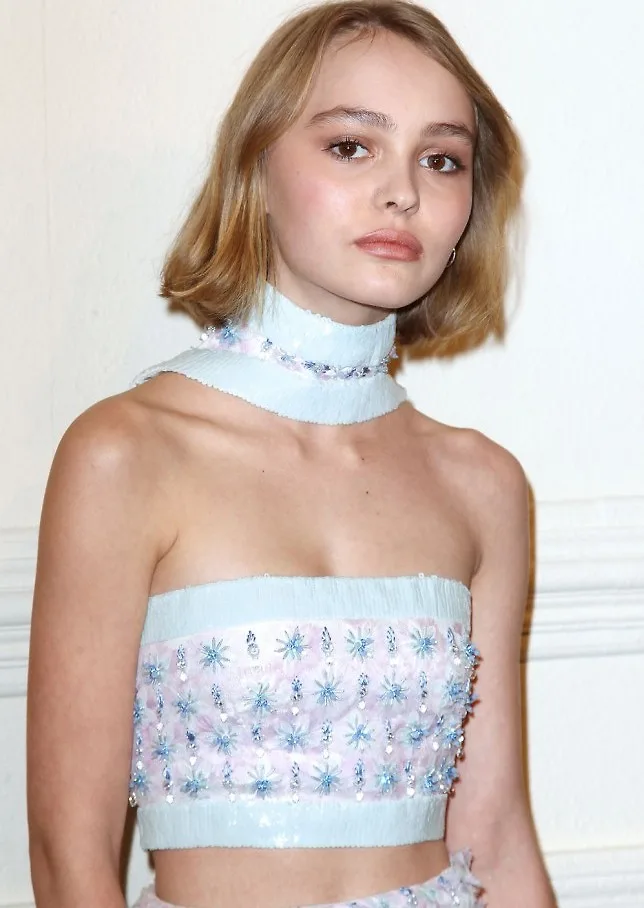
Depp also made clear that he wanted Lily-Rose’s childhood to be different from his own.
He said he did not want to expose her to the unnecessary pain, ignorance, selfishness and violence that he associated with family life.
That statement reveals something deeper than simple parental protectiveness.
Many people who grow up in unstable homes eventually face a choice.
They can repeat what they knew.
Or they can try, consciously and imperfectly, to create something else.
For Depp, fatherhood seems to have sharpened that distinction.
His childhood had taught him what insecurity felt like.
Now he wanted to give his daughter security.
His own early home had been marked by conflict.
Now he wanted to create distance from that pattern.
And after years of feeling hollow, he had someone whose existence made his life feel connected to something larger than himself.
That does not mean fatherhood magically resolved every struggle in Depp’s life.
Human beings are rarely transformed so neatly.
The decades that followed would bring success, controversy, difficult relationships and highly public personal battles.
But that does not make the 2001 moment less meaningful.
At that point in his life, Depp was describing something very specific and very real to him.
He had spent years trying to understand himself through music, movies, relationships, substances and characters.
Then a child arrived.
And suddenly, many of those old pursuits seemed less important.
There is something universal in that change.
People often spend years looking for meaning in achievement.
They imagine that one more success will finally make them feel complete.
One more role.
One more promotion.
One more relationship.
One more accomplishment.
But sometimes meaning does not arrive as an achievement.
Sometimes it arrives as responsibility.
Sometimes it arrives in the form of another person who needs you.
For Depp, Lily-Rose appears to have been that person.
Her birth did not erase his past.
It did not undo the instability of his childhood.
It did not remove every feeling of pain he had carried.
But it gave him a new direction.
A reason to stay healthy.
A reason to think about the future.
A reason to create a different kind of home.
And, perhaps most importantly, a reason to stop living only for himself.
Years earlier, Depp had built a career by playing outsiders, wounded men and characters searching for somewhere to belong.
Then, in 1999, his daughter was born.
And suddenly the man who had spent years feeling hollow had a family of his own.
In his words, it was a wake-up call of monumental proportions.
For all the fame that came before it, fatherhood was the thing that finally made the rest of his life look different.