Johnny Depp’s Jack Sparrow Was So Strange Disney Thought He Was Ruining the Movie
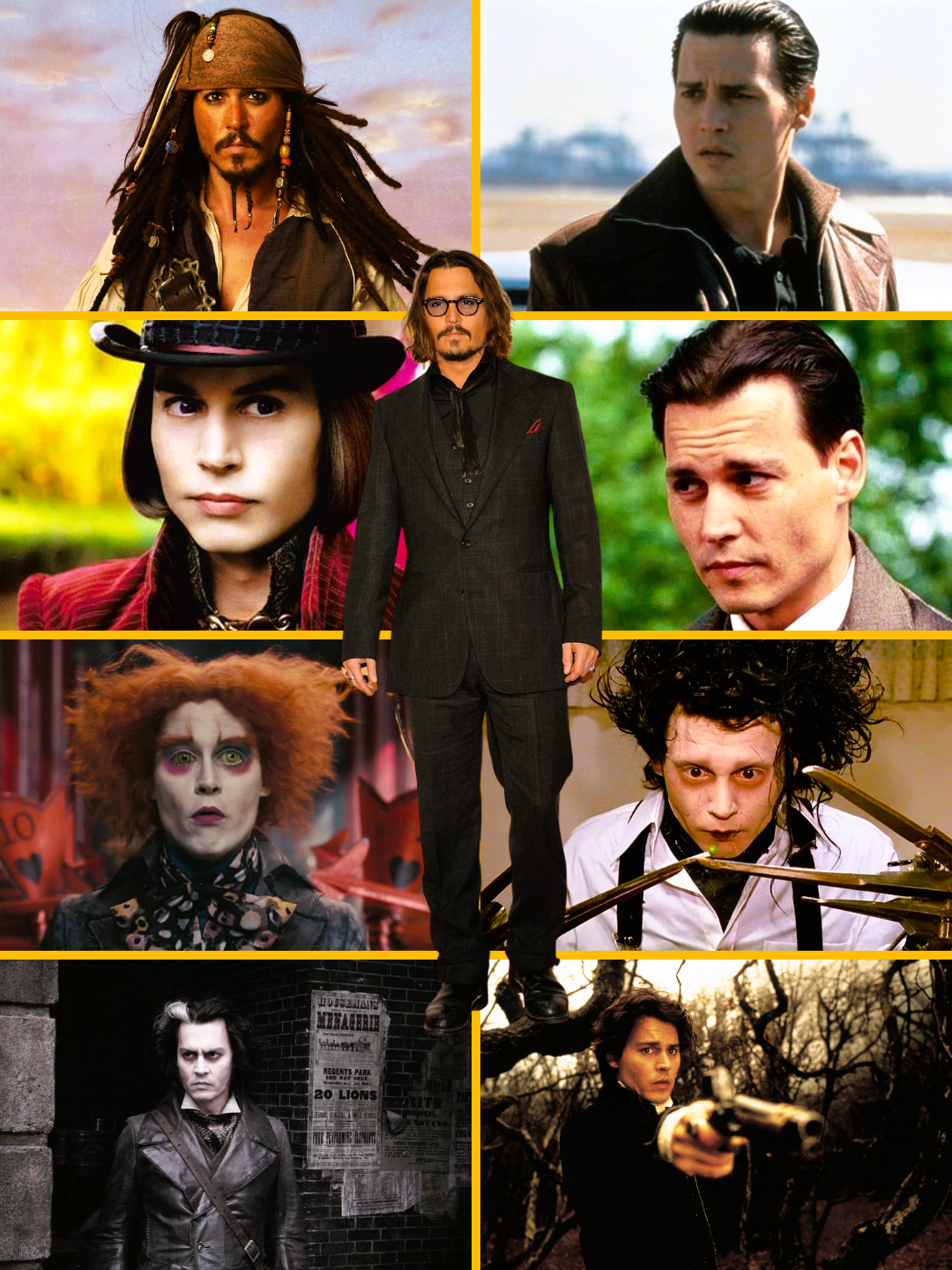
When Johnny Depp first appeared as Captain Jack Sparrow in Pirates of the Caribbean: The Curse of the Black Pearl, audiences met a pirate who seemed to move according to rules no other character could see.
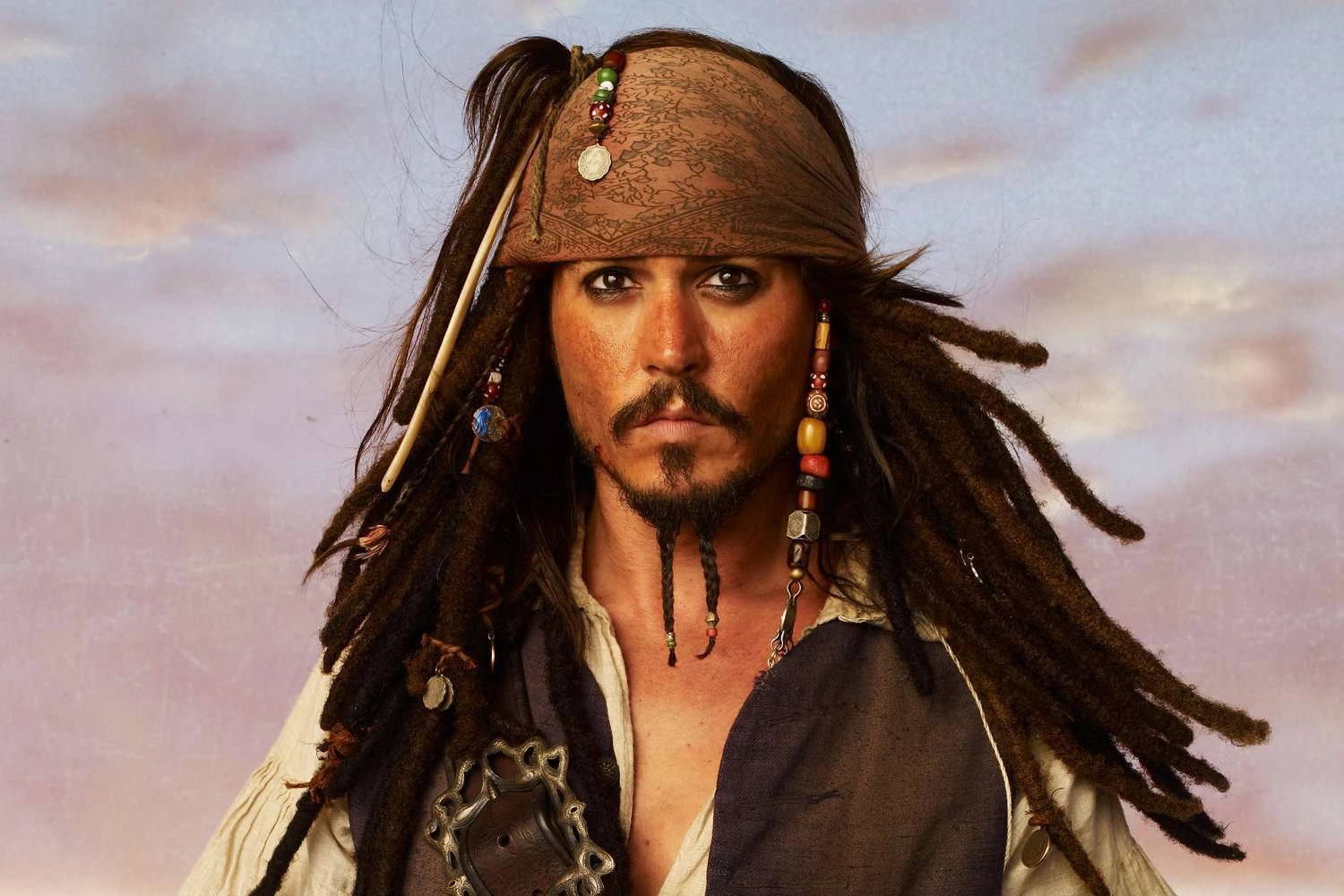
Jack swayed rather than walked. His hands wandered through the air. His speech arrived in odd rhythms. Beneath the beads, eyeliner, gold teeth and weathered clothes was the unmistakable attitude of a rock star who had somehow been dropped into the 18th-century Caribbean.
Keith Richards was a major reason why.
But the more interesting story is how little of that finished character was guaranteed when Depp joined the movie — and how uncomfortable his interpretation initially made the company paying for it.
Disney did not immediately see an iconic character being created.
At points, executives feared Depp might be wrecking their movie.
Jack Sparrow Wasn’t Fully Formed on the Page
By the time The Curse of the Black Pearl opened on July 9, 2003, Jack Sparrow seemed almost impossible to separate from Depp’s physical performance.
That makes it easy to assume the screenplay contained a detailed blueprint for the strange pirate audiences eventually saw.
It didn’t.
As Vanity Fair later reported, the script did not specifically call for many of Jack’s most memorable qualities: the unusual physical elegance, gold teeth or hair loaded with trinkets and dreadlock-like strands that became part of Depp’s interpretation.
Those choices came as Depp tried to figure out what kind of person Jack Sparrow should be.
He had actually become interested in the project unusually early. Depp told Vanity Fair that a Disney executive mentioned Pirates of the Caribbean to him when the idea was still little more than the title and the famous theme-park attraction behind it.
The project barely had a story yet.
Depp nevertheless felt drawn to it. He had loved pirates as a child, and he committed himself to finding a version of Jack that interested him rather than simply playing a conventional swashbuckling hero.
That search eventually led him to rock and roll.
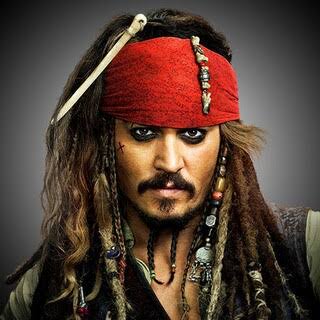
Keith Richards Gave Depp the Key
Depp knew Keith Richards through Richards’ son Marlon, who was a friend of the actor.
What fascinated Depp was not merely Richards’ clothes or reputation. It was his presence.
In Depp’s interpretation, pirates occupied a place in their era somewhat like rock stars would centuries later: outsiders with reputations, extravagant personalities and their own codes of behavior.
Richards supplied an especially useful model.
Depp later emphasized that he was not performing a literal impersonation. Instead, he built Sparrow from what Vanity Fair described as a handful of impressions he had collected from observing Richards.
That distinction explains why Jack never simply feels like Keith Richards wearing a pirate costume.
Depp took recognizable ingredients — the loose body language, the weathered cool, the sense that the character could be either completely in control or moments from falling over — and exaggerated them into something suited to a Disney adventure.
The result became a strange contradiction.
Jack could look drunk while thinking several moves ahead. He could appear ridiculous and dangerous in the same scene. He rarely behaved like the commanding pirate captain audiences had been trained to expect.
Even Disney’s own description of Jack now calls him an “irreverent trickster,” a man of dubious morality who is simultaneously self-interested and repeatedly pulled toward better instincts.
But during production, that unpredictability was exactly what worried the studio.
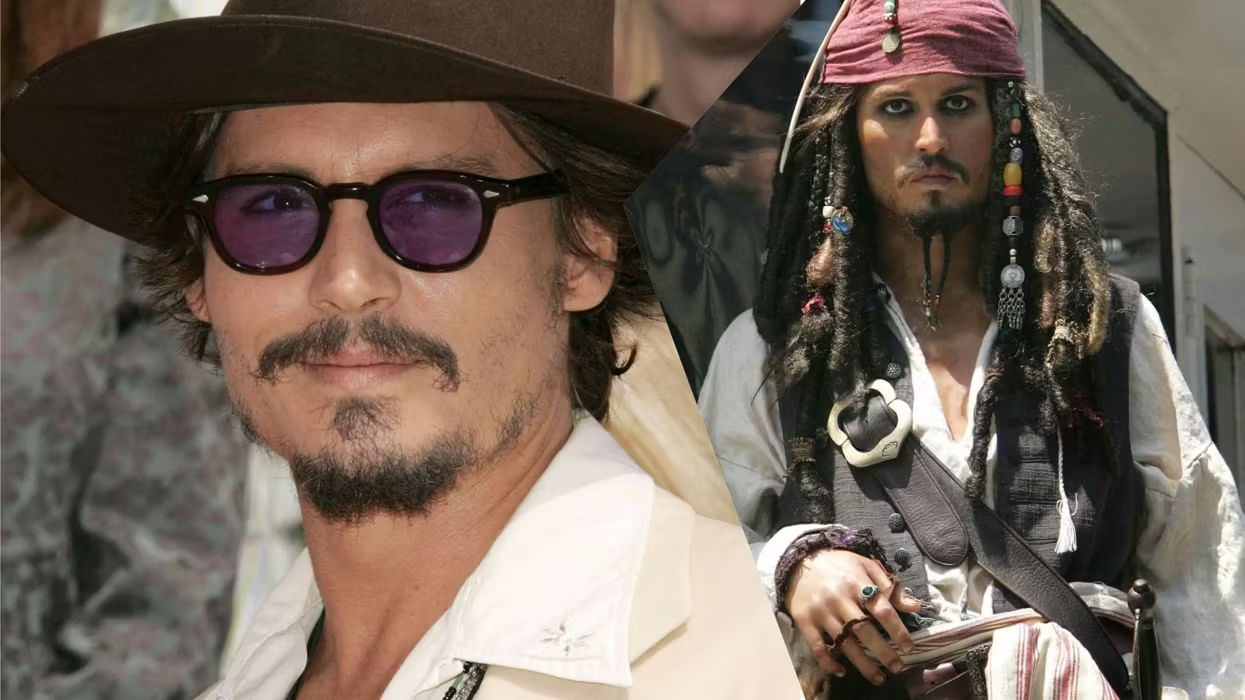
Disney Didn’t Know What Depp Was Doing
The concern was not subtle.
Depp later recalled an extraordinary amount of anxiety coming from inside Disney over his performance.
According to Depp, senior people at the studio questioned why Jack behaved the way he did. They wondered whether the character was drunk, whether something was wrong with him and whether Depp’s interpretation would work for the kind of movie Disney believed it was making.
The reaction went all the way to the top.
Years later, Depp said then-Disney chief Michael Eisner had been quoted as believing Depp was “ruining the movie.”
Vanity Fair’s earlier account described studio executives encouraging Depp to tone down elements of the performance once shooting was underway.
This is the part of Jack Sparrow’s creation that makes the Keith Richards connection more meaningful.
Depp wasn’t simply handed an eccentric character and asked to play him. Many of the eccentricities were the very things the studio was uncertain about.
And Depp kept them.
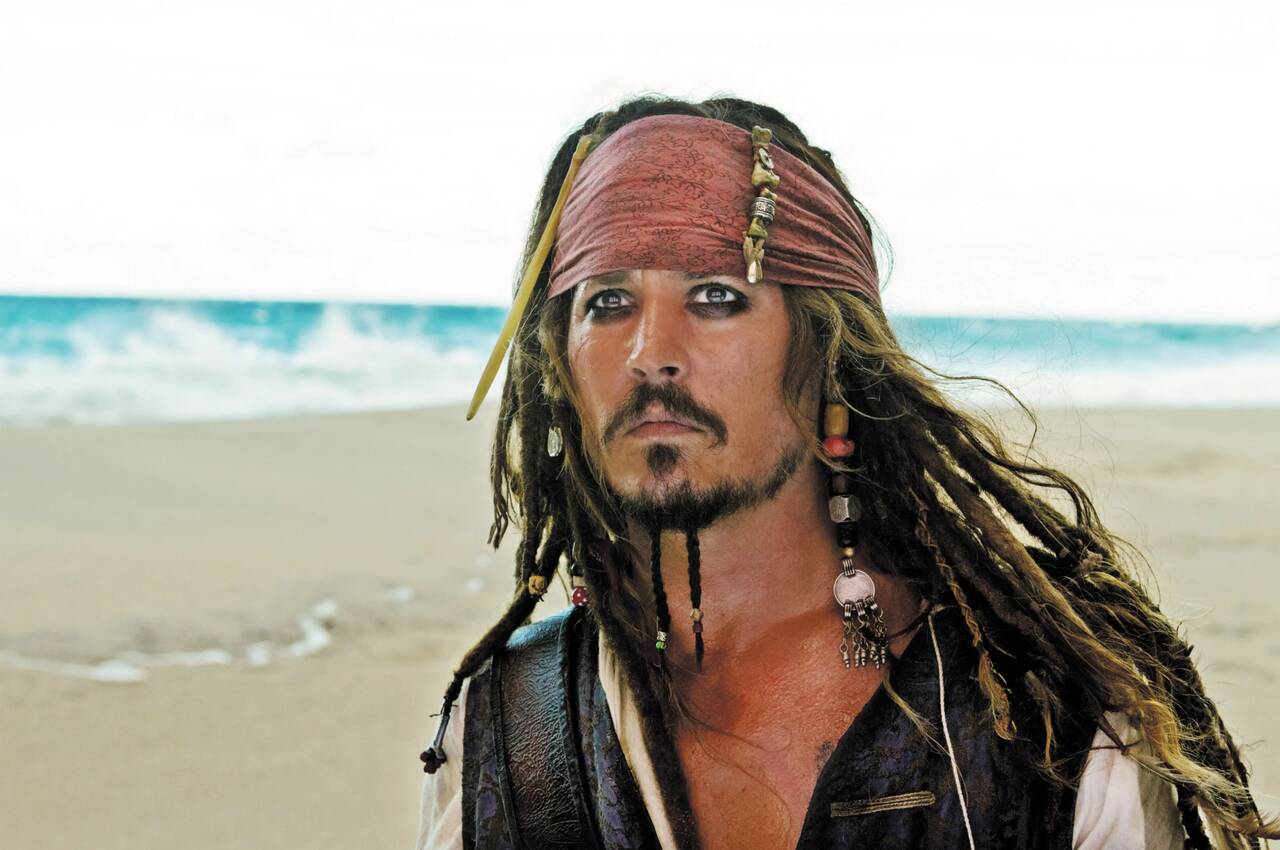
He Wasn’t Interested in Making Jack More Normal
Depp had already spent much of his career resisting the straightforward leading-man roles Hollywood might have expected after his early fame.
Jack Sparrow gave him another opportunity to do something less predictable — except this time, he was doing it inside an enormous Disney production designed to become mainstream entertainment.
That made the stakes different.
Depp has recalled that the studio resistance included calls, memos and discussions involving agents and lawyers. In later accounts, he even said there was a possibility Disney might fire him.
Instead of stripping the character back, Depp continued playing the version he had developed.
That decision mattered because Jack’s contradictions became the engine of the performance.
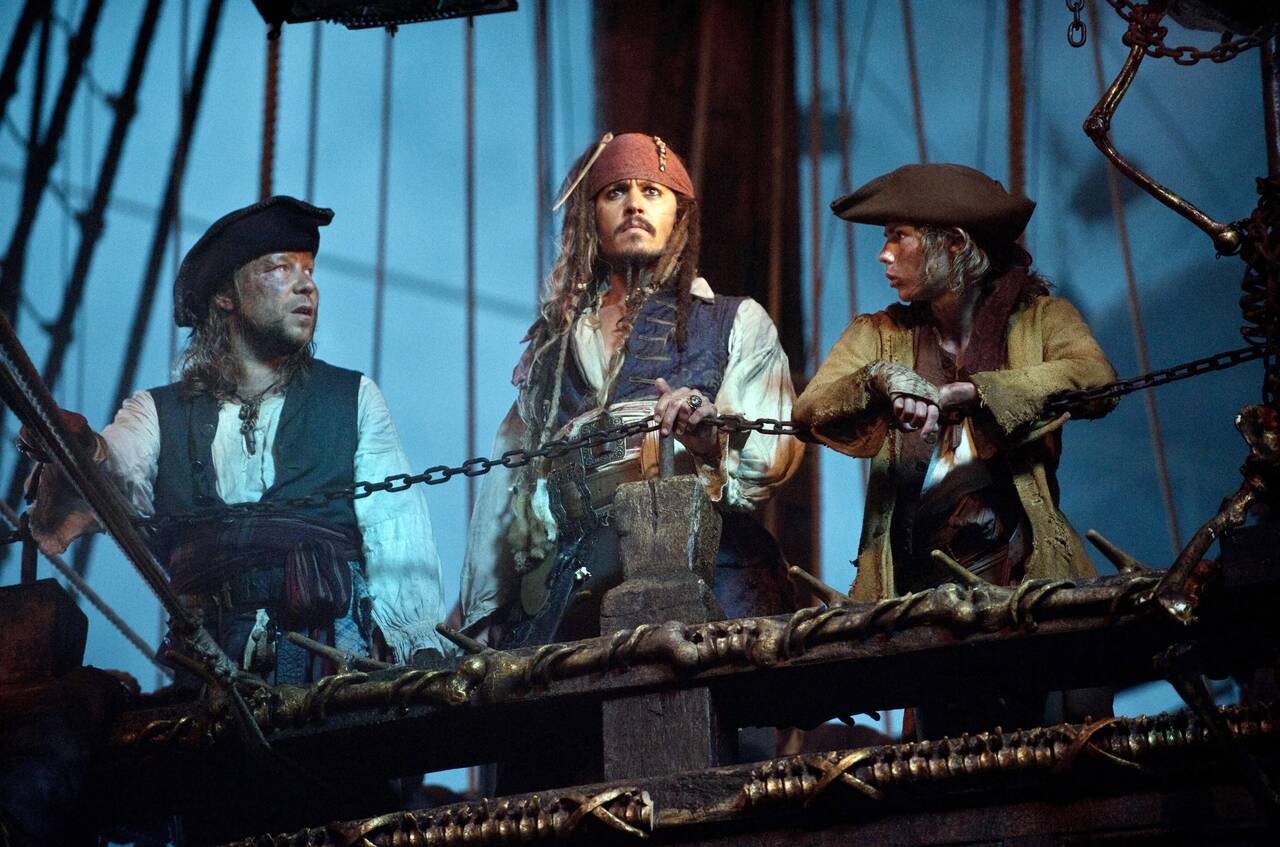
Watch the first movie again and notice how often other characters underestimate him because of the way he looks and moves.
Jack enters the story appearing almost absurd. His boat is sinking beneath him as he approaches Port Royal. Yet he steps onto the dock at precisely the right moment.
That pattern continues throughout the film.
His apparent disorder constantly hides calculation.
Without Depp’s peculiar physical choices, Jack could have been merely another adventurous rogue. With them, audiences could never be entirely certain whether they were watching a fool getting lucky or an extraordinarily clever man pretending not to be dangerous.
Then Audiences Saw What Disney Had Been Worried About
The Curse of the Black Pearl arrived in theaters in July 2003 and transformed a Disney theme-park attraction into a major film franchise. Disney itself describes the 2003 movie as the moment Pirates of the Caribbean was reimagined for a new global audience.
More remarkably, Depp’s deliberately bizarre pirate became an awards-season performance.
At the 76th Academy Awards in 2004, Johnny Depp received a Best Actor nomination for playing Captain Jack Sparrow. It was his first Academy Award nomination. Sean Penn ultimately won for Mystic River.
For a performance that had made Disney executives nervous, the nomination was an especially striking reversal.
The qualities that could have been smoothed away — the stagger, vocal rhythms, theatrical gestures and rock-star looseness — were now inseparable from the character audiences recognized.
And Depp soon found himself returning to Jack rather than treating the movie as a one-off experiment.
Eventually, Keith Richards Entered Jack Sparrow’s Family
The connection between Richards and Sparrow eventually became an inside joke the franchise could put directly on screen.
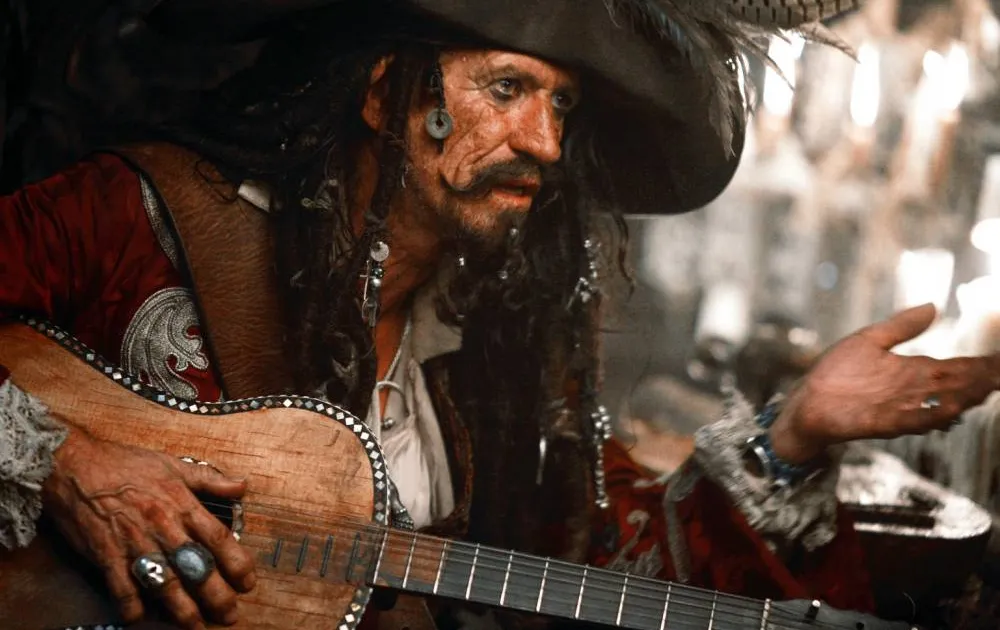
In 2007’s Pirates of the Caribbean: At World’s End, Richards appeared as Captain Teague, Jack Sparrow’s father. Rolling Stone noted the obvious joke behind the casting: Depp had openly acknowledged using Richards as a model for Jack, and now the original inspiration was entering the fictional family himself.
Richards’ appearance works because viewers do not need the story explained to them.
Put the two men beside each other and the lineage makes visual sense.
What began as Depp observing a musician he found fascinating had traveled through several layers of Hollywood: inspiration, experimentation, studio anxiety, blockbuster success and eventually an onscreen father-son relationship.
Why Jack Sparrow Still Feels Different
There are plenty of famous performances built from real people.
What makes Captain Jack Sparrow’s origin particularly revealing is the amount of the character that came from choices Hollywood initially had reason to distrust.
Disney had a pirate adventure.
Depp supplied the wandering hands, unstable gait, gold teeth, rock-star attitude and strange comic confidence that made its pirate unlike almost anyone else in the movie.
And the studio’s early doubts are important because they expose something viewers can still see in The Curse of the Black Pearl.
Jack Sparrow works because he never quite behaves the way a heroic lead is supposed to behave.
He arrives looking incompetent and leaves people wondering whether he planned everything.
More than two decades after the first film, Keith Richards’ influence remains easy to recognize.
But the greater achievement was what Depp did with it: taking a few observations of a rock-and-roll survivor and turning them into a pirate so specific that, eventually, even the man who helped inspire him could convincingly show up as his father.