Lindsay Clancy breaks down in court as testimony reveals new details about the deaths of her three children
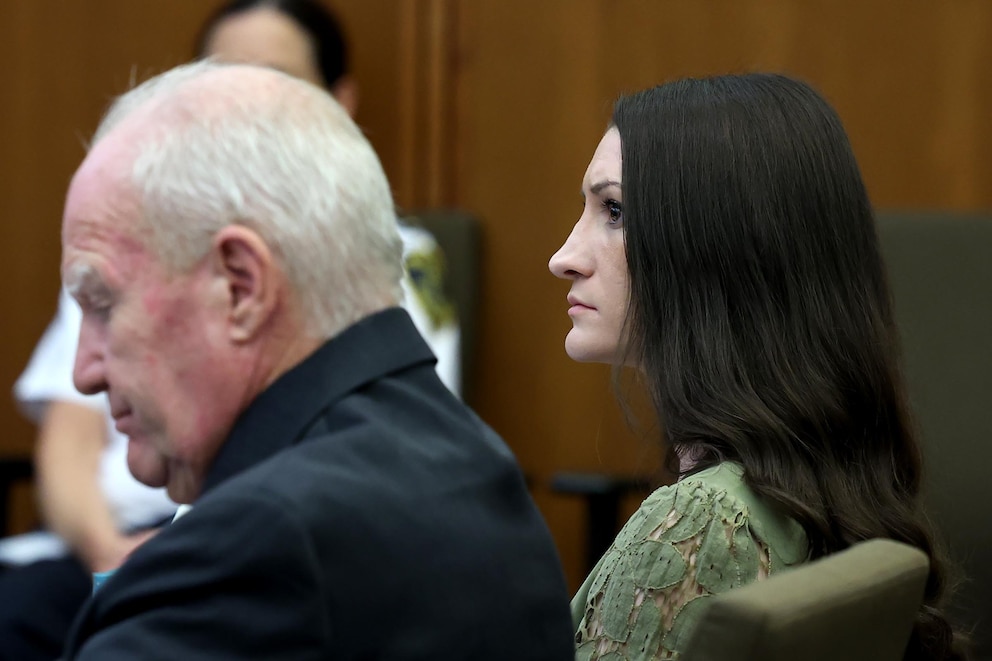
The murder trial of Massachusetts mother Lindsay Clancy took an emotional turn this week when she broke down in tears as a medical examiner described the autopsies of her three young children.
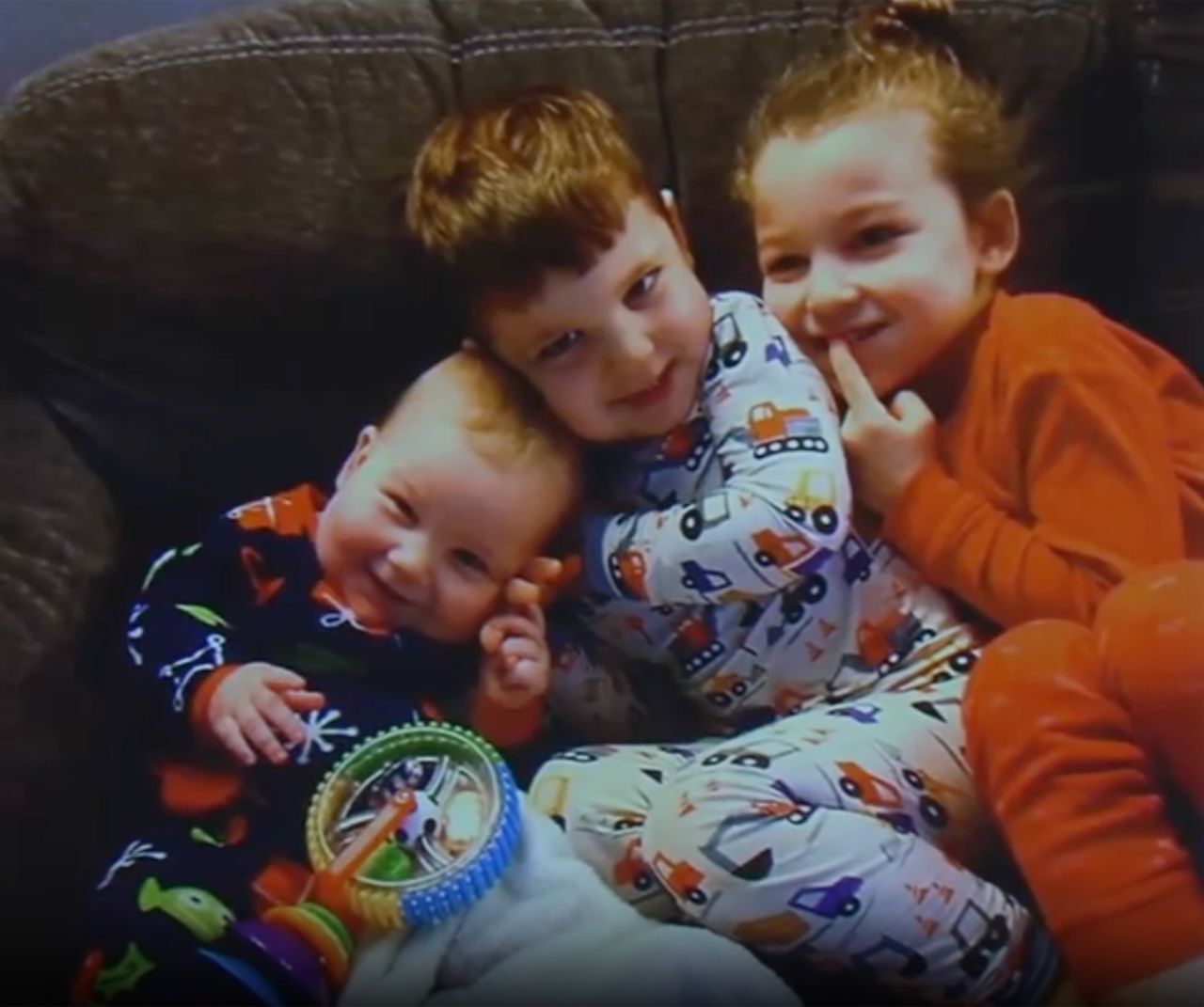
Clancy is accused of killing her children — Cora, 5, Dawson, 3, and Callan, just 8 months old — at the family’s home in Duxbury in January 2023. She has pleaded not guilty, with her defense arguing that severe postpartum mental illness left her unable to understand her actions.
A mother at the center of a devastating trial
The case has attracted national attention because of the stark contrast between the woman described by friends and caregivers as a loving mother and the horrific deaths prosecutors say occurred inside her home.
Clancy, a former labor-and-delivery nurse, has admitted killing the children, but her attorneys argue that she should not be held criminally responsible because of her mental state at the time.
The prosecution, meanwhile, is seeking to establish that she intentionally killed her children.
She had reportedly been struggling before the deaths
Evidence presented during the trial has focused heavily on Clancy’s deteriorating mental health in the months before the killings.
Court testimony and records have described severe insomnia, anxiety, intrusive thoughts and feelings of hopelessness.
Newly discussed messages showed that Clancy contacted a caregiver less than two months before the killings, saying she was experiencing intrusive thoughts she had never experienced before and felt completely hopeless.
She also underwent psychiatric treatment shortly before the deaths.
The defense argues that her treatment and medications failed to address what was happening to her.
The courtroom became emotional
On Wednesday, August 12, testimony turned to the children’s autopsies.
Clancy began sobbing repeatedly as the medical examiner described the findings. The proceedings were interrupted several times because of her emotional reaction.
The testimony brought the tragedy back into the courtroom in graphic detail, forcing jurors to confront what happened to the three children.
The family’s final moments
Earlier in the trial, Clancy’s former husband, Patrick Clancy, described returning home after leaving to pick up food and medicine.
He said the house was unusually quiet.
After discovering blood in the bedroom and finding Lindsay outside after she had apparently jumped from a window, he learned that the children were in the basement.

Patrick testified that he found all three children there.
His testimony has been one of the most emotional parts of the trial.
Mental illness is at the heart of the case
The defense has argued that Clancy was suffering from postpartum psychosis and other severe mental-health problems.
Prosecutors have challenged that explanation and have presented evidence concerning her medications, treatment and behavior before the killings.
A forensic toxicologist previously testified that several psychiatric medications were detected in Clancy’s blood, but the levels were not considered toxic.
The court has also heard evidence about Clancy reporting disturbing thoughts and hearing a man’s voice telling her that she needed to kill the children.
A case that has reopened a difficult conversation
The trial is about much more than one family.
It has also raised questions about how postpartum psychosis is recognized, how quickly mothers experiencing severe psychiatric symptoms receive treatment, and whether warning signs were missed before the tragedy.
But those broader questions remain separate from the criminal question facing the jury:
Was Lindsay Clancy legally responsible for the deaths of her three children?
That is ultimately what the jury will have to decide.
For now, the trial continues — and every new witness, medical record and piece of testimony is adding another layer to one of the most heartbreaking American criminal cases in recent years.
Three young children lost their lives. Their mother now sits in court as a jury tries to determine what happened inside her mind — and whether that explains, or legally excuses, what she did.