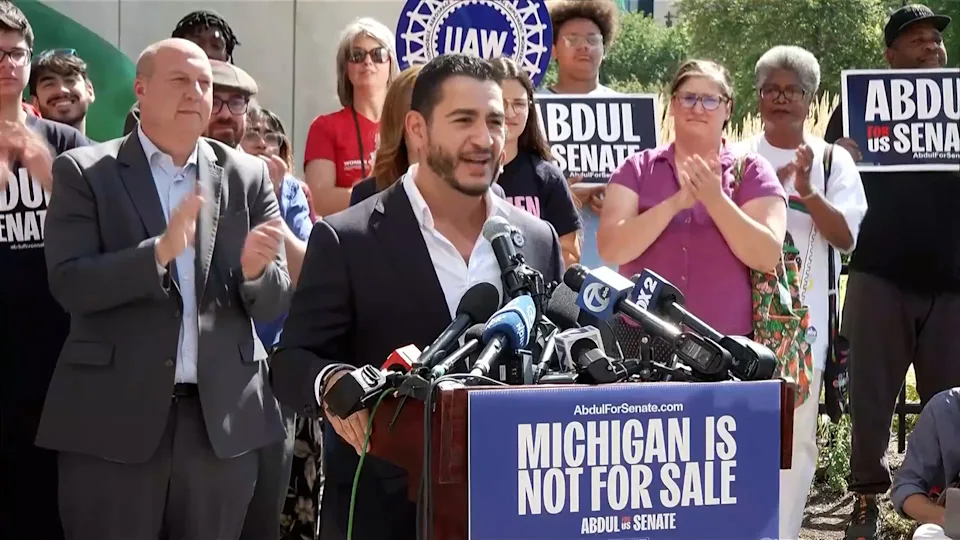
Nearly 8 in 10 Independents Now Say ICE Uses Too Much Force — a New Poll Reveals a Major Shift Before the Midterms
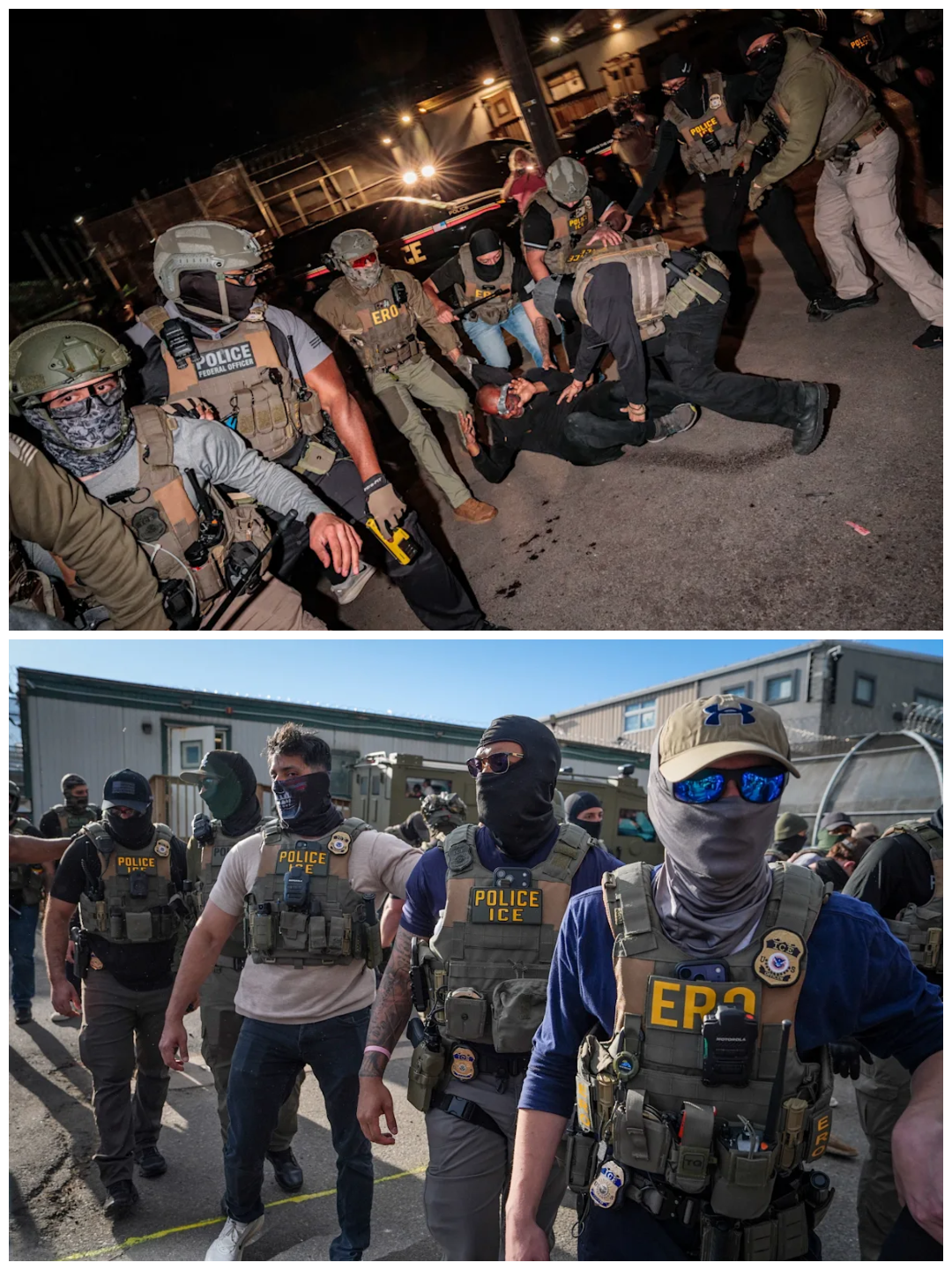
One of the voter groups most capable of deciding close congressional races is turning sharply against the tactics of U.S. Immigration and Customs Enforcement.
Nearly 8 in 10 independent voters now say ICE is using too much force in immigration operations across the country, according to a YouGov survey conducted in late July among 1,000 voters and commissioned by the Vera Institute of Justice. That represents a substantial increase from an earlier survey in which 62% of independents said the agency had gone too far.
The numbers arrive less than three months before the 2026 midterm elections, when Republicans will be trying to protect narrow majorities in Congress.
They also expose an increasingly complicated political reality for President Donald Trump and the Republican Party.
Americans have not necessarily abandoned tougher immigration enforcement. Border security and the removal of immigrants convicted of crimes continue to receive significant support.
But a growing share of voters—particularly independents—appear to be separating support for immigration enforcement from support for the way ICE is carrying it out.
Recent Shootings Intensified Scrutiny of ICE
The latest poll was conducted after another turbulent period for federal immigration enforcement.
In July, ICE agents fatally shot two immigrants during separate traffic-stop encounters in Maine and Texas within six days of each other. Those incidents came after earlier fatal confrontations in Minneapolis had already placed federal immigration tactics under intense scrutiny.
Renée Good was killed during a federal immigration operation on Jan. 7, while Alex Pretti, a 37-year-old intensive care nurse, was fatally shot during another confrontation with federal officers on Jan. 24.
Those deaths triggered protests and renewed debate over how immigration officers use force, how quickly confrontations escalate and whether greater oversight is needed.
By July, the political effect appeared increasingly visible in polling.
An earlier YouGov survey had found 62% of independents believed ICE had gone too far.
The new figure was roughly 80%.
That is a striking movement among voters who do not reliably identify with either major political party—and who often become decisive when Democratic and Republican voters are closely divided.

ICE’s Broader Image Has Also Weakened
The shift is not limited to a single question about force.
Other polling has suggested declining confidence in the Trump administration’s handling of immigration and especially in ICE itself.
An AP-NORC survey conducted after recent shootings found that 39% of U.S. adults approved of Trump’s handling of immigration, compared with 49% near the beginning of his current term.
Among independents, approval of ICE’s actions was particularly weak, with only 18% expressing approval in that survey.
The numbers suggest the political argument over immigration is becoming more complicated than the traditional question of whether Americans want stronger or weaker border enforcement.
Voters can support deporting people who have committed serious crimes while simultaneously believing federal officers are using excessive force.
They can favor a secure border while questioning aggressive enforcement tactics inside communities.
That distinction may become increasingly important heading into November.
Reports of Force Have Added to the Debate
Concern over ICE tactics predates the most recent shootings.
Internal records and reporting have documented an increase in force during immigration enforcement operations since Trump returned to office.
Documents obtained through a Freedom of Information Act request showed ICE leaders were informed that officers had reported 67 use-of-force incidents during the first two months of Trump’s term, compared with 17 during the same period in 2024.
Separate data concerning immigration detention facilities showed at least 780 use-of-force incidents in 2025, including cases involving physical force, Tasers and chemical agents. That represented a 37% increase compared with the previous year.
Administration officials have repeatedly defended federal immigration officers, arguing that they operate in dangerous circumstances and face increasing aggression themselves.
Officials have also emphasized that assaults and threats against immigration agents have risen, an argument the administration has used to defend practices such as officers wearing masks during some enforcement operations.
The debate therefore involves two competing concerns: whether officers are escalating encounters unnecessarily and whether agents themselves are confronting greater risks while performing their jobs.

The Administration Says Agents Are Doing Their Jobs
Trump administration officials have rejected the broader accusation that ICE has become an uncontrolled or excessively violent force.
Homeland Security officials have said immigration officers are trained and operate according to established procedures.
The White House has also continued to emphasize arrests and deportations involving immigrants with criminal records, arguing that aggressive immigration enforcement remains necessary for public safety.
The administration has pointed to polling showing strong support for deporting immigrants who are in the country illegally and have committed crimes. Homeland Security has cited June data indicating that about 80% of Americans supported such deportations.
That helps explain why the newest polling should not be interpreted simply as a rejection of Trump’s entire immigration agenda.
On some aspects of immigration, Republicans retain important political advantages.
At least half of Americans have viewed the reduction in illegal border crossings positively, and polling continues to give Republicans an advantage when voters are asked which political party they trust more on border security.
The vulnerability lies elsewhere.
Increasingly, voters appear to be asking not only whether immigration laws should be enforced, but how.
Independents Could Become the Crucial Warning Sign
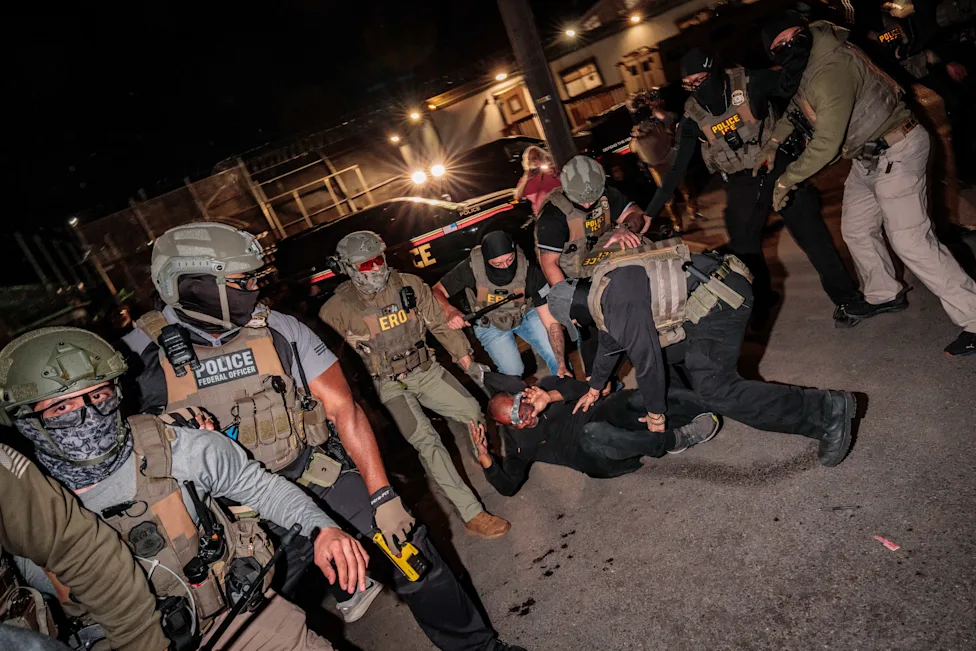
For Republicans, the movement among independent voters may be the most politically significant part of the survey.
Midterm elections are often decided by voters who are dissatisfied with one party but unwilling to embrace the other completely.
Those voters do not need to oppose Trump’s entire immigration agenda for ICE to become a liability.
They only need to believe enforcement has crossed a line.
Matthew Grossmann, a public policy professor at Michigan State University, described the emerging dissatisfaction as a potential vulnerability for Republicans.
Election analyst Kyle Kondik similarly suggested that the immigration message that benefited Republicans during the 2024 campaign may not work in exactly the same way after voters have spent more time watching the administration’s enforcement policies in practice.
That distinction matters.
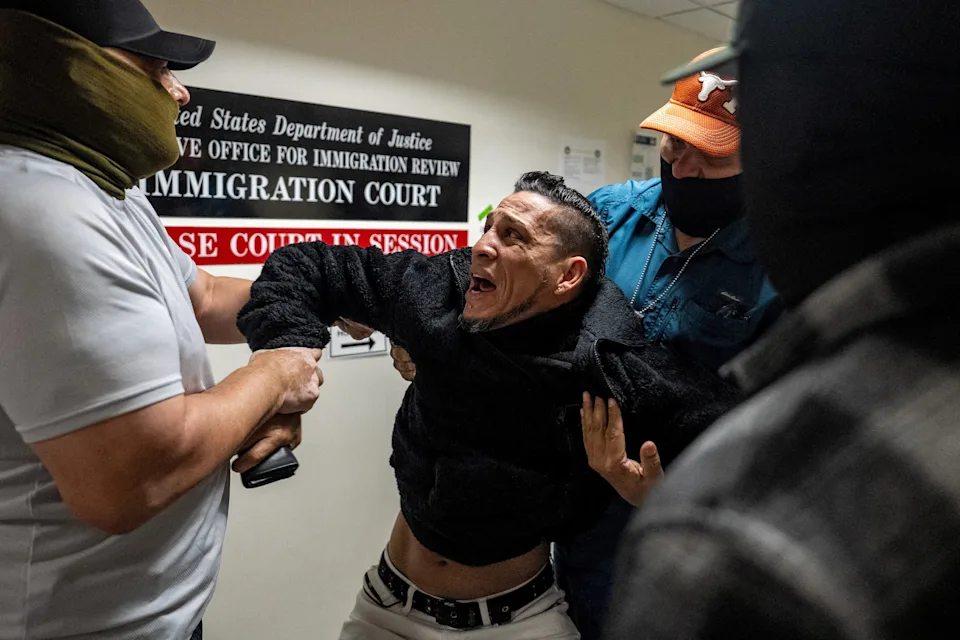
Campaigning on stricter immigration enforcement is different from governing through highly visible raids, arrests and confrontations that voters can watch repeatedly on television and online.
What once existed largely as a policy argument is now being judged through real-world encounters.
Republicans Are Not Retreating From Immigration
Despite the polling movement, Republicans have given little indication that immigration will disappear from their midterm strategy.
Mike Marinella, a spokesperson for the National Republican Congressional Committee, said Republican candidates would continue highlighting Trump’s immigration record while contrasting it with the border policies of the Biden administration.
That strategy reflects an important calculation.
Immigration remains a motivating issue for Republican voters, and the administration continues to argue that its enforcement campaign is fulfilling promises Trump made during the 2024 election.
At the same time, some Republicans have shown greater willingness to discuss reforms.
Earlier this year, several GOP lawmakers expressed openness to additional training for ICE officers after controversial shootings, although many stopped short of criticizing the administration’s overall enforcement approach.
The federal government has also moved forward with body cameras for ICE field personnel, with the agency saying in August that it was on track to complete the rollout by the end of the month.
Immigration Still Isn’t Voters’ Biggest Concern
ICE may be attracting growing criticism, but immigration does not exist in isolation.
Polling shows Americans remain more focused on economic pressures, including the cost of living, inflation and the broader economy.
That could limit how much immigration enforcement ultimately determines the midterm results.
Still, national elections are not decided only by whichever issue voters rank first.
In competitive districts, relatively small shifts among independents can matter enormously.
And the latest YouGov numbers point to something much larger than a minor change.
A group that previously showed substantial concern about ICE’s tactics now appears overwhelmingly convinced the agency is using too much force.
Republicans can still argue that Trump restored control at the border.
Democrats can still argue that enforcement has become unnecessarily aggressive.
The newest polling suggests many voters may believe both things at once.
That is what makes the political shift significant.
The question facing Republicans ahead of November may no longer be whether voters want immigration laws enforced.
It may be whether Americans believe the government can enforce them without crossing a line—and whether the images coming out of ICE operations have convinced a crucial group of independent voters that the line has already been crossed.