One of India’s greatest food cities is finally getting the global attention it deserves
Lucknow, India —
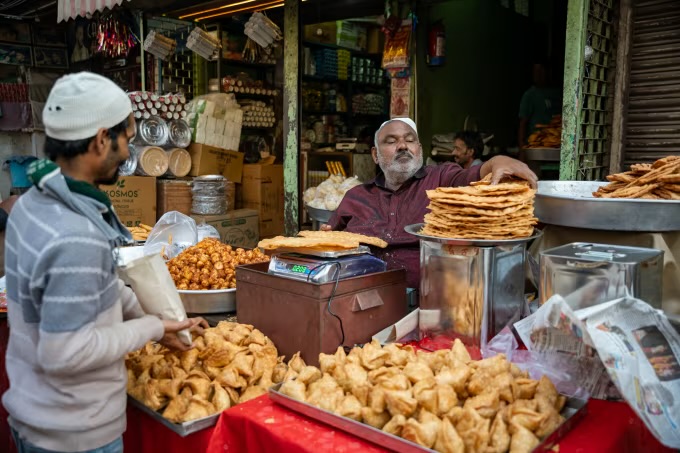
A plate of buffalo galawati kebabs arrives at the table at Tunday Kababi, a famous restaurant in Phool Wali Gali, a narrow lane in Lucknow’s old quarter.
Diners tear off pieces of paratha, a flat bread, and scoop up the tender, melt-in-your-mouth meat. Nearby, cooks continuously shape and shallow-fry fresh batches of kebabs.
It’s a scene that has played out every day for generations in a city many Indians consider one of the country’s greatest culinary capitals.
Yet beyond this South Asian nation’s borders, Lucknow has remained largely absent from global conversations about food, overshadowed by destinations such as Delhi and Mumbai despite being the historic center of Awadhi cuisine.
But word is finally out globally, making some hopeful it could lead to a greater appreciation of this unique culinary tradition.
In October 2025, UNESCO named Lucknow — the capital of Uttar Pradesh state in northern India — a Creative City of Gastronomy, recognizing its long-standing culinary traditions and their continued use across the city today.
It’s only the second Indian city after Hyderabad (2019) to receive the designation, joining more than 400 cities in more than 100 countries worldwide.
A cuisine shaped in courtly kitchens
Awadhi cuisine is named after a historic region in present-day Uttar Pradesh, which was known as Oudh during the British colonial period.
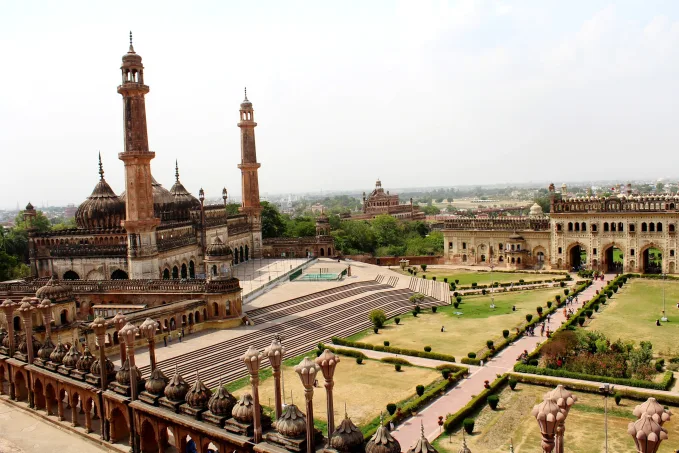
Originally part of the Mughal Empire, it grew increasingly autonomous as the empire weakened in the early 18th century. In 1775, Nawab Asaf-ud-Daula shifted the capital from Faizabad to Lucknow, establishing it as the center of power until the British annexation in 1856.
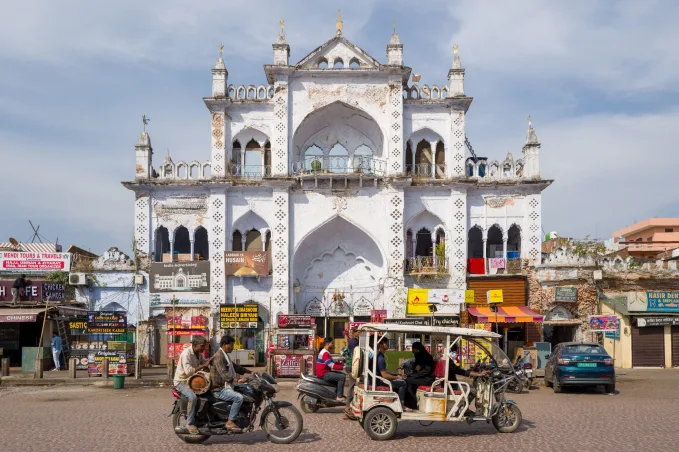
It was here, in the royal kitchens of the Nawabs, that Awadhi cuisine took shape between the 18th and mid-19th centuries. These kitchens drew on culinary traditions already present in the Mughal court — itself influenced by Persian cooking — and refined them using local ingredients from the fertile Indo-Gangetic plains.
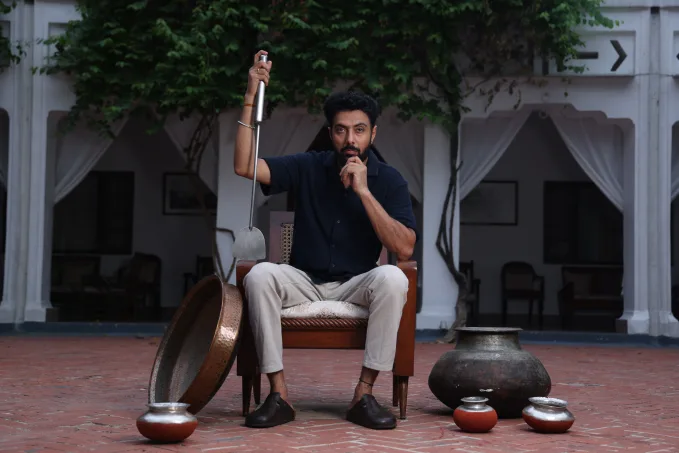
The biggest misunderstanding is that Awadhi cuisine is ‘heavy.’ It isn’t,” Chef Ranveer Brar, a restaurateur and ‘MasterChef India’ judge, tells CNN Travel. “It is delicate. It is nuanced. It is built on restraint. The richness people speak about is not about excess — it is about technique, balance and patience.”
Executive Chef Rohit Joshi of the Taj Mahal Lucknow echoes this distinction.
“The emphasis is on aroma, controlled spice use, and texture — what culinary historians describe as nazakat (delicacy) and nafasat (subtlety),” he adds.
“The idea is not to overwhelm but to harmonize.”
Techniques that define the cuisine
While often grouped under the broad label of “Mughlai,” Awadhi cuisine is unique. Mughlai originated in the imperial kitchens of Delhi and Agra, known for rich gravies and bold spices, whereas Awadhi cuisine developed later in the courts of Lucknow.
If there is one defining feature of Awadhi cuisine, it’s technique.
The best-known dish is dum pukht, a method of slow cooking in a sealed pot. Ingredients are placed inside a heavy-bottomed vessel (handi), the lid sealed — traditionally with dough — and cooked over low heat. Steam remains trapped inside, allowing flavors to develop gradually while retaining moisture.
The technique is often associated with the reign of Asaf-ud-Daula in the late 18th century, when the region faced a severe famine. As part of a work-for-food program, large quantities of rice, meat and vegetables were cooked in sealed pots to feed laborers building the Bara Imambara tomb complex. According to culinary lore, the aromas from these slow-cooked pots drew the Nawab’s attention, leading to the refinement of the dum method in royal kitchens.