Rachel Dolezal Reinvents Herself Again, This Time as a Certified Sex and Relationship Coach
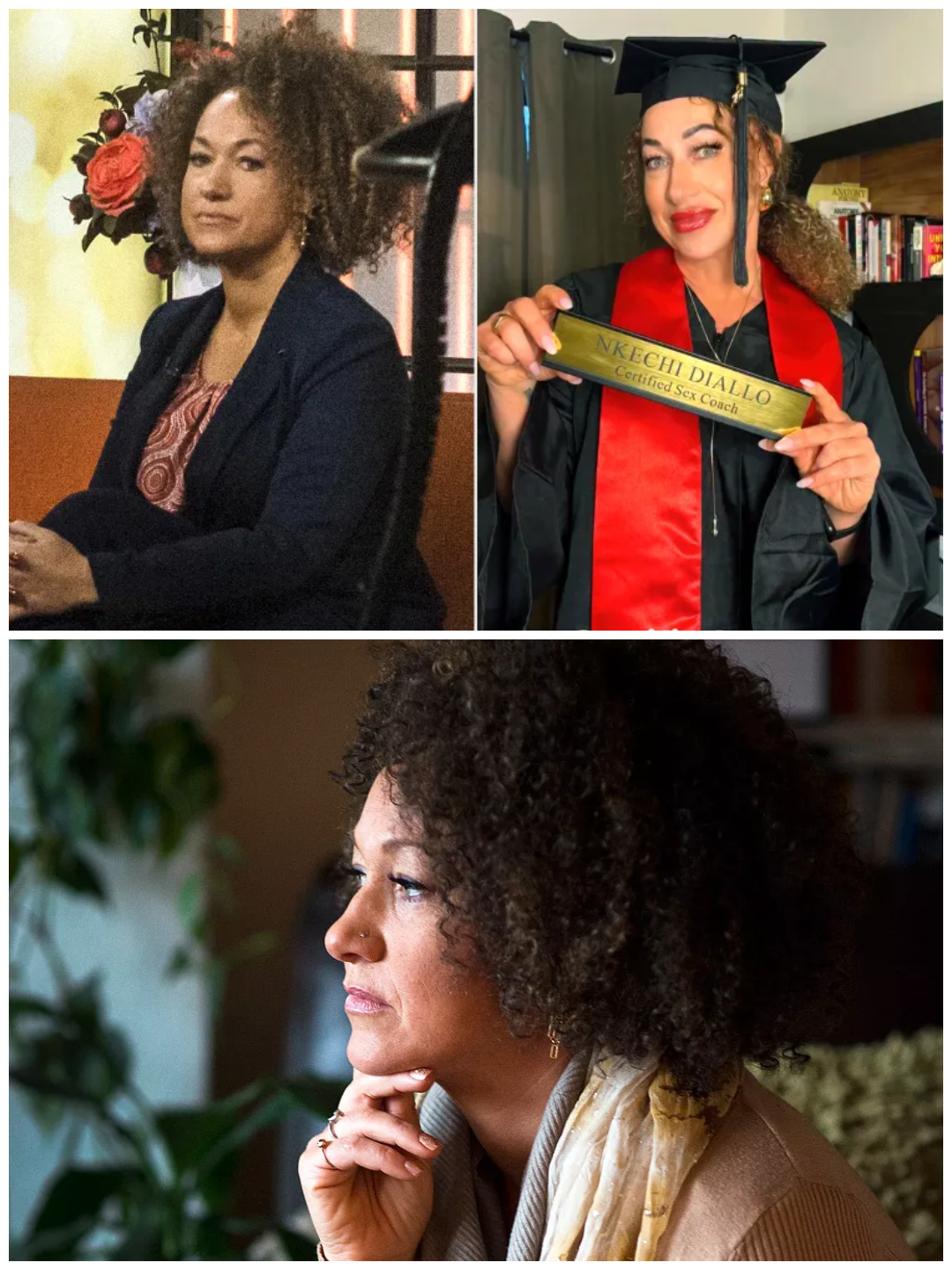
More than a decade after becoming the center of one of America’s most unusual debates about race and identity, the woman once known as Rachel Dolezal is beginning another chapter of her public life.
Now legally named Nkechi Amare Diallo, the former NAACP chapter president announced in September 2026 that she has become a certified sex coach and launched an online practice focused on intimacy, relationships and personal connection.
For someone whose name has been associated with controversy for years, it is another unexpected turn in a life marked by repeated attempts at reinvention.
Diallo, 48, revealed her new career on social media after graduating from the Sexology Institute, which offers professional training in sex coaching. She announced that her online intimacy and relationship coaching business, called Bandwidth, had officially opened and was accepting clients.
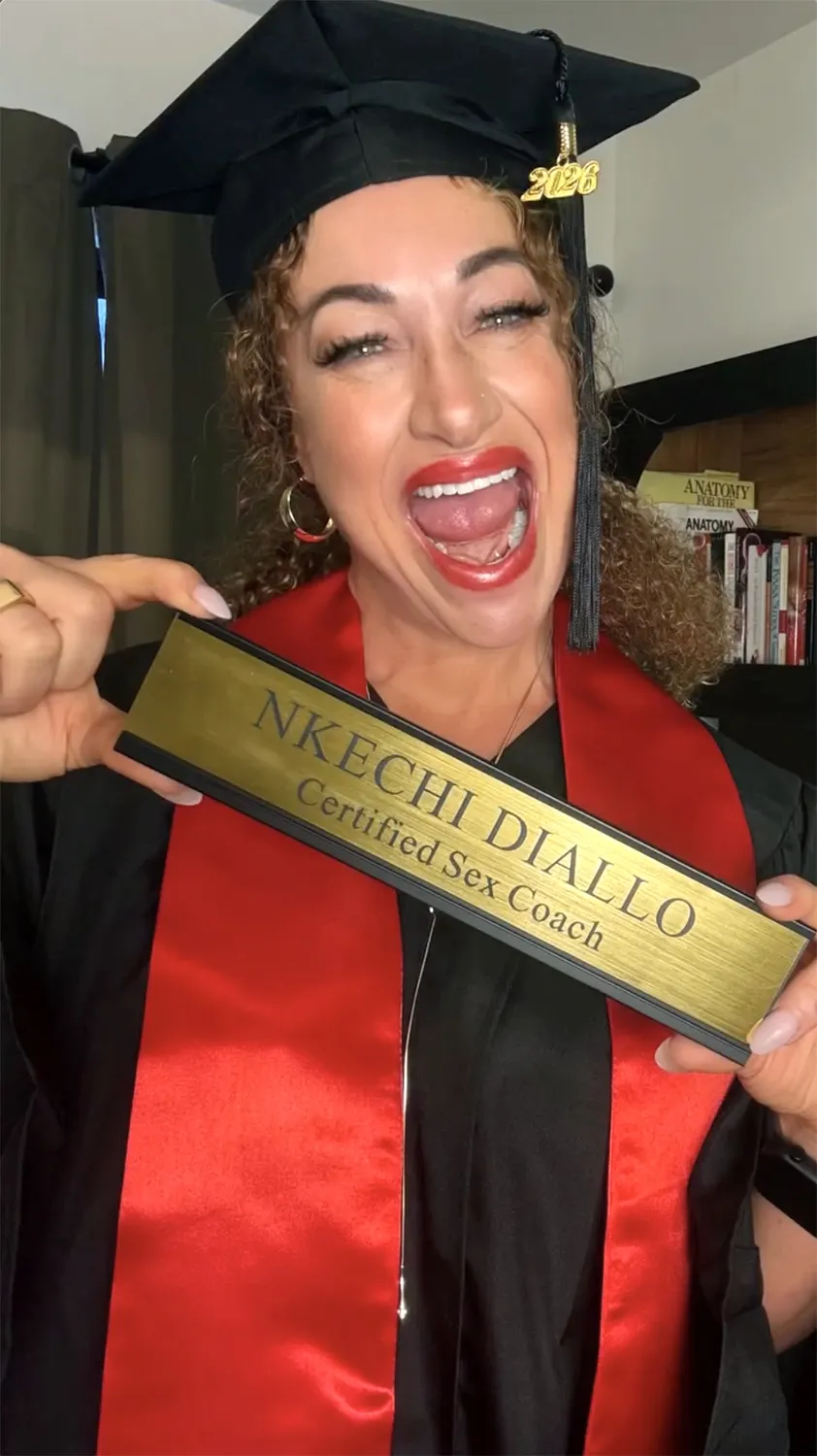
“Certified. I did it! Woohoo, my office is open!” she wrote while sharing graduation photos.
In the images, Diallo appeared in a graduation cap and gown while holding a nameplate displaying her name and new professional title. But behind the celebratory announcement was a more personal explanation for why she says she chose this line of work.
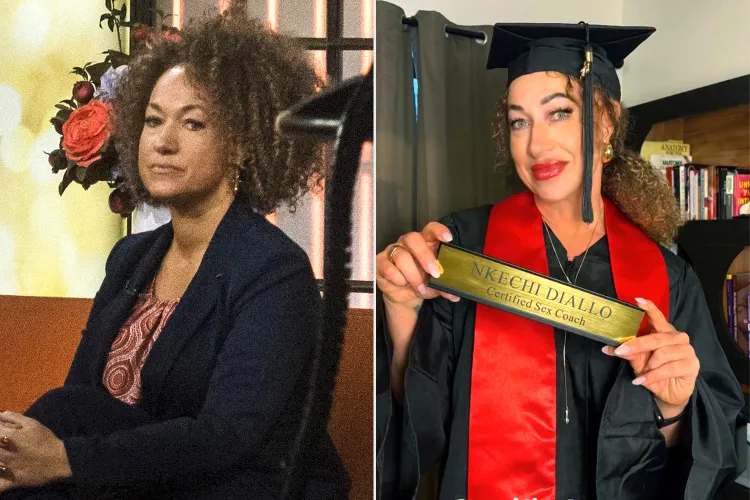
Diallo described her experiences as a single mother of three sons and said she understands how exhaustion, constant alertness and the mental burden of caring for others can affect intimacy and relationships.
“This work is personal,” she wrote, explaining that she believes joy, closeness and feeling fully alive are not luxuries, but capacities that people can intentionally develop.
Her practice appears to be aimed particularly at people who spend much of their lives caring for others, including single parents, parents raising neurodivergent children and people whose professional or personal lives exist outside traditional social expectations.
For many observers, however, the announcement is impossible to separate from Diallo’s complicated public history.
In 2015, she became an internationally recognized figure after questions emerged about the racial identity she had presented publicly.
At the time, she was president of the Spokane, Washington, chapter of the NAACP and had publicly identified as Black. The controversy exploded after her parents, Ruthanne and Larry Dolezal, told local media that their daughter had been born to White parents.
The revelation triggered an intense national discussion about race, identity and whether an individual could legitimately claim a racial identity different from their ancestry. Diallo continued to describe herself as Black and rejected the idea that she had deliberately deceived people.
As public scrutiny intensified, she resigned from her leadership position with the NAACP. She also lost a part-time teaching position at Eastern Washington University.
The consequences were immediate and deeply disruptive.
Speaking to Vanity Fair in 2015, she described losing friendships, employment and professional relationships almost simultaneously.
Yet Diallo did not retreat from her position on her identity. She argued that the controversy reflected conflicting definitions of race rather than dishonesty on her part. She distinguished between describing herself as African American and describing herself as Black, maintaining that the two terms did not mean exactly the same thing to her.
That position remained controversial, and the debate surrounding her never completely disappeared.
Two years after the scandal, in 2017, she legally changed her name to Nkechi Amare Diallo. She later explained that she hoped the change would allow people to evaluate her qualifications and professional experience rather than immediately associating her with the intense media coverage surrounding her former name.
But escaping public attention proved difficult.
Diallo made headlines again in 2024 while working as a teacher in Arizona. She was dismissed after school administrators discovered her OnlyFans account, which they determined violated district employee policies.
Now, two years later, she is once again moving in a different professional direction.
Her transition into sex and relationship coaching adds another chapter to a career that has moved through activism, education, art, online content and now personal coaching.
The new venture also reflects a noticeably different public message.
Rather than centering her work on racial politics or defending the identity controversy that made her famous, Diallo is presenting herself as someone interested in helping clients navigate stress, intimacy and emotional connection.
Her description of Bandwidth emphasizes people who feel overwhelmed by responsibility and disconnected from their own needs. She speaks about “making room” for what matters and helping clients develop greater capacity for relationships and personal fulfillment.
Whether the public will accept that reinvention remains uncertain.
For many people, Rachel Dolezal remains inseparable from the events of 2015. Her name became shorthand for a cultural controversy that raised difficult questions about identity, privilege and authenticity. More than a decade later, those questions still shape how her actions are interpreted.
But Diallo’s latest career move also demonstrates something that has been consistent throughout her years in the public eye: she has repeatedly attempted to rebuild her life after professional and personal setbacks.
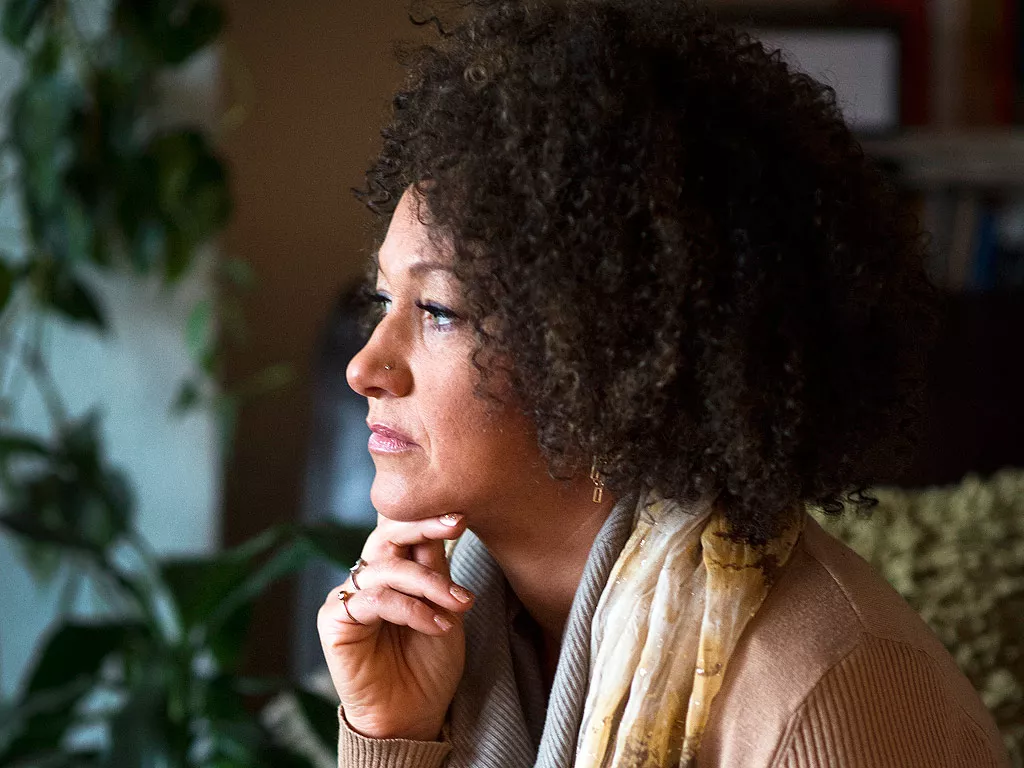
Each reinvention has attracted new attention, and sometimes new controversy.
The woman once known primarily as an NAACP leader became a global news story about racial identity. She later worked in education, created subscription-based online content and continued raising her children. Now she is attempting to establish herself in another field entirely.
Her announcement does not erase the history that made her famous, nor does it resolve the debate surrounding her past.
Instead, it raises a different question.
What happens when a person whose identity has been publicly debated for more than a decade tries to define herself once again?
For Nkechi Diallo, the answer — at least for now — appears to be another new title, another new business and another attempt to move forward on her own terms.