Shaun Cassidy Walked Away From 55,000 Fans—and Found the Life Fame Could Not Give Him
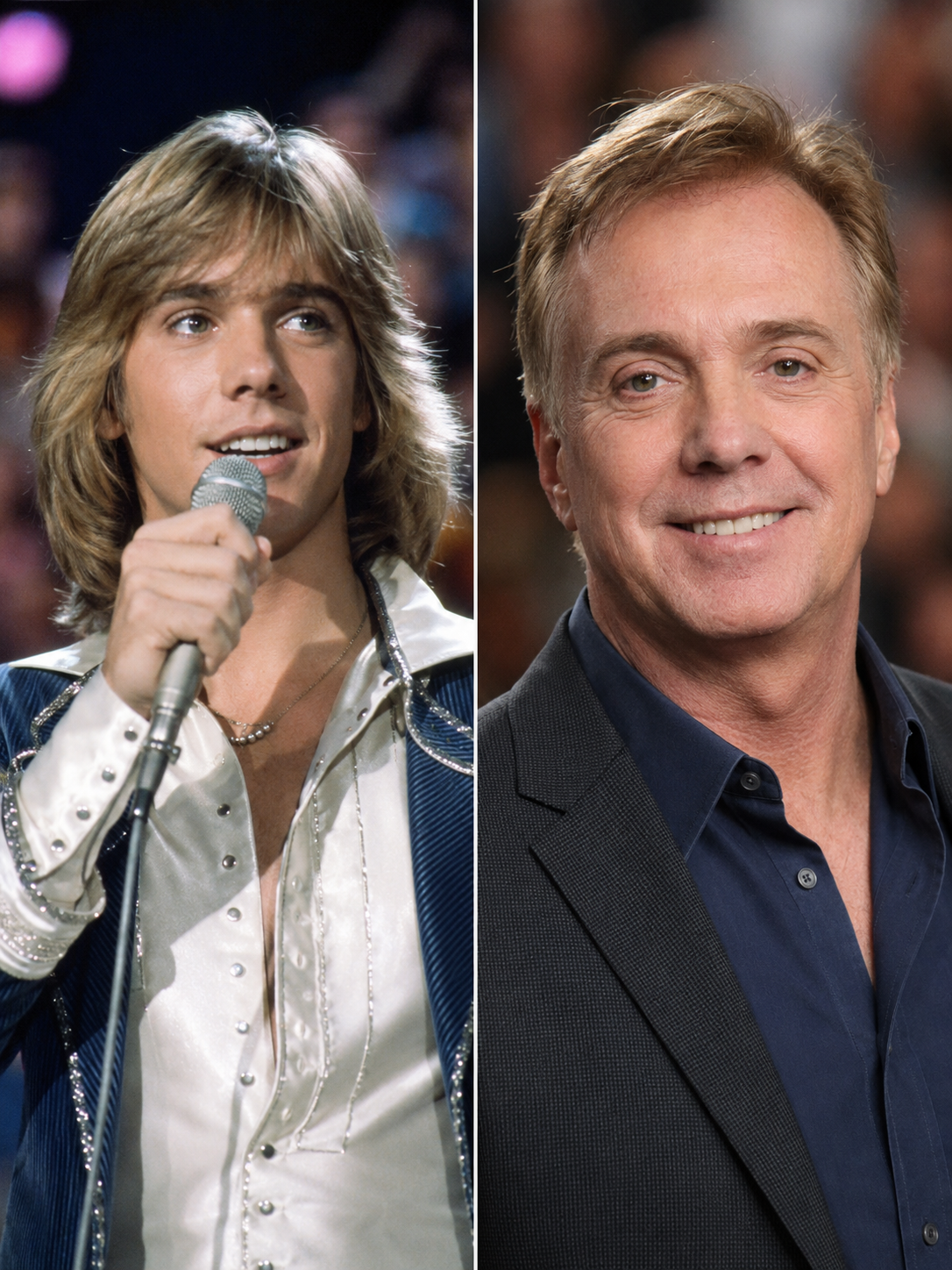
Shaun Cassidy ended a concert at the Houston Astrodome in 1980 by saying goodnight to roughly 55,000 fans.
He assumed he would see them again soon.
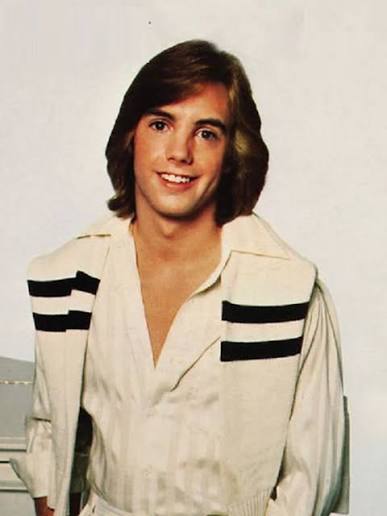
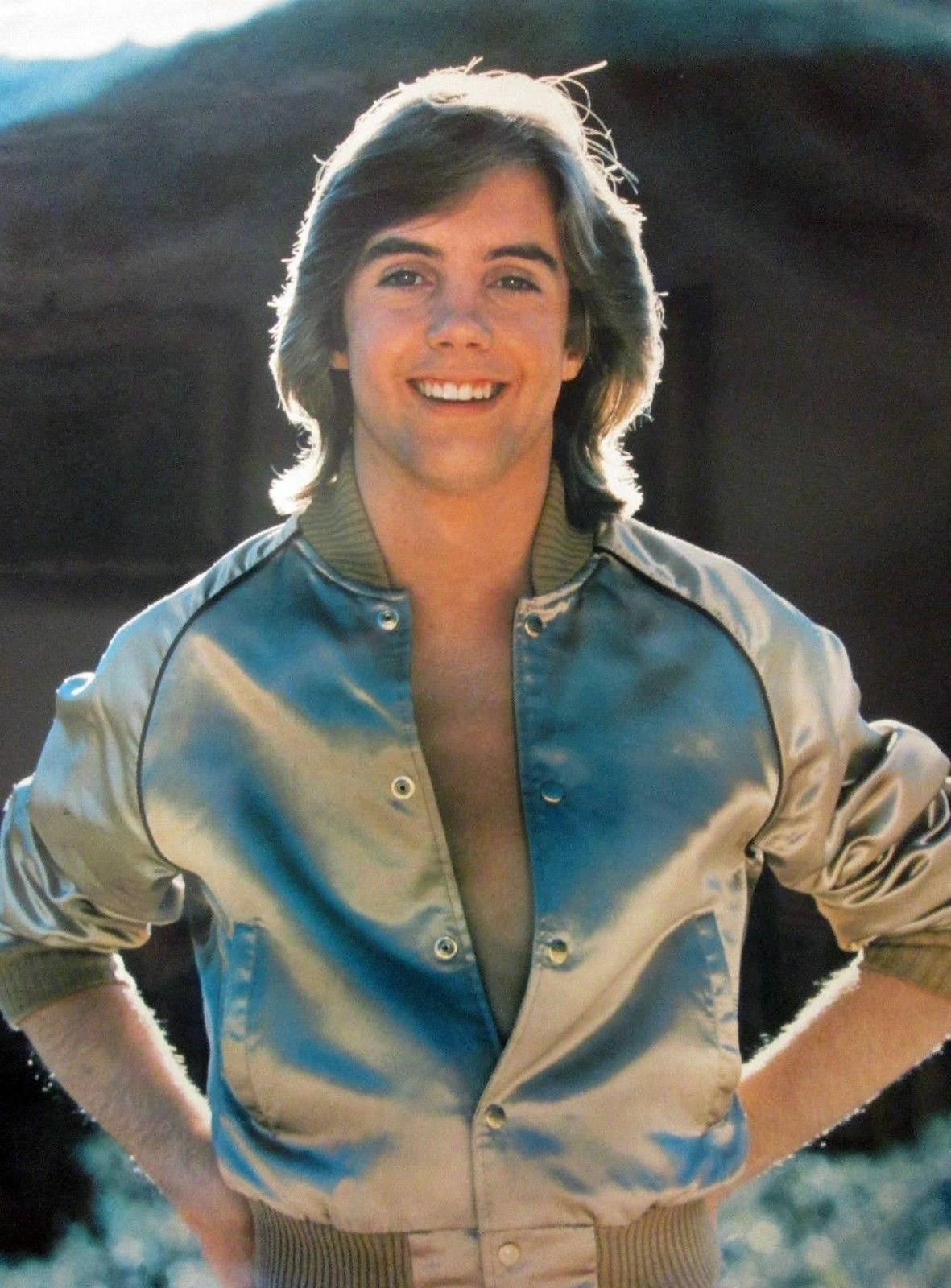
Instead, the 21-year-old singer stepped away from large-scale concerts and did not return to regular live performance for about four decades. The decision looked baffling from the outside. Cassidy had been one of America’s most recognizable teen idols, with a No. 1 single, packed arenas and a face that appeared across bedroom walls and magazine covers.
He did not leave because music had become meaningless to him. Nor did he simply vanish after the audience lost interest.
Cassidy had begun to understand that the career everyone expected him to continue was not necessarily the life he wanted to build.
He wanted stability. He wanted to raise a family. Most of all, he wanted to discover whether he could create something that did not depend on his looks, his last name or thousands of people screaming before he had even sung a note.
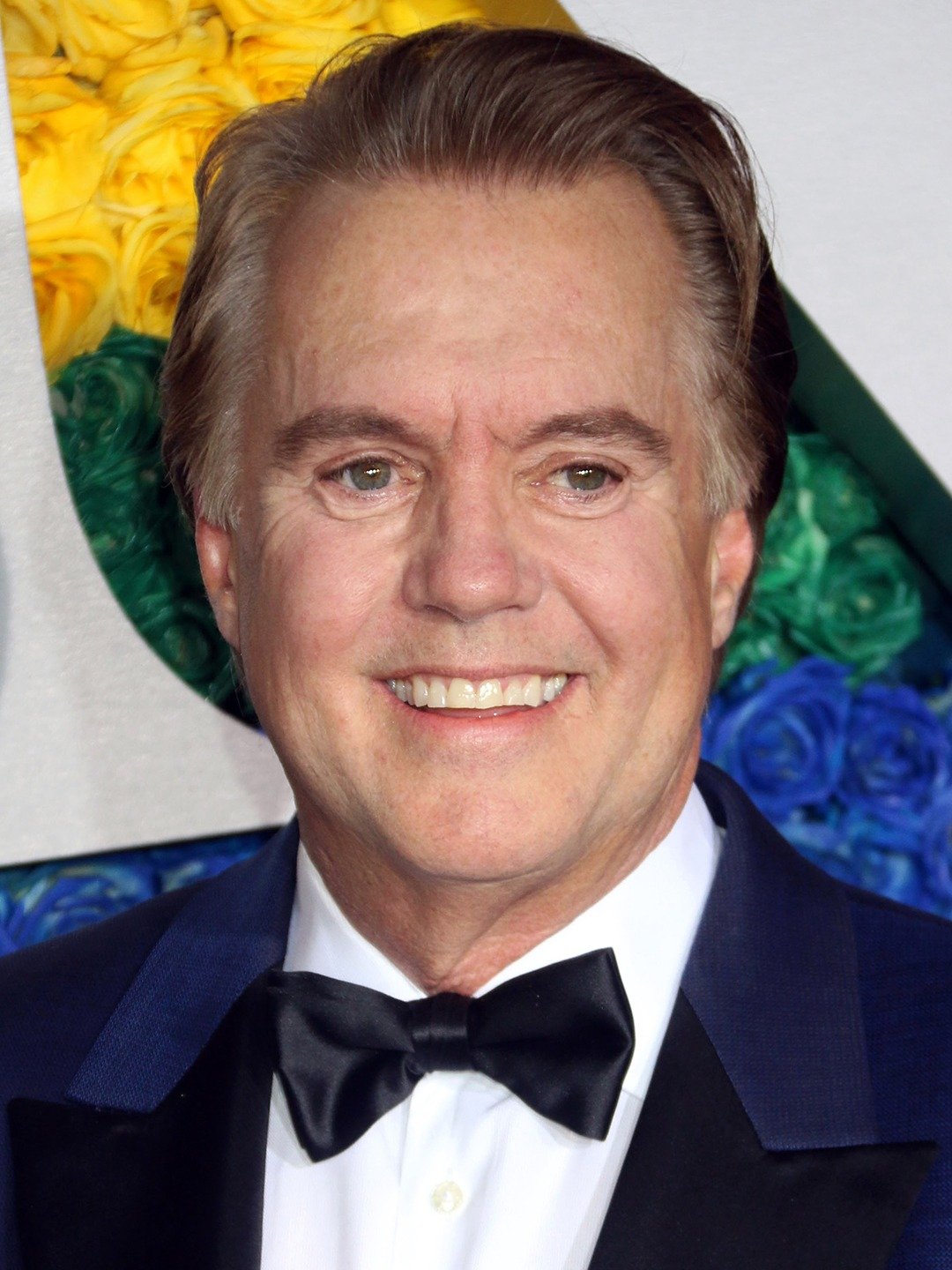
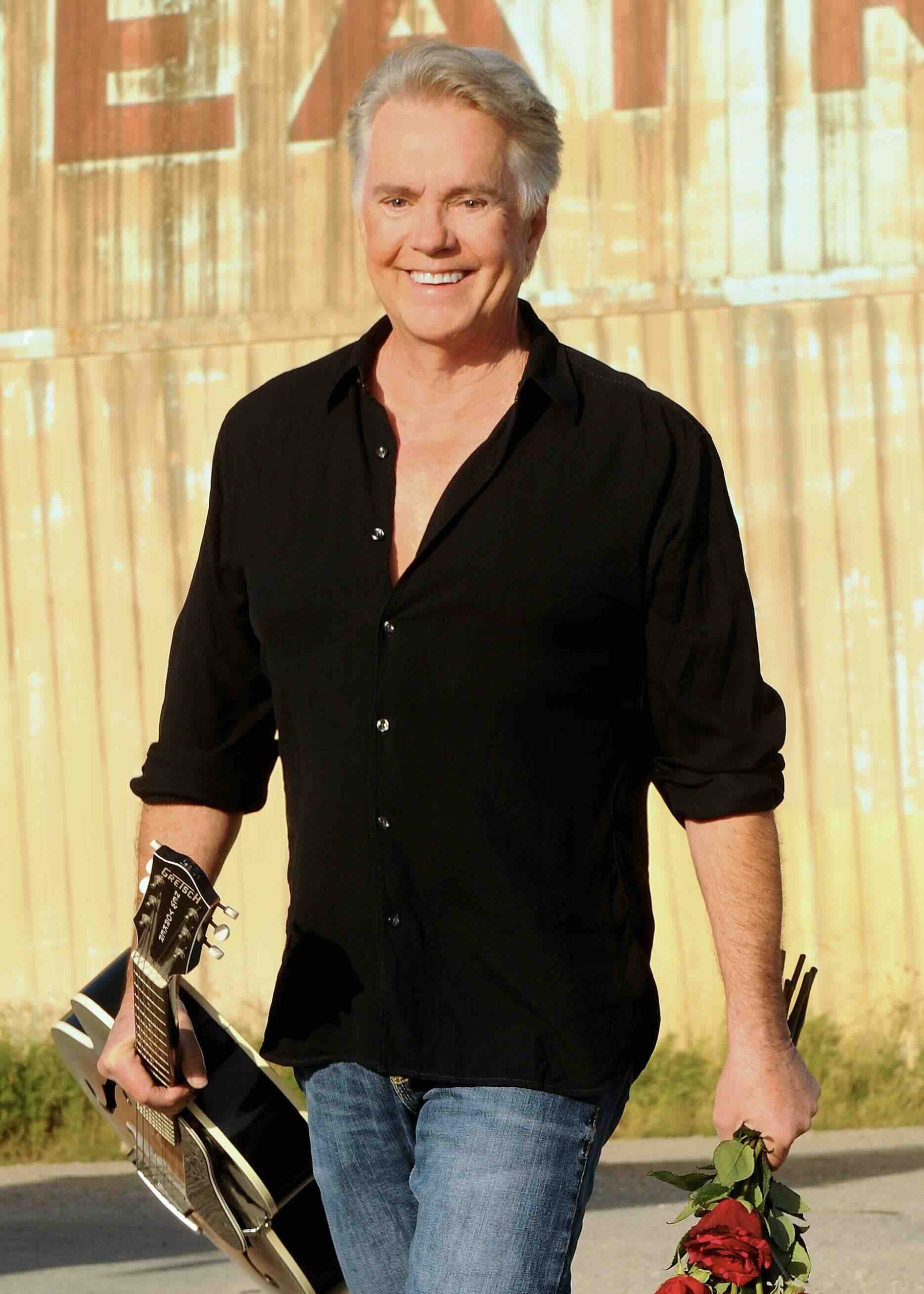
At 67, Cassidy is preparing to return to the road for his UNWRAPPED Holiday Tour in late 2026. This time, several of his children will be watching a version of their father they barely knew existed.
For them, he was a television writer and producer.
For millions of women who grew up in the late 1970s, he was once the boy everyone seemed to want.
Fame Was Already Part of the Family
Cassidy entered show business with a famous name before he had established an identity of his own.
His mother, Shirley Jones, was an Academy Award-winning actress and singer known for films including Oklahoma!, Carousel and Elmer Gantry. She later starred on television in The Partridge Family.
His father, Jack Cassidy, was a celebrated stage actor and singer whose charisma was matched by a complicated private life. Shaun’s older half-brother, David Cassidy, became a defining teen idol through The Partridge Family before Shaun launched his own recording career.
The comparisons were unavoidable.
Shaun could sing, act and attract a young audience, just as members of his family had done before him. By the time he graduated from high school, he had already signed a recording agreement and begun building an international following.
His self-titled debut album reached the United States in 1977. Its lead single, a cover of “Da Doo Ron Ron,” climbed to No. 1 on the Billboard Hot 100. “That’s Rock ’n’ Roll” followed it into the Top 10, while later hits included “Hey Deanie” and “Do You Believe in Magic.”
At nearly the same moment, Cassidy began playing Joe Hardy on ABC’s The Hardy Boys/Nancy Drew Mysteries.
Music, television and magazine exposure reinforced one another. Fans did not merely hear his songs. They saw him solving mysteries each week, read about him in teen publications and attended concerts where the screaming could overwhelm the music.
The success appeared to confirm a family destiny.
Cassidy was not sure it confirmed who he really was.
The Teen Idol Who Kept Looking Toward the Writers
While filming The Hardy Boys, Cassidy found himself increasingly fascinated by the work happening away from the camera.
Acting placed him at the center of the production. The writers’ room revealed where the entire world of the show was being created.
That process interested him more deeply than simply arriving to perform someone else’s lines.
Cassidy later explained that singing and acting felt like paths he had inherited. They were abilities his family understood and careers people naturally expected him to pursue.
Writing felt different.
It offered privacy, control and the possibility of being judged for something other than the image attached to the Cassidy name.
The realization did not immediately end his performance career. He continued acting in television and later worked extensively onstage, including productions in Los Angeles, London and New York.
But the machinery of teen fame had already begun to feel restrictive.
Cassidy wanted what he has described as a more normal and grounded life. At 21, he was married and becoming a father. The relentless cycle of albums, publicity and concerts did not resemble the stability he hoped to create for his own children.
After the Astrodome show, he stopped organizing major concerts.
The departure was so quiet that many fans assumed he had simply disappeared.
In reality, he was beginning the most important reinvention of his life.
Leaving the Stage Did Not Mean Leaving Creativity
Cassidy spent much of the 1980s and early 1990s acting in theater.
He appeared in productions including Mass Appeal, Bus Stop and Blood Brothers. The last project placed him on Broadway opposite David Cassidy, bringing the two brothers together after years in which their careers had been compared.
Backstage, Shaun began working seriously on television ideas.
He wrote a pilot about a small Southern town controlled by a charming, possibly supernatural sheriff. That project became American Gothic, which premiered on CBS in 1995.
The series lasted only one season, but it established Cassidy as a television creator with a distinct voice. Its mixture of family drama, horror and moral corruption attracted a devoted following and opened the door to a long-term career behind the camera.
Cassidy went on to create or produce shows including Roar, Cover Me, The Agency and Invasion. He later worked on established network dramas such as Cold Case and Blue Bloods and served as an executive producer on NBC’s New Amsterdam.
The work rarely made him as publicly visible as his music had.
That was part of its appeal.
A television writer can spend years building stories without becoming the story. Success arrives through scripts, characters and the survival of a production rather than through photographs of his private life.
Cassidy had finally created a professional identity that belonged to him.
The Cost of Being Seen Only as a Former Teen Idol
For years, Cassidy resisted returning to music partly because he feared it could weaken the credibility he had built in television.
He did not want producers, network executives or younger colleagues to see him only as a former teenage heartthrob attempting a nostalgic comeback.
That concern was understandable.
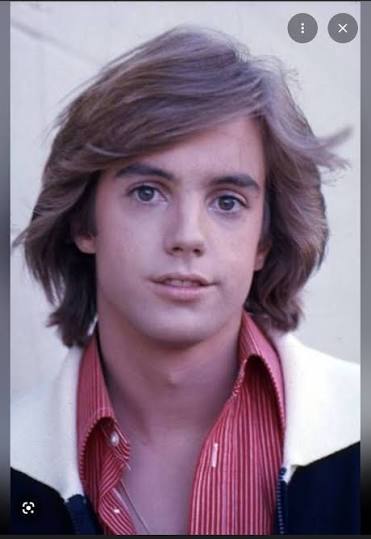
Teen idols are often treated as temporary products rather than serious artists. Once their original audience grows older, returning performers can be reduced to a single photograph, haircut or hit song.
Cassidy had spent decades proving that he could create television without relying on his earlier fame.
Going back onstage risked reopening the identity he had worked so hard to move beyond.
Eventually, however, enough time passed for the meaning of the music to change.
Cassidy returned to live performance around 2020 with a personal show that combined songs and stories from his life. The pandemic delayed the planned tour, but he later resumed performing and discovered that the experience felt different in his 60s.
The audience was no longer made up of teenagers trying to reach the stage.
They were adults bringing decades of memory into the room.
Cassidy could sing the old hits without pretending he was still the boy who recorded them. He could also explain what happened after the magazine covers disappeared.
His Children Meet the Other Shaun Cassidy
Cassidy has seven children, many of whom grew up understanding their father primarily through his television work.
They knew he wrote scripts, attended production meetings and developed shows. His years as one of America’s most intensely followed young singers belonged to photographs and stories from before they were born.
That changed when they began seeing him perform.
Cassidy has described the surprise of watching his children encounter fans who still react emotionally to his appearance. Women who once kept his picture on their walls now stand in theaters cheering for the man their children know simply as Dad.
The experience has allowed two parts of his life to meet.
His family sees the scale of the past he rarely displayed at home. His original fans see the writer, father and grandfather who existed after the public stopped paying attention.
The return is therefore larger than nostalgia.
It gives Cassidy an opportunity to reclaim music without surrendering the identity he built away from it.
Returning Without Undoing the Decision to Leave
Cassidy’s upcoming UNWRAPPED Holiday Tour is scheduled to run from early November through mid-December 2026.
The shows are expected to combine his best-known songs, holiday music, newer material and stories from a life divided between performance and production.
The tour does not represent an admission that leaving music was a mistake.
Cassidy has said that the long absence may be one reason performing feels fresh now. He did not spend 40 years repeating the same concert until it became an obligation.
He left, raised children and learned another profession.
When he returned, music was something he could choose rather than something the marketplace required him to remain.
That difference explains why his story carries more weight than the familiar tale of a forgotten singer seeking one more moment of applause.
Shaun Cassidy was not merely waiting for the public to remember him.
He had built a life that did not require it.
The Courage to Leave While People Were Still Cheering
Popular culture often defines success as remaining visible for as long as possible.
Artists are praised for extending their peak, protecting their brand and refusing to leave the spotlight. Walking away can look like surrender, especially when the audience is still present.
Cassidy’s life suggests another possibility.
The Astrodome crowd represented enormous success, but it could not give him stability or a separate identity. Staying might have preserved his image as a singer for a few more years. Leaving allowed him to discover that his strongest creative instincts belonged behind the camera.
He became a father, writer and producer rather than spending adulthood chasing the intensity of teenage fame.
Now, when he walks onstage, he does not need the audience to prove that his life mattered after 1980.
The television career, family and decades outside the spotlight have already done that.
The screams may return during the 2026 tour. The songs will remind fans who he was when they first saw him.
But the most important part of Shaun Cassidy’s story happened after he said goodnight to 55,000 people.
He had the courage to become someone they could no longer see.