The Ghost Director Didn’t Want Patrick Swayze to Audition — One Screen Test Changed His Mind
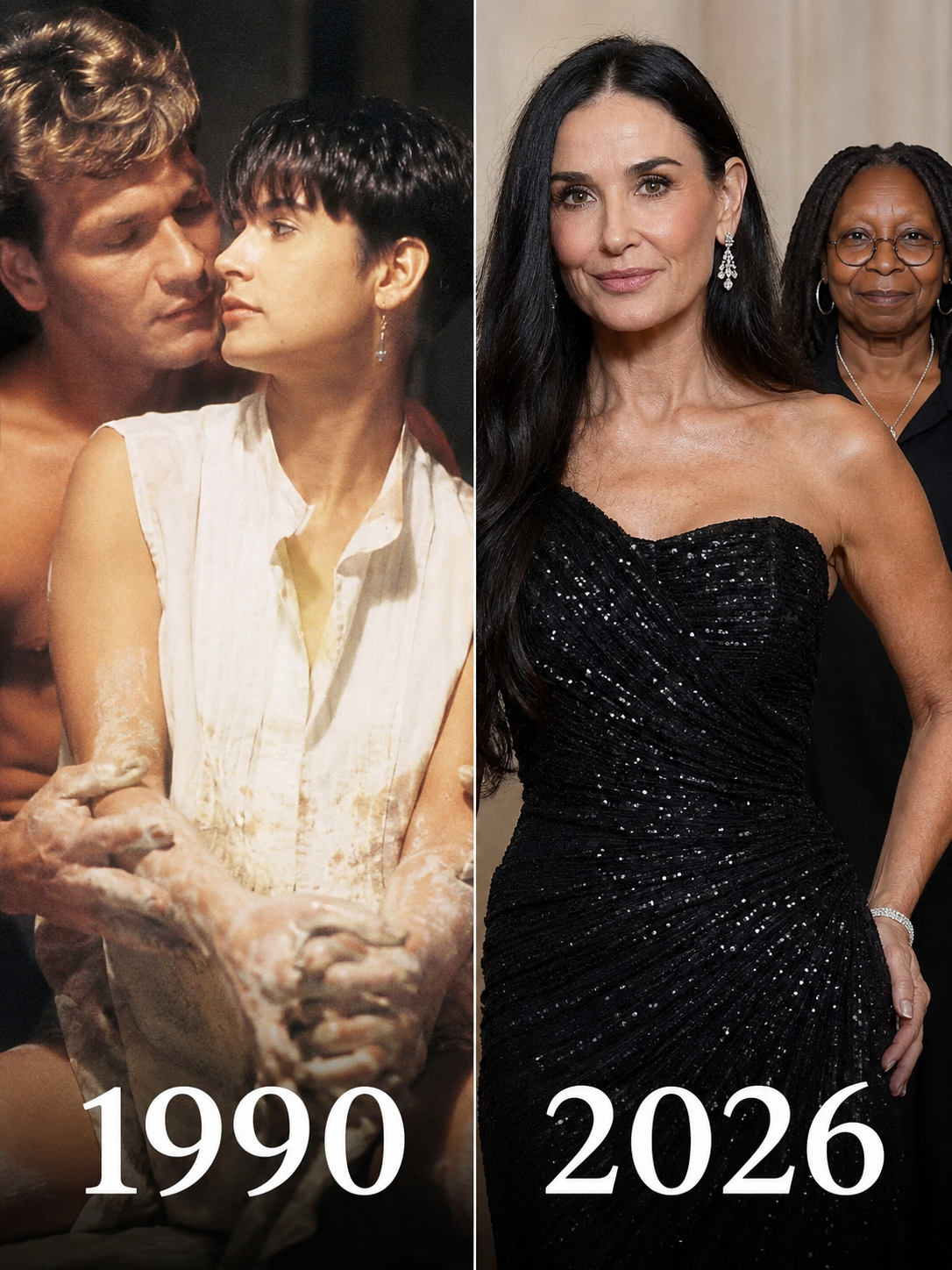
When audiences think of Ghost, they usually remember Patrick Swayze and Demi Moore together.
They remember Sam Wheat and Molly Jensen as one of the defining romantic couples of early-1990s movies. They remember the pottery scene, the grief that hangs over the story, and the emotional pull of a love story that keeps going even after death. They also remember that Ghost, released in 1990, somehow blended romance, suspense, comedy and the supernatural into something that felt completely its own.
It is hard to imagine the movie without Swayze at the center of it.
But at the beginning, director Jerry Zucker was not eager to imagine him there at all.
In fact, Zucker did not even want Swayze to audition.
He had a very different impression of the actor, shaped largely by Swayze’s action-star image at the time. Only after giving him a screen test with Demi Moore did Zucker finally change his mind — and the moment that did it came when Swayze read the film’s ending.
Zucker Saw Road House, Not Sam Wheat
By the time Ghost was coming together, Swayze was already well known.
He had become a major star through Dirty Dancing, and audiences also knew him from tougher, more physical roles, including Road House. That combination made him recognizable, but it also created a problem.
To Zucker, Swayze initially looked like the wrong fit for Sam Wheat.
Sam needed warmth, vulnerability and emotional depth. He was not just a romantic lead. He had to carry the heartbreak at the center of the movie. The audience needed to believe not only that Molly loved him, but that the pain of losing him would stay with her through the entire story.
Zucker later admitted that when Swayze’s name first came up, he resisted the idea strongly. He had a fixed image of the actor in his head, and that image did not match the man he thought Ghost needed.
Swayze, however, saw something Zucker did not.
He read the script and wanted it badly.
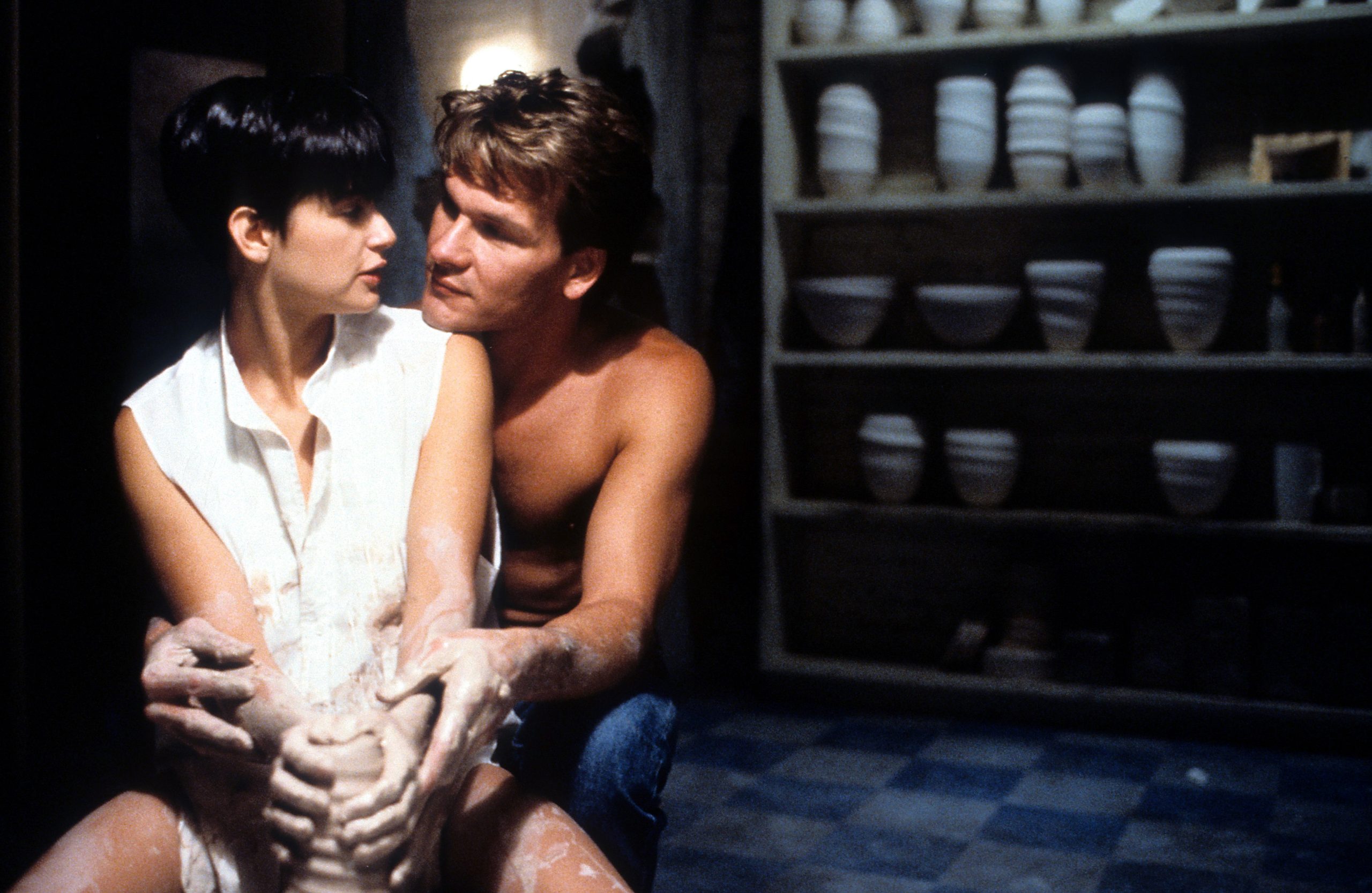
Swayze Did Not Let the First No End the Conversation
One reason this story has lasted is that Swayze was not the passive recipient of a lucky break.
He pushed for the opportunity.
He responded powerfully to the screenplay and was determined to read for Sam. Even though Zucker was unconvinced, Swayze kept pursuing the role. He wanted the chance to show that he could bring something more than the physical image the director had associated with him.
That persistence mattered.
There are plenty of stories in Hollywood about actors who almost got a part because someone else championed them. This one also involves an actor believing he understood the character better than the people hesitating to cast him.
Eventually, Zucker agreed to let Swayze do a screen test with Demi Moore.
That decision changed the movie.
The Turning Point Came When He Read the Ending
The answer to the big question is simple: Patrick Swayze read the ending scene of Ghost during his screen test, and it changed Jerry Zucker’s mind immediately.
Zucker later remembered that when Swayze performed the ending, the emotional effect in the room was unmistakable. The reading did not just work. It moved people.
That was the moment the director realized he had been looking at the actor too narrowly.
The man he had associated with Road House suddenly revealed the exact tenderness and feeling Sam Wheat required. This was not simply a tough, charismatic star trying to fit into a romantic fantasy. He could reach the emotional core of the story.
According to Zucker’s memory, the decision came fast.
As soon as Swayze left the room, the director knew he was the one.
The role that had almost been closed to him was effectively his the moment the screen test ended.
Why That One Scene Mattered So Much
It makes sense that the ending was the scene that changed everything.
Ghost depends on the audience believing Sam and Molly’s bond all the way through the movie. Without that, the thriller elements would still function, and the comedy with Oda Mae Brown could still entertain, but the film would lose the thing that made it linger emotionally.
The ending is where all of that has to pay off.
A screen test built around the final emotional release would immediately expose whether an actor could carry Sam’s most important qualities. Zucker needed to see sensitivity, sincerity and heartbreak. Swayze gave him exactly that.
It also helped that the test was with Moore.
The chemistry between Sam and Molly had to feel lived-in, not manufactured. Their relationship anchors the entire story. Seeing Swayze and Moore together gave Zucker a clearer view of how the movie might actually feel.
That chemistry became one of the reasons Ghost worked so powerfully with audiences.
But the story did not stop with Swayze winning the role.
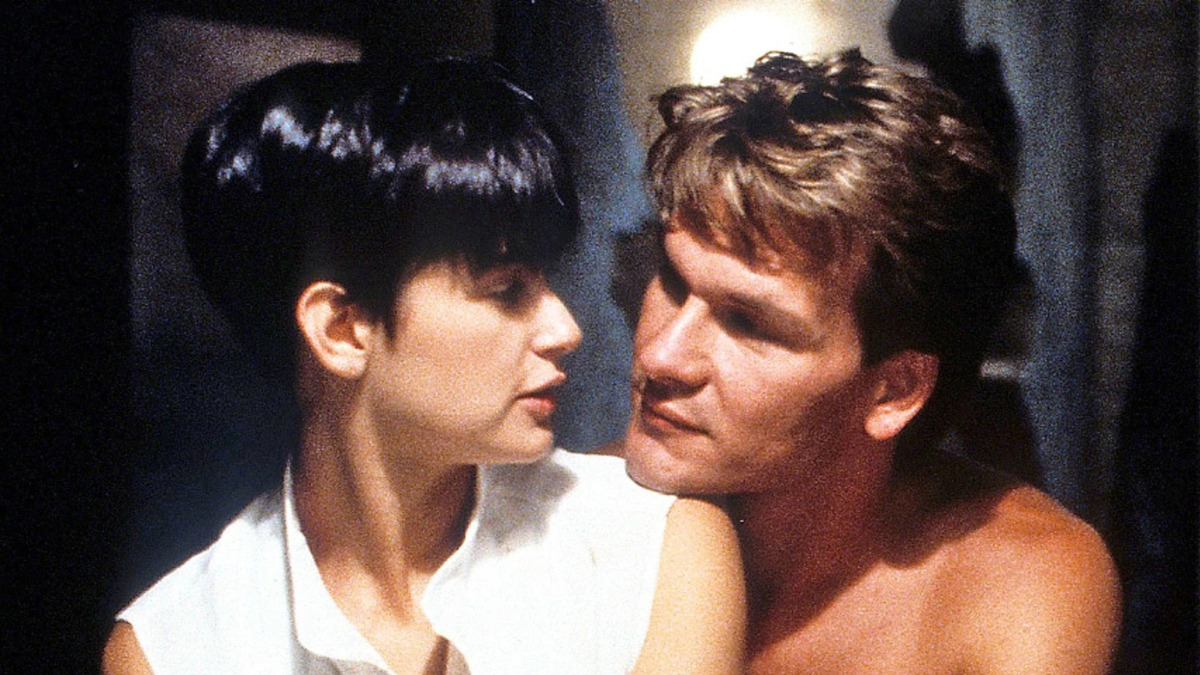
After Winning Over Zucker, Swayze Helped Push Another Key Casting Choice
The second part of the story is one of the most satisfying.
Once Swayze had convinced Zucker to see him differently, he became an advocate for someone else the director was not fully sold on: Whoopi Goldberg.
Goldberg’s eventual role as Oda Mae Brown is now inseparable from Ghost. She brings the comic energy that keeps the film from becoming too heavy, but she also becomes emotionally essential to Sam’s journey. Her performance gives the movie a completely different rhythm.
At first, though, Zucker was unsure about her too.
Swayze helped push for Goldberg to audition, much as he had fought for his own chance earlier. That detail gives the casting story a second layer. The actor the director did not want to audition became one of the reasons another crucial performer got in the room.
And this time again, the result justified the risk.
Goldberg not only became one of the film’s standout elements, but went on to win the Academy Award for Best Supporting Actress.
Ghost Worked Because the Movie Needed More Than One Kind of Magic
Looking back, Ghost feels unusually well balanced.
It has a deeply emotional love story. It has suspense. It has supernatural rules the audience has to accept. And then it has Whoopi Goldberg bringing comic timing and chaos without breaking the movie’s emotional spine.
That balance only works because the casting ended up right.
Swayze had the tenderness Zucker originally doubted.
Moore gave Molly a quiet emotional credibility.
Goldberg added a wholly different energy and still fit the film.
It is especially striking that two of those key ingredients almost did not happen because Zucker’s first instincts were skeptical. In both cases, someone had to push beyond a first impression.
Swayze first did it for himself.
Then he did it again for Goldberg.
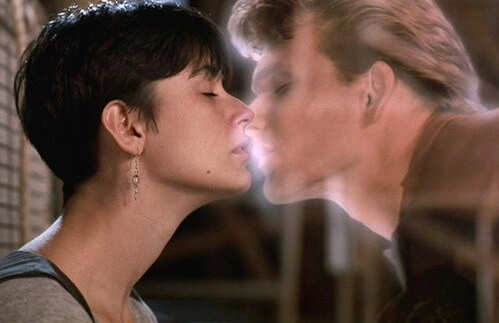
One Screen Test Changed More Than One Casting Decision
Today, the idea of anyone other than Patrick Swayze playing Sam Wheat feels almost impossible.
His performance is so central to Ghost that it is easy to assume he must have been the obvious choice from the beginning. He was not.
Jerry Zucker saw an action image and hesitated. Swayze saw the heart of the story and insisted on the chance to prove himself.
When he finally got that chance, he did it with the scene that mattered most: the ending.
That reading changed Zucker’s mind so completely that the role was decided almost the moment Swayze walked out of the room.
And because Swayze was there, the movie later got another key piece of itself in Whoopi Goldberg.
For a film about love surviving after everything seems lost, it is fitting that Ghost began with one casting choice that almost never happened — and one emotional scene that made it impossible to say no.