Tom Cruise Got Sick During the Flight Meant to Sell Him on Top Gun — His Next Move Surprised Everyone
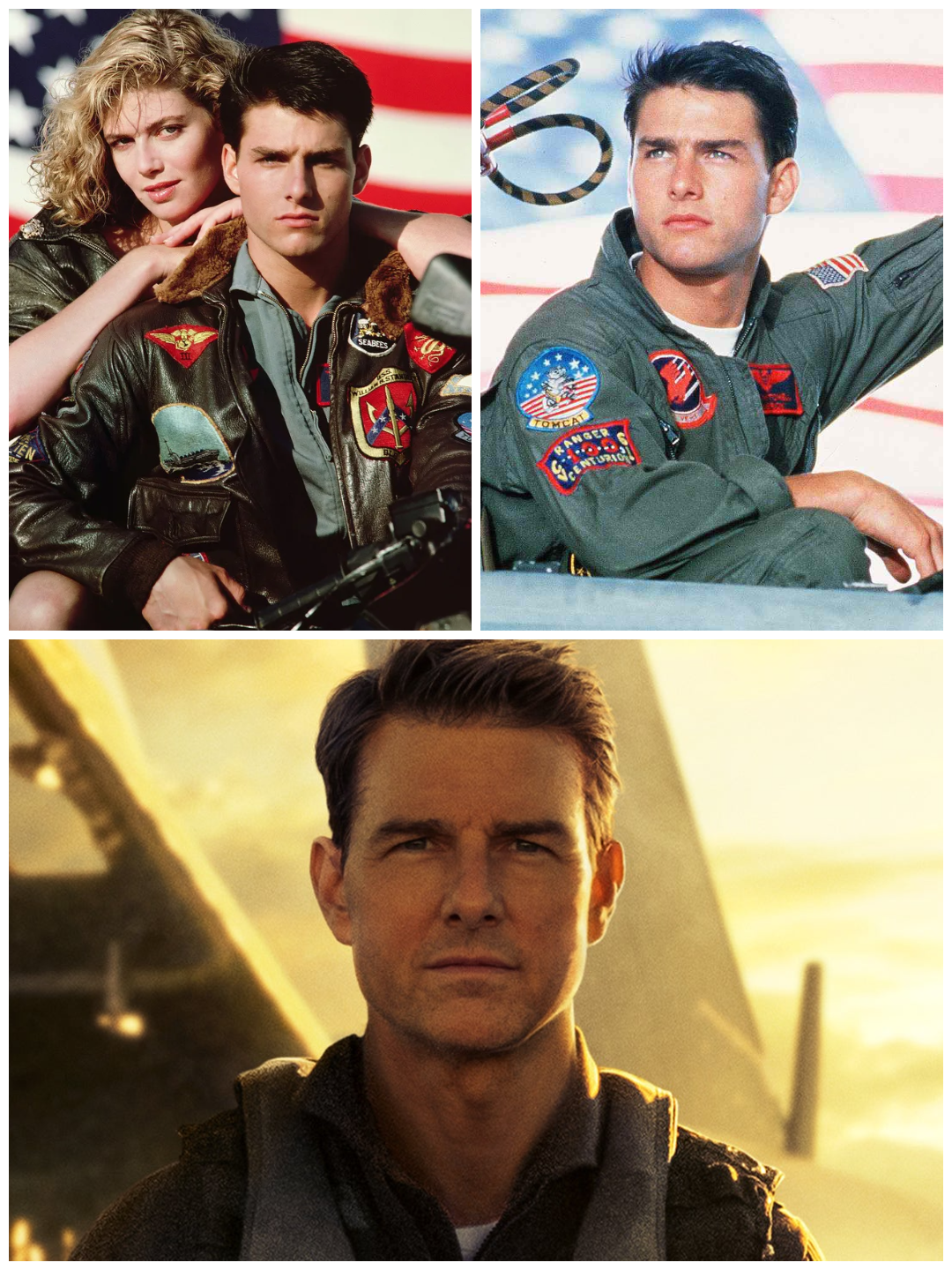
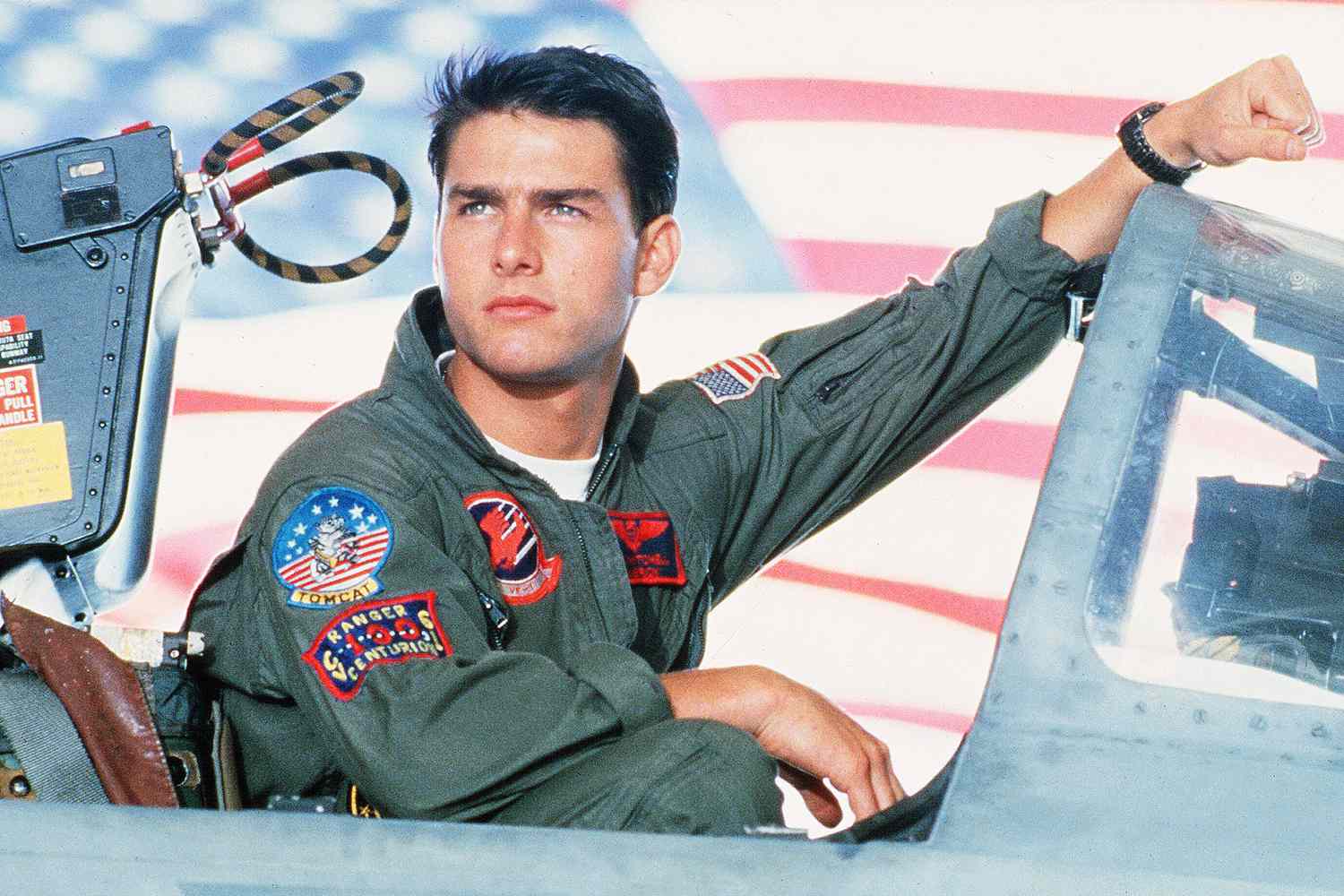
When Tom Cruise walks toward an F-14 in Top Gun, there is no hesitation.
As Pete “Maverick” Mitchell, he seems to belong around fighter jets from the opening minutes of the 1986 movie. The flight suit, aviator sunglasses, motorcycle and hunger for speed became so closely associated with Cruise that four decades later he would return to the character in Top Gun: Maverick.
But before the original movie, Cruise was not nearly as committed to Maverick as Maverick was to flying.
Producer Jerry Bruckheimer and the filmmakers wanted him. Cruise still had not fully said yes.
So Bruckheimer decided that describing the experience of naval aviation was not enough.
He arranged for Cruise to experience it.
The young actor climbed into an aircraft with the Blue Angels and was put through a punishing series of maneuvers. The ride became intense enough that Cruise got sick in the plane.
Then he landed.
What he did next told Bruckheimer that the search for Maverick was over.
The Filmmakers Had Cruise in Mind Before He Had Top Gun in Mind
Cruise was already rising quickly in Hollywood.
His early performances had established an energy that screenwriter Jack Epps Jr. believed could work perfectly for Pete Mitchell — a gifted young Navy pilot whose confidence sometimes pushes directly into recklessness.
Maverick could not simply look good beside an airplane.
The character needed competitiveness, charisma and the feeling that sitting safely on the ground was almost unnatural to him.
Cruise possessed those qualities on screen.
Bruckheimer and his producing partner Don Simpson agreed that he was the actor they wanted.
Convincing Cruise was another matter.
He was not simply waiting for the producers to hand him the role. He had questions about the project and had yet to give the commitment the filmmakers wanted.
Bruckheimer needed something stronger than another meeting.
He needed Cruise to understand what the movie could feel like.
Bruckheimer Put Him in the World the Movie Was Trying to Capture
That led to the Blue Angels.
Instead of selling Cruise on naval aviation with concept art or a long conversation, Bruckheimer arranged for him to fly with the Navy’s famous flight demonstration team.
At the time, Cruise looked quite different from the clean-cut Maverick audiences would eventually know.
He had long hair from making Legend.
In Bruckheimer’s recollection, the pilots saw the young Hollywood actor with his long hair and decided to make sure he received a serious introduction to high-performance flying.
They did not give him a gentle sightseeing trip.
Cruise was subjected to powerful maneuvers and heavy G-forces — the kind of physical experience that cannot really be understood by watching someone else go through it.
The plan certainly gave him a memorable flight.
Perhaps more memorable than anyone intended.
Cruise Got Sick — But It Didn’t Scare Him Away
The Blue Angels put Cruise through enough that he vomited during the flight.
For many actors, that might have produced exactly the opposite result from what Bruckheimer wanted.
Cruise could have climbed out, decided that spending months making a movie centered on fighter aviation sounded miserable, and walked away.
Instead, the physical punishment had apparently unlocked something.
The speed, force and intensity of the experience gave him a direct connection to the world Top Gun was trying to put on screen.
Getting sick had not ruined the experience for him.
He loved it.
And he did not wait long to tell Bruckheimer.
He Walked to a Phone Booth and Said He Was In
The answer to the central question is wonderfully cinematic.
After getting out of the aircraft, Tom Cruise walked to a nearby phone booth, called Jerry Bruckheimer and told him he was in.
The flight had settled the issue.
Bruckheimer no longer needed to keep convincing him.
Cruise wanted to make Top Gun.
The detail is especially striking now because Cruise would eventually become famous for pushing himself physically in movies — flying aircraft, hanging from enormous heights and insisting on practical experiences whenever possible.
But in the mid-1980s, that reputation had not yet become a defining part of his public identity.
The Blue Angels flight offered an early glimpse of it.
An experience intense enough to make him sick did not make him retreat.
It made him want more.
The Ride Helped Connect Cruise to Maverick
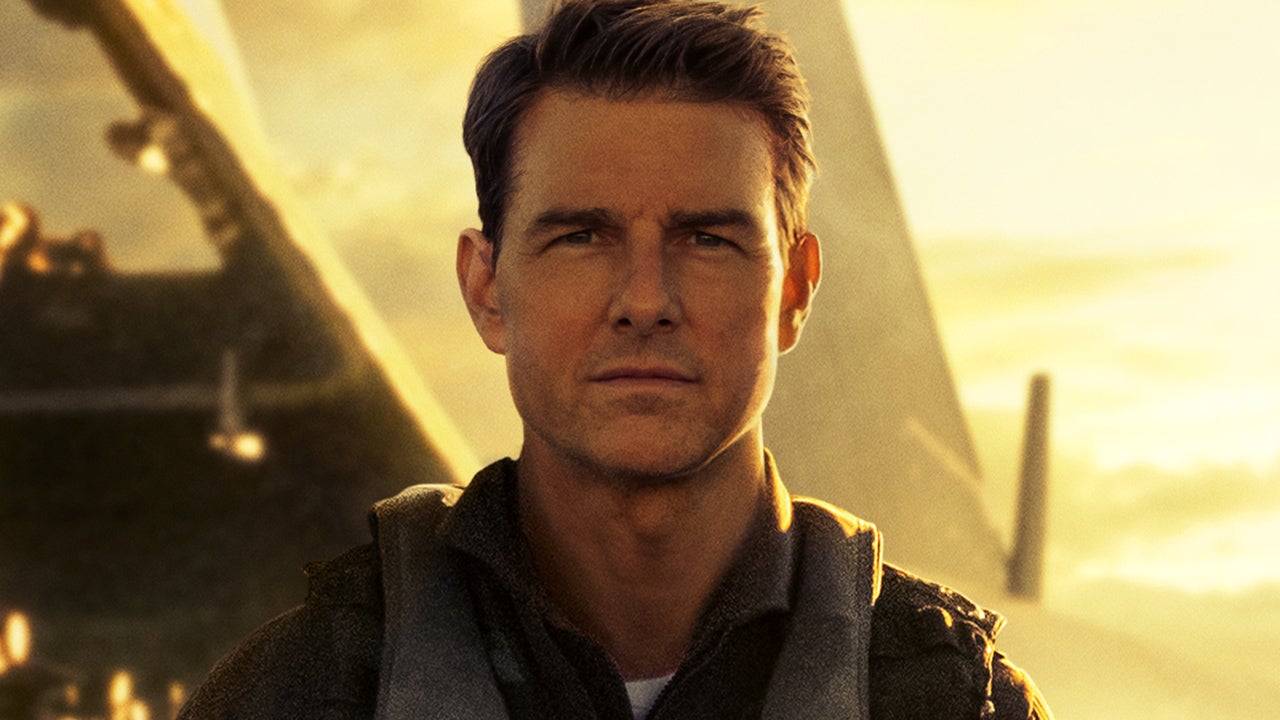
The story also explains why the casting ultimately made so much sense.
Maverick is a character who responds to risk differently from most people.
Where another person sees danger, he often sees exhilaration.
Where someone else might back away, Maverick pushes closer.
That quality creates many of his problems in the movie. He is immensely talented, but his instinct to push boundaries puts pressure on his relationships with instructors, rivals and his radar intercept officer, Goose.
Cruise’s reaction to the Blue Angels flight contained a little of that same energy.
He had just experienced how physically demanding the world could be.
And his response was not, “Never again.”
It was essentially: I want to make this movie.
That enthusiasm gave the filmmakers something difficult to manufacture.
Cruise did not merely need to pretend flying fascinated him.
He had now felt why it could.
Top Gun Turned Cruise Into Something Bigger
Once Cruise committed, the pieces came together around him.
Tony Scott directed the movie with a visual style that made flight feel glamorous, dangerous and almost mythic. Val Kilmer’s Iceman gave Maverick the rival he needed, while Anthony Edwards’ Goose provided the friendship that gave the film much of its emotional weight.
Cruise became the center of it.
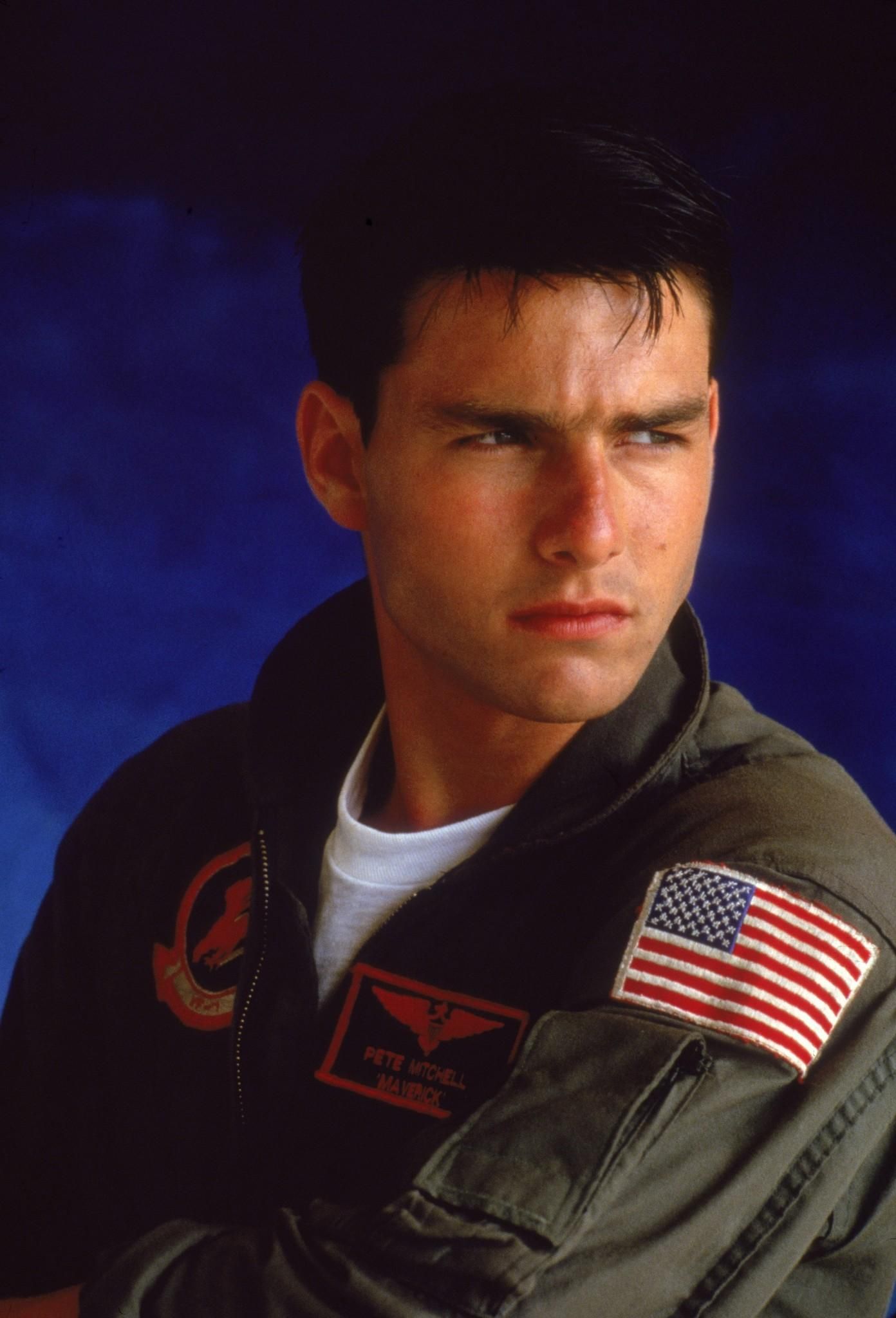
When Top Gun arrived in 1986, Maverick became one of the defining characters of his career.
The movie’s sunglasses, jackets, motorcycles and soundtrack became cultural shorthand for an entire era.
And Cruise’s relationship with aviation did not end when the production did.
The actor eventually became a pilot himself, making the story of that first Blue Angels flight feel almost like the beginning of something much larger.
Four Decades Later, the Story Had Become Even More Appropriate
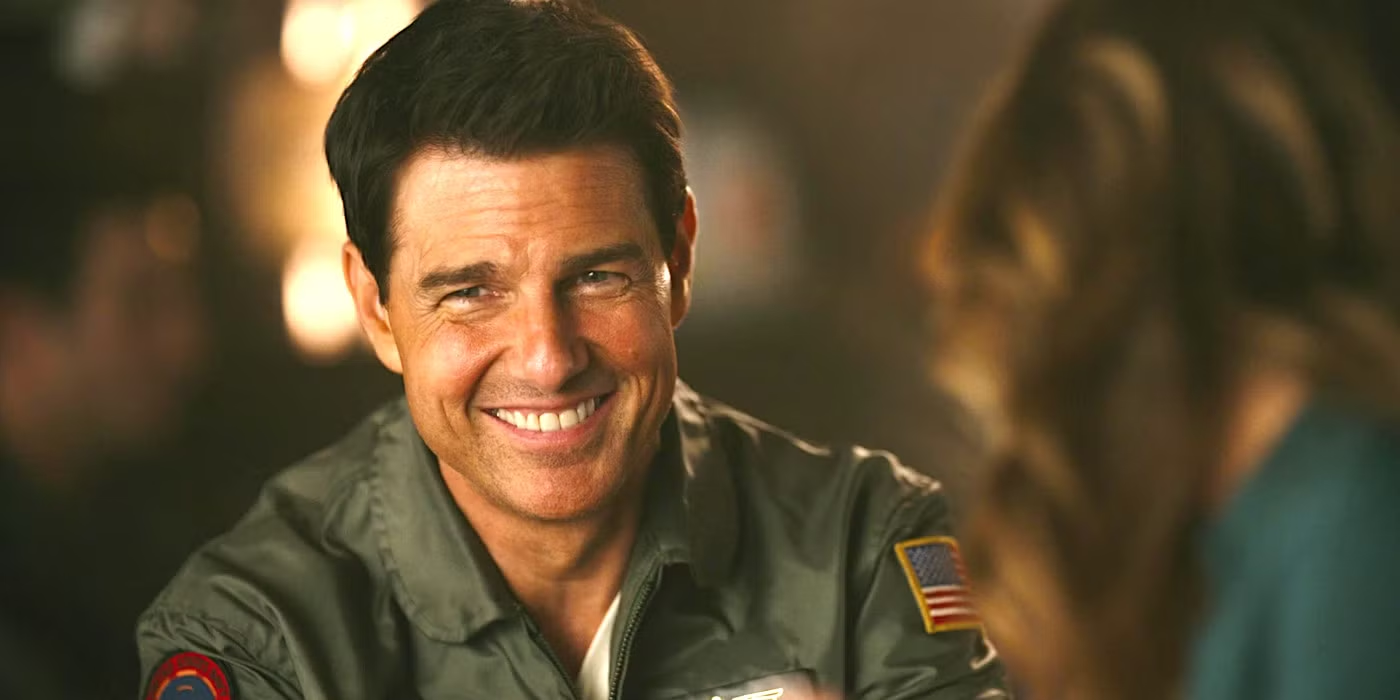
By the time Top Gun reached its 40th anniversary in 2026, the idea of Tom Cruise being hesitant about an aviation movie sounded almost strange.
His commitment to flying had become part of the franchise’s identity.
When Top Gun: Maverick arrived in 2022, Cruise’s insistence on giving audiences a convincing physical experience of flight helped connect the sequel to what had made the original special.
That makes Bruckheimer’s story from the first film especially satisfying.
Long before Cruise could have known that Maverick would follow him across four decades, the producer faced a simple casting problem: the actor he wanted had not fully committed.
So he stopped trying to explain Top Gun to him.
He let Cruise feel it.
The Blue Angels tossed him through the sky hard enough to make him sick.
Cruise climbed out, found a phone and called Jerry Bruckheimer.
He was in.
Before Maverick ever said he felt the need for speed, Tom Cruise had already discovered it for himself.