When Representation Becomes Real: The Young Performer Changing What Deaf Stories Look Like
Hollywood has spent decades telling stories about people who experience the world differently. Yet for much of that history, those stories were often told without giving the people themselves a meaningful place in front of the camera.
That is slowly changing.
A new generation of performers is proving that representation is not simply about putting a different face on screen. It is about allowing actors to bring their own experiences, language and identity into characters that audiences can connect with.
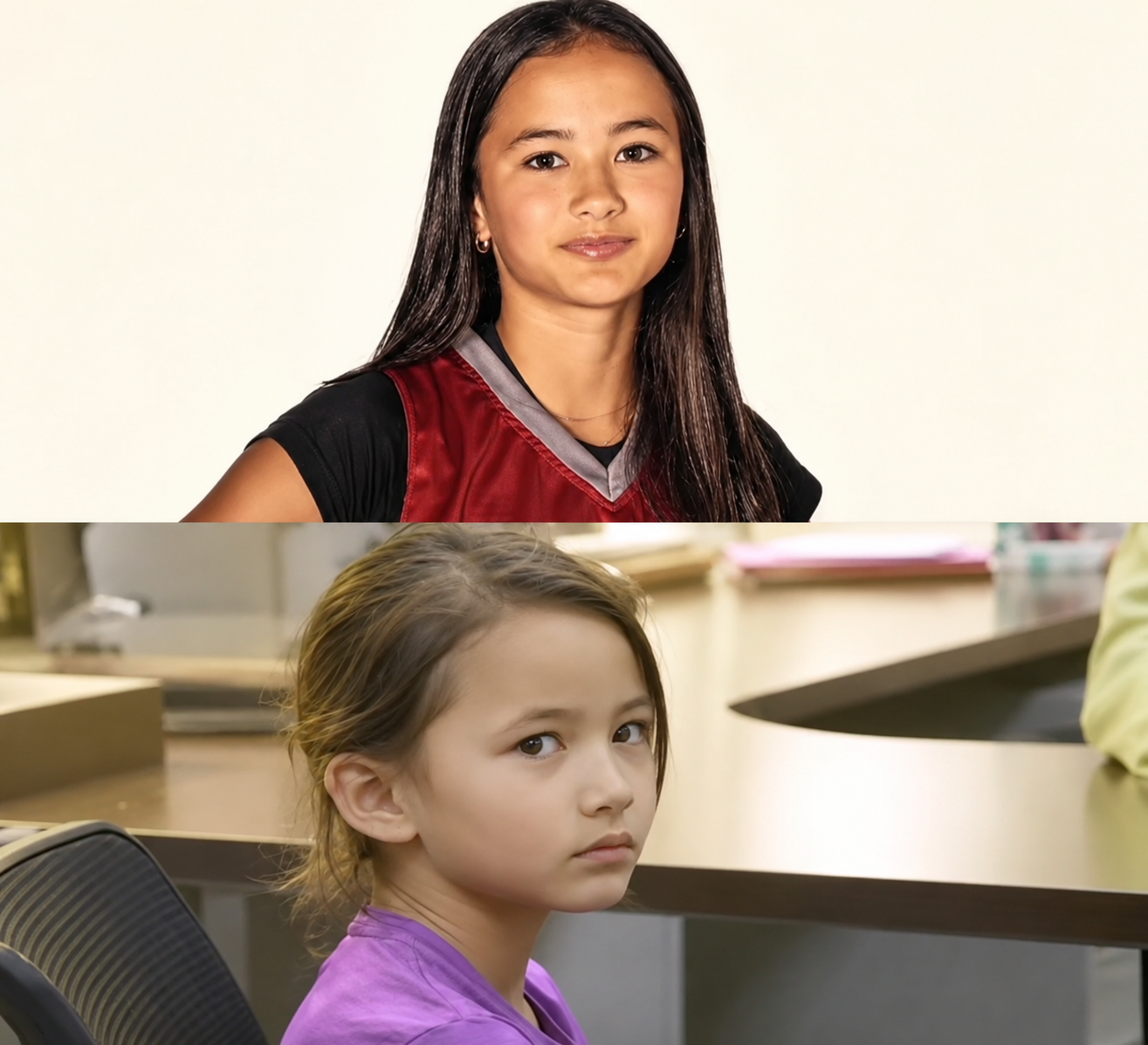
Kaylee Hottle has become one of the young performers at the heart of that change.
Best known for playing Jia in Godzilla vs. Kong, Hottle entered a world dominated by enormous creatures, blockbuster action and spectacular visual effects. But some of her most memorable moments came not from the film’s biggest battles, but from the quiet connection between a young girl and Kong.
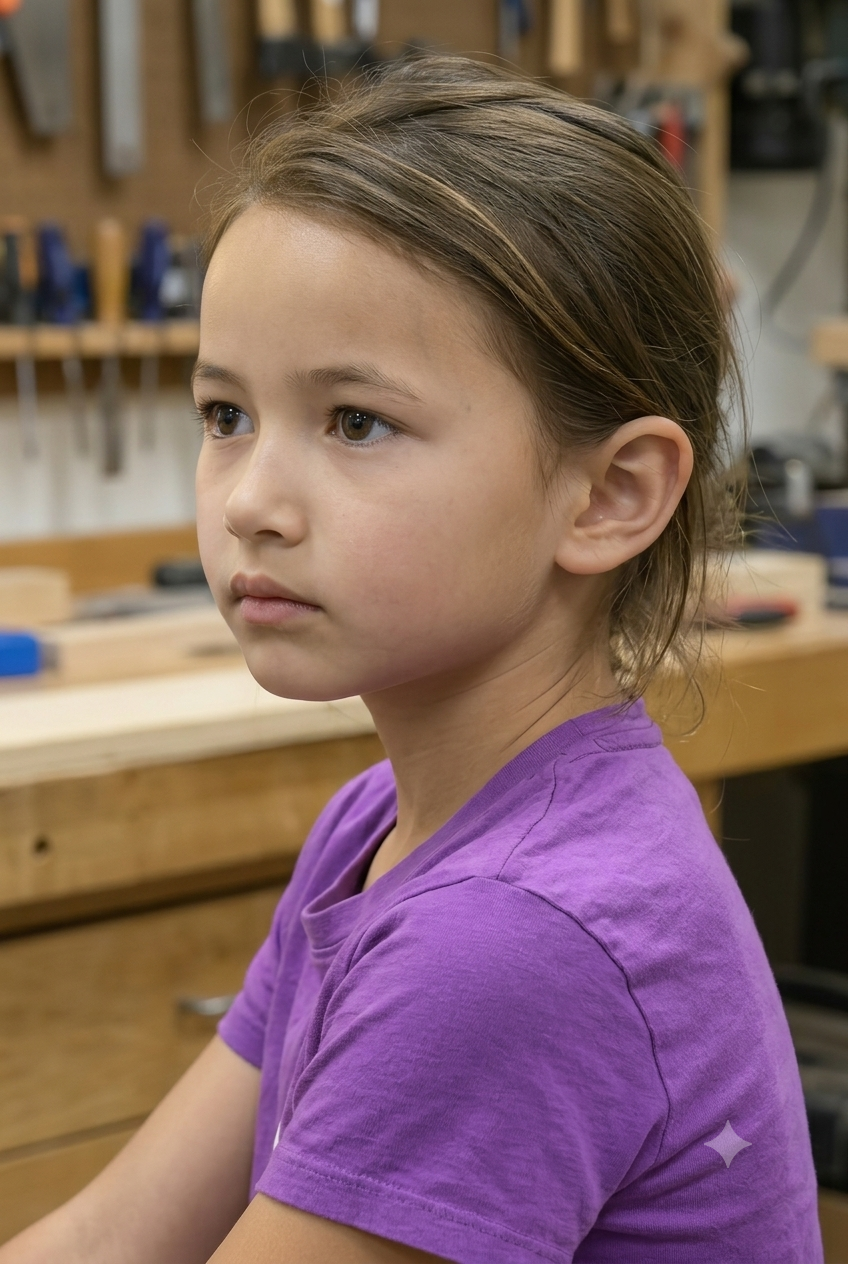
Jia is deaf, and she communicates through American Sign Language. But the character is never defined solely by her deafness.
She is curious. She is emotional. She is brave. And she has her own relationship with the world around her.
That distinction matters.
For audiences who rarely see deaf characters portrayed with depth in major Hollywood productions, seeing a deaf performer take on a significant role can feel fundamentally different from watching a hearing actor portray deafness.
There is an authenticity that cannot simply be learned from a script.
Hottle’s performance relies heavily on expression, movement and visual communication. Her face often carries emotions that another performance might deliver through dialogue. Her interactions with Kong demonstrate that communication does not always require spoken words.
In fact, the absence of conventional dialogue becomes part of what makes those scenes memorable.
The relationship between Jia and Kong is built around understanding. Neither character communicates in the conventional way expected by the people around them, yet they develop a connection that crosses that barrier.
It is a surprisingly powerful idea for a blockbuster movie.
And it gives Hottle’s performance significance beyond the franchise itself.
For young deaf viewers, seeing someone who shares their experience appear in a major Hollywood production can change the idea of what is possible. Representation can make a distant world feel accessible. It can turn a screen into a reminder that there is space for people who communicate differently.

Hottle’s appearance in Godzilla x Kong: The New Empire continued that visibility, bringing Jia back into the MonsterVerse and allowing audiences to see more of the character’s journey.
But perhaps the most important part of Hottle’s career is what her presence represents.
She is not simply a deaf actress playing a deaf character.
She is an actress whose deafness is part of her identity, while her talent remains the reason audiences remember her.
That difference is crucial.
True representation should not require a performer to constantly explain why they belong. It should allow them to simply do the work — to act, to create, to make audiences laugh or cry, and to become memorable because of what they bring to a story.
Hottle’s journey is still developing, but the impact of seeing her on screen is already larger than a single role.
She represents a broader change in Hollywood: the recognition that authenticity can make storytelling stronger, not smaller.
And sometimes, the most meaningful progress begins when audiences are finally given the chance to see someone who was rarely seen before.
Not as a limitation.
Not as a lesson.
But simply as a star.