10 Brilliant Actors Who Still Deserve a Competitive Oscar
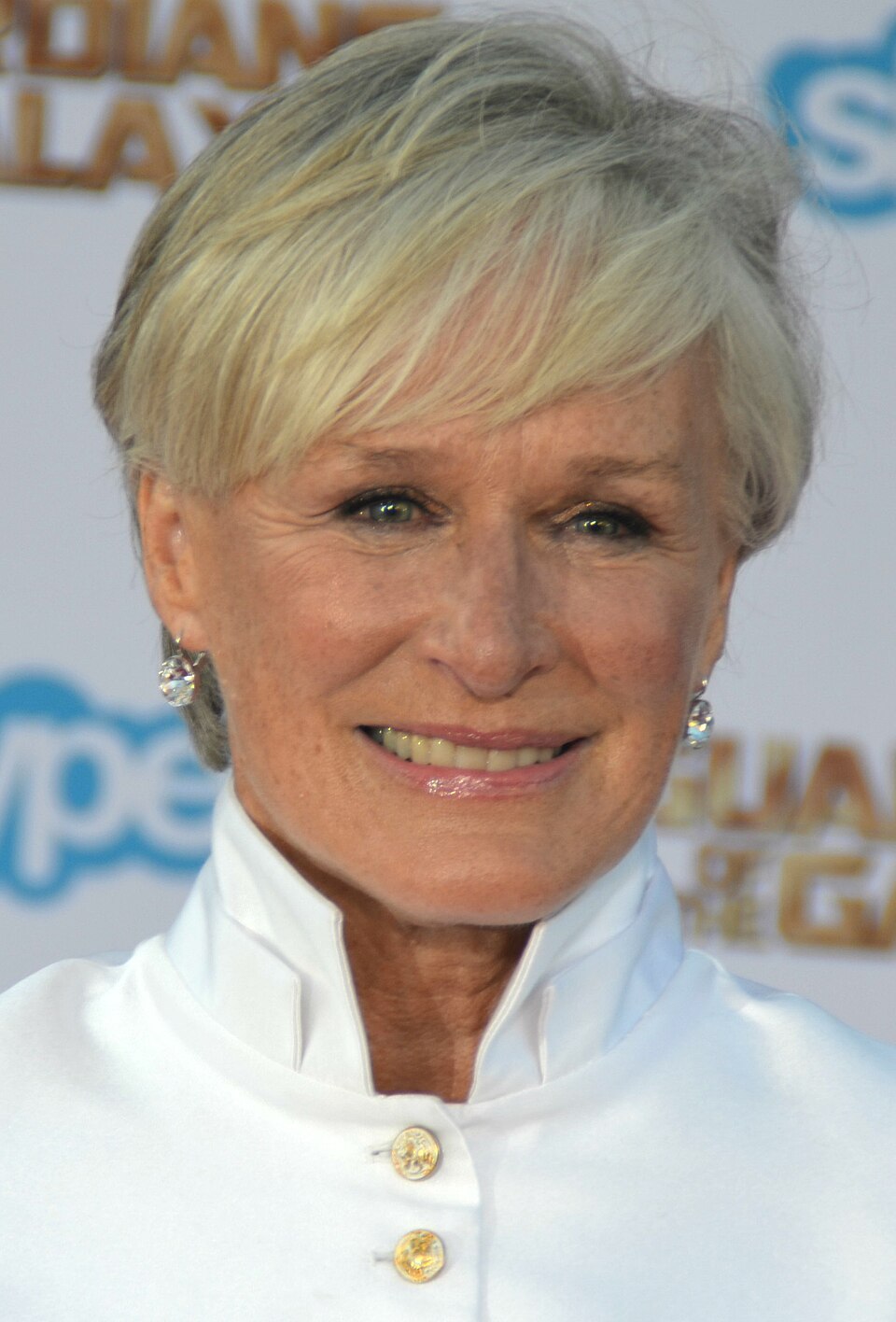
The Academy has already decided that Glenn Close deserves an Oscar. In June 2026, it announced that the veteran actress would receive an honorary award recognizing her extraordinary career.
What Close still does not have, however, is a competitive acting victory.
She is hardly alone. Some of Hollywood’s most respected performers have delivered unforgettable characters, transformed themselves repeatedly and collected nomination after nomination without ever hearing their names announced as winners.
This ranking considers career longevity, versatility, cultural impact and the strength of the performances that came closest to winning. Honorary awards are acknowledged, but the focus remains on the competitive acting Oscar that continues to elude each person.
10. Saoirse Ronan
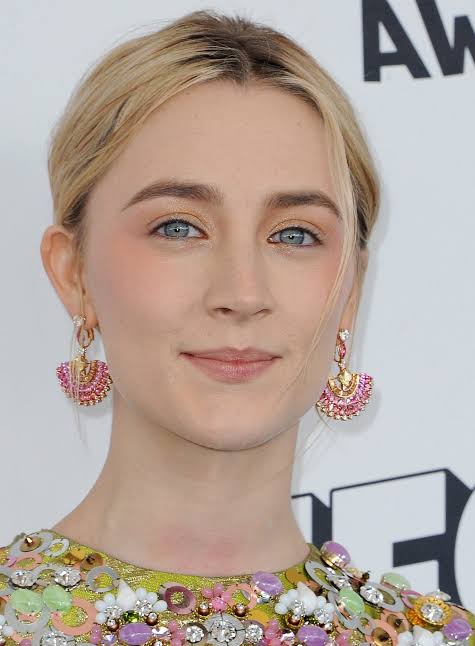
Saoirse Ronan earned her first Oscar nomination as a teenager for playing the young Briony Tallis in Atonement. She later returned to the ceremony for Brooklyn, Lady Bird and Little Women, giving her four acting nominations before her 26th birthday.
Her greatest strength is the emotional precision she brings to characters standing between childhood and adulthood. In Brooklyn, she made homesickness feel almost physical. In Lady Bird, she captured the contradiction of a daughter desperate to escape home while still needing her mother’s love.
Ronan has already built a career many actors never achieve. Considering how young she remains, an eventual victory feels likely rather than merely possible.
9. Bradley Cooper
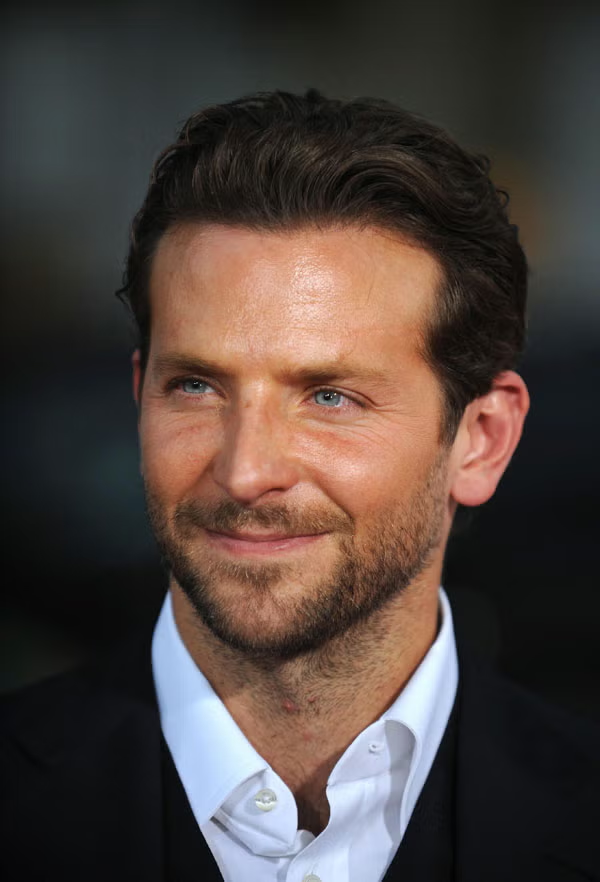
Bradley Cooper’s transformation from comedy star to serious dramatic filmmaker has produced five acting nominations: Silver Linings Playbook, American Hustle, American Sniper, A Star Is Born and Maestro.
His most convincing case may still be A Star Is Born. As Jackson Maine, Cooper avoided turning addiction into spectacle. The performance was exhausted, tender and increasingly painful, while his work opposite Lady Gaga gave the film its emotional center.
Maestro demonstrated even greater technical ambition, but Cooper does not need another physical transformation to prove himself. His eventual winning role may be something smaller—a character who allows him to rely on the vulnerability that has always made his best performances work.
8. Edward Norton
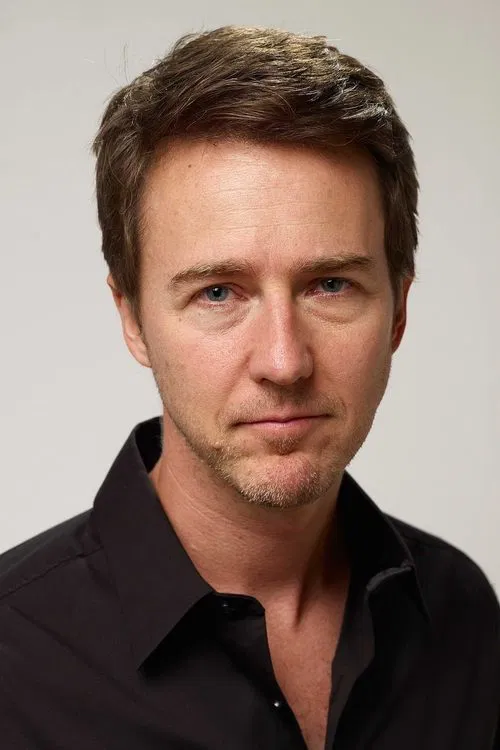
Edward Norton arrived in Hollywood with the kind of debut most actors spend decades chasing. His performance in Primal Fear earned him an Oscar nomination and immediately established him as a performer capable of controlling an entire movie.
Further nominations followed for American History X, Birdman and A Complete Unknown, yet none resulted in a victory.
Norton can project intelligence, arrogance and danger without raising his voice. In American History X, he built a terrifying character and then exposed the shame beneath that hatred. In Birdman, he turned an unpredictable stage actor into both a comic disruption and a genuine threat.
His selective filmography may have limited his opportunities, but the four nominated performances already make a convincing Oscar résumé.
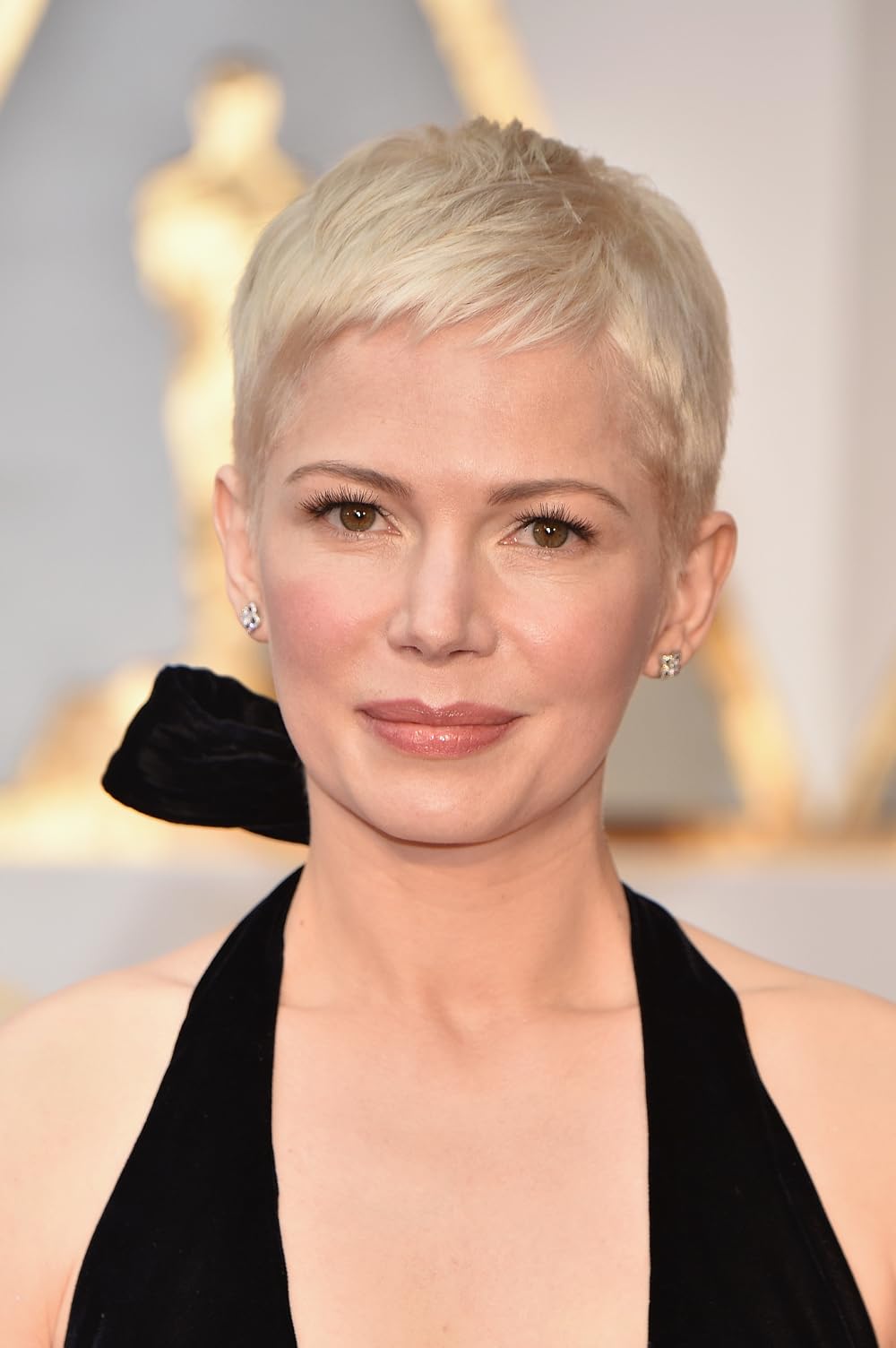
7. Michelle Williams
Michelle Williams rarely depends on dramatic speeches. Her most powerful moments often arrive in silence, through a pause or expression that reveals everything a character cannot say.
The Academy has nominated her five times: for Brokeback Mountain, Blue Valentine, My Week with Marilyn, Manchester by the Sea and The Fabelmans.
Her brief appearance in Manchester by the Sea remains one of the clearest examples of her ability. During a chance encounter on the street, Williams turned grief, guilt and unfinished love into a scene that seemed to stop the entire film.
She has played famous women and ordinary mothers, but never allowed technique to overwhelm emotion. An Oscar would recognize a career built not on showiness, but on devastating honesty.
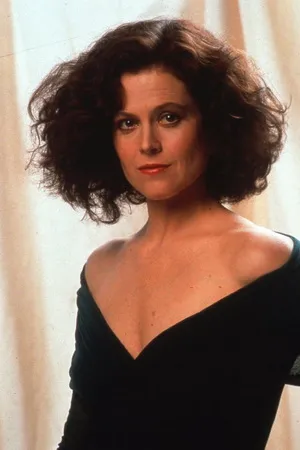
6. Sigourney Weaver
Sigourney Weaver changed what a major action heroine could look like as Ellen Ripley in the Alien series. The Academy recognized her work in Aliens, a rare leading-actress nomination for a science-fiction performance.
Two years later, she achieved an even more unusual feat by receiving two acting nominations in the same year: leading actress for Gorillas in the Mist and supporting actress for Working Girl. She lost both categories and has never been nominated again.
That record feels increasingly strange. Weaver brought authority, intelligence and emotional depth to genre filmmaking long before blockbuster performances were widely treated as serious awards contenders.
Her Oscar-worthy legacy is not built around one role. It comes from proving that strength, fear and vulnerability could exist inside the same heroine.
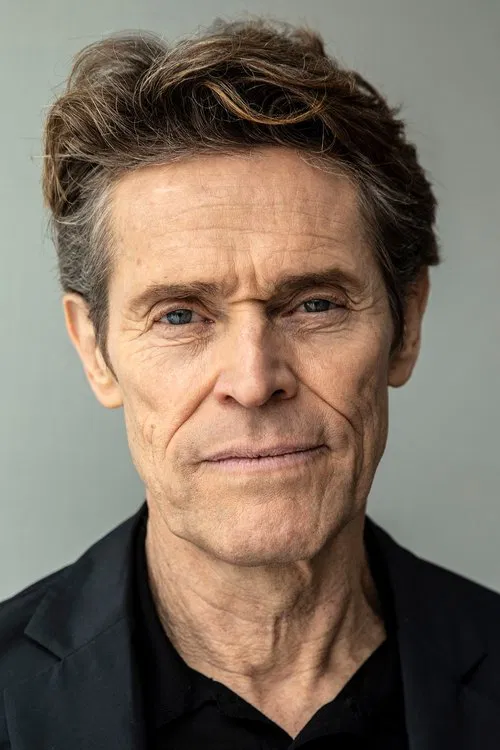
5. Willem Dafoe
Willem Dafoe has spent his career moving between enormous studio productions and uncompromising independent films. He can be terrifying, compassionate, absurd or strangely gentle—sometimes within the same performance.
His four Oscar nominations came for Platoon, Shadow of the Vampire, The Florida Project and At Eternity’s Gate.
In The Florida Project, Dafoe played a motel manager surrounded by poverty and instability. Rather than searching for a dramatic showcase, he made decency feel heroic. His character could not rescue everyone, but he repeatedly tried to protect the vulnerable people living around him.
That quiet humanity may be the best evidence of Dafoe’s range. Hollywood often rewards transformation, yet few actors transform as completely—or as fearlessly—as he does.
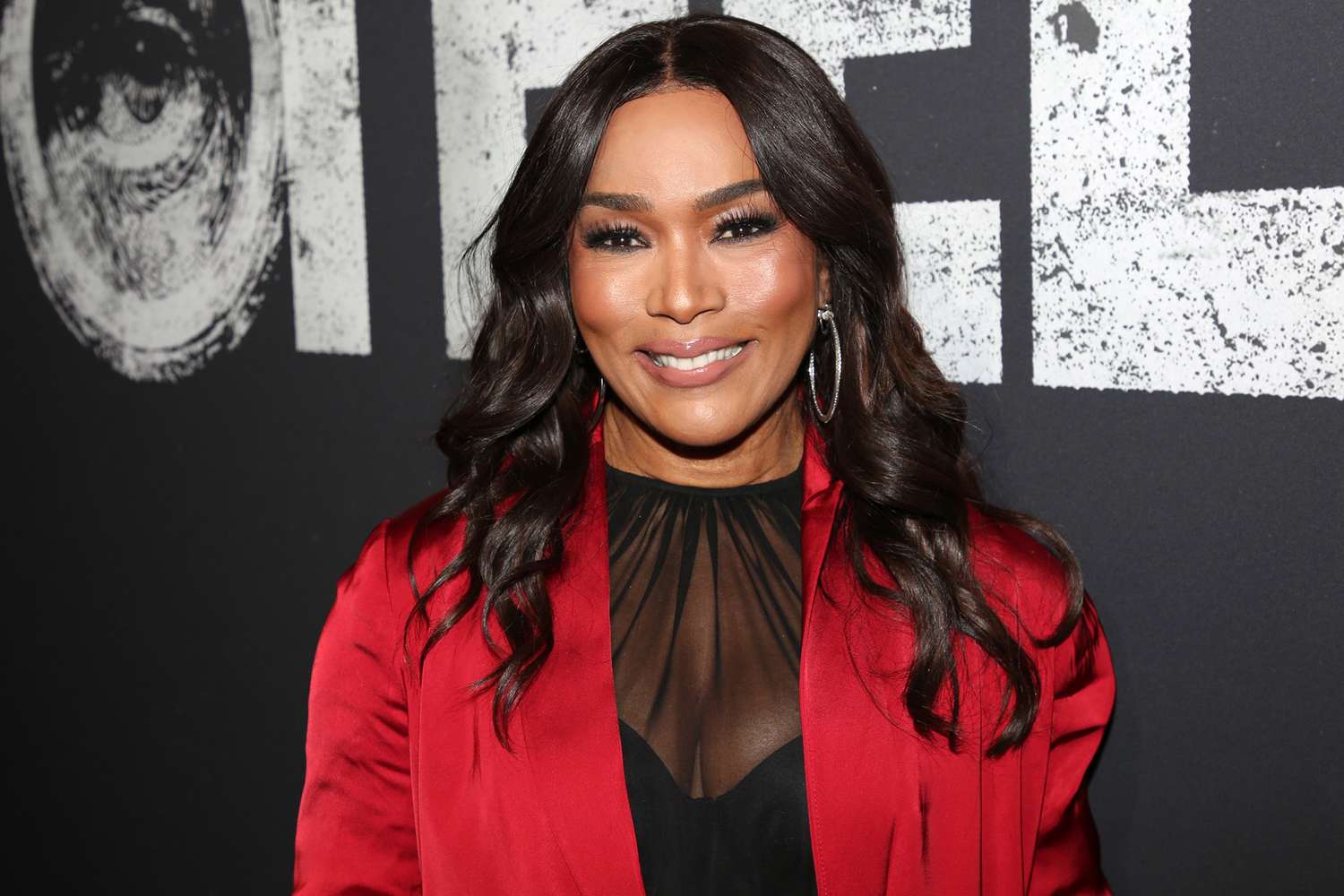
4. Angela Bassett
Angela Bassett owns an honorary Oscar, but she has never won competitively.
Her first acting nomination came for her commanding portrayal of Tina Turner in What’s Love Got to Do with It. Nearly three decades later, she received her second for playing the grieving Queen Ramonda in Black Panther: Wakanda Forever.
Between those nominations, Bassett delivered memorable work in Waiting to Exhale, Malcolm X, How Stella Got Her Groove Back and numerous other films without returning to the competitive lineup.
Her performances possess a rare combination of control and force. She can dominate a room, but her strongest scenes reveal what that authority costs the woman carrying it.
The honorary award recognized the full career. A competitive victory would honor one specific performance at the moment audiences experience it.
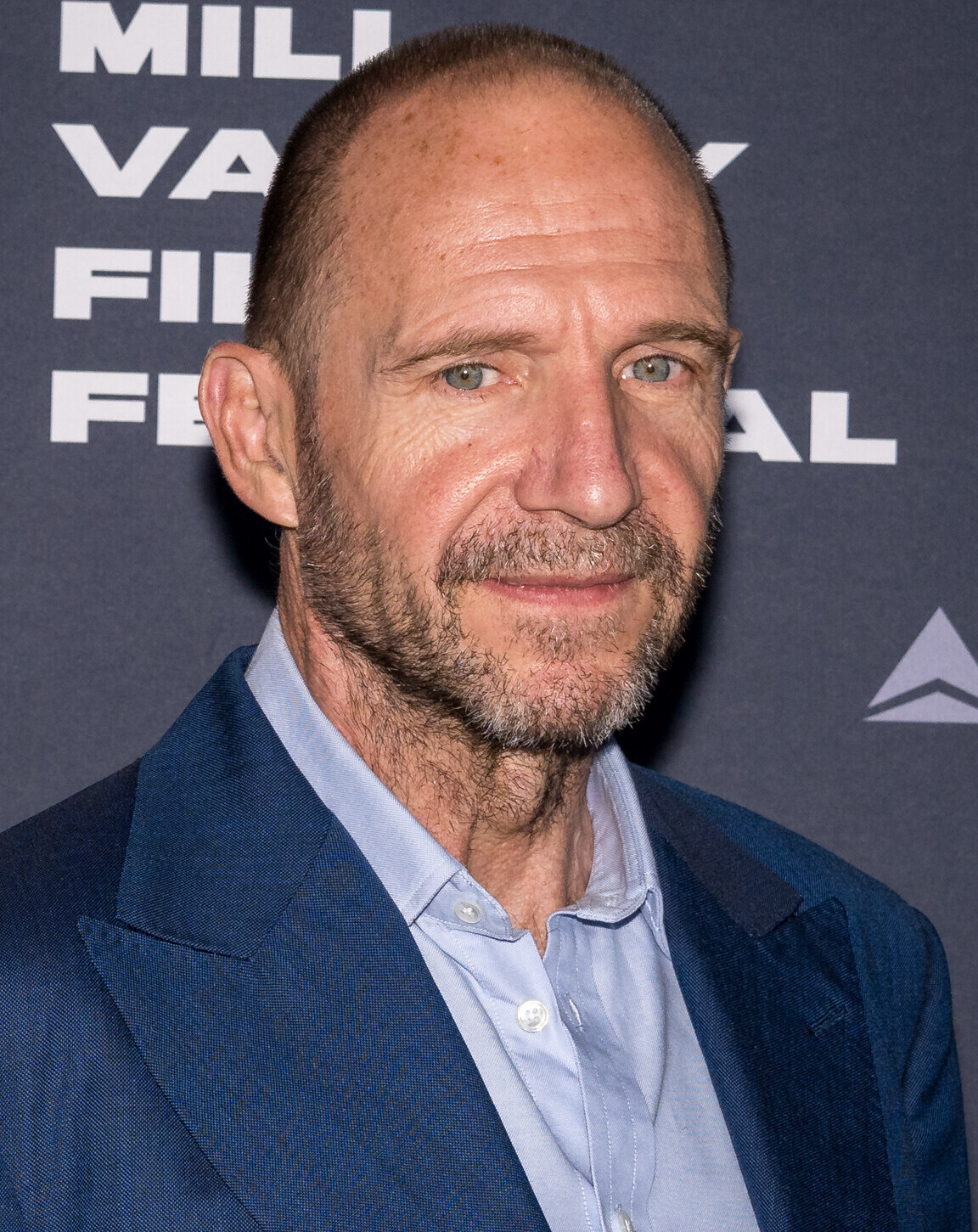
3. Ralph Fiennes
Ralph Fiennes has played romantic leads, comic villains, troubled officials and one of cinema’s most chilling representations of human cruelty.
His Oscar nominations came for Schindler’s List, The English Patient and Conclave.
In Schindler’s List, Fiennes portrayed Amon Göth without attempting to make evil mysterious or glamorous. Decades later, Conclave showed the opposite side of his talent. As Cardinal Lawrence, he built tension through restraint, fatigue and moral uncertainty.
The distance between those performances demonstrates extraordinary range. Fiennes does not simply disappear beneath makeup or accents. He alters the emotional temperature of every scene around him.
After more than 30 years of nominated work, his absence from the winners’ list has become one of the Academy’s most noticeable omissions.
2.
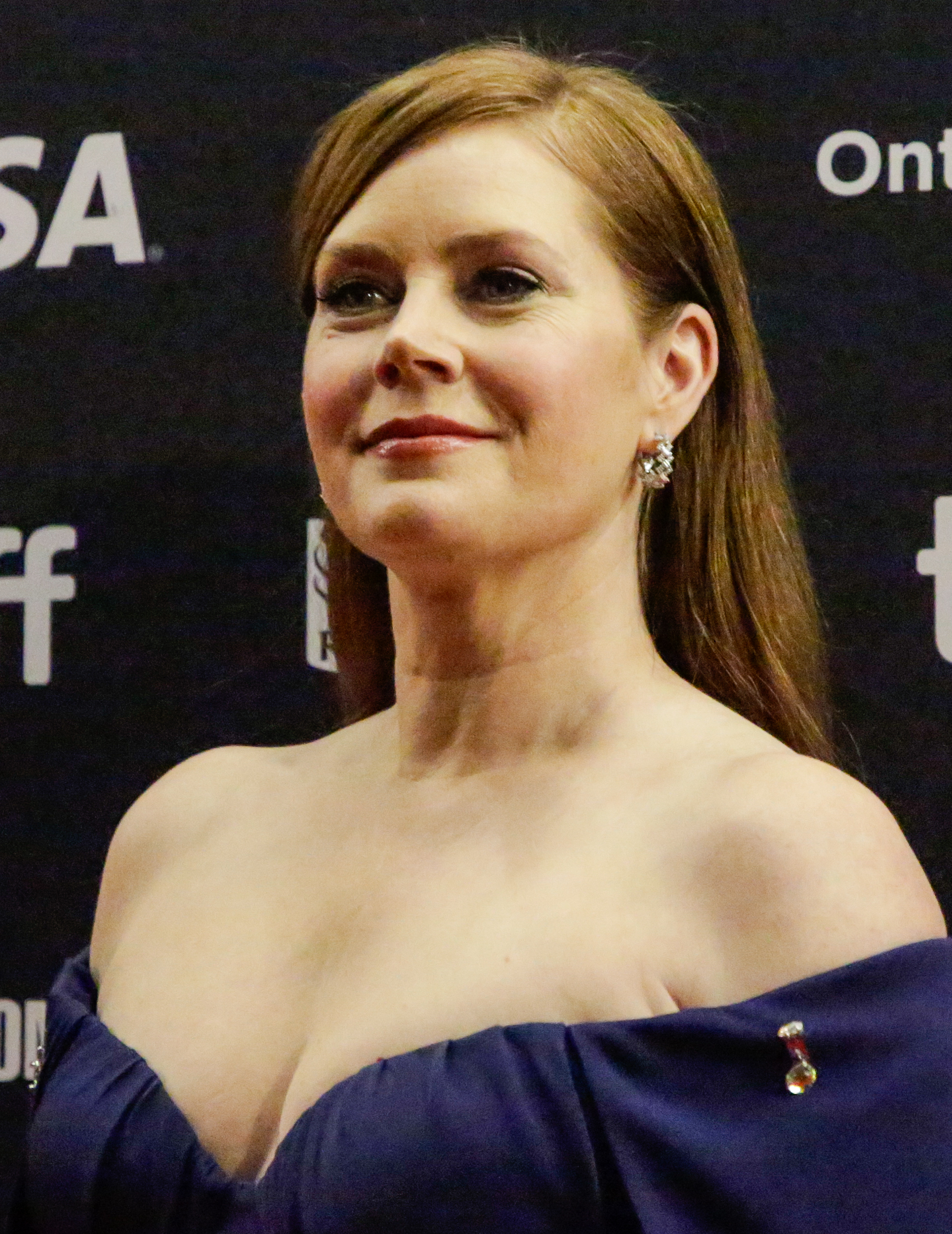
Amy Adams has received six Oscar nominations and lost all six.
The nominated performances—Junebug, Doubt, The Fighter, The Master, American Hustle and Vice—cover comedy, family drama, historical fiction and psychological conflict.
Even that list does not include Arrival, the science-fiction drama many viewers consider one of her greatest achievements. As linguist Louise Banks, Adams carried a story about alien contact by grounding it in grief, motherhood and the terrible beauty of knowing what the future will bring.
Her performances rarely appear engineered for awards. She often makes difficult work look so natural that its complexity becomes easy to overlook.
Adams has already proven she can elevate supporting roles and carry major films. What remains missing is not the performance, but the final vote.
1. Glenn Close
No living performer represents Oscar frustration more clearly than Glenn Close.
She has received eight competitive acting nominations, beginning with The World According to Garp and continuing through The Big Chill, The Natural, Fatal Attraction, Dangerous Liaisons, Albert Nobbs, The Wife and Hillbilly Elegy. The Academy has announced an honorary Oscar for her, but none of those eight performances won its category.
Close could reasonably have won for several of them.
Her Marquise de Merteuil in Dangerous Liaisons was elegant, ruthless and ultimately shattered by the same social system she manipulated. In The Wife, Close played decades of resentment without allowing the character to become simply bitter. Every smile concealed another sacrifice.
An honorary Oscar confirms what audiences and fellow actors have understood for years: Glenn Close is one of the defining performers of her generation.
Yet a lifetime tribute and a competitive victory mean different things. One celebrates the road already traveled. The other captures the electricity of a single performance defeating every rival in its year.
Awards do not determine whether these 10 actors are great. Their films settled that question long ago.
An Oscar would simply allow the Academy to catch up.