Judge in Madison Brooks Case Faces Renewed Scrutiny Over Son’s Criminal Past Ahead of Rape Trial

Judge in Madison Brooks Case Faces Renewed Scrutiny Over Son’s Criminal Past Ahead of Rape Trial
The upcoming trial stemming from the death of Louisiana State University student Madison Brooks has drawn renewed attention after reports highlighted the criminal history of the judge overseeing one of the defendants’ cases.
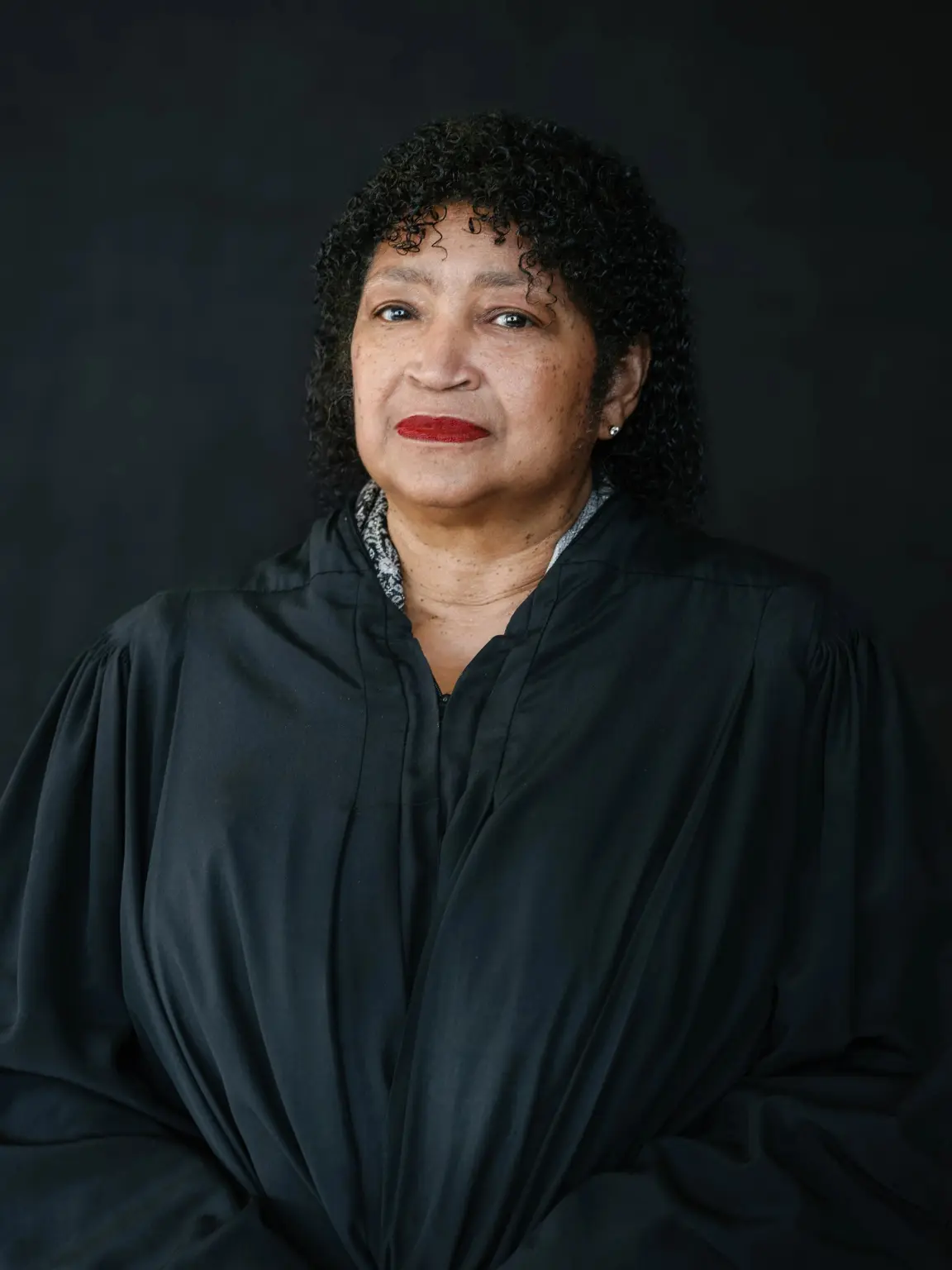
Judge Gail Ray, who is scheduled to preside over the trial of defendant Desmond Carter later this month, is facing fresh questions about impartiality because her son, Nelson Taylor, was convicted of multiple rapes as a teenager nearly three decades ago. The issue has reignited debate over judicial ethics, although Louisiana’s highest court has previously allowed Ray to remain on the case.
Madison Brooks Case
Madison Brooks, a 19-year-old LSU student, died in January 2023 after she was allegedly sexually assaulted inside a vehicle and later left on a Baton Rouge roadway, where she was struck by an oncoming car.
Multiple men were charged in connection with the alleged sexual assault. Prosecutors contend Brooks was too intoxicated to legally consent, while the defendants have denied the allegations against them.
The criminal proceedings have remained one of Louisiana’s most closely watched cases because of their complexity and public attention.
Why the Judge Is Under Scrutiny
The latest controversy centers not on Judge Ray’s conduct in the Brooks case itself, but on her family’s history.
According to court records cited in recent reports, Ray’s son, Nelson Taylor, pleaded guilty in 1997 to three counts of forcible rape and multiple burglary charges stemming from a series of attacks committed while he was a teenager. He received a lengthy prison sentence, though some burglary convictions were later dismissed as part of a post-conviction plea agreement.
Taylor has since returned to court seeking to challenge aspects of those convictions after changes in Louisiana law regarding post-conviction plea agreements.
Previous Effort to Remove the Judge
Questions about Ray’s role are not new.
In 2025, prosecutors successfully sought her recusal from the Brooks prosecutions, arguing that prior rulings and other circumstances raised concerns about fairness. The motion also referenced text messages allegedly sent by another defendant suggesting the judge might be sympathetic because of her son’s history.
Defense attorneys challenged the recusal, and after a series of appeals, the Louisiana Supreme Court ultimately ruled that the state had not met the legal standard necessary to remove Judge Ray from the case.
As a result, she remains assigned to preside over Carter’s upcoming trial.

Does the Son’s Conviction Affect the Case?
Legal experts generally note that a judge’s family history alone does not automatically require recusal.
Courts typically require evidence that a judge has a personal interest in the outcome or that an objective observer would reasonably question the judge’s impartiality based on the facts of the specific case.
In this instance, appellate courts determined that prosecutors had not established sufficient legal grounds for mandatory recusal, allowing Judge Ray to continue overseeing the proceedings.
Trial Scheduled This Month
Desmond Carter’s trial is expected to begin on August 17.
Jurors will hear evidence regarding allegations that Brooks was sexually assaulted before her death. The proceedings are expected to address forensic evidence, witness testimony, cellphone records, and the question of whether Brooks was legally capable of consenting.
The defendants continue to maintain their innocence, and the charges remain allegations unless proven beyond a reasonable doubt in court.

Public Debate Continues
The renewed focus on Judge Ray’s family has generated intense discussion online, with some arguing that the appearance of a conflict of interest undermines public confidence in the judicial process.
Others emphasize that appellate courts have already reviewed the issue and concluded that the legal requirements for disqualification were not satisfied.
As the trial approaches, attention is likely to remain divided between the evidence in the Brooks case itself and the broader questions surrounding judicial ethics and public trust.

Looking Ahead
With jury selection approaching, the Madison Brooks prosecution is entering a critical phase. While renewed reporting about Judge Ray’s son has intensified public scrutiny, the courts have thus far determined that the judge may continue presiding over the proceedings.
The upcoming trial will now shift the focus back to the evidence surrounding Brooks’ death and the criminal allegations against the defendants, issues that ultimately will be decided in the courtroom rather than in public debate.