Lindsay Clancy’s Lawyer Becomes an Unexpected Hero to Supporters Outside Court

Lindsay Clancy’s Lawyer Becomes an Unexpected Hero to Supporters Outside Court
PLYMOUTH, Mass. — Kevin Reddington, the defense attorney representing Lindsay Clancy in her closely watched murder trial, has developed an unexpected following among women who say his defense has given greater visibility to postpartum mental-health struggles.
Reddington was approached Monday outside the courthouse by Laurel Witwen, a 65-year-old mother from Houston, and her daughter, Hannah Estrada. Witwen became emotional as she thanked the attorney for his work and described him as a voice for mothers who have struggled with postpartum mental illness.
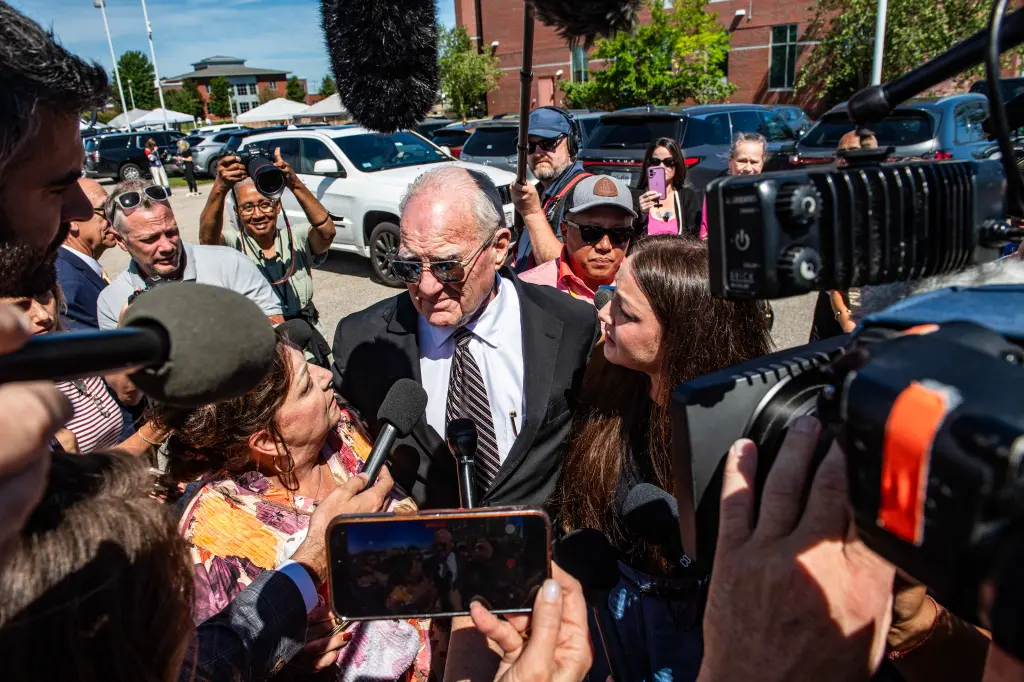
“The Voice of So Many Moms”
Witwen told Reddington that she wished someone had supported her daughter during her own struggles.
Estrada, 37, said she had experienced postpartum psychosis and felt that her mental-health history had later been used against her in family court.
The two women told Reddington how strongly they identified with the issues raised during Clancy’s trial. Estrada even offered to take the attorney out for a steak dinner as a thank-you.
Reddington acknowledged that being described as a feminist icon was an unusual development for a criminal-defense lawyer.
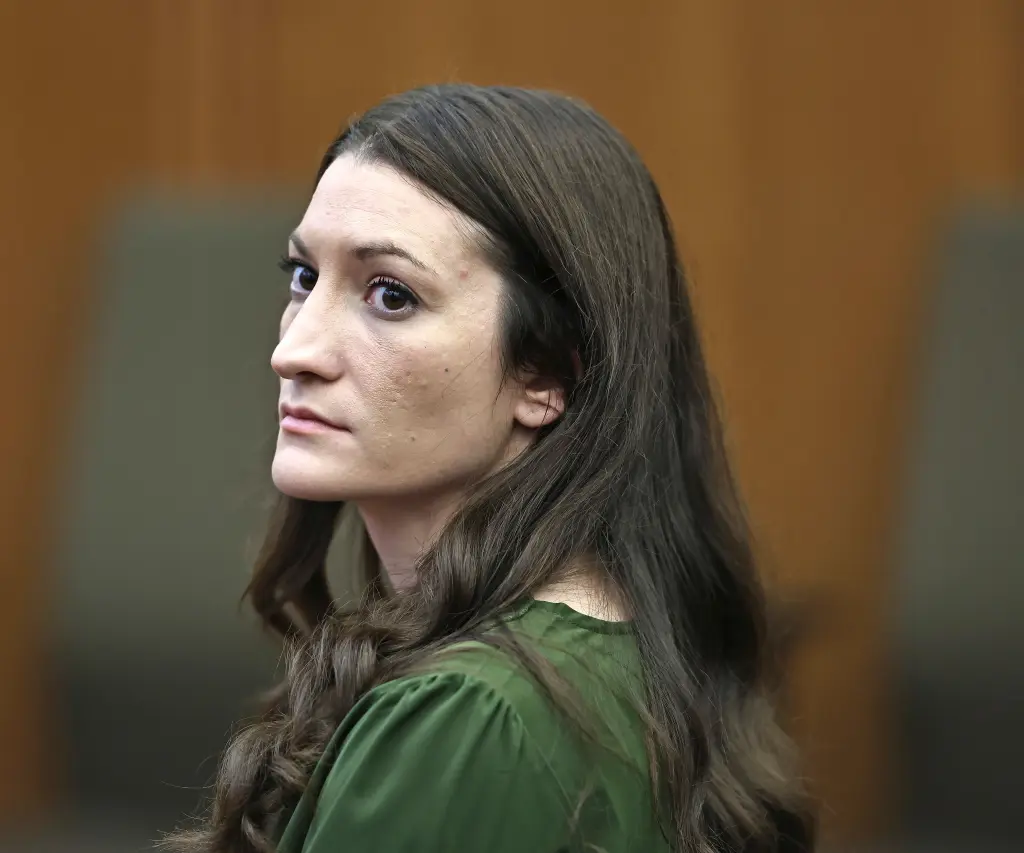
Why Women Have Rallyed Around the Defense
Clancy, a former labor-and-delivery nurse, is accused of killing her three children — Cora, 5, Dawson, 3, and Callan, 8 months — at the family’s Duxbury, Massachusetts, home in January 2023.
Her defense has centered on the argument that she was suffering from severe postpartum psychosis and was not criminally responsible for her actions.
Reddington has also argued that Clancy’s deteriorating mental health was made worse by inadequate medical care and an overwhelming number of medications.
Evidence presented at trial showed that she sought psychiatric treatment, contacted a suicide hotline, entered a mental-health facility and received numerous prescriptions during the months before the killings.

Supporters Have Gathered Outside the Courthouse
The support for Clancy and her defense has become increasingly visible.
Earlier this month, groups of women wearing pink gathered outside the courthouse carrying signs supporting Clancy. Some praised Reddington directly, with supporters describing him as someone fighting for women and maternal mental-health awareness.
The reaction reflects how deeply some spectators have connected with the trial’s broader themes.
Many supporters say they see their own experiences with postpartum depression, anxiety, psychosis or difficulties obtaining adequate medical treatment reflected in the evidence presented by the defense.
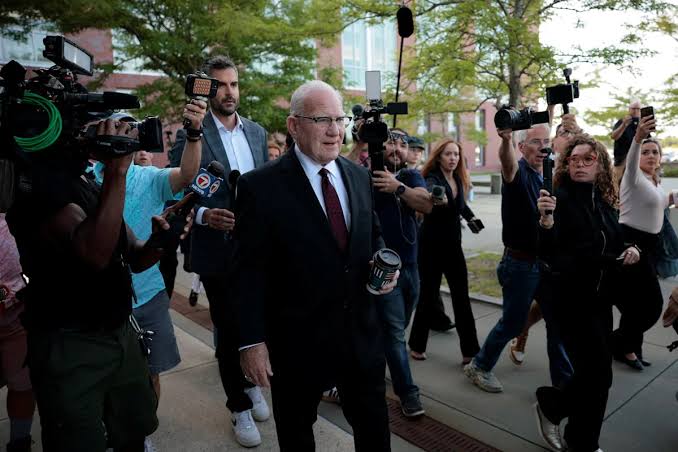
Prosecutors Tell a Different Story
Prosecutors have strongly disputed the defense’s explanation.
They argue that Clancy deliberately carried out the killings and knew what she was doing.
The prosecution has pointed to actions they say demonstrated planning, including Clancy sending her husband out on errands before the killings. Prosecutors have also questioned her account of hearing a voice telling her to kill her children, suggesting that the story was created to avoid criminal responsibility.
The defense, meanwhile, maintains that Clancy’s mental state had deteriorated so severely that she was experiencing psychosis and could no longer properly understand reality.

Jury Continues to Deliberate
The jury has now spent roughly 17 hours deliberating without reaching a verdict.
Jurors have asked to examine some physical evidence, including the knife involved in Clancy’s suicide attempt and prescription medication bottles.
Reddington said Clancy is frightened and nervous while waiting for the jury’s decision. He said he has been trying to keep her spirits up as the deliberations continue.
The outcome could have major consequences. A conviction could result in a life sentence, while a finding that Clancy was not criminally responsible because of mental illness could result in psychiatric confinement rather than a conventional prison sentence.
Regardless of the verdict, the case has already sparked a much wider discussion about postpartum psychosis, maternal mental health and whether women experiencing severe psychiatric symptoms are receiving adequate care.
For Reddington, that broader discussion has unexpectedly turned him into a symbol for supporters who believe the medical system failed mothers like Clancy.