25 Years After 9/11, the World Trade Center’s Final Office Tower Finally Rises
25 Years After 9/11, the World Trade Center’s Final Office Tower Finally Rises
Twenty-five years after the September 11 attacks transformed Lower Manhattan, the World Trade Center redevelopment has reached another major milestone: construction is finally underway on 2 World Trade Center, the final commercial office tower envisioned in the site’s original rebuilding plan.
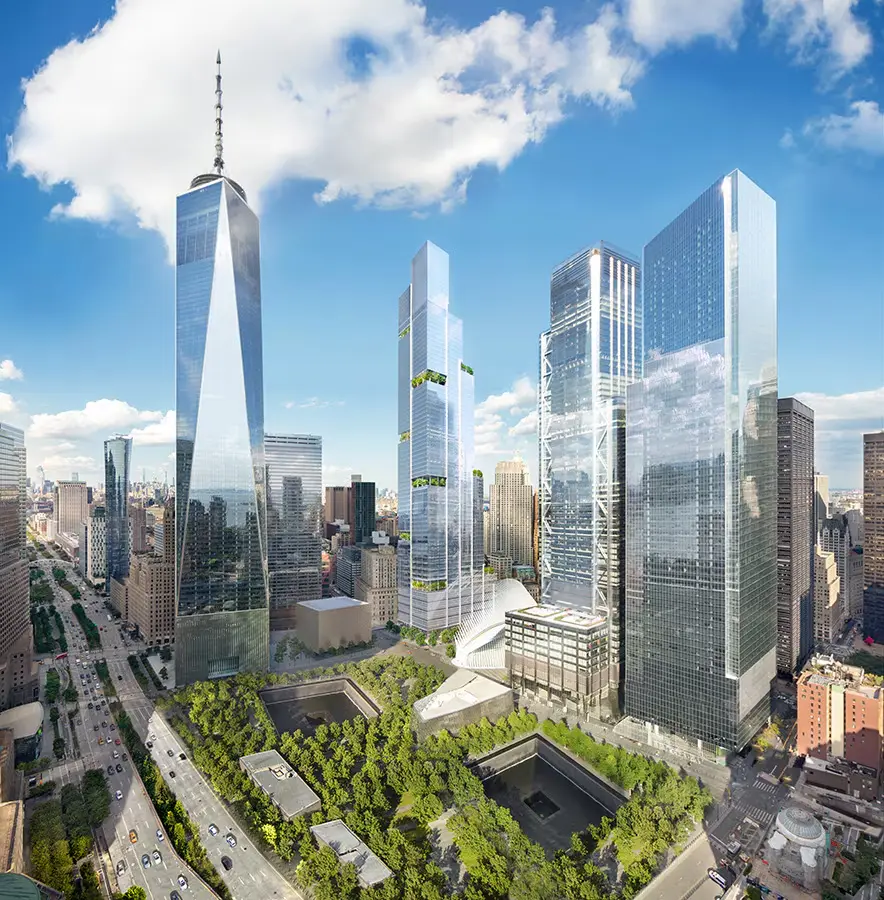
The 55-story tower at 200 Greenwich Street broke ground in July and is expected to open in 2031 as the new global headquarters of American Express. With nearly 2 million square feet of space, the building represents the latest chapter in a redevelopment that has taken a quarter-century to unfold.
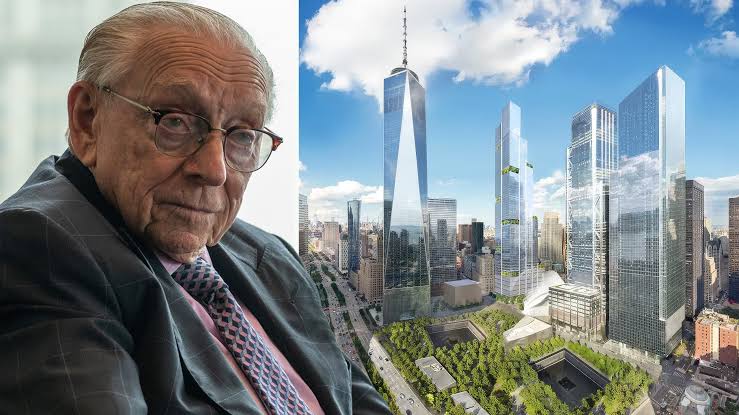
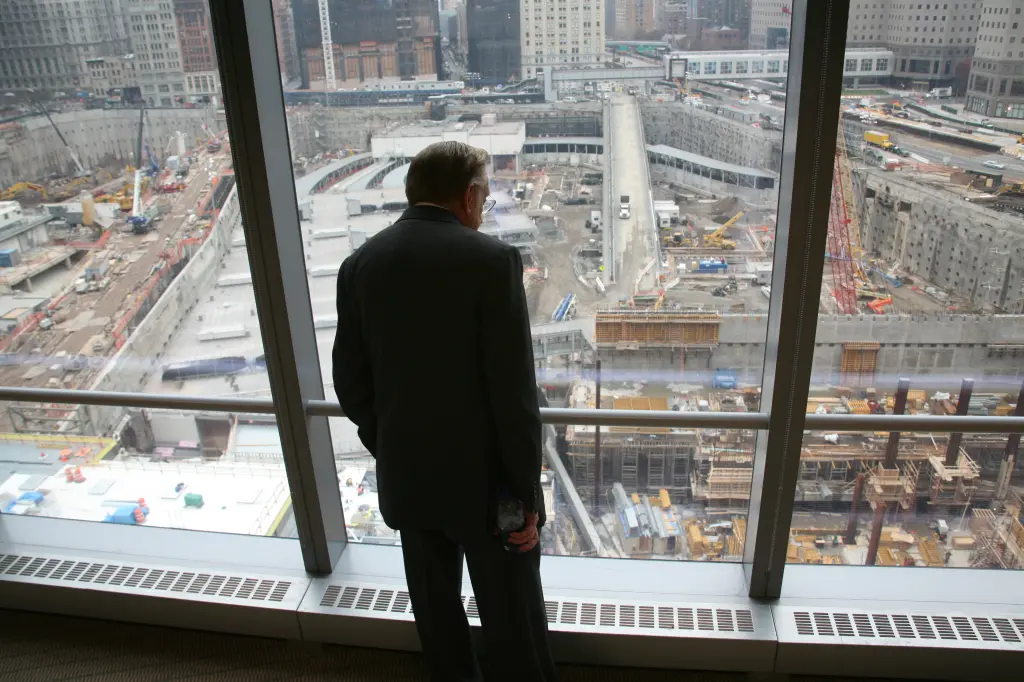
For Larry Silverstein, the developer who acquired the lease to the original World Trade Center shortly before the attacks, the project carries particular significance. Silverstein was 70 when he took over the Twin Towers in 2001. Now 95, he continues to work from 7 World Trade Center, the first tower rebuilt after the attacks, while watching the final office tower take shape nearby.
A Project Delayed for Decades
The road to 2 World Trade Center has been unusually complicated.
Silverstein paid $3.2 billion for the Twin Towers lease in 2001 and subsequently spent years fighting more than 20 insurance companies over the claims stemming from the attacks. The rebuilding effort also involved an extraordinary number of public agencies, with the Port Authority of New York and New Jersey controlling the land and numerous government bodies having oversight of different aspects of the development.
The financing that eventually became available was initially directed toward other parts of the new complex, including 7 World Trade Center, One World Trade Center, 3 World Trade Center and 4 World Trade Center. Those buildings helped demonstrate that Lower Manhattan could once again attract major commercial tenants.
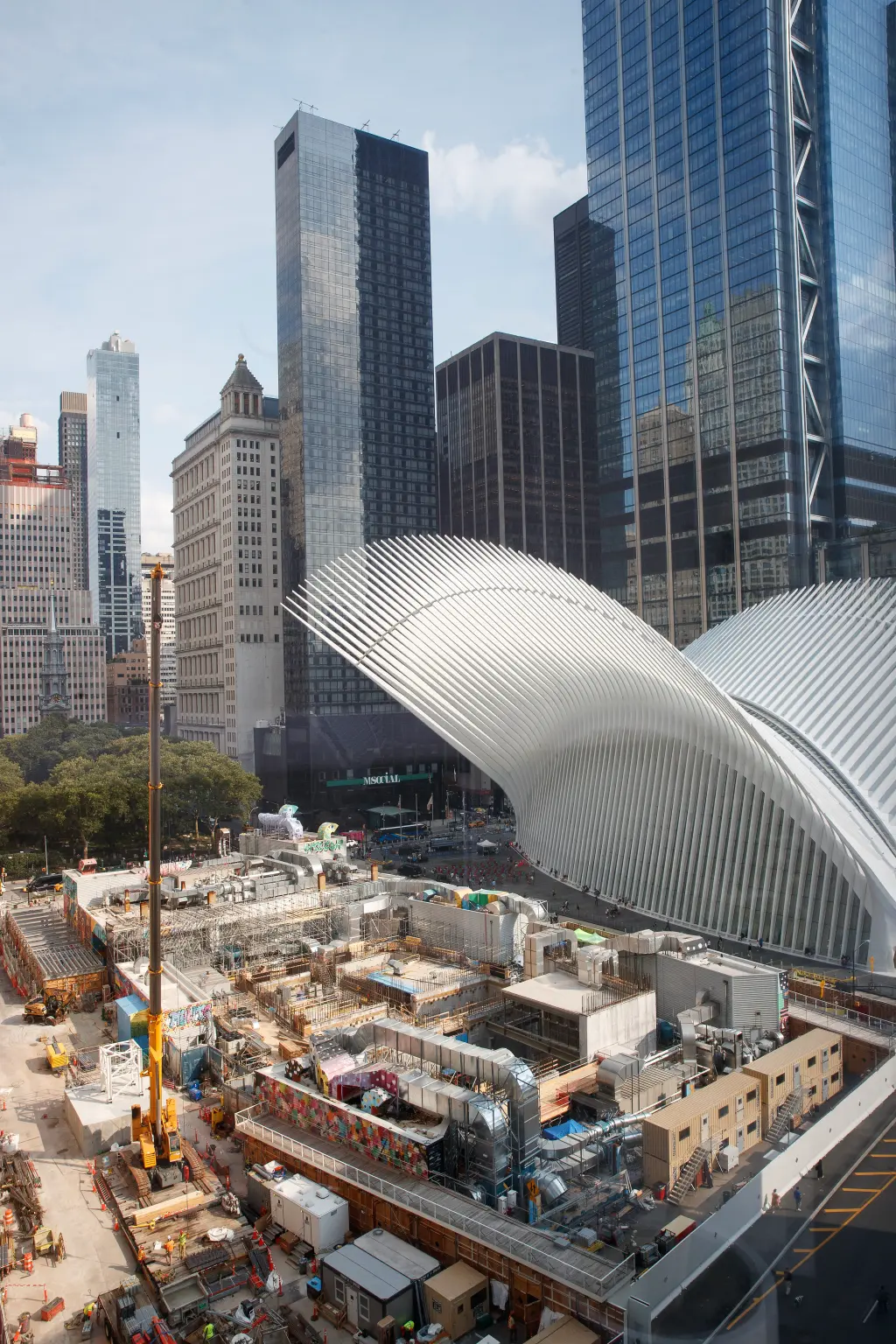
Although excavation and foundation work for 2 World Trade Center had already been completed in 2013 in connection with construction of the Oculus transit hub, the tower itself remained stalled for years while developers searched for a tenant and a viable financing structure.
American Express Gives the Tower a Future
The breakthrough came in 2026, when American Express committed to the entire building.
Rather than simply leasing office space, American Express will own the tower outright, making 2 World Trade Center the only building in Silverstein’s World Trade Center portfolio that the company will not lease to multiple tenants.
The move also represents a return to familiar ground for American Express. The company has maintained its headquarters at 200 Vesey Street for decades and has deep historical ties to Lower Manhattan.
The new tower will accommodate as many as 10,000 employees across 55 office floors. Its design also includes more than an acre of outdoor terraces and gardens, giving the massive office building a substantial amount of landscaped outdoor space.
The company has emphasized that the additional space does not necessarily signal a major increase in headcount. Instead, the larger headquarters is intended to provide more room per employee and create a modern workplace for the company’s future.
Designed With the Memorial in Mind
The architecture of the rebuilt World Trade Center has been shaped by the site’s history.
Under Daniel Libeskind’s 2003 master plan, the office buildings were positioned in a way that keeps the September 11 Memorial central to the campus. The entrances of the towers face the memorial, while more commercial activity such as retail and restaurants is directed toward surrounding streets.
2 World Trade Center, designed by Norman Foster, incorporates gardens and terraces into its architecture. The approach reflects the broader effort to create a modern commercial district without separating it from the memorial landscape.
Other buildings on the site have taken different approaches. The glass of 4 World Trade Center was designed to appear almost to disappear under certain lighting conditions, while One World Trade Center has become the defining vertical landmark of the rebuilt skyline.
A Nearly Completed World Trade Center
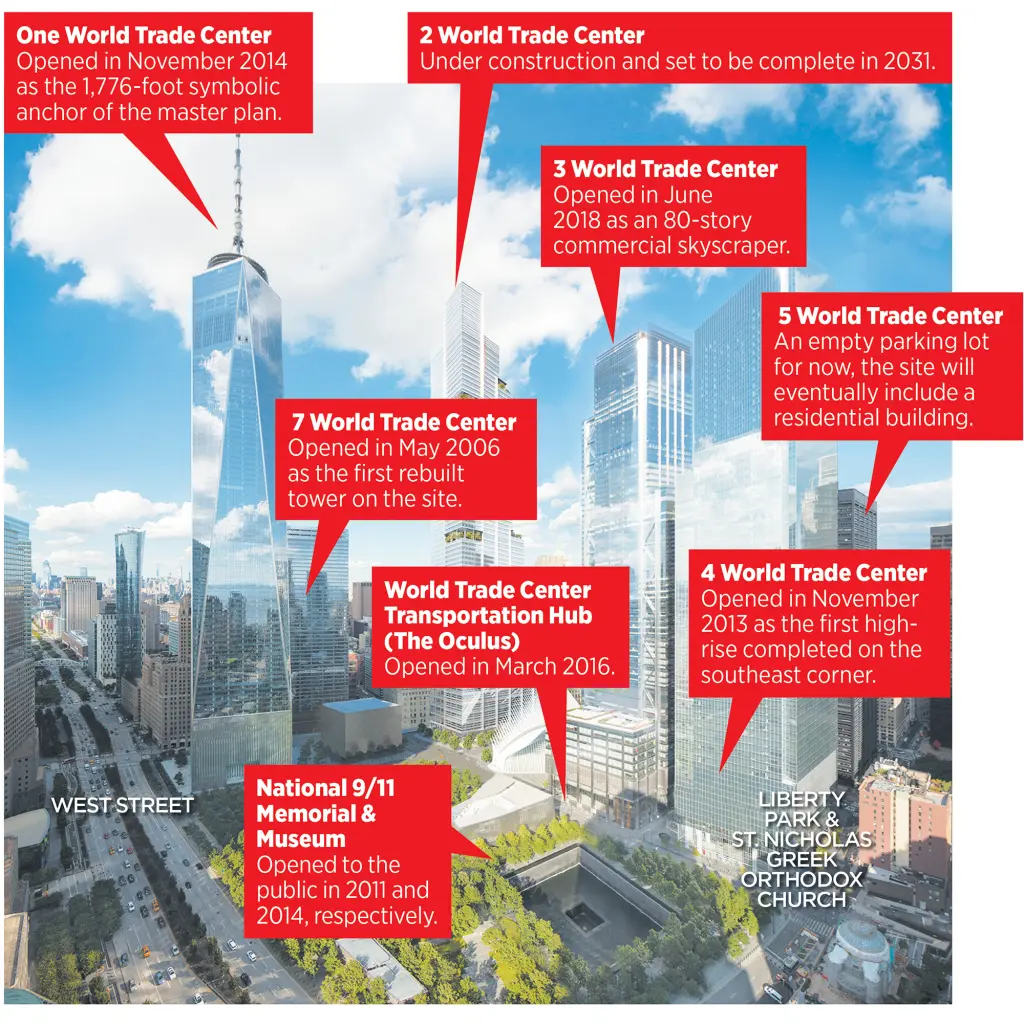
With 2 World Trade Center now under construction, the 16-acre World Trade Center campus is approaching the completion of its commercial redevelopment.
The complex is already about 97% leased, with only a small amount of office space still available. Construction of 2 World Trade Center is expected to reach its next major milestone, the topping-out stage, around 2029, before the building is completed in 2031.
One major piece of the broader site, however, remains unresolved.
5 World Trade Center is planned as a residential tower with roughly 1,200 apartments, including a proposed share of affordable housing. But rising construction costs have stalled financing, leaving the project without a firm construction timetable.
That means 2 World Trade Center will be the final planned commercial office tower, rather than the final development project of every kind at the World Trade Center site.
A New Chapter for Lower Manhattan
The construction of 2 World Trade Center is more than another addition to the Manhattan skyline. It marks the culmination of a rebuilding process that began after one of the darkest days in New York’s history.
For Silverstein, the tower represents the fulfillment of a promise he made after the attacks: to rebuild the World Trade Center, remember those who died and help restore Lower Manhattan as a thriving center of commerce.
A quarter-century later, the skyline around the memorial continues to evolve. The rebuilding is no longer simply about replacing what was destroyed. It has become an effort to create a new district that combines offices, transportation, public space, remembrance and everyday life.
As 2 World Trade Center rises, the site enters what may be its most symbolic phase yet — completing the last major office building of a vision that has taken 25 years to become reality.