VALHALLA RISING 2 (2026): BLOOD OF THE GODS
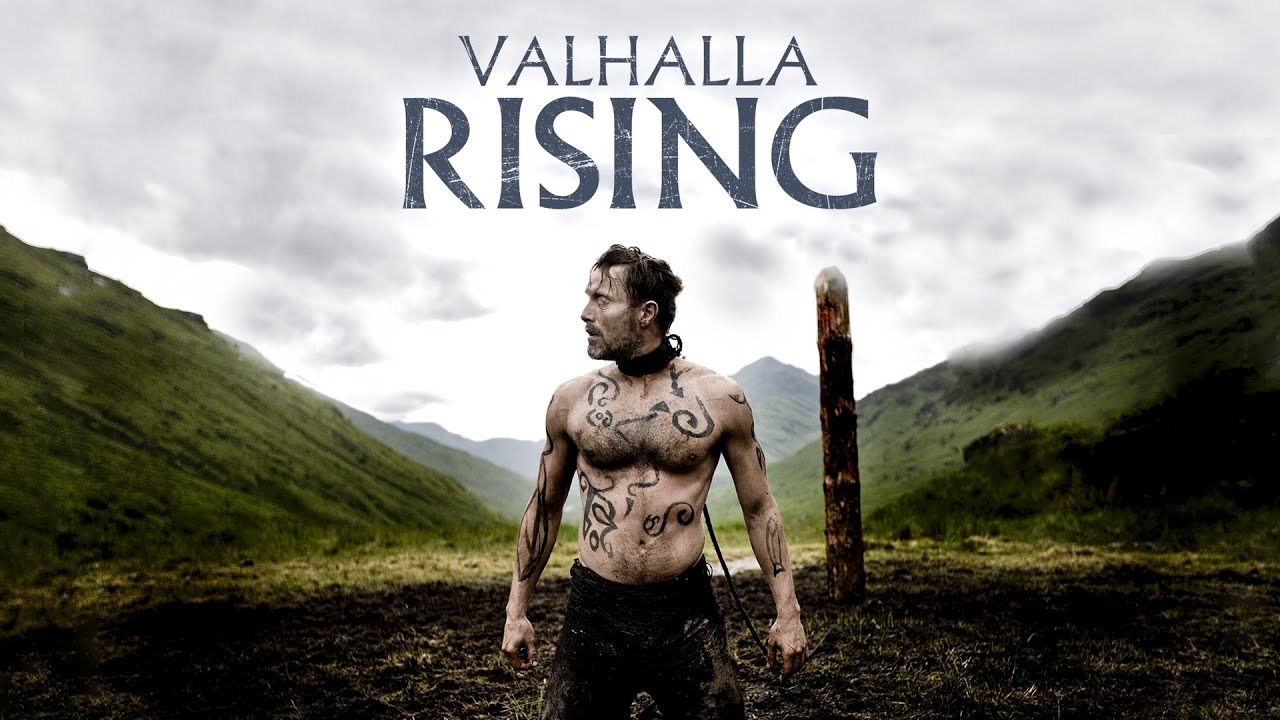
VALHALLA RISING 2 (2026) continues the haunting, brutal journey of myth, survival, and spiritual reckoning, expanding the world of Valhalla Rising into an even darker and more surreal odyssey. Slow-burning, atmospheric, and deeply symbolic, this sequel is less about conquest… and more about destiny.
Set years after the mysterious disappearance of One-Eye, whispers spread across distant lands of a silent warrior who walks between worlds—neither man nor god. Whether he survived or became something else entirely remains unknown… but his legend has grown.
The story shifts to a new land—icy, desolate, and untouched—where a group of Norse settlers struggles to survive. Among them is Eirik (played by Alexander Skarsgård), a hardened warrior burdened by visions he cannot explain. Haunted by dreams of blood, fire, and a one-eyed figure watching from the shadows, Eirik begins to believe that something ancient is calling to him.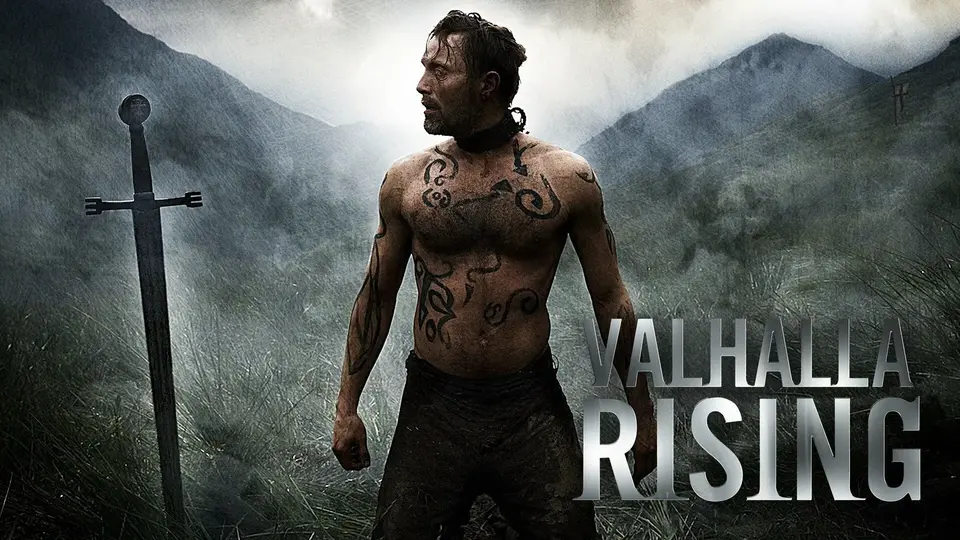
Their fragile existence is shattered when they encounter a mysterious force—silent figures who move like spirits, leaving behind only death and symbols carved into flesh. These beings are neither fully human nor entirely myth, and their presence signals that the boundary between the physical world and the spiritual realm is breaking.
At the center of this mystery is the return—or rebirth—of One-Eye (played by Mads Mikkelsen). Changed, more myth than man, he appears not as a savior, but as a guide… or a harbinger. He does not speak. He does not explain. But his presence alters everything.
Eirik becomes drawn to him, sensing that his own fate is tied to this silent figure. Together, they embark on a journey into unknown territory—across frozen seas, through blood-soaked lands, and into a realm that feels increasingly detached from reality.
The film leans heavily into symbolism and atmosphere. Dialogue is minimal. Meaning is conveyed through imagery, sound, and silence. Every scene feels deliberate, almost ritualistic.
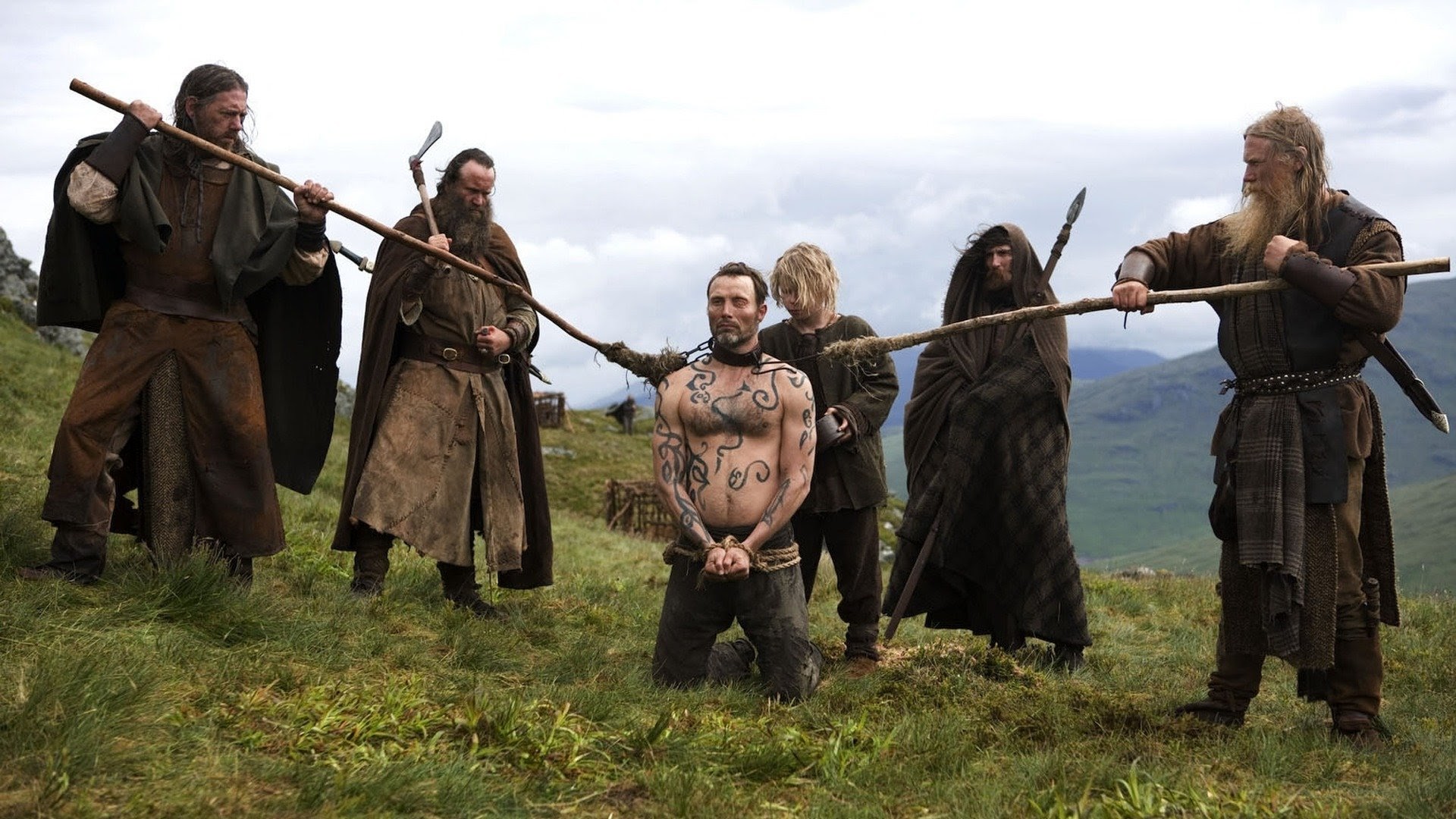
Photo credit: ©Copyright 2009: Valhalla Rights ApS, One Eye Production, Blind Eye Productions, Scanbox
An IFC Films release
Violence, when it comes, is sudden and brutal. Short bursts of savage combat break long stretches of quiet tension. One standout sequence features a ritualistic battle in a fog-covered valley, where warriors fight not just each other… but something unseen.
Visually, Blood of the Gods is stark and hypnotic. Muted colors, endless landscapes, and haunting compositions create a sense of isolation and inevitability. The environment feels timeless—caught between history and myth.
The sound design is immersive and unsettling. Wind, distant echoes, and low, droning tones replace traditional scoring, creating a constant feeling of unease. Silence becomes just as powerful as sound.
Themes of faith, destiny, and transformation run throughout the film. Eirik’s journey mirrors a spiritual awakening—one that forces him to confront not just the gods, but himself. Is he being guided… or consumed?
As the story builds toward its ambiguous and haunting climax, the line between reality and vision disappears completely. The final moments offer no clear answers—only a sense of completion… or beginning.
VALHALLA RISING 2 (2026): BLOOD OF THE GODS is not a traditional sequel—it’s an experience. A dark, meditative journey into myth and meaning, where every image carries weight and every silence speaks volumes.
🩸 In the end… the gods don’t answer. They watch.