🎬 THE WRATH OF MAN 2 (2026) — Revenge doesn’t fade… it multiplies 💀🔥
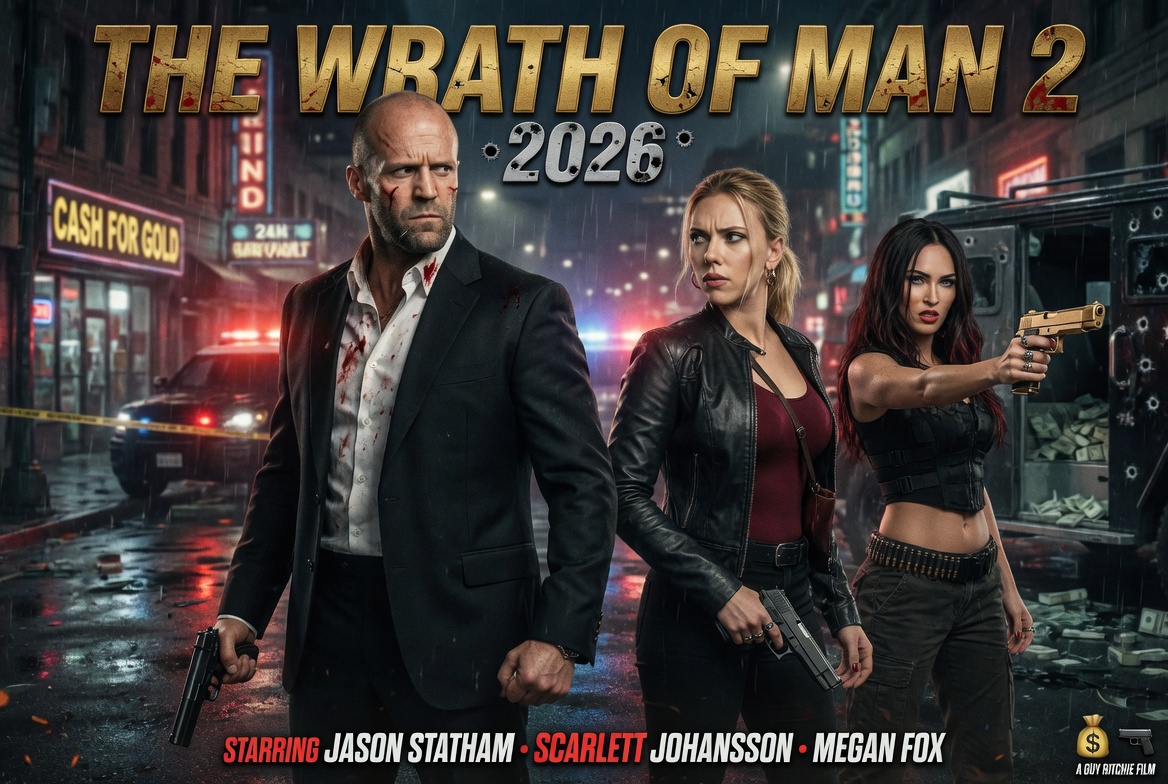
Vengeance is supposed to end things. Clean. Final. But The Wrath of Man 2 (2026) opens with a quiet, unsettling truth: some debts don’t disappear when they’re paid—they multiply. And for a man like H, the past doesn’t fade… it recalculates.
The film wastes no time returning to that cold, methodical tone that made the first installment so gripping. There’s no rush, no unnecessary noise—just precision. Every movement feels deliberate, every silence loaded. H isn’t hunting blindly this time. He’s following something far more dangerous: a pattern.
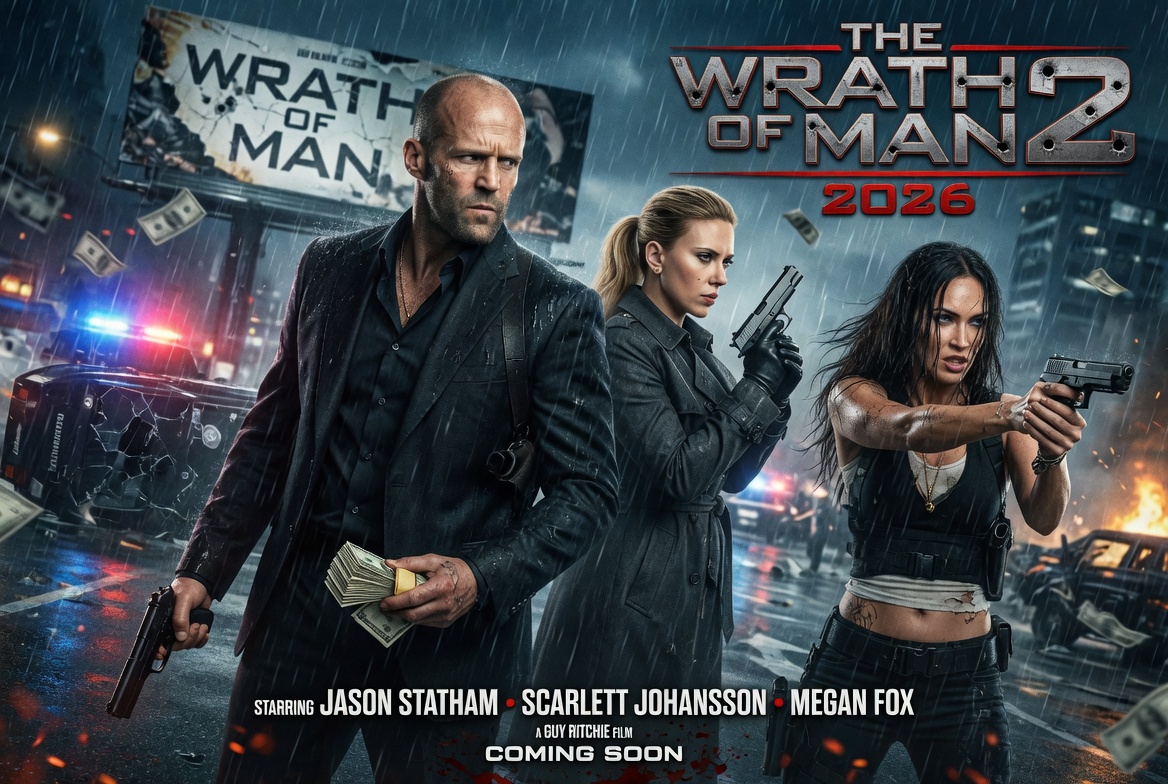
What begins as a series of seemingly disconnected heists quickly reveals itself as something calculated, almost surgical. This isn’t random crime—it’s orchestration. And whoever is behind it isn’t just skilled… they’re patient enough to wait for the perfect moment to strike.
H, as always, remains an enigma. He speaks less, reveals even less, but carries a presence that fills every frame. There’s a shift in him this time—not softer, not more emotional—but more aware. As if he understands that revenge is no longer a destination… it’s a cycle he’s already trapped inside.
The film thrives on tension rather than spectacle. Gunfights are brutal, quick, and unforgiving—over before you can fully process them. There’s no glamor here, no heroic slow motion. Just consequences. Immediate and irreversible.
What makes The Wrath of Man 2 stand out is its structure. It doesn’t unfold in a straight line. Instead, it layers timelines, perspectives, and motives, forcing you to piece together the truth the same way H does—one fragment at a time. And when those fragments align, the picture is far darker than expected.
The antagonist this time isn’t loud or theatrical. They’re controlled. Calculated. Someone who doesn’t act out of rage, but out of understanding. And that makes them far more dangerous—because they don’t just challenge H physically… they challenge the very logic behind his actions.
Visually, the film leans into shadows and steel. Cold interiors, dim streets, and environments that feel stripped of warmth. It’s a world where trust doesn’t exist, and every space feels like it could turn hostile in seconds. The atmosphere does as much storytelling as the dialogue.
There’s also a deeper theme running beneath the violence: legacy. Not in the heroic sense, but in the consequences we leave behind. Every decision, every act of vengeance, ripples outward. And in this world, those ripples always come back—harder, sharper, more personal.
The supporting characters aren’t just bystanders—they’re pieces of a larger mechanism. Some move with H, some against him, but all are caught in the same system that rewards brutality and punishes hesitation. No one walks away clean.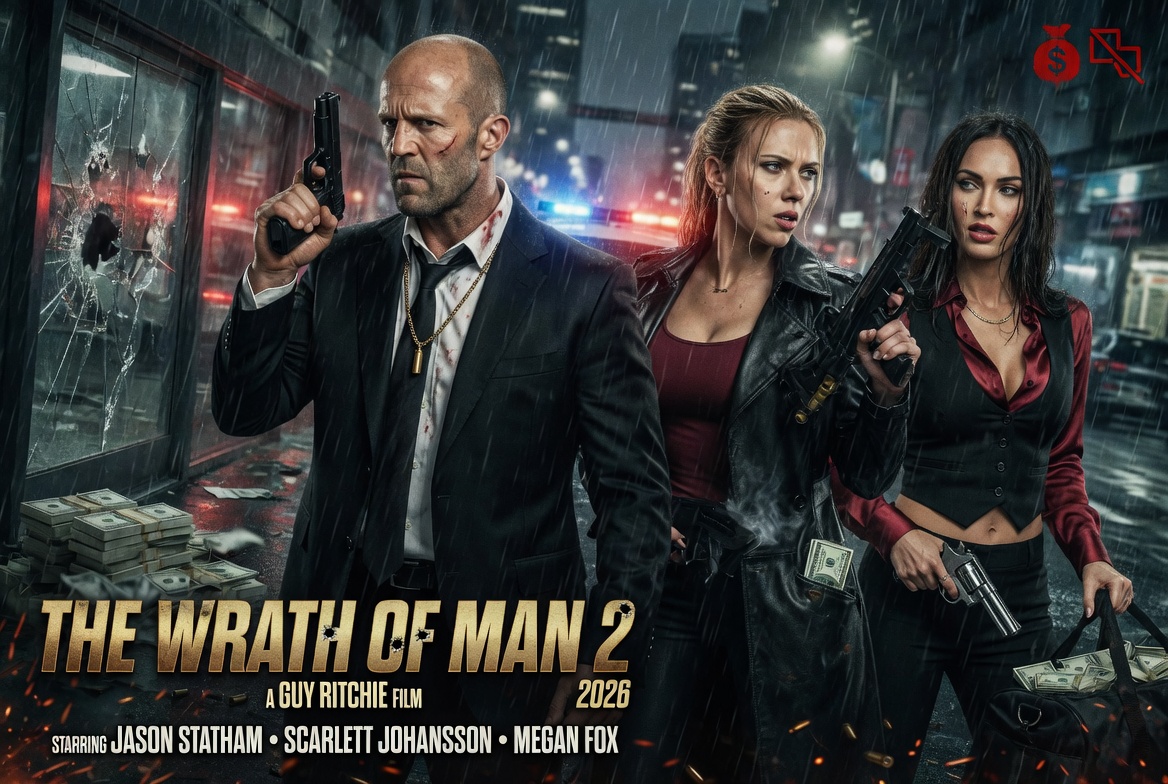
As the film builds toward its climax, the lines between hunter and hunted blur. H isn’t just tracking someone anymore—he’s being led. And the realization hits slowly but hard: this was never about revenge. It was about balance.
By the final moments, The Wrath of Man 2 (2026) doesn’t offer closure—it offers consequence. Because in a world built on violence, the question isn’t whether justice will be served… it’s who will be left standing when it is.
And H? He may have learned the truth too late: some debts aren’t meant to be paid. They’re meant to be endured.*