28 Years Ago, Sandra Bullock Thought Audiences Would Love Practical Magic — Then ‘It Got Quiet.’ Now the Sequel Is No. 1
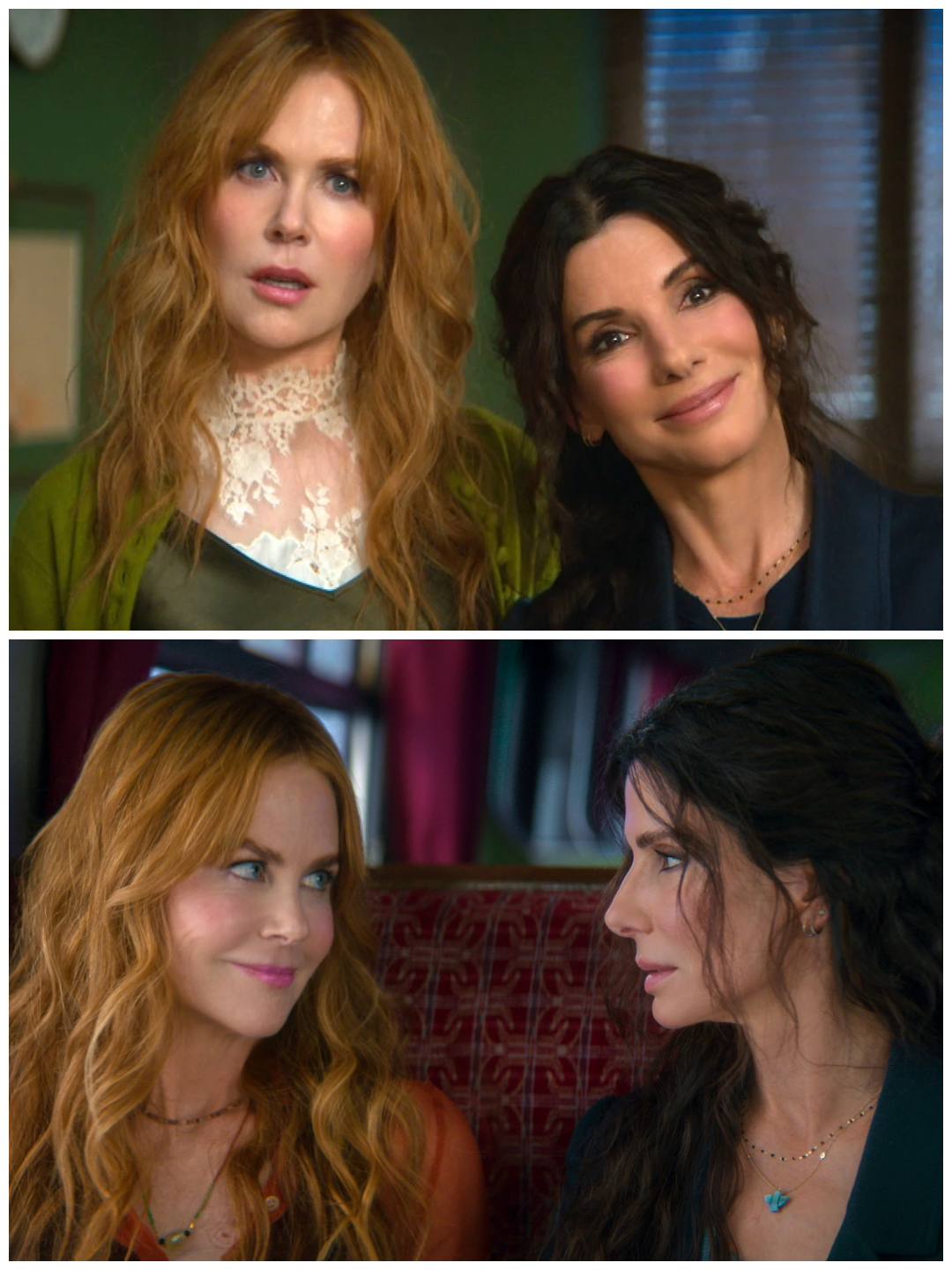
Twenty-eight years ago, Sandra Bullock believed Practical Magic was going to connect with audiences.
The movie had witches, romance, grief, sisterhood, comedy and two rising stars at its center: Bullock and Nicole Kidman.
The people making it thought they had created something special.
Then the film came out.
And, as Bullock recently remembered it, “it got quiet.”
The 1998 movie was met with a cool response from critics, struggled to become the kind of theatrical hit its team had hoped for and left some of the people who made it feeling as though they had misjudged what audiences wanted.
Nearly three decades later, the story looks very different.
This weekend, Practical Magic 2 debuted at No. 1 at the North American box office with approximately $30 million, while earning about $46 million worldwide.
The sequel pushed Spider-Man: Brand New Day out of the top spot after six weeks at No. 1 and also finished ahead of Christopher Nolan’s The Odyssey.
And this time, Bullock and Kidman were not simply the stars.
They were producers too.
For two actresses returning to a movie that once felt like a disappointment, the moment represented something much larger than another successful opening weekend.
It looked a lot like vindication.
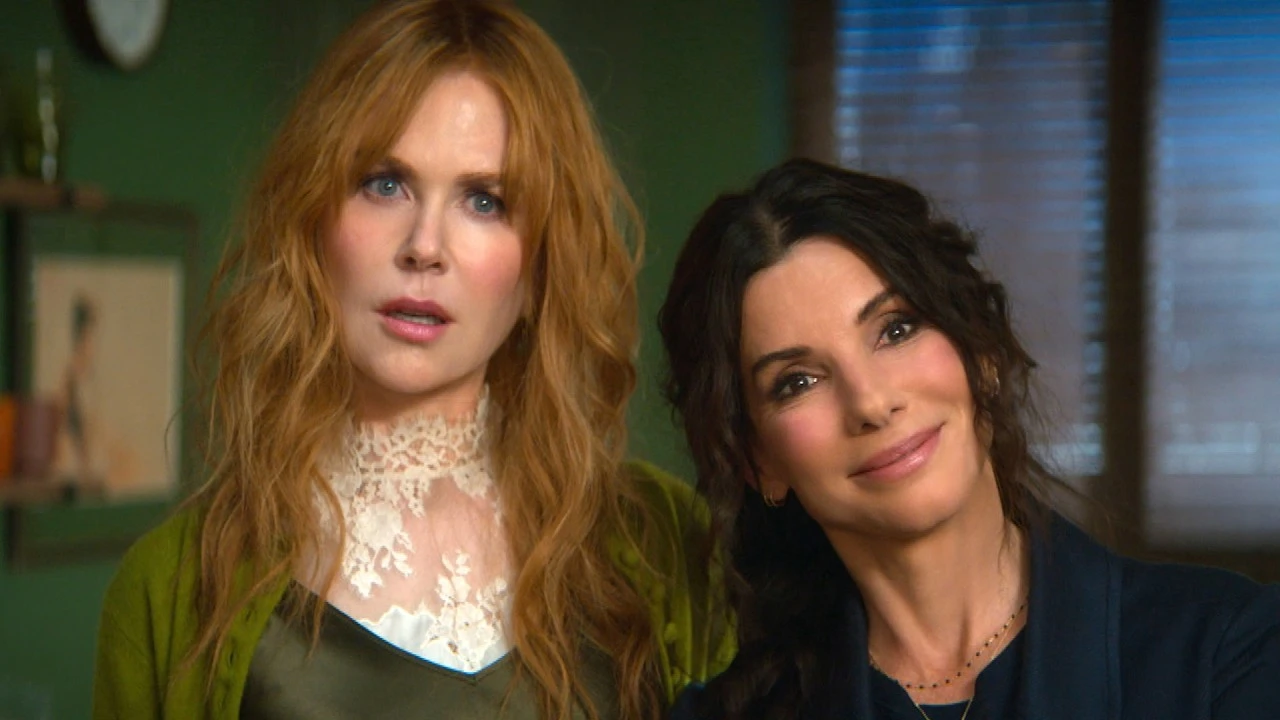
The original Practical Magic, released in October 1998, followed sisters Sally and Gillian Owens, played by Bullock and Kidman, women descended from a long line of witches and burdened by a family curse that doomed the men they loved.
Directed by Griffin Dunne and based on Alice Hoffman’s novel, the movie mixed romantic comedy, supernatural fantasy, domestic drama and darker material involving abuse and death.
That unusual combination became part of its problem.
Critics often did not know what to make of it.
Today, the original holds only a 31% critics score on Rotten Tomatoes, while its audience score is far warmer at 73%. Its theatrical performance was respectable but hardly explosive: the film opened with about $13.1 million in North America and ultimately earned roughly $46.7 million domestically.
For Bullock, however, the disappointment was not merely about numbers.
While promoting the sequel in 2026, she reflected on how uncomfortable the original movie’s reception had been.
She recalled that the cast and filmmakers were excited about what they had made, only to encounter criticism that sometimes seemed aimed not merely at the film’s execution but at how many women were at the center of it.
Bullock said the reaction left them feeling “chastised” and even ashamed of something they had initially been proud to create.
That history makes what happened next especially meaningful.
Because Practical Magic did not disappear.
Instead, it slowly found its audience.
Viewers discovered it on VHS, DVD, cable television and eventually streaming platforms. The Owens house became instantly recognizable to fans. The midnight margaritas scene became iconic. Quotes, costumes and references circulated every Halloween.
More importantly, the emotional core of the movie aged better than its original reviews suggested.
At heart, Practical Magic was not simply a story about witches.
It was about women protecting one another.
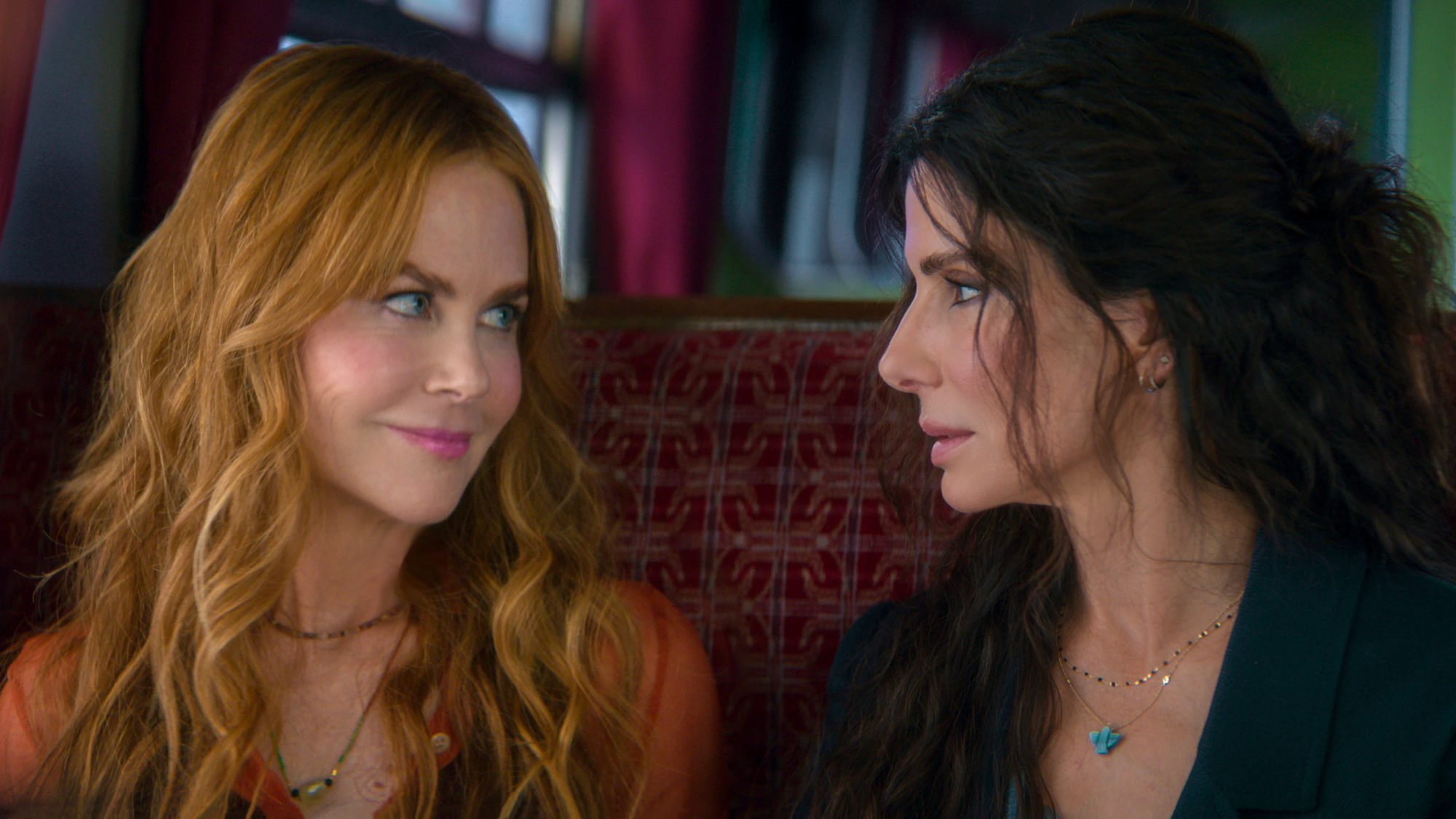
It was about sisters whose relationship survived distance, bad choices, heartbreak and grief.
It was about the complicated inheritance passed from mothers to daughters.
And it imagined female friendship and family loyalty as forms of magic powerful enough to defeat something darker.
Over time, audiences responded to exactly those qualities.
What had once been treated as an uneven genre experiment became a cult classic.
Bullock has credited social media and the film’s passionate fan community with helping her understand that people had been loving Practical Magic quietly for years, even when the initial reception made the people involved feel otherwise.
That long afterlife eventually made a sequel possible.
Practical Magic 2, directed by Susanne Bier, brings Bullock and Kidman back as Sally and Gillian Owens while expanding the story to another generation.
Joey King and Maisie Williams play Sally’s grown daughters, Kylie and Antonia, with Dianne Wiest and Stockard Channing also returning as the beloved Owens aunts.
Bullock and Kidman serve as producers, giving them a greater creative role in returning to characters that have followed them for almost 30 years.
That detail matters.
They were no longer young actresses promoting a movie and waiting to see whether Hollywood approved of it.
Both returned as Oscar-winning stars with decades of experience and enough influence to help shape the continuation themselves.
Then audiences delivered an answer that would have been difficult to imagine in 1998.
The sequel opened at No. 1.
According to weekend estimates, Practical Magic 2 earned around $30 million from 4,146 North American theaters and another $16 million internationally, bringing its worldwide opening to approximately $46 million.
Spider-Man: Brand New Day, which had dominated the domestic box office for six consecutive weekends, fell to second place with about $8.4 million.
The Odyssey followed with approximately $7.4 million.
That does not automatically make Practical Magic 2 an enormous financial blockbuster.
The sequel reportedly carries an estimated production budget of around $75 million before marketing, so its long-term theatrical performance will matter. Reviews have also been mixed, proving that the franchise still has an unusual relationship with critics.
But culturally, the opening means something else.
In 1998, the original movie arrived before studios had fully learned how valuable long-term fandom could become.
There was no TikTok community resurrecting old scenes.
No streaming algorithm putting forgotten movies in front of new generations.
No social media ecosystem capable of turning a film dismissed decades earlier into an annual autumn ritual.
Practical Magic had to build its reputation the slow way.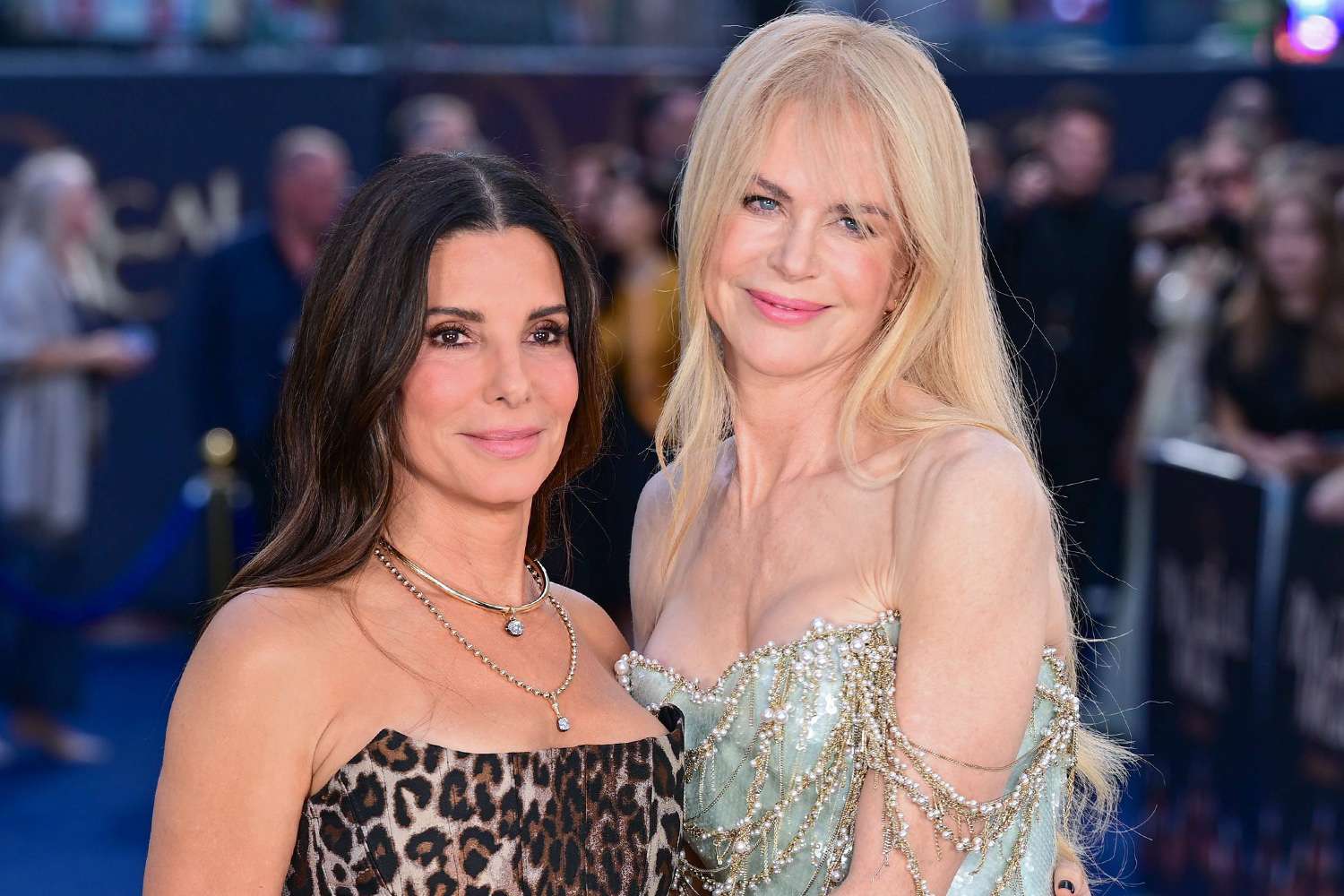
One viewer at a time.
One sleepover at a time.
One Halloween rewatch at a time.
Its audience did not appear loudly enough during opening weekend in 1998.
But it never stopped growing.
That is why Bullock’s recollection of the first film feels so striking today.
She remembers believing audiences would love it.
Then came the silence.
Twenty-eight years later, the answer finally arrived in a form Hollywood understands very well: a No. 1 at the box office.
There is something fitting about that journey for a franchise centered on generations, memory and things that refuse to stay buried.
The original Practical Magic was not rescued by a sudden critical reevaluation or a major awards campaign.
It survived because viewers kept loving it long after its opening weekend was over.
Those viewers introduced it to their daughters, sisters and friends.
Eventually, the cult following became large enough that Warner Bros. could return to the Owens family almost three decades later.
And when Bullock and Kidman returned, audiences showed up.
For them, Practical Magic 2 is more than a nostalgic reunion.
It is evidence that the reception a piece of art receives in its first few weeks does not always determine its legacy.
Sometimes the movie people dismiss becomes the movie audiences refuse to let go.
Sometimes a disappointment becomes a tradition.
And sometimes, 28 years after everything “got quiet,” the same story comes back louder than ever.
This weekend, the Owens sisters did exactly that.
They returned to theaters.
And this time, they were No. 1.