Linda Ronstadt’s Backing Band Quietly Became the Eagles
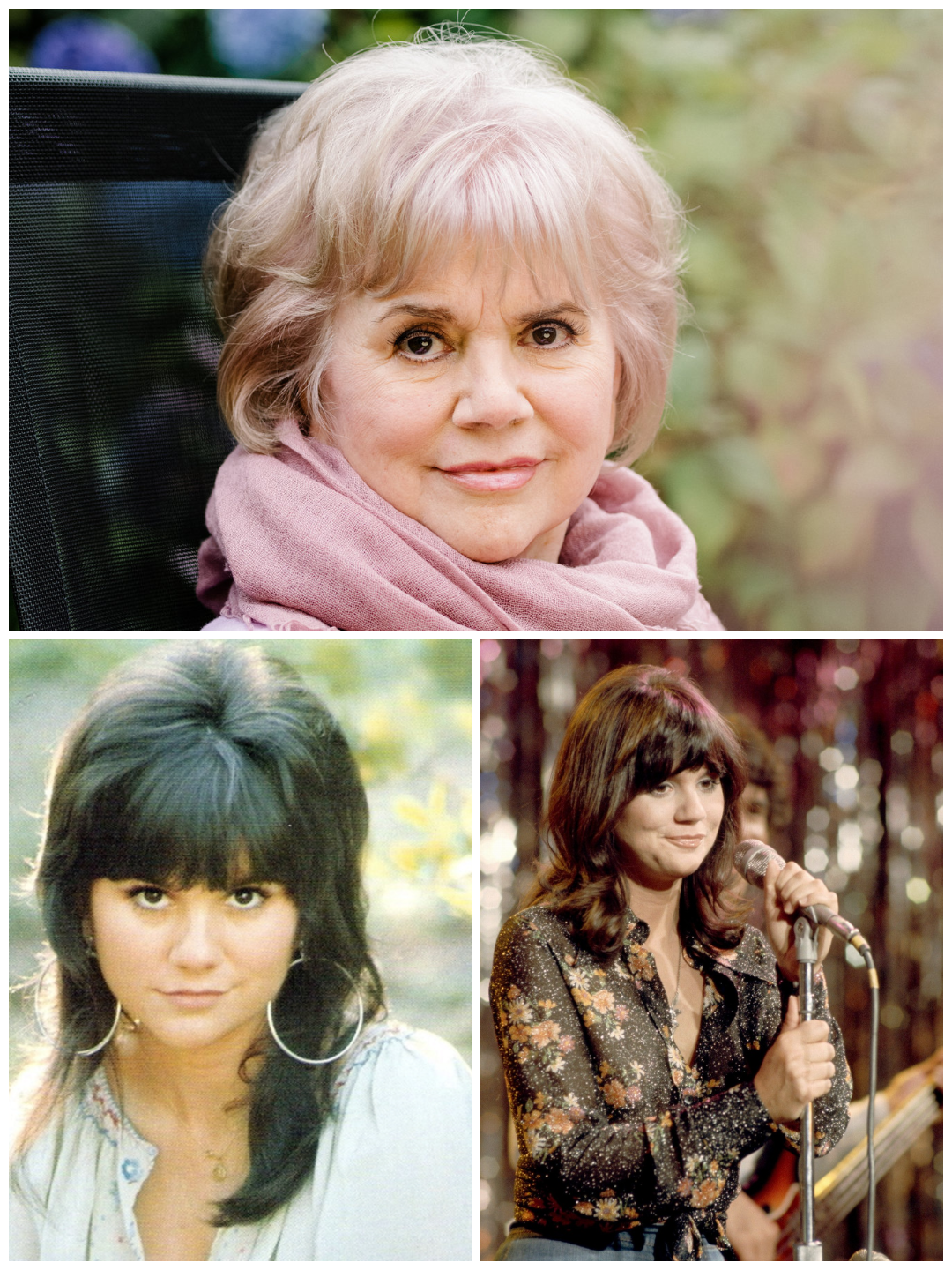
Long before the Eagles became one of the defining bands of 1970s America, several of the men who would create that sound were standing behind someone else.
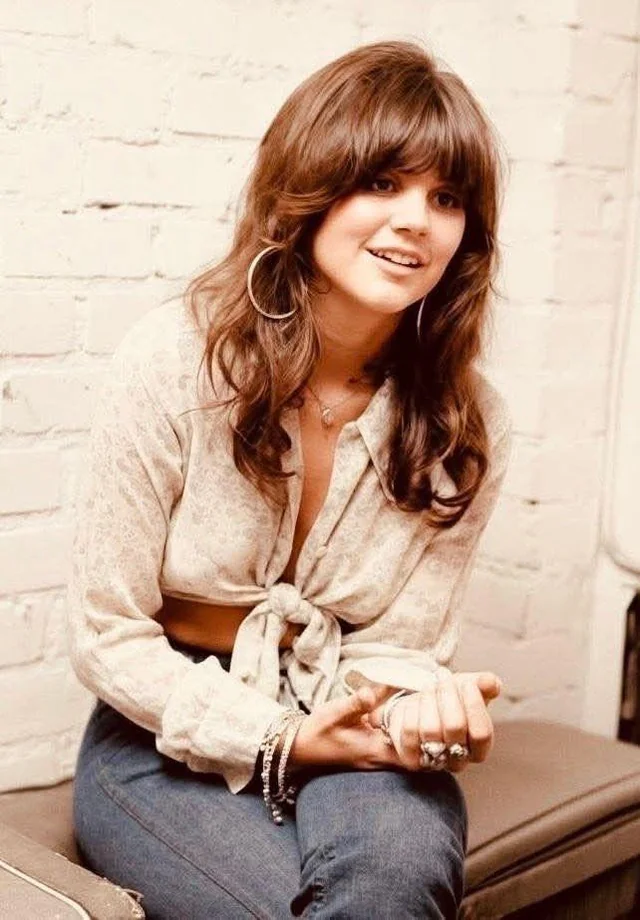
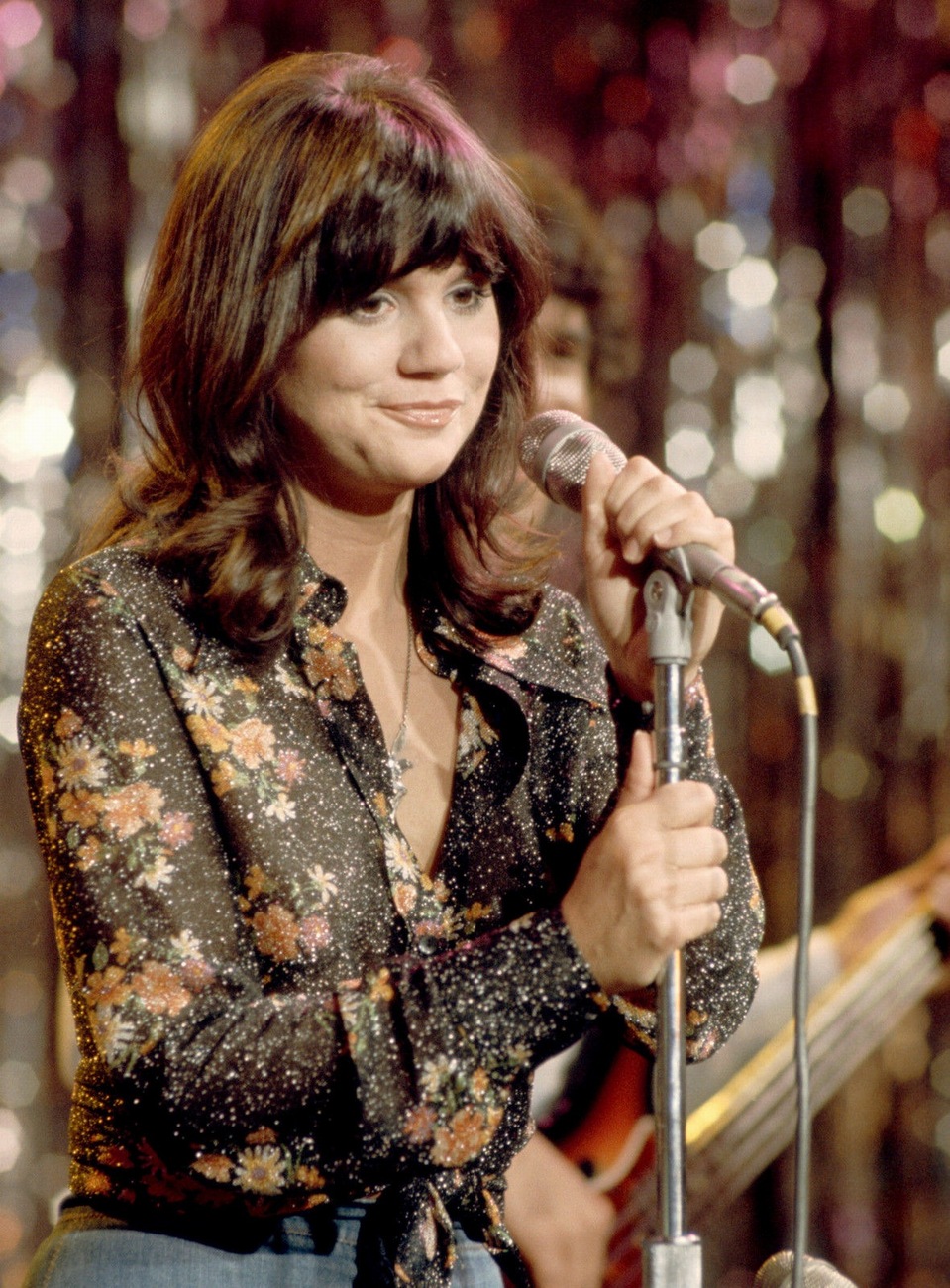
Linda Ronstadt.
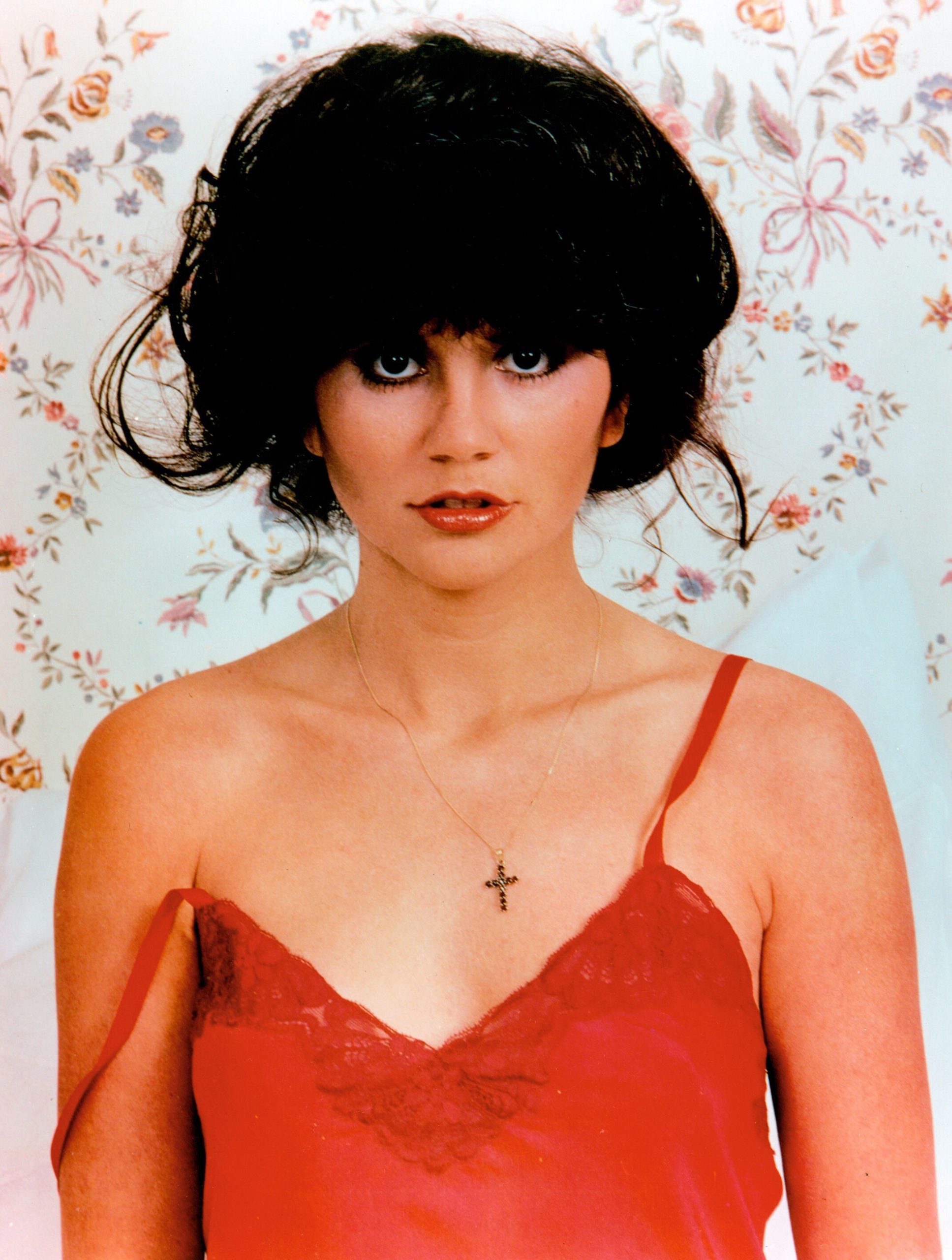
At the time, Ronstadt was building her own career, moving between country, folk and rock while surrounding herself with some of the best musicians in Los Angeles.
Among them were two young players named Glenn Frey and Don Henley.
They were not yet the men behind “Take It Easy,” “Desperado” or “Hotel California.”
They were members of Ronstadt’s backing band.
And the story becomes even more remarkable from there.
Randy Meisner and Bernie Leadon were also part of the circle of musicians connected to Ronstadt during this period.
Eventually, Frey, Henley, Meisner and Leadon came together.
That foursome became the original Eagles.
But Ronstadt’s role in the story was not simply that four future stars happened to pass through her orbit.
She actively encouraged Frey and Henley to form their own band.
She did not try to keep two talented musicians tied permanently to her own career.
She helped push them toward theirs.
And according to Ronstadt, there was one moment when she came home, heard what they had created with “Witchy Woman,” and immediately realized something big was happening.
Los Angeles Was Full of Musicians Looking for the Right Combination
The Southern California music scene of the late 1960s and early 1970s was unusually interconnected.
Singer-songwriters, country musicians and rock players moved between bands, recording sessions and live shows.
People shared houses.
They shared musicians.
They appeared on one another’s records.
A player standing in the background of one artist’s show could suddenly become the center of another major band.
Ronstadt was positioned directly in the middle of that world.
Her music already blended country influences with a more contemporary rock sound, making her backing group an ideal meeting place for musicians who were interested in doing something similar.
That included Frey and Henley.
Frey had come to Los Angeles from Detroit.
Henley arrived from Texas.
Both were ambitious.
Both wanted something larger than simply working as sidemen.
But before the Eagles existed, playing behind Ronstadt gave them a chance to work together and discover how their voices and musical instincts fit.
Frey and Henley Were Learning Each Other on Ronstadt’s Stage
Backing a major singer can be one of the best possible laboratories for musicians.
There is less pressure than being the center of the act, but there is still a professional standard.
You have to listen.
You have to blend.
You have to know when to step forward and when to disappear into the arrangement.
Frey and Henley did exactly that while working around Ronstadt.
As the two spent more time together, the idea of forming their own group began to make sense.
Ronstadt could have reacted defensively.
Losing talented musicians is inconvenient.
A strong backing band is difficult to replace.
But by her own recollection, she did not try to hold them back.
She encouraged the idea.
That decision became enormously important.
Instead of seeing Frey and Henley only as employees who helped make her concerts better, Ronstadt recognized that they had something of their own to build.
Then Randy Meisner and Bernie Leadon Entered the Picture
Frey and Henley alone were not yet the Eagles.
Two more musicians were needed to create the original lineup.
Randy Meisner, a bassist and singer with a high, distinctive voice, was part of the broader network of musicians surrounding Ronstadt and the Los Angeles country-rock scene.
Bernie Leadon brought guitar, banjo and deep country and bluegrass instincts.
Together, the four musicians had an unusual balance.
Frey could bring rock energy and strong songwriting.
Henley had a powerful voice, drums and a darker edge.
Meisner could deliver soaring harmonies and fragile lead vocals.
Leadon gave the group an authentic country foundation.
This mixture became the early Eagles sound.
And all four had connections that ran through Ronstadt’s musical world.
The band did not materialize out of nowhere.
Its members had already crossed paths, played together and absorbed the same influences before the name Eagles existed.
Ronstadt Helped Create the Space for Them to Leave
One of the most revealing parts of the story is what Ronstadt did not do.
She did not behave as though the musicians around her belonged to her permanently.
That mattered because by the early 1970s, she was already becoming an increasingly important artist.
Keeping Frey and Henley could have benefited her own live performances.
Instead, she supported the idea that they should build something independent.
That generosity is easy to overlook now because we know how successful the Eagles became.
At the time, nothing was guaranteed.
A new band could fail.
The chemistry might not work.
They could make one record and disappear.
Encouraging them to leave meant Ronstadt was effectively accepting short-term inconvenience for the possibility that her musicians might create something larger.
They did.
The Eagles Even Rehearsed at Ronstadt’s Home
Ronstadt’s connection to the early Eagles did not end when they stopped being simply her backing musicians.
The band rehearsed at the house she shared with songwriter J.D. Souther.
That image captures how informal the birth of major music history could be.
The Eagles were not yet an institution.
They were young musicians working out songs and harmonies in a house associated with friends and fellow songwriters.
Ronstadt later remembered coming home one day and hearing something that caught her attention immediately.
The Eagles had been working on the harmony for “Witchy Woman.”
She listened.
And she believed they had something.
Ronstadt recalled recognizing almost instantly that the song sounded like a hit.
She was right.
“Witchy Woman” Helped Prove the Band Was Real
“Witchy Woman” became one of the Eagles’ earliest recognizable songs.
Driven by Henley’s vocal and the group’s tightly layered harmonies, it sounded different from the simpler country-rock that had been circulating around Los Angeles.
There was something darker in it.
Something more mysterious.
And the harmonies made the record unmistakably theirs.
For Ronstadt, hearing the song being developed was evidence that the musicians she had encouraged to go out on their own were no longer just assembling a band.
They had found an identity.
That identity would become one of the most commercially successful sounds in American music.
The Eagles Quickly Outgrew Their Beginnings
The Eagles’ self-titled debut album arrived in 1972.
“Take It Easy,” co-written by Glenn Frey and Jackson Browne, helped introduce the band to a large audience.
“Witchy Woman” followed.
Then came “Peaceful Easy Feeling.”
From there, the group’s rise accelerated.
Albums such as Desperado, On the Border and One of These Nights expanded their audience.
By the middle of the decade, the Eagles had moved far beyond their status as former backing musicians.
Later lineup changes would bring in Don Felder, Joe Walsh and Timothy B. Schmit, and the band’s sound became harder and more elaborate.
Then came Hotel California.
By that point, the Eagles were not merely successful.
They were one of the biggest bands in the world.
But that scale can obscure how small the beginning was.
Before stadiums and platinum albums, there was Ronstadt’s band.
There was Frey.
There was Henley.
There were other musicians moving through the same circle.
And there was a singer who did not stand in their way when they decided to leave.
Ronstadt’s Own Career Was Exploding at the Same Time
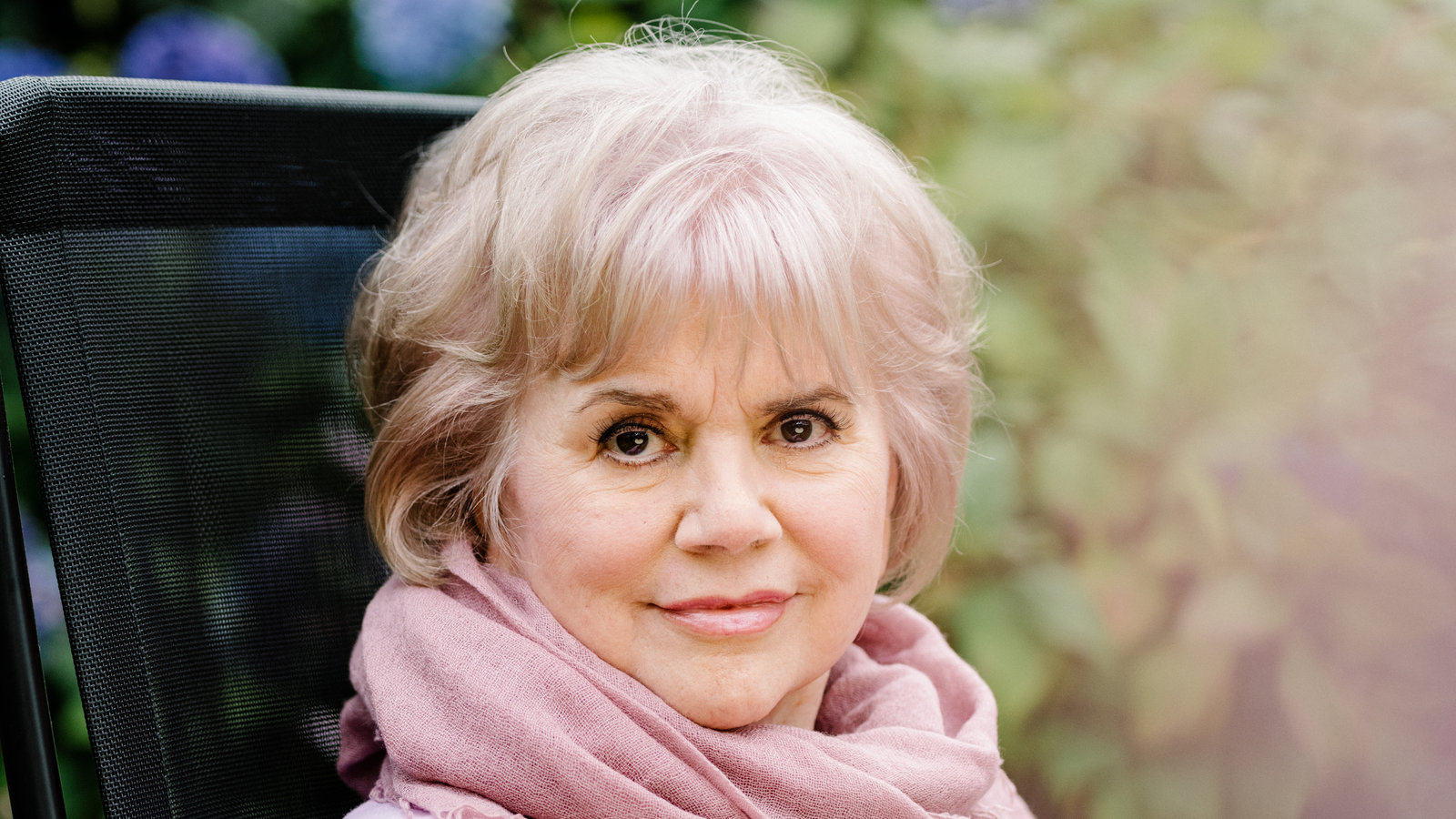
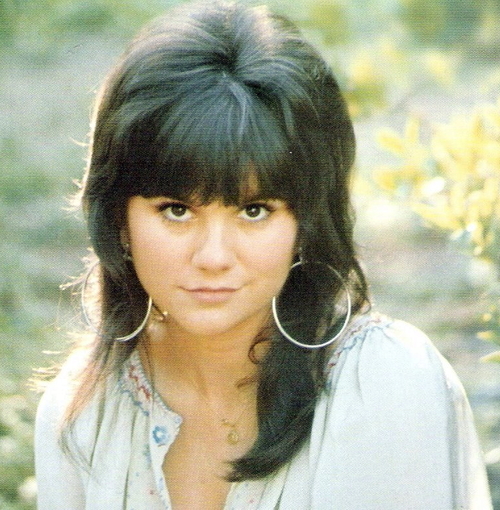
What makes the story even more striking is that Linda Ronstadt hardly disappeared once the Eagles took off.
Her own career became enormous.
Through the 1970s, she emerged as one of the era’s most successful and versatile singers.
She could move between rock, country and pop with ease.
Albums such as Heart Like a Wheel helped make her a major star, while songs including “You’re No Good,” “Blue Bayou” and “When Will I Be Loved” became enduring hits.
So the story is not one of a singer sacrificing her own career so that somebody else could succeed.
Ronstadt and the Eagles rose almost alongside each other.
Their histories remained connected because they came from the same creative world.
One Musical Family Produced Two Giant Legacies
Today, Linda Ronstadt and the Eagles are often remembered as separate pillars of 1970s American music.
Both have enormous catalogs.
Both became fixtures of classic radio.
Both helped shape the sound people now associate with Southern California during that era.
But their stories overlap far more than many casual listeners realize.
Don Henley and Glenn Frey played behind Ronstadt before forming the Eagles.
Randy Meisner and Bernie Leadon came from the same interconnected musical network.
Ronstadt encouraged the idea of Frey and Henley going out on their own.
The future Eagles even rehearsed in the home she shared with J.D. Souther.
And one day, Ronstadt walked in and heard the harmonies of “Witchy Woman” coming together.
She knew they had something.
She was hearing the beginning of a hit.
More than that, she was hearing the sound of a band that was finally becoming itself.
Linda Ronstadt did not create the Eagles by herself.
But she gave several of its founding members a place to meet, play and grow — and when they were ready to leave, she gave them something equally important.
She let them go.