World War Z 2
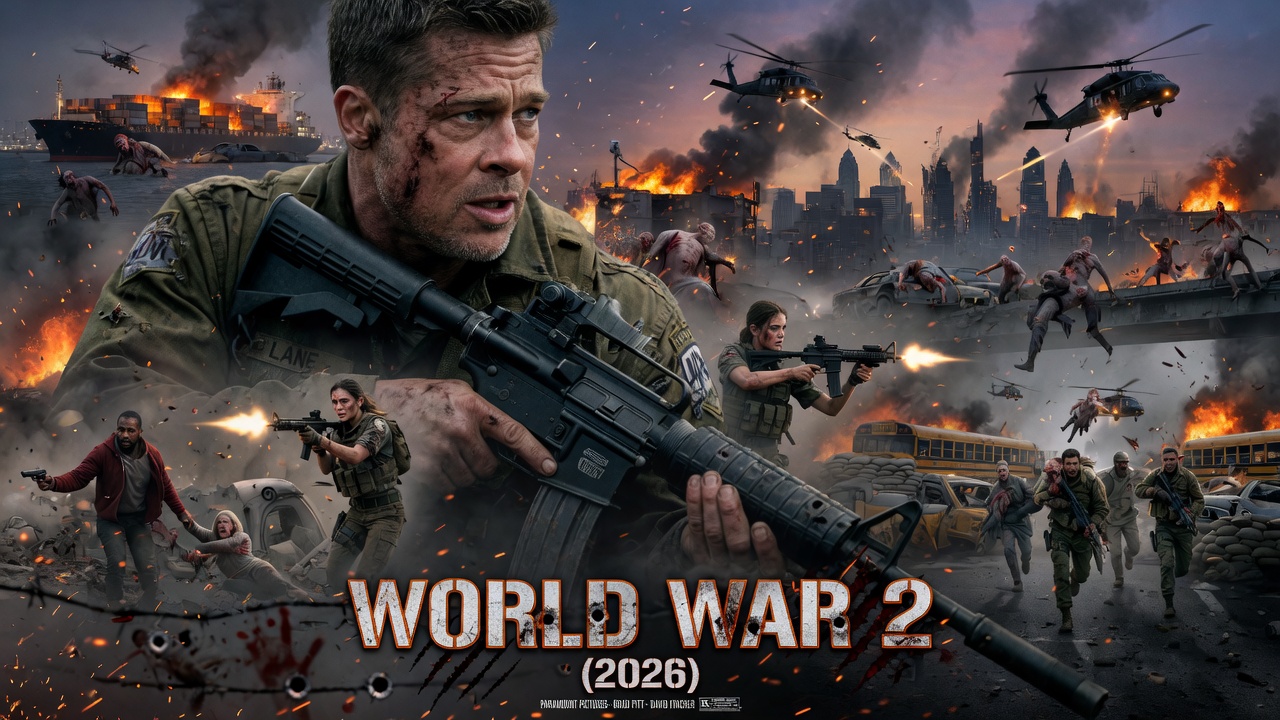
World War Z 2 (2026) Brad Pitt
In World War Z 2 (2026), the war against the undead is no longer just about survival—it is about understanding, adaptation, and the fragile hope of rebuilding a world that has already fallen once before. Years after the global outbreak that nearly wiped out humanity, the world has changed in ways no one could have imagined. Nations have rebuilt behind fortified walls, humanity has learned to coexist with fear, and the infected—once mindless, relentless—have begun to evolve.
Gerry Lane (Brad Pitt), the former United Nations investigator who once raced across continents to uncover the truth behind the outbreak, has tried to leave that life behind. Living in quiet isolation with his family, he clings to the belief that the worst is over. But peace in a post-apocalyptic world is never permanent. When a series of coordinated outbreaks erupt across multiple continents—faster, deadlier, and more strategic than anything seen before—it becomes clear that the war has entered a terrifying new phase.
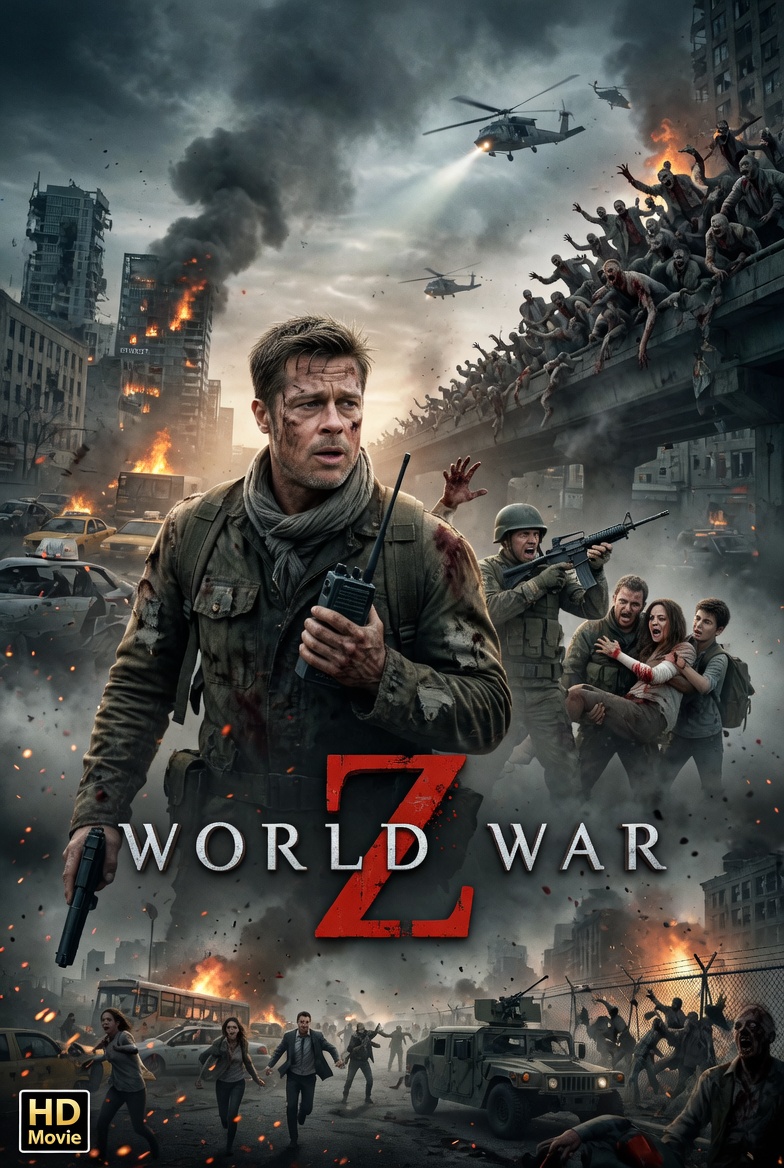
What once seemed like chaos now shows signs of pattern. Entire cities fall overnight, not because of overwhelming numbers, but because the infected are changing. They move differently. They wait. They adapt. Reports suggest that some are no longer driven purely by instinct, but by something closer to collective awareness. The virus has not only survived—it has learned.
Reluctantly, Gerry is pulled back into the global fight, tasked with uncovering the truth behind this new evolution. His journey takes him across a fractured world—from the frozen remnants of Eastern Europe to overcrowded safe zones in Asia, and into quarantined territories where humanity has all but disappeared. Along the way, he encounters scientists, soldiers, and survivors who each hold pieces of a terrifying puzzle: the outbreak may not have been a singular event, but the beginning of something far more complex.
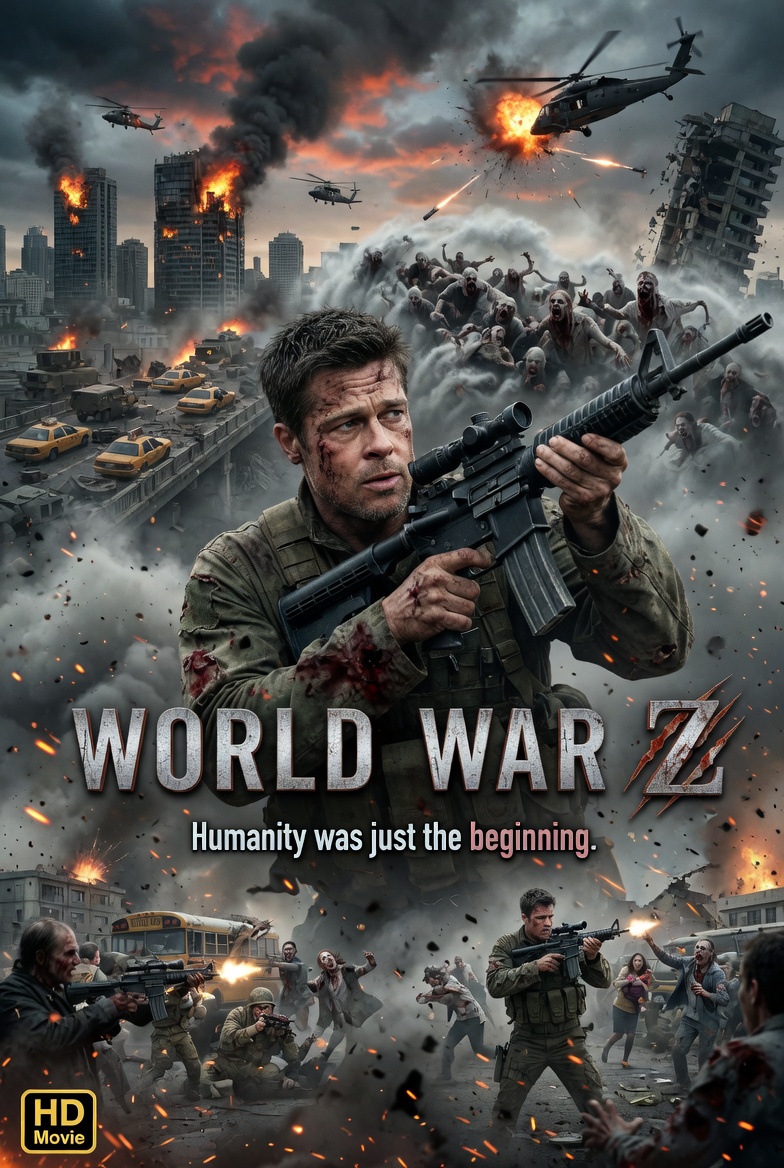
As the investigation deepens, a chilling possibility emerges—the infected may be developing a form of hierarchy. Not leaders in the traditional sense, but variations within the virus that influence the behavior of entire hordes. If true, humanity is no longer facing a swarm—it is facing an evolving ecosystem.
At the heart of the story lies a powerful question: can humanity adapt faster than the virus that is hunting it?
Gerry’s greatest strength has never been brute force, but his ability to observe, connect patterns, and understand what others overlook. In a world driven by fear and desperation, he becomes the bridge between science and survival. But this time, the answers may come at a cost far greater than before. The closer he gets to the truth, the clearer it becomes that defeating the virus may require humanity to make impossible choices—choices that blur the line between saving the species and losing what makes them human.
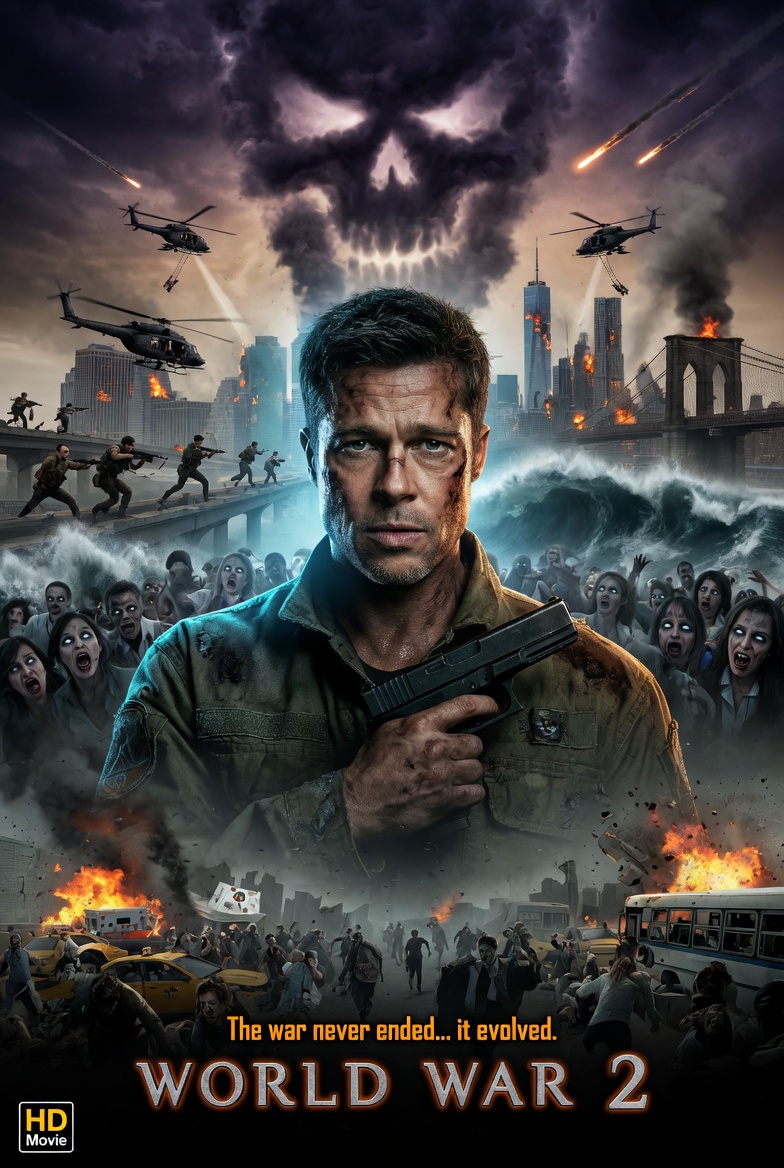
The film builds tension not just through large-scale action, but through an ever-present sense of dread. Massive hordes still surge like tidal waves across ruined cities, but now there are moments of silence—unnerving, unnatural silence—where the infected seem to be watching, waiting. Every encounter feels calculated, every escape temporary.
Visually, World War Z 2 expands the scope of its predecessor, delivering breathtaking sequences that contrast the scale of global devastation with intimate human struggle. From abandoned megacities overtaken by nature to underground bunkers where the last remnants of civilization cling to hope, the film paints a haunting portrait of a world caught between extinction and rebirth.
Yet beneath the chaos, the story remains deeply human. It is about family, about responsibility, and about the enduring belief that even in the darkest moments, there is still something worth fighting for. Gerry Lane is no longer just trying to survive—he is trying to ensure that humanity has a future.
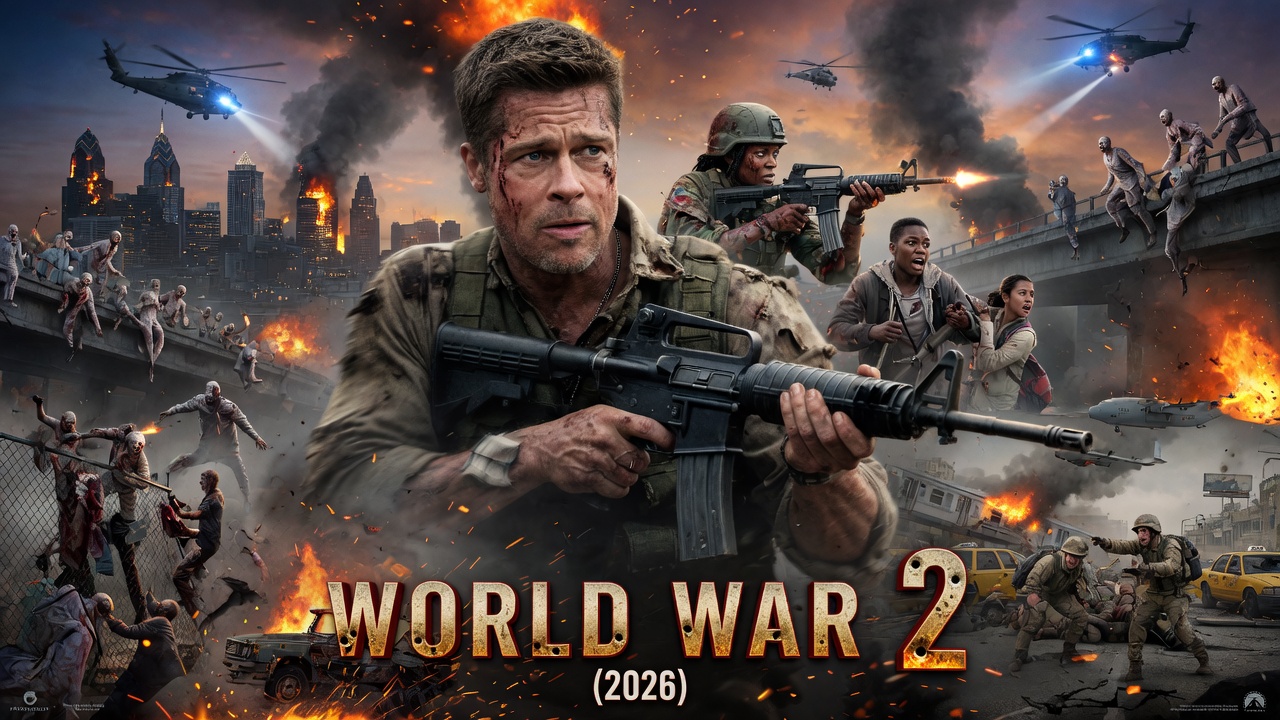
As the story races toward its climax, one truth becomes undeniable: this is no longer a war humanity can win by force alone. To survive, they must evolve—not physically, but in how they think, how they unite, and how they define what it means to be human in a world where the line between life and death has been permanently altered.
“The dead don’t fear us anymore… and that’s what should terrify us.”
Rating: 4.7/5 – A gripping, intelligent, and emotionally charged sequel that elevates the zombie genre into a global survival epic filled with tension, scale, and meaning.