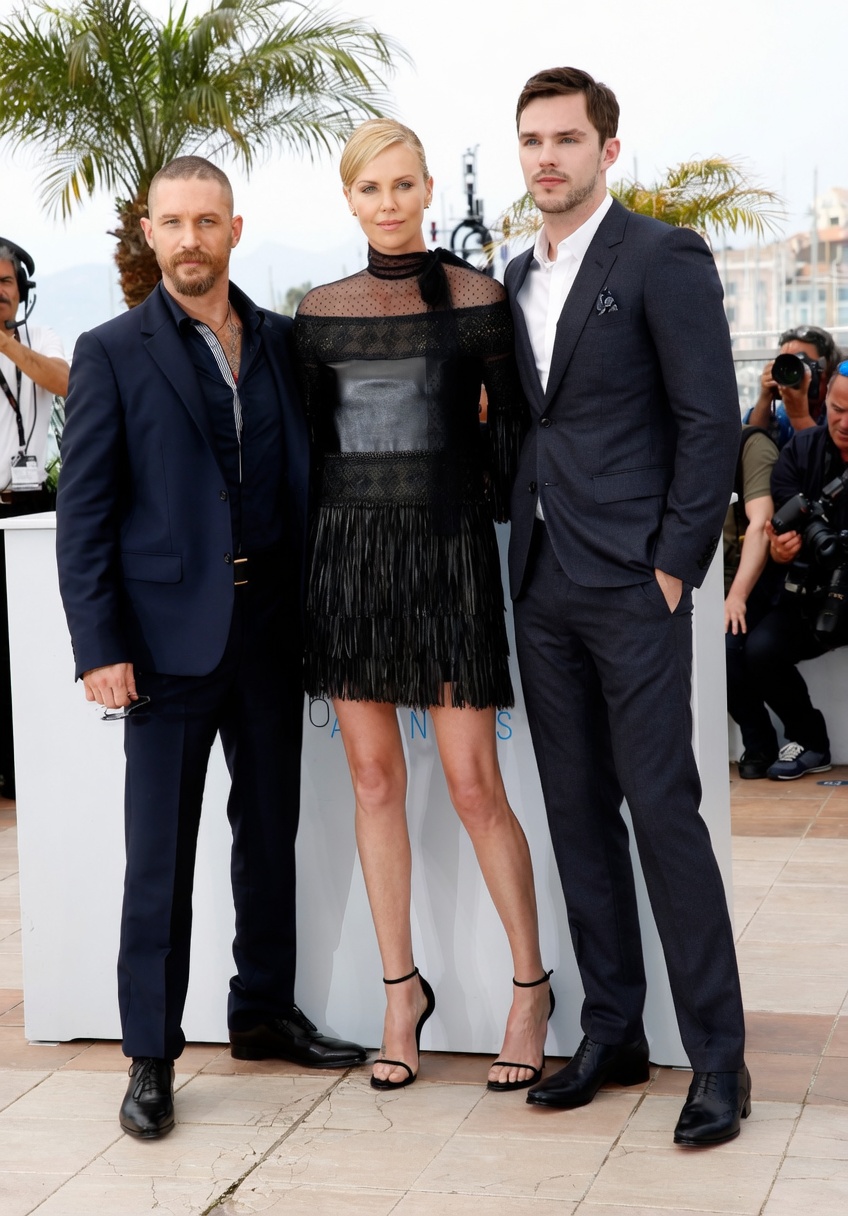
Tom Hardy, Charlize Theron, Nicholas Hoult | From 2015 to 2026 — The Madness That Never Faded
From 2015 to 2026 — The Madness That Never Faded
Eleven years later, and Mad Max: Fury Road still feels like it was shot on another planet.
Not the polished, green-screened planet of modern blockbusters, but the brutal, sun-scorched desert of Namibia — where real sand, real sweat, real fire, and real danger hung in the air for every single frame.
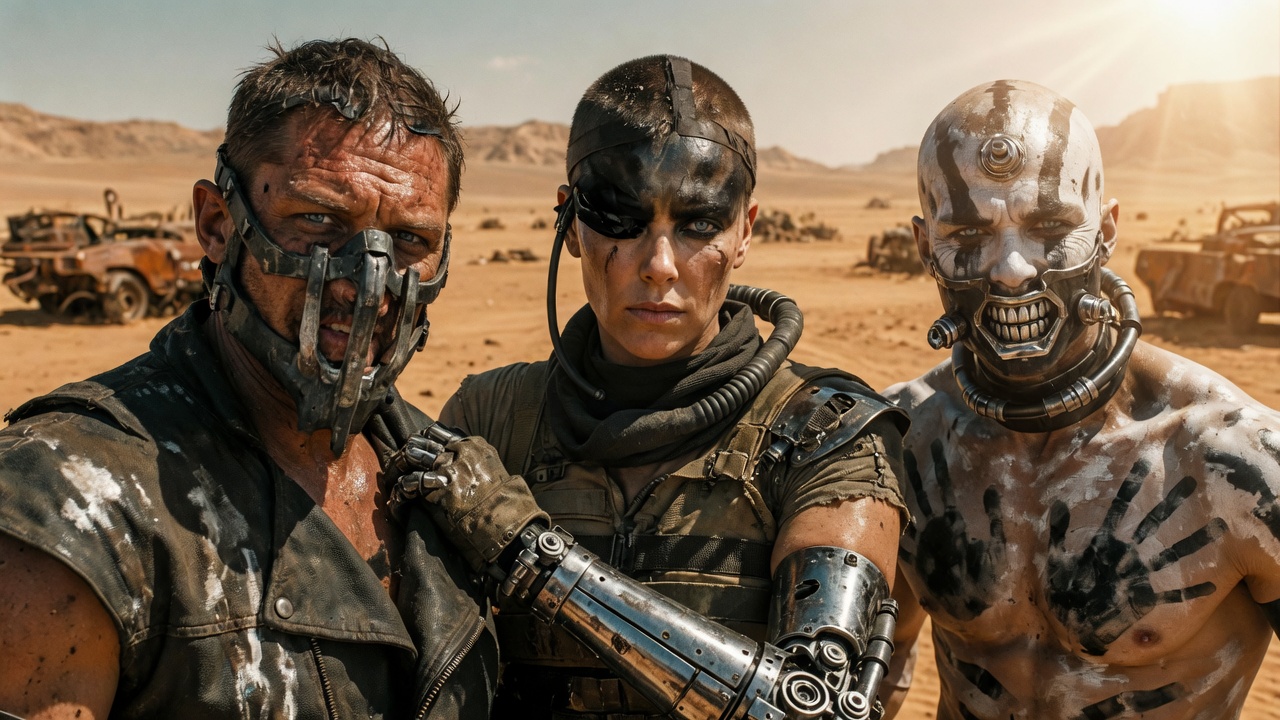
Look at these faces.
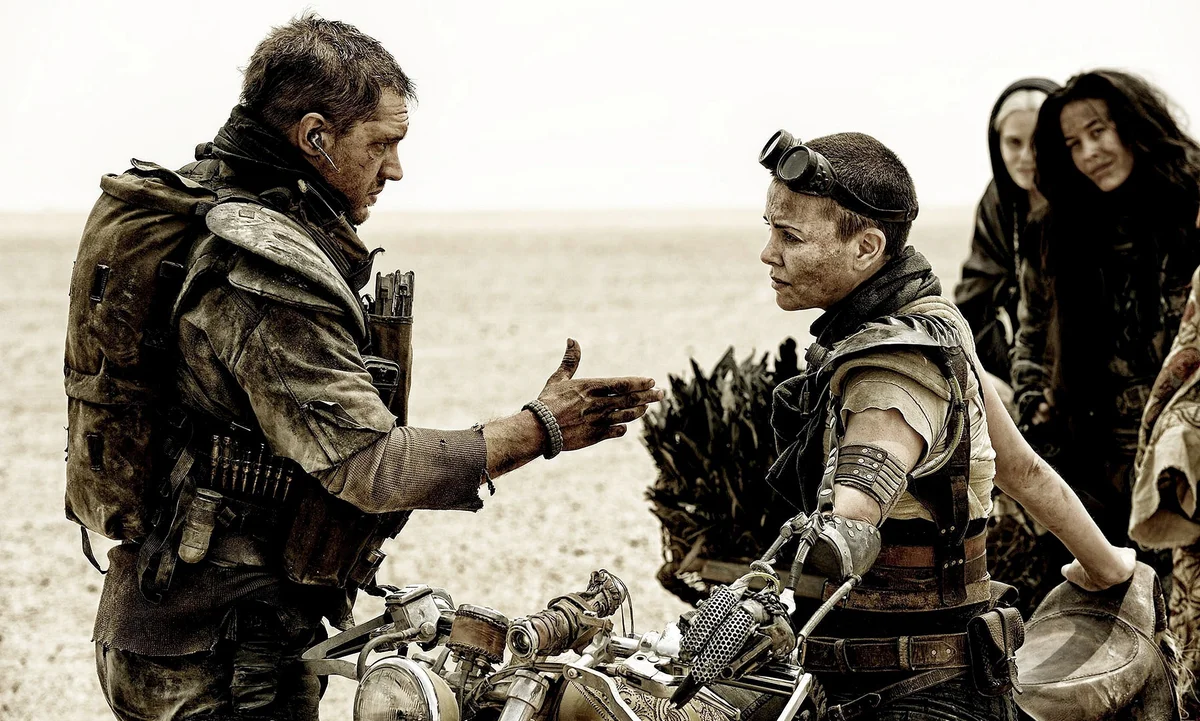
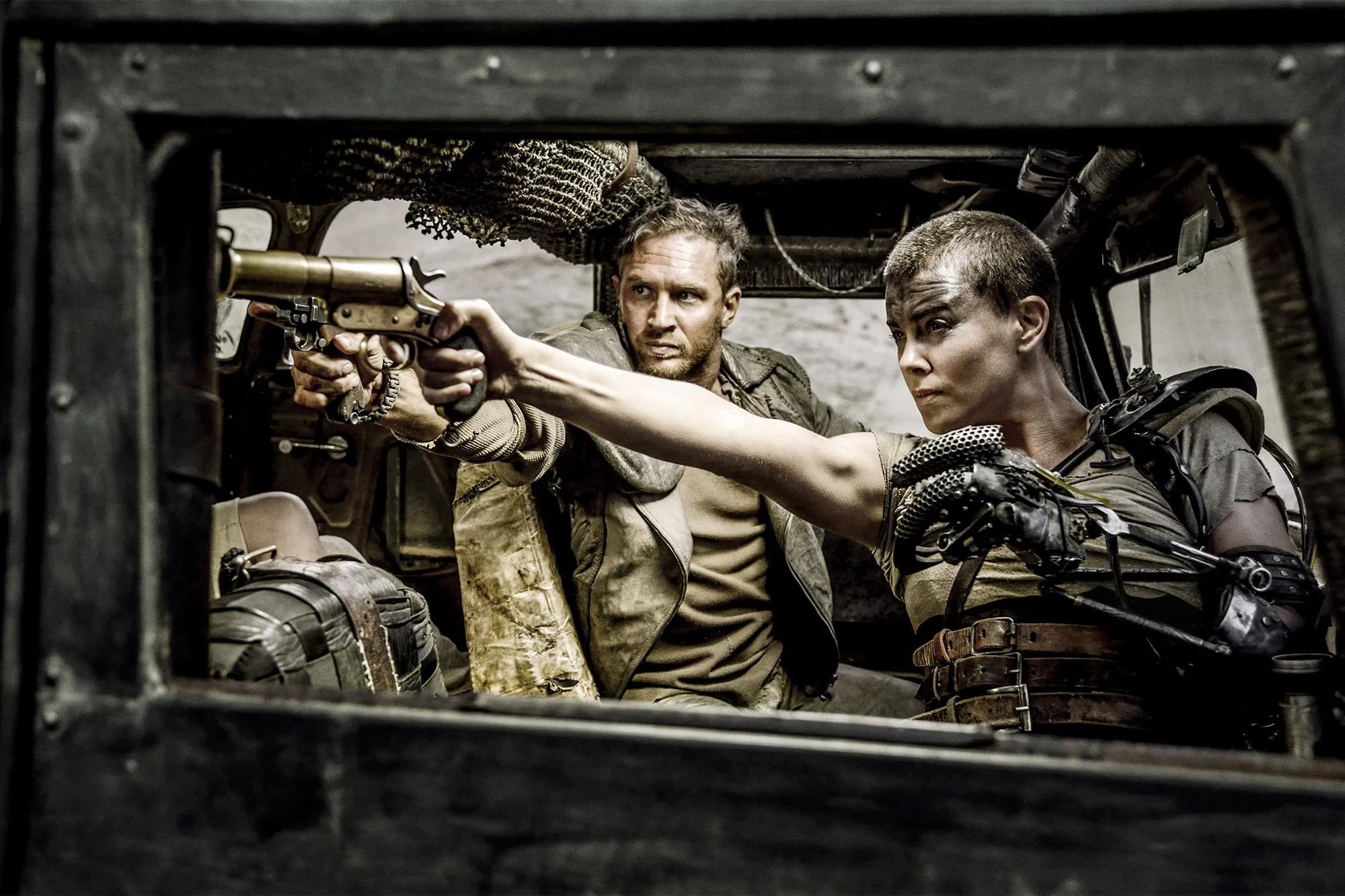
Tom Hardy as Max Rockatansky — raw, broken, and terrifying behind that metal muzzle. His eyes carry the weight of a man who has lost everything, and his silence speaks louder than most characters’ monologues. Charlize Theron as Imperator Furiosa — fierce, unstoppable, and unforgettable with her shaved head and mechanical arm. She doesn’t just play a hero; she becomes a symbol of defiance and raw power. Nicholas Hoult as Nux — the War Boy who screamed “Witness me!” with religious fervor, only to slowly transform into something deeply, painfully human.
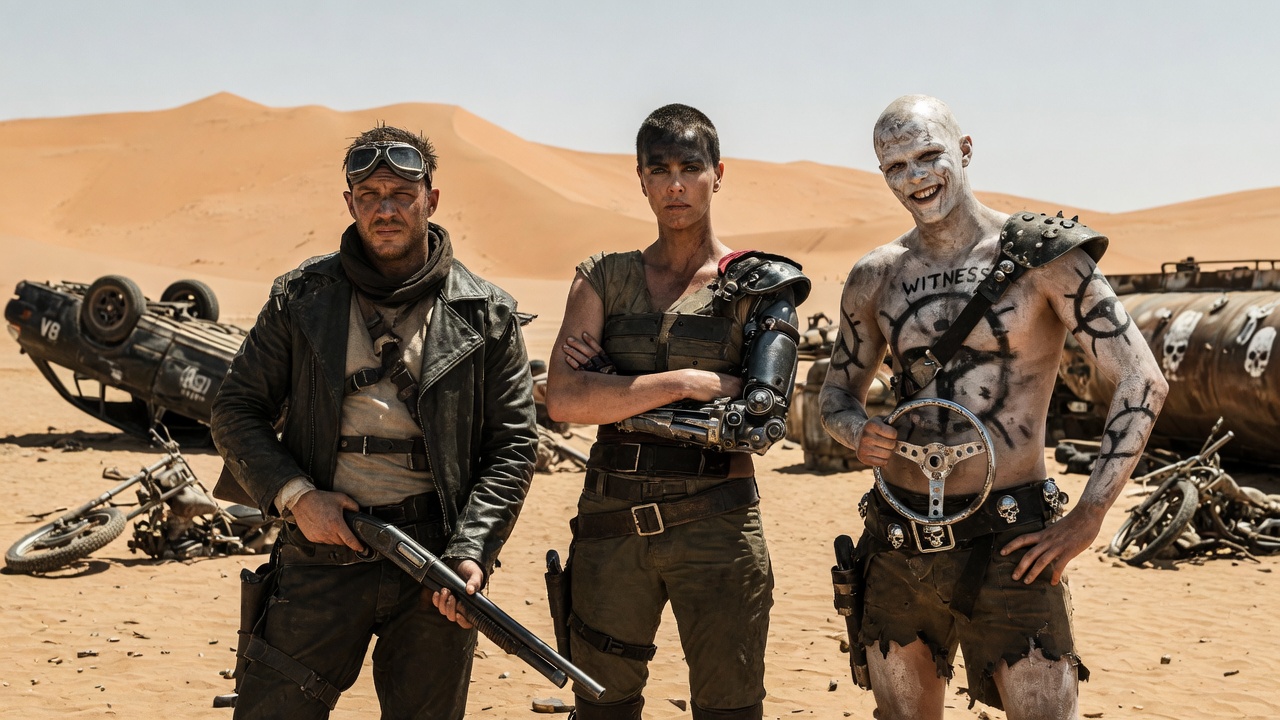
And then… the 2026 versions. The same actors, completely transformed once again as the Mad Max universe continues to expand. Even after Furiosa: A Mad Max Saga gave us a deeper look into her origin, and with rumors of another Max-centric film still circulating, Fury Road remains the undisputed peak.
George Miller didn’t just make a movie. He waged a cinematic war.
80–90% Practical Effects — Not Hype, But Reality
What makes Mad Max: Fury Road a timeless masterpiece is how it was made: the vast majority of the stunts, crashes, and explosions were practical.
Over 150 custom vehicles were built by hand under production designer Colin Gibson. Real cars flipped, slammed, and burned in the Namibian desert under blistering heat. Actors and stunt performers risked their lives daily. There was no heavy reliance on green screens or digital trickery to fake the danger.
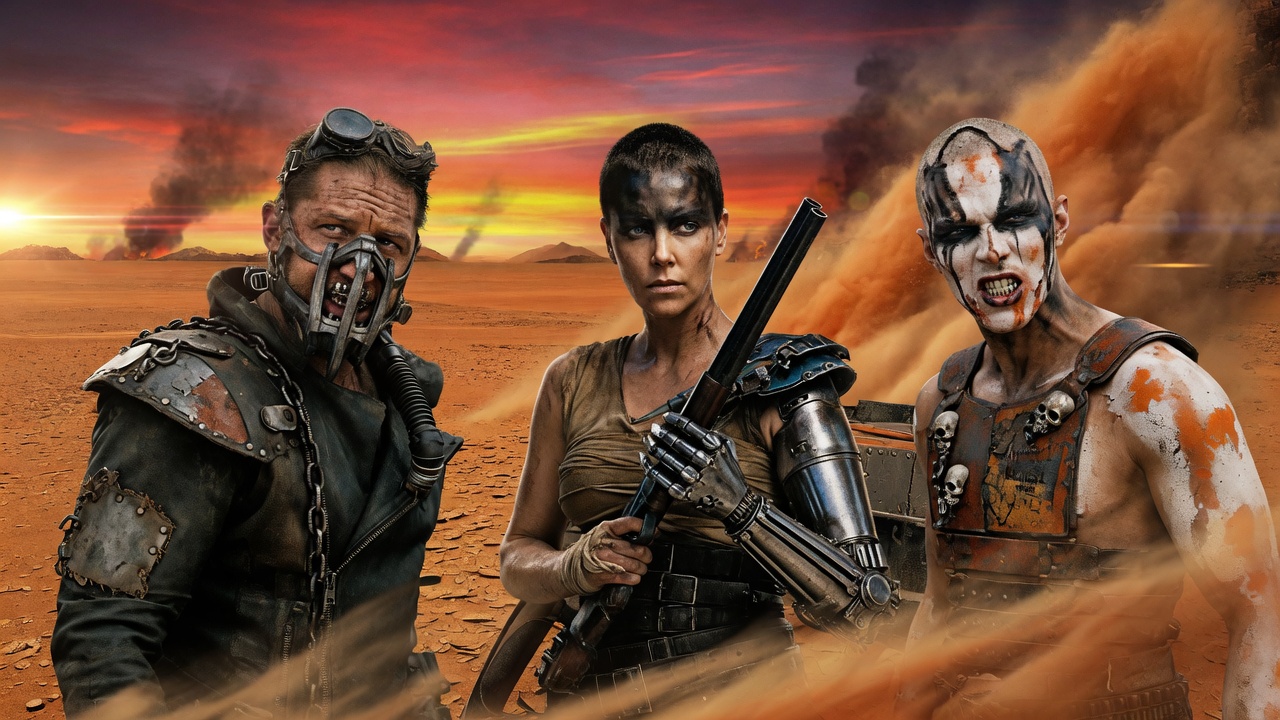
Special effects supervisors, stunt coordinators (including Guy Norris, who had worked with Miller since The Road Warrior), and a team of over 150 stunt performers turned the desert into a real-life battlefield. Multiple cameras captured the chaos simultaneously. When the War Rig exploded or vehicles tumbled across the sand, it was mostly real metal, real fire, and real physics.
That’s why every frame still hits like a thunderbolt. The dust feels heavy, the fire feels hot, the metal feels dangerous. No amount of CGI can replicate the raw energy, the sweat, and the insanity you feel when watching it.
The Greatest Practical Stunts in Cinematic History
If you have to pick the moments that prove Fury Road is in a league of its own, these are unforgettable:
The Interceptor flip — One of the most insane real vehicle rolls ever captured on film. Tom Hardy and stunt drivers were inside as the car tumbled violently across the desert. CGI was used only to remove safety harnesses and clean up minor details.
The Pole Cat sequence — War Boys swinging on long, flexible poles attached to speeding vehicles, leaping between trucks while throwing explosives. Many performers were actual Cirque du Soleil artists. The entire sequence was shot practically at high speed.
The Doof Warrior — Australian musician Iota (Sean Hape) actually played a massive, flame-throwing guitar weighing over 60kg while suspended on a moving vehicle. The Doof Wagon, with its wall of speakers and the guitarist hanging in front, was a real, functioning machine.
The extended War Rig chase — The film’s central pursuit is one long, unbroken symphony of practical chaos: vehicles smashing into each other, real explosions, actors hanging off moving trucks at full speed. Charlize Theron has spoken about the terror of watching Tom Hardy dangling just inches above the ground during one particularly dangerous take.
Nux’s death-defying leaps — Multiple high-risk jumps between vehicles traveling at speed, performed by stunt teams with minimal digital assistance.
These weren’t just visually spectacular — they carried real weight and danger. You can feel the brutality in every collision.
Why Fury Road Still Feels Fresh in 2026
Because it’s more than just action. It’s a raw, mythic tale about freedom, sacrifice, and survival in a collapsed world. The story is simple yet powerful: Furiosa leads the Wives in a desperate escape from Immortan Joe, with Max unwillingly pulled into their fight. It tells its story through movement, sound, and image rather than endless dialogue.
Junkie XL’s score — from war drums to thundering rock — perfectly matches the visuals. The color grading creates that signature fiery orange sky, burning desert, and gleaming chrome blood of the War Boys.
In an era where Hollywood increasingly relies on digital effects and safety nets, Fury Road stands as a powerful reminder of what cinema can achieve through courage and practical craftsmanship. George Miller was in his seventies when he directed this film, yet he approached it with the energy and vision of a mad genius. The cast and crew endured months in one of the harshest environments on Earth. Many were injured. Some came close to death. But together, they created a masterpiece.
Some movies are made. Mad Max: Fury Road was survived.
It isn’t just one of the greatest action films of the 2010s — it’s a declaration that great cinema is born from risk, sweat, and controlled insanity.
Respect to George Miller. Respect to every actor and crew member who gave everything for this vision.
And if you haven’t rewatched Fury Road recently, do it soon — preferably on the biggest screen possible. You’ll feel the weight of every crash, every drop of sweat, and every thunderous “Witness me!”
What’s your favorite practical stunt or moment from Mad Max: Fury Road? Is it the insane Pole Cat sequence, the flame-throwing guitar, the War Rig barreling across the wasteland, or something else?
Drop it in the comments below. The madness George Miller created is still alive — and we’re all still here to witness it.