Mom With Stage 3 Bowel Cancer Denied Major Surgery as Family Fears They Are Running Out of Options
Mom With Stage 3 Bowel Cancer Denied Major Surgery as Family Fears They Are Running Out of Options
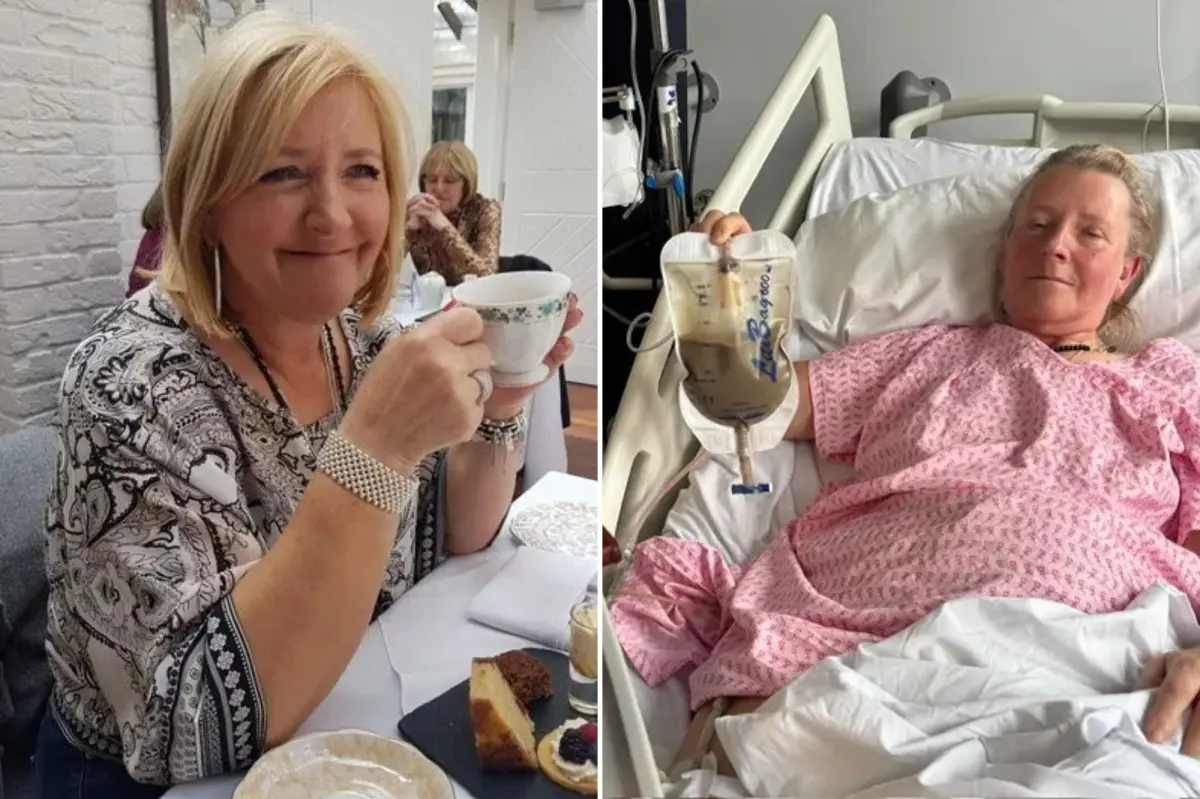
TAMWORTH, England — A British mother diagnosed with stage 3 bowel cancer is facing an increasingly difficult battle after doctors determined that major surgery to remove her tumor could pose more risks than benefits.
Vicky Mcloughlin, 66, was diagnosed in November 2024 after experiencing serious problems with her bowel movements followed by bleeding. Her daughter, Chloe, said the family never expected the diagnosis to lead to the devastating situation they are facing today.
Diagnosis Came After Weeks of Symptoms
According to her daughter, Vicky had struggled to use the bathroom for around two weeks before her condition became more concerning.
An initial examination did not identify the cancer, but after Vicky developed bleeding, her daughter took her to an emergency department.
Doctors eventually discovered a mass in the cervical area. A biopsy confirmed that the cancer had originated in the bowel and had progressed into the surrounding pelvic region.
The tumor subsequently created an abnormal opening between the bowel and cervical area, leading to serious complications.
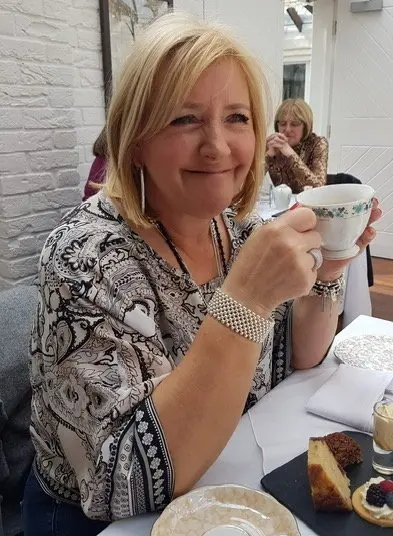
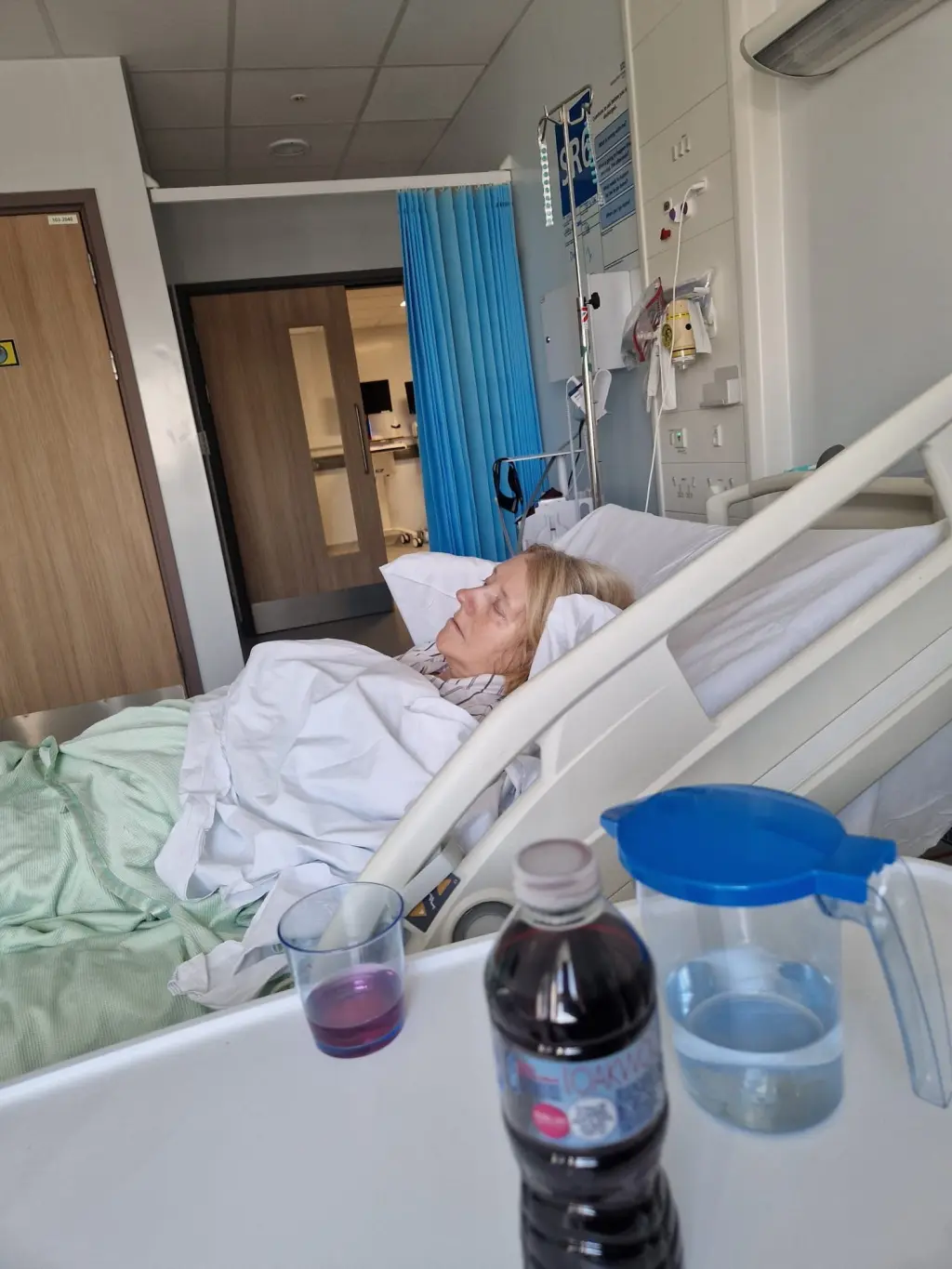
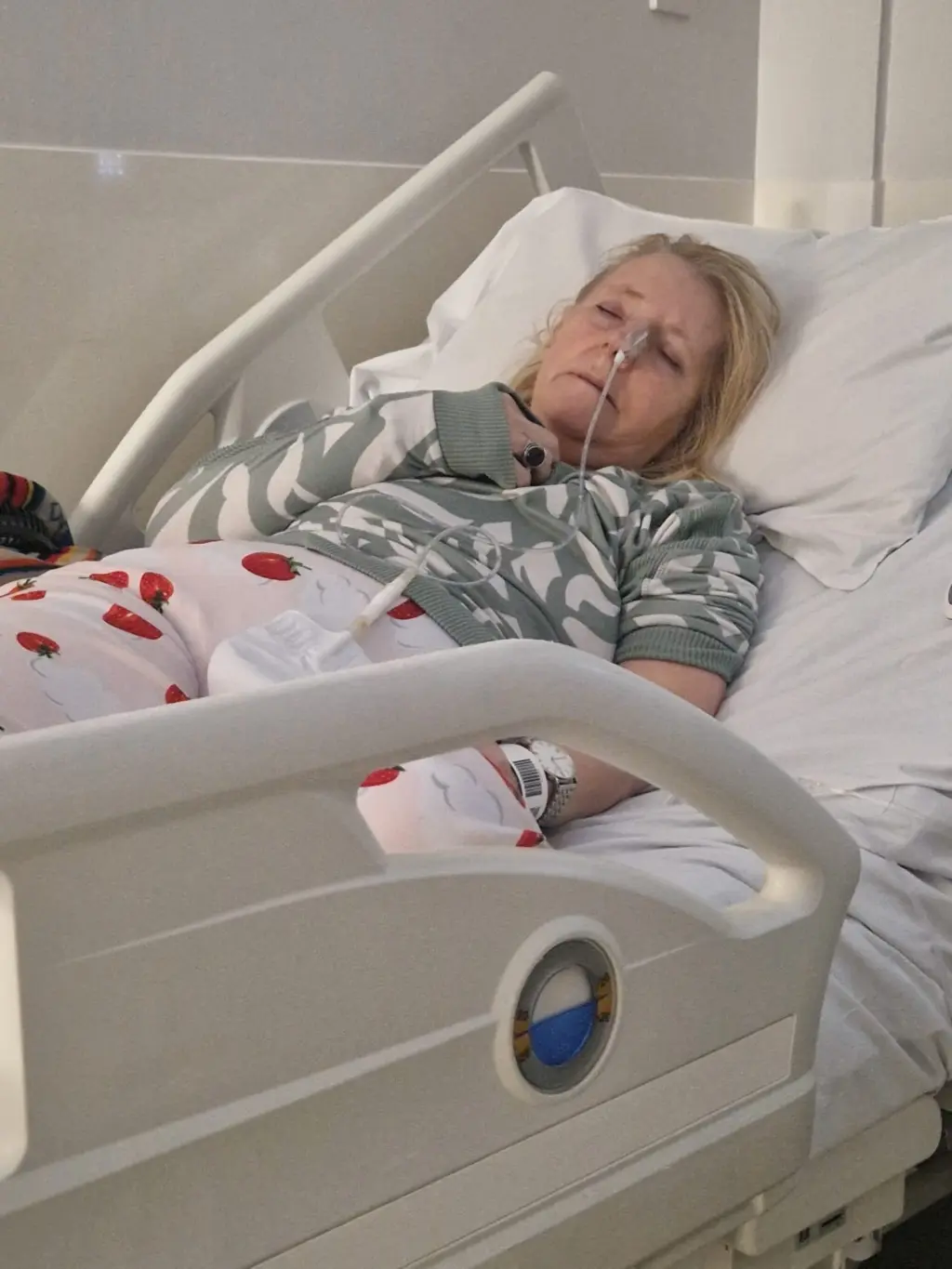
Vicky required a stoma and drainage tubes connected to her kidneys, while repeated infections resulted in frequent hospital treatment.
Surgery Was Considered Too Risky
Vicky’s family wanted doctors to remove the tumor surgically and sought opinions from specialists at hospitals in Solihull and London.
Both teams ultimately decided against the major operation.
Doctors explained that the procedure would be extremely extensive and could carry serious complications, including the possibility of losing a leg and a significant deterioration in Vicky’s quality of life.
In a letter to Vicky, doctors said they had “significant concerns” about whether she would be able to cope with such a major procedure, considering her overall health and the extent of the disease.
The medical teams concluded that attempting the operation was not in her best interests.
Her Daughter Strongly Disagrees
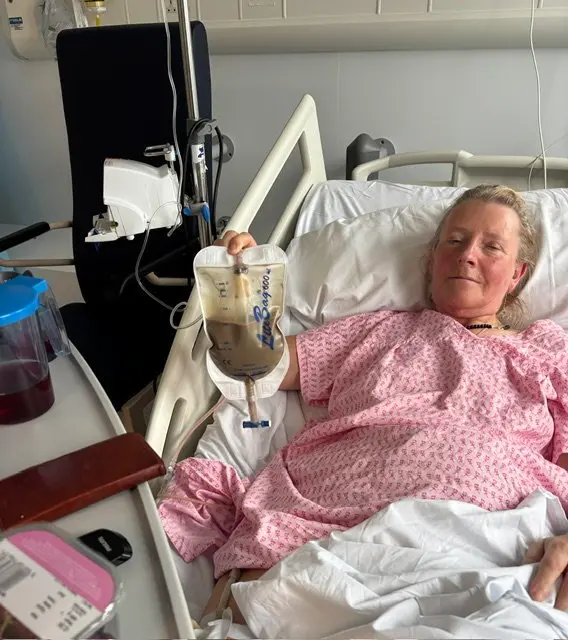
Chloe, 33, has struggled to accept the decision.
She argues that her mother’s quality of life is already severely affected, with Vicky repeatedly returning to hospital because of complications and infections.
Chloe believes surgery may represent the family’s best remaining possibility of eliminating the cancer.
She told reporters that watching her mother repeatedly become ill and require hospital care has been heartbreaking.
For Chloe, the question is not simply about the risks of surgery — it is about whether refusing the operation leaves her mother with any realistic chance of recovery.
Repeated Infections Have Taken a Toll
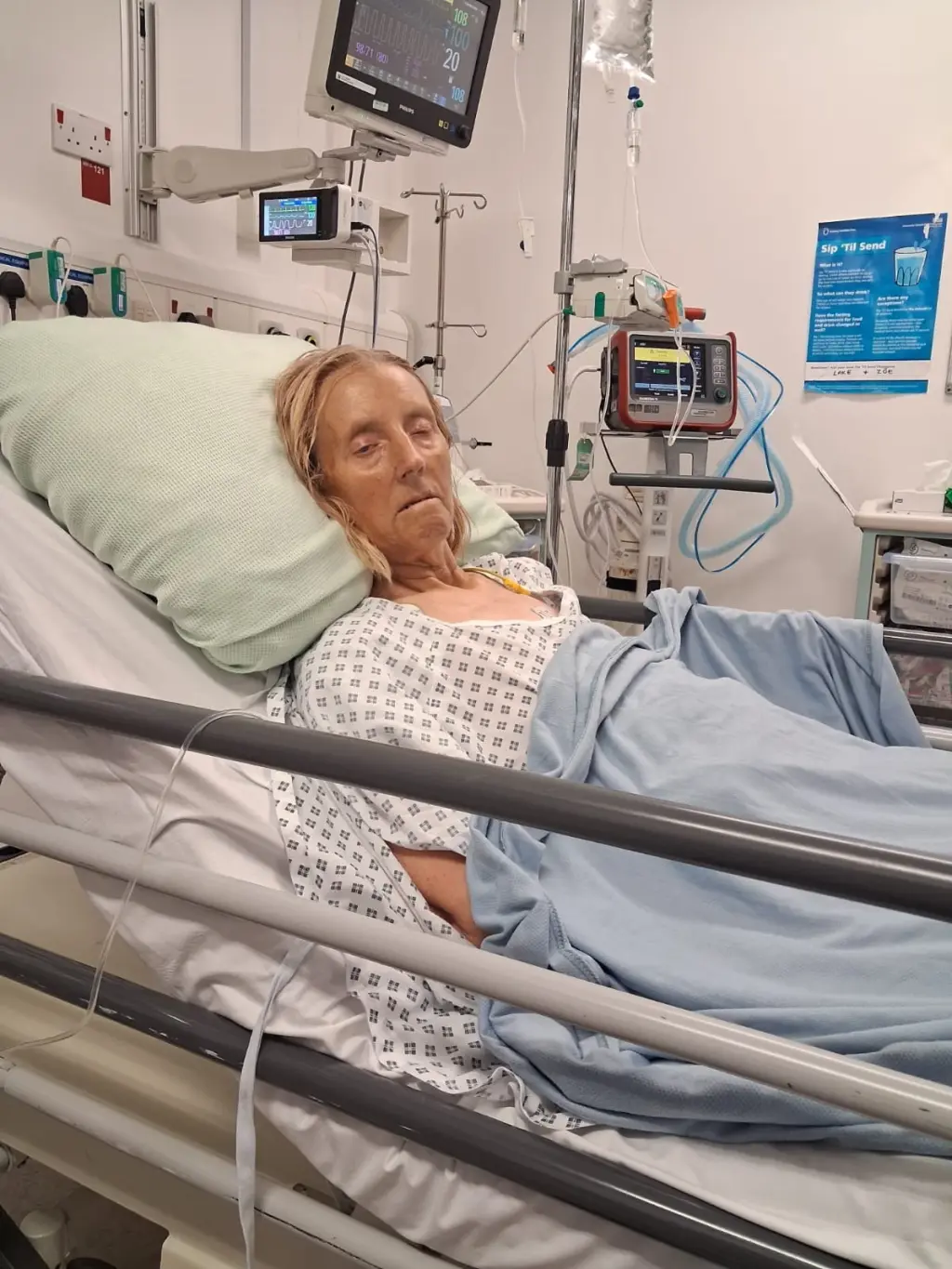
Vicky’s condition has caused recurring infections, some of which have developed into sepsis.
According to her daughter, she has experienced sepsis five times over the past two years.
Doctors have also had to manage fluid buildup and complications affecting her kidneys.
She has undergone procedures to address these problems, including treatment involving drainage tubes and the creation of a stoma.
Because of her ongoing infections and overall condition, Vicky was not considered suitable for chemotherapy.
She has instead received two courses of radiotherapy.
The Cancer Has Not Spread Throughout Her Body
Despite the seriousness of her condition, the family says the cancer has so far remained contained to the pelvic region, including the bowel, bladder and cervical area.
That detail has contributed to Chloe’s frustration.
She believes that if the tumor could be surgically removed, her mother might have another chance.
Doctors, however, have emphasized that the location and size of the tumor, combined with Vicky’s overall health, make the proposed surgery exceptionally high-risk.
Hospital Defends the Decision
University Hospitals Birmingham, which includes Solihull Hospital, expressed sympathy for Vicky and her family while explaining that decisions involving radical cancer surgery are highly complex.
A hospital spokesperson said such decisions are made following careful assessments of potential benefits and risks, with treatment recommendations coordinated through a multidisciplinary medical team.
The overriding consideration, the spokesperson said, is what is safest and in the patient’s best interests.
A London healthcare trust declined to comment specifically on Vicky’s case.
A Family Searching for Answers
For Chloe, the medical explanations have not made the situation any easier.
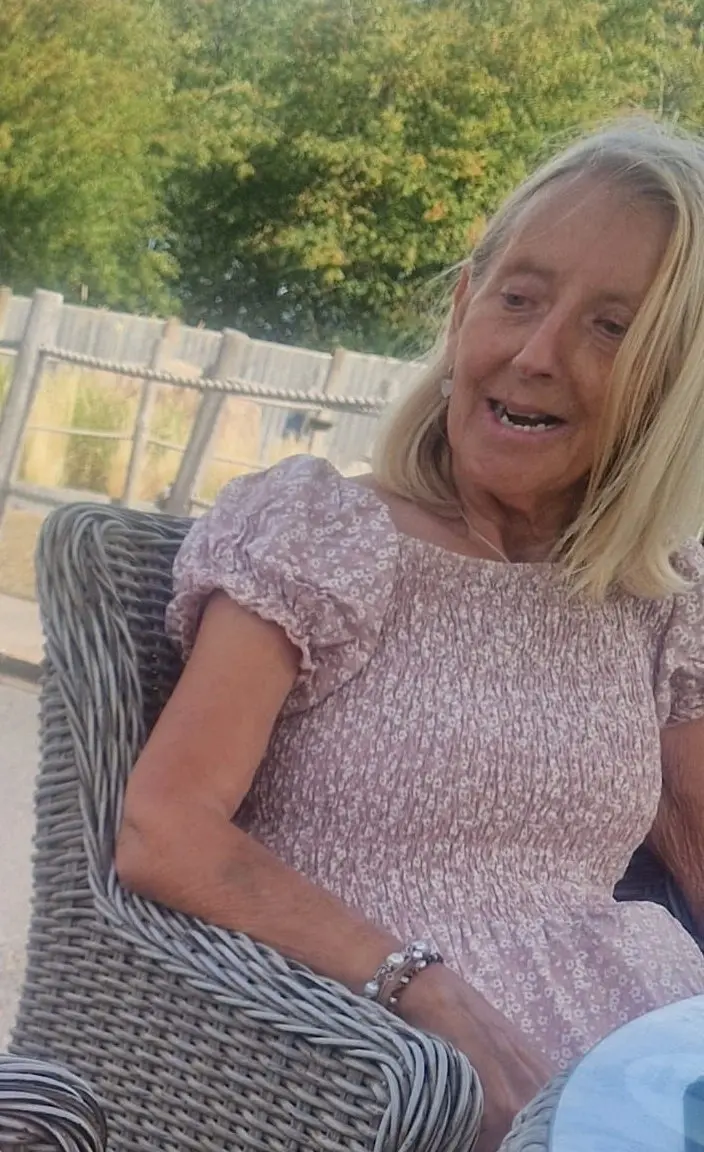
She says her mother has already experienced a dramatic decline from the woman she knew before the diagnosis and now spends much of her time dealing with hospital appointments and complications.
The family remains desperate for another option, but doctors have determined that the risks of attempting such extensive surgery are too great.
Vicky’s story highlights one of the most difficult situations families can face after a serious cancer diagnosis: when the treatment that appears to offer the greatest hope may itself carry extraordinary risks.
For now, Vicky and her family are left navigating a painful uncertainty — hoping for another possibility while trying to understand why doctors believe the most aggressive option could ultimately cause more harm than good.