THE ALAMO — They knew they would fall… but they chose to stand.
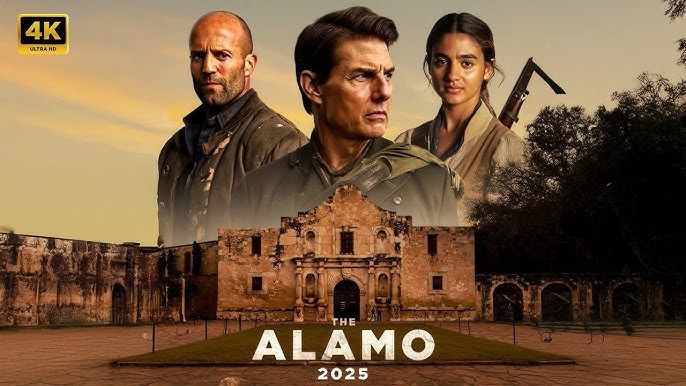
There’s a weight to The Alamo (2026) that doesn’t come from spectacle—it comes from inevitability. This isn’t a story driven by surprise. It’s driven by knowing exactly how it ends… and watching it unfold anyway.
From the opening moments, the film establishes a quiet sense of resolve. The land feels vast, unforgiving, stretching endlessly under a sky that offers no comfort. And within it, a small group of men preparing not for victory… but for resistance.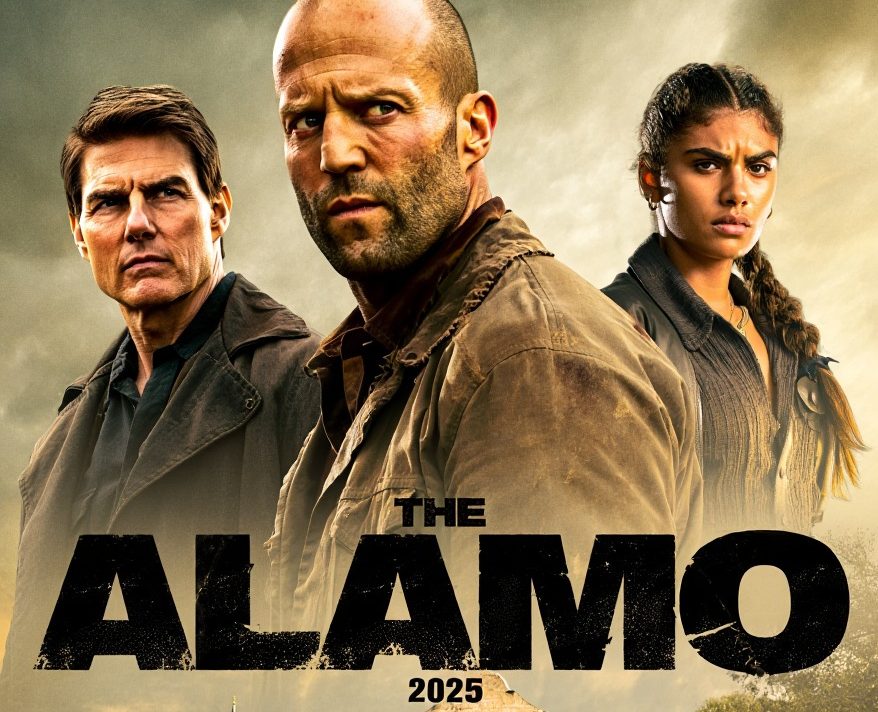
What makes this film compelling is its focus on choice. These aren’t heroes shaped by destiny—they’re individuals who understand the cost of what they’re about to do. Every decision feels deliberate, every step forward taken with the knowledge that there may be no return.
The tension builds not through sudden conflict, but through anticipation. Supplies run thin. Time moves slower. Conversations grow heavier. The film allows these moments to breathe, creating a sense that something larger is approaching—something unstoppable.
Visually, the film leans into realism. Dust, firelight, worn textures—everything feels grounded, almost tactile. There’s no gloss here, no attempt to romanticize the setting. It’s raw, stripped down, and honest in its portrayal.
The dialogue carries a quiet intensity. Words are chosen carefully, often spoken with restraint. These are not speeches meant to inspire crowds—they’re exchanges between people trying to hold onto something meaningful in the face of uncertainty.
There’s also a deeper exploration of unity. The men at the Alamo come from different paths, different beliefs, but are bound together by a shared moment. That connection doesn’t erase their differences—it gives them purpose despite them.
As the story progresses, the sense of inevitability becomes heavier. The walls don’t just protect—they confine. The outside world grows louder, closer, more threatening. And inside, there’s a growing awareness that time is running out.
When conflict finally erupts, it doesn’t feel triumphant—it feels desperate. The action is intense, but never glorified. Every movement carries weight, every loss is felt. The film doesn’t celebrate violence—it presents it as consequence.
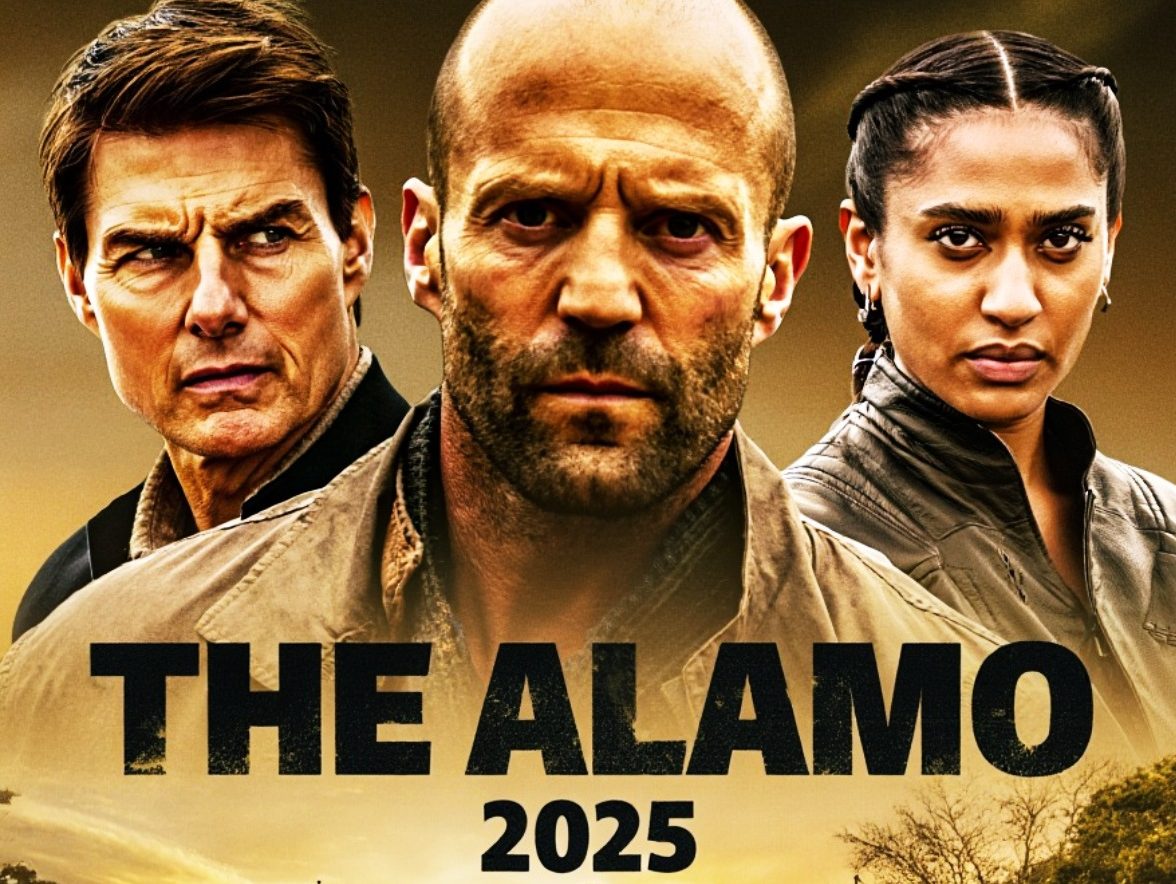
Midway through the final act, something shifts. It’s no longer about survival—it’s about meaning. What does it mean to stand when standing changes nothing? And yet, the film suggests that sometimes, the act itself is what matters.
The pacing slows in its final moments, allowing the impact to settle. There’s no rush to conclude, no need to overstate what’s already clear. The silence that follows feels just as powerful as everything that came before.
What lingers after the film ends isn’t just the battle—it’s the choice. The understanding that courage isn’t always about winning. Sometimes, it’s about refusing to step back… even when you know the outcome.
The Alamo (2026) isn’t just a historical retelling. It’s a reflection on sacrifice, resolve, and the quiet strength it takes to stand firm when everything else is falling apart.