JORMUNGANDR: THE MIDGARD SERPENT
- CongDung
- May 4, 2026
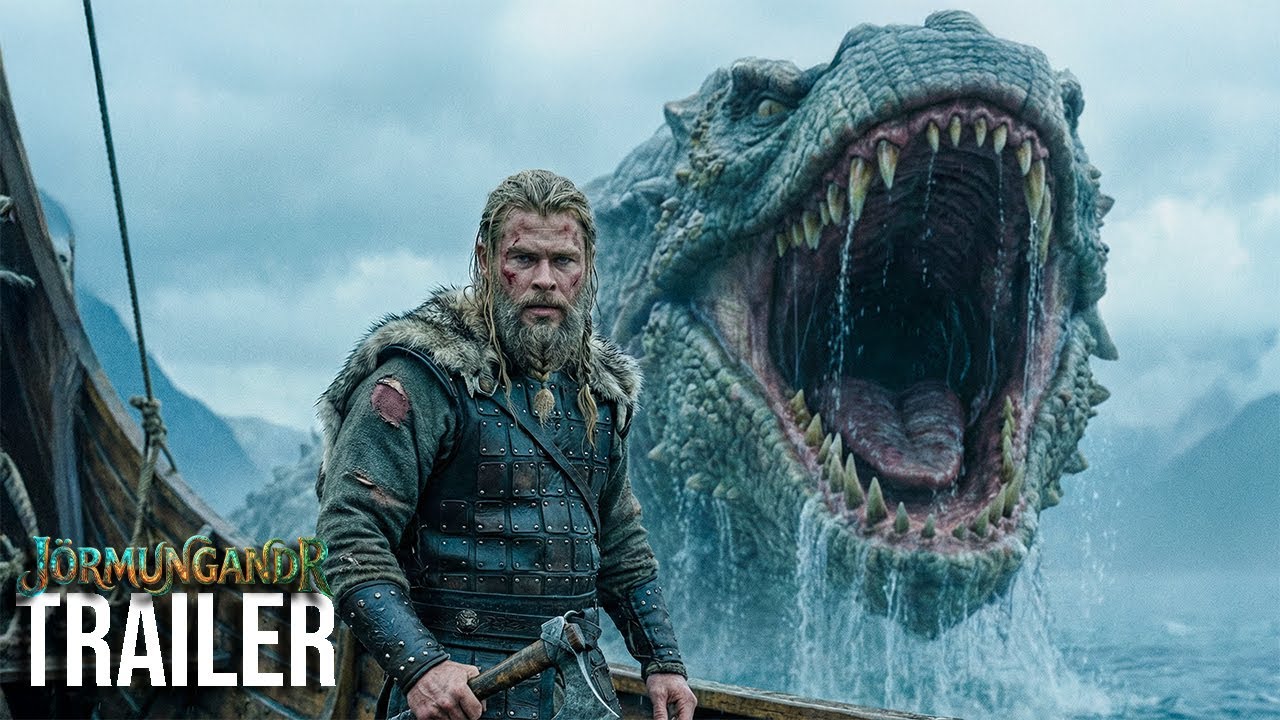
Jörmungandr: The Midgard Serpent 2026: World Serpent Rising
Rating: 4/5 Ragnarok’s Herald
There have been countless Thor movies. There have been Vikings, Valhalla sagas, and even a God of War adaptation in the works. But Jörmungandr: The Midgard Serpent dares to tell a different story — one not from the perspective of gods or heroes, but from the shadow of the monster that encircles the world.
This ambitious, visually stunning epic finally gives the World Serpent its due, weaving a tale of prophecy, sacrifice, and the terror that lurks beneath the waves.
Plot:
The film takes place during the Viking Age, decades before the events of Ragnarok. Jörmungandr, the colossal serpent born of Loki and the giantess Angrboða, has grown to impossible size — large enough to encircle Midgard (Earth) and grip its own tail. For centuries, it has slumbered beneath the ocean, a living prophecy coiled around humanity’s fate.
But something has awakened it.
A young Norse seer named Astrid (a breakout performance) receives terrifying visions: the serpent is rising, not to destroy the world, but to answer a call. A mysterious cult known as The Wyrm Cult — led by a charismatic, mad priest (a chilling performance) — has discovered an ancient ritual to control Jörmungandr and use it as a weapon against the gods themselves.
Astrid teams up with a disgraced Viking warrior named Erik (a rugged, haunted performance) and a reclusive giantess (a surprisingly tender character) who is Jörmungandr’s half-sibling. Together, they journey across a mythological Scandinavia — through cursed forests, frozen seas, and the shattered remnants of dead gods — to reach the serpent before the cult does.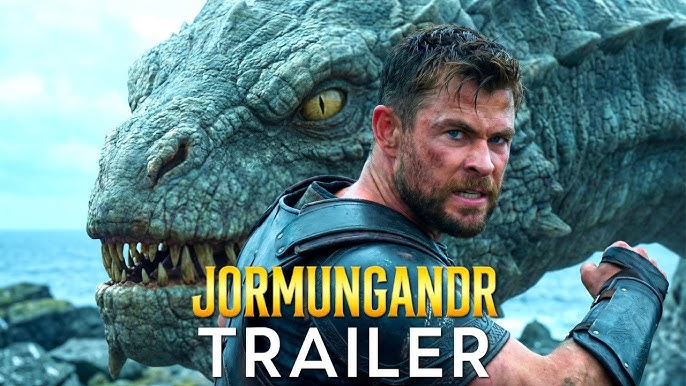
The Good:
-
Scale and Spectacle: Jörmungandr is rendered with breathtaking CGI. The serpent is not just a giant snake; it is a living landscape. When it surfaces, mountains crumble. When it coils, tsunamis reshape coastlines. A mid-film sequence where the serpent breaches near a Viking fleet is genuinely awe-inspiring — you feel the terror of men who realize they are fighting something beyond comprehension.
-
Humanity Amidst Monsters: Despite the epic scale, the film never loses its human core. Astrid’s journey — from frightened seer to reluctant hero — is compelling. She is not a warrior; she cannot fight the serpent. Her power is vision, prophecy, and the courage to speak truth to power. The film asks: what does bravery look like when you cannot lift a sword?
-
Norse Mythology, Respected and Reinvented: The film draws deeply from the Eddas but isn’t afraid to reinterpret. Loki appears in hallucinations, mocking and helpful in equal measure. Thor is mentioned but never seen — a wise choice that keeps the focus on the serpent. The Wyrm Cult, while original to the film, feels authentically Norse, with rituals that evoke both horror and tragic beauty.
-
The Ending (No Spoilers): The film does not end with a happy victory. Jörmungandr is not defeated — it cannot be. Instead, the climax offers a bittersweet resolution that honors the original myth while delivering genuine emotional catharsis. The final shot — a distant serpent’s eye opening beneath the waves — will haunt you.
The Bad:
-
Pacing Issues: The first act is slow, spending perhaps too much time establishing the cult’s backstory. Some viewers may grow impatient waiting for the serpent to appear.
-
Underutilized Supporting Cast: A promising group of supporting characters — a vengeful shieldmaiden, a cowardly skald — are introduced with fanfare and then largely forgotten in the second half.
-
Heavy on Exposition: There is a lot of mythology to explain. Some conversations feel less like dialogue and more like an audiobook reading of Norse cosmology.
The Verdict:
Jörmungandr: The Midgard Serpent is a rare beast: a monster movie that treats its creature with reverence, a mythological epic that remembers its human heart, and a disaster film that cares more about characters than collapsing cities. It is not perfect — the pacing stumbles and some characters vanish — but when it soars, it soars.
For fans of Norse mythology, this is essential viewing. For fans of epic fantasy, this is a worthy addition. And for anyone who has ever wondered what it would feel like to stand at the edge of the world and see the serpent stir beneath the waves — this film is for you.
Final Thought: The serpent encircles the world. The world does not notice. Until it does.
Post-Credits Scene: A hammer falls from the sky. Thunder rumbles in the distance. A figure in red approaches the ocean’s edge. “Brother,” he whispers to the waves. We do not see his face — only the silhouette of a man with one hand. Jörmungandr’s eye opens. And for the first time, the serpent smiles.
Where to Watch: In theaters, Summer 2026.
Would you like me to write reviews for other original Norse mythology films, such as Fenrir: The Wolf Unbound, Surtr: Fire Giant, or Nidhogg: The Corpse Eater?