LOGAN 2 — He died a hero… so why is the world bleeding again?
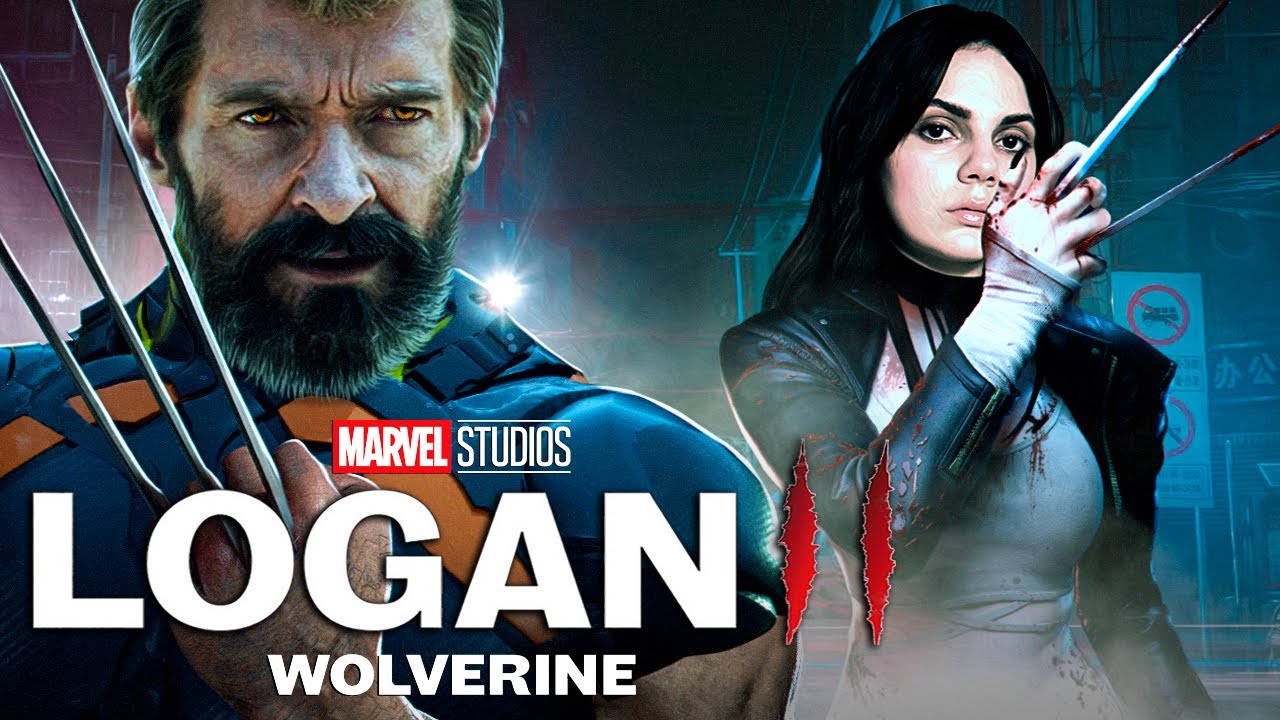
There are endings that feel final—and then there are endings the world refuses to accept. Logan 2 dares to disturb one of the most sacred conclusions in modern superhero storytelling, not by undoing it, but by questioning what it truly meant. Because sometimes, a legacy doesn’t rest. It echoes.
The film opens in absence. No claws, no rage, no man. Just a world that feels… incomplete. The void left behind isn’t filled with hope—it’s filled with tension, as if something essential has been lost, and nothing strong enough has risen to replace it. The silence isn’t peace. It’s waiting.
At the heart of the story is a new generation, one that grew up in the shadow of a legend they barely understood. To them, Logan isn’t just a man—he’s a myth shaped by fragments, stories, and scars left behind. And like all myths, the truth is far more complicated.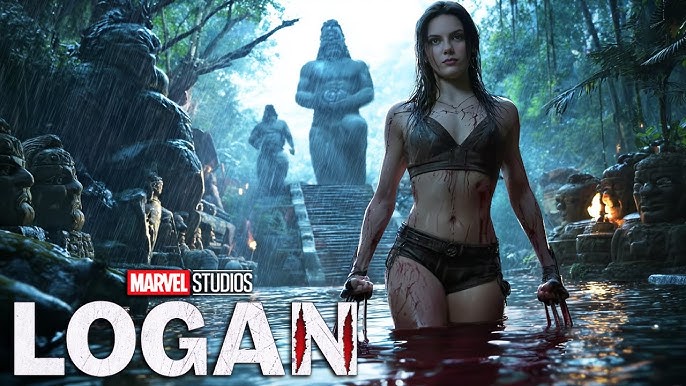
But this isn’t just about legacy—it’s about consequence.
Something is wrong. Mutants aren’t just disappearing—they’re being erased, quietly, systematically, as if the world learned from its past and decided to finish what it started. And in the middle of it all stands a familiar symbol clawing its way back into relevance—not as a savior, but as a warning.
The film doesn’t rush to explain itself. Instead, it builds unease. It lets you sit with the idea that maybe death wasn’t the end… or worse, that what comes after death is far more dangerous than anything that came before it.
What makes Logan 2 so compelling is its restraint. It doesn’t try to replicate the emotional weight of its predecessor—it evolves it. The violence is still there, raw and unfiltered, but it feels heavier now. Less like action, more like consequence. Every fight carries history. Every wound means something.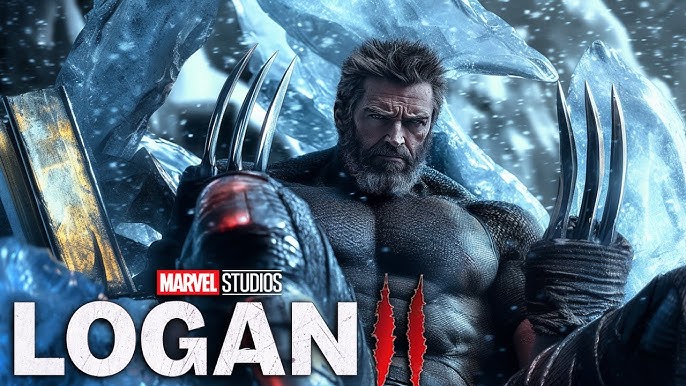
Visually, the film mirrors that tone. Harsh landscapes, muted colors, and a world that feels worn down by time and mistakes. There’s no shine here, no illusion of heroism. Just survival in a place that has forgotten what heroes were supposed to be.
The characters orbiting this story aren’t looking for inspiration—they’re looking for answers. And what they find isn’t comforting. Because the deeper they dig into Logan’s legacy, the more they realize that what made him powerful wasn’t just his strength… it was his pain.
And pain, as the film suggests, doesn’t disappear. It evolves.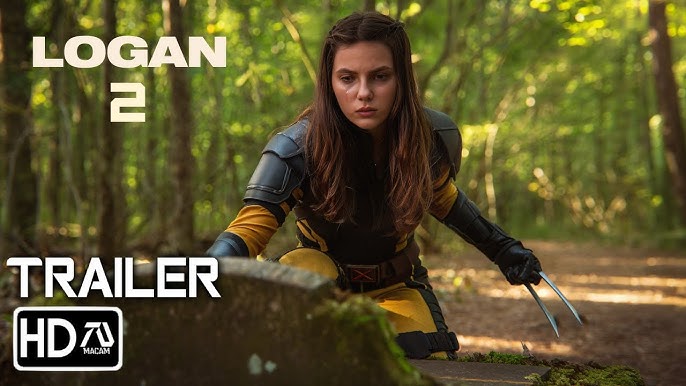
There’s a quiet fear running beneath every scene: what if the world didn’t just lose Logan… what if it created something in his place? Something born from everything he endured, everything he fought against, everything he tried to end.
By the time the film reaches its final act, it becomes clear that this isn’t a resurrection story—it’s a reckoning. Not with the man himself, but with the idea of what he represented. Because legends don’t just inspire. They haunt.
Logan 2 isn’t trying to bring a hero back. It’s asking a far more dangerous question: what happens when a world that needed a savior is forced to face what it became without one?