RUSH HOUR 4 (2025) — They slowed down… the world sped up… now it’s chaos again.
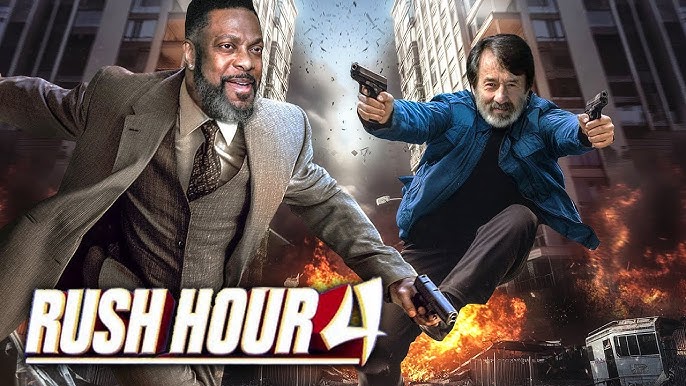
There are duos you remember—and then there’s Carter and Lee. Rush Hour 4 (2025) doesn’t just bring them back for nostalgia; it throws them into a world that has completely outgrown them… and dares them to keep up anyway.
Time has passed, and it shows. The energy is different, the streets feel louder, faster, more unpredictable. Carter still talks too much, still thinks too big, still refuses to read the room. Lee, as always, remains precise, disciplined, and one step ahead—except this time, even he feels the shift. The world they once controlled has changed the rules.
The film opens with what seems like a routine case—but “routine” doesn’t exist in Rush Hour. Within minutes, things spiral into a tangled mess of international crime, digital surveillance, and enemies who don’t just fight—they calculate. This isn’t the same playground they used to dominate.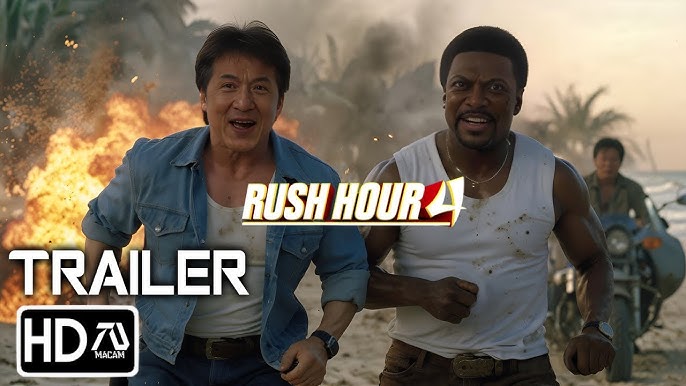
What makes this installment hit differently is the contrast. Carter and Lee are still the same at their core, but everything around them isn’t. Technology moves faster than their instincts. Criminals think colder than before. And for the first time, their usual chaos doesn’t feel like an advantage—it feels like a liability.
But that’s where the magic returns.
The humor lands with that familiar rhythm—sharp, fast, and unpredictable. Carter’s wild energy crashes headfirst into Lee’s calm precision, and somehow, against all logic, it still works. Their chemistry hasn’t faded—it’s evolved, shaped by time, mistakes, and a bond that no amount of chaos could break.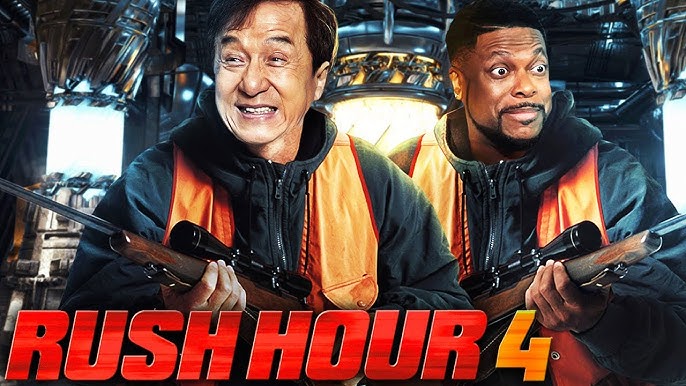
Action sequences are tighter, more intense, but still carry that signature Rush Hour flavor—where danger and comedy collide in the same breath. A fight isn’t just a fight; it’s a misunderstanding, a joke, a disaster waiting to explode in the most entertaining way possible.
What elevates Rush Hour 4 is its awareness. It knows these characters aren’t young anymore. It doesn’t hide it—it leans into it. Every chase feels heavier, every mistake more costly, every victory a little more earned. And that vulnerability adds weight to the madness.
The villains this time aren’t just obstacles—they’re reflections. Calculated, patient, and always watching, they represent a world that has learned from chaos and adapted beyond it. Carter and Lee aren’t just chasing criminals—they’re chasing relevance.
Visually, the film balances modern slickness with old-school grit. Neon-lit cities, high-tech operations, and fast-paced edits blend with grounded, physical action that reminds you why this franchise worked in the first place. It’s not about perfection—it’s about personality.
And at its heart, the film is still about partnership. Two completely different men, from completely different worlds, somehow moving in sync when it matters most. That bond—messy, loud, imperfect—is what keeps everything from falling apart.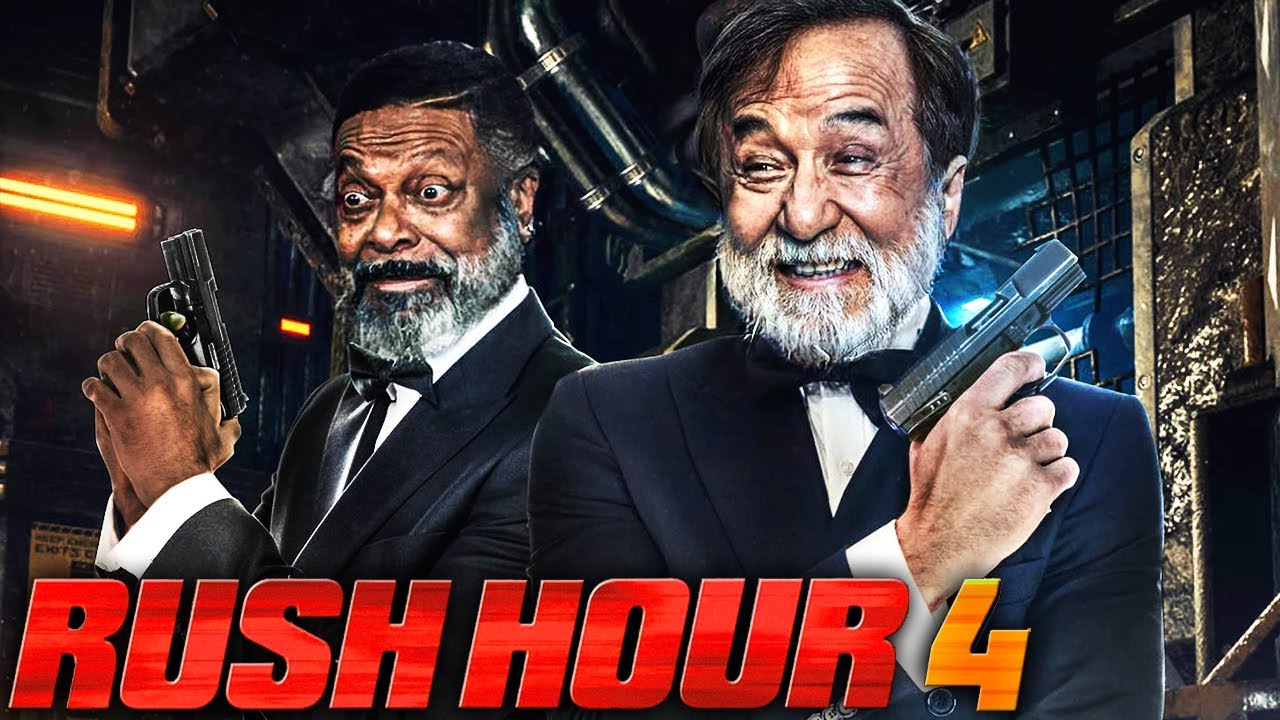
By the final act, the stakes aren’t just about stopping the bad guys. It’s about proving that even in a world that has moved on, some things still matter. Loyalty. Instinct. And the kind of partnership that can’t be replaced by algorithms or strategy.
Rush Hour 4 (2025) isn’t trying to reinvent the formula. It’s reminding you why it worked—and showing that even when the world changes, chaos still has a place… especially when Carter and Lee are the ones causing it.*