Kurt Russell and Goldie Hawn Never Needed a Wedding to Prove Their Commitment
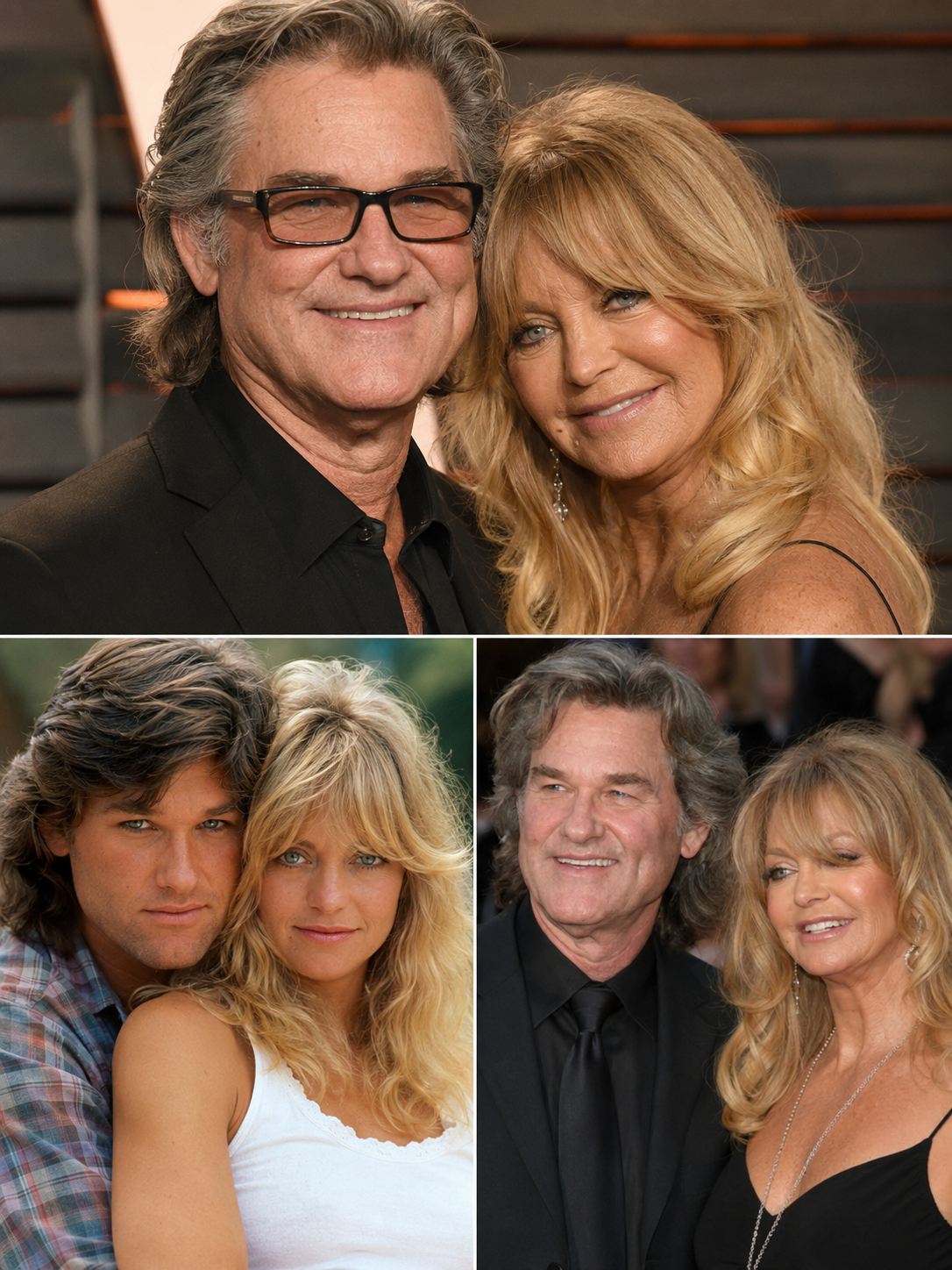
Kurt Russell and Goldie Hawn raised four children, created a blended family and stayed together through more than four decades of Hollywood success.
They never married.
There was no private ceremony hidden from the public, no delayed wedding after their children grew older and no legal document quietly formalizing the relationship. Since becoming a couple in 1983, Russell and Hawn have continued choosing each other without promising that a marriage certificate would hold them together.
To some, their decision challenges the traditional meaning of commitment. To them, it appears to have protected something essential: the freedom to stay because they still want to, not because they feel trapped by obligation.
Their relationship has endured longer than many marriages, yet neither claims to have discovered a perfect formula. They disagree, maintain separate identities and accept that affection does not require two people to become the same.
What matters, Hawn has explained, is that the door remains open—and they continue deciding not to walk away.
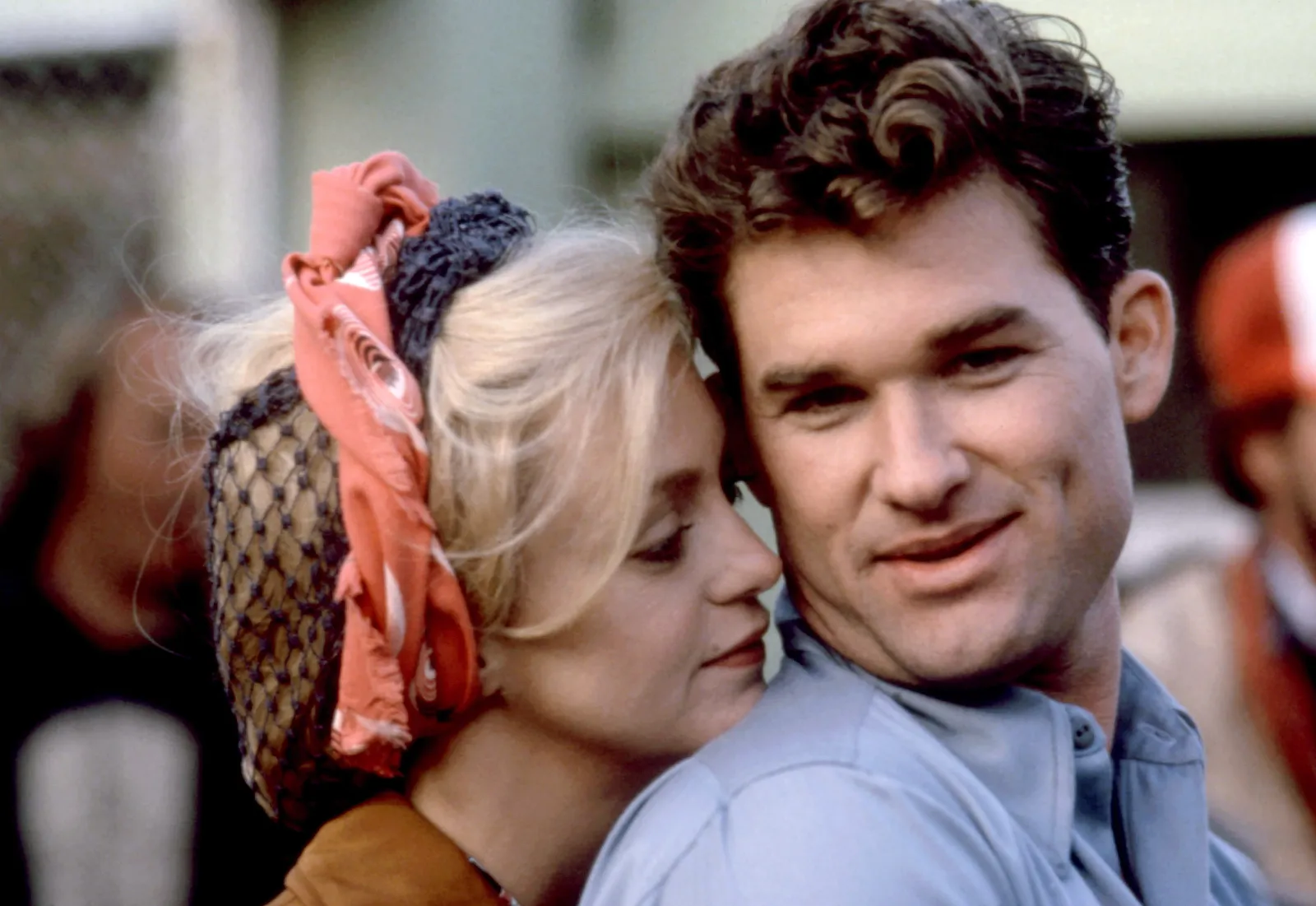
They Met Long Before They Fell in Love
Russell and Hawn first crossed paths in the 1960s while working on the Disney musical The One and Only, Genuine, Original Family Band.
Hawn was 21. Russell, already an experienced child actor, was 16.
She later remembered finding him attractive but recognizing that he was far too young for her. They completed the film and moved forward with separate careers and personal lives.
Hawn became one of the defining comedic stars of her generation, breaking through on Rowan & Martin’s Laugh-In before winning an Academy Award for Cactus Flower. Russell grew from a Disney performer into a versatile leading man, eventually becoming known for films such as Escape from New York, The Thing and Silkwood.
Both also married other people.
Hawn had two children, Oliver and Kate Hudson, with musician and actor Bill Hudson. Russell had a son, Boston, with actress Season Hubley. By the early 1980s, both marriages had ended.
Seventeen years after their first meeting, Hawn and Russell were brought together again while making the 1984 drama Swing Shift.
This time, the age difference no longer mattered.
Their first date became part of Hollywood folklore. After dancing at the Playboy Club, they went to a house Hawn had recently purchased but did not yet have a key to enter. They broke in, only to be interrupted when police arrived to investigate.
The unusual evening did not discourage them.
They began their relationship in 1983 and have remained together ever since.
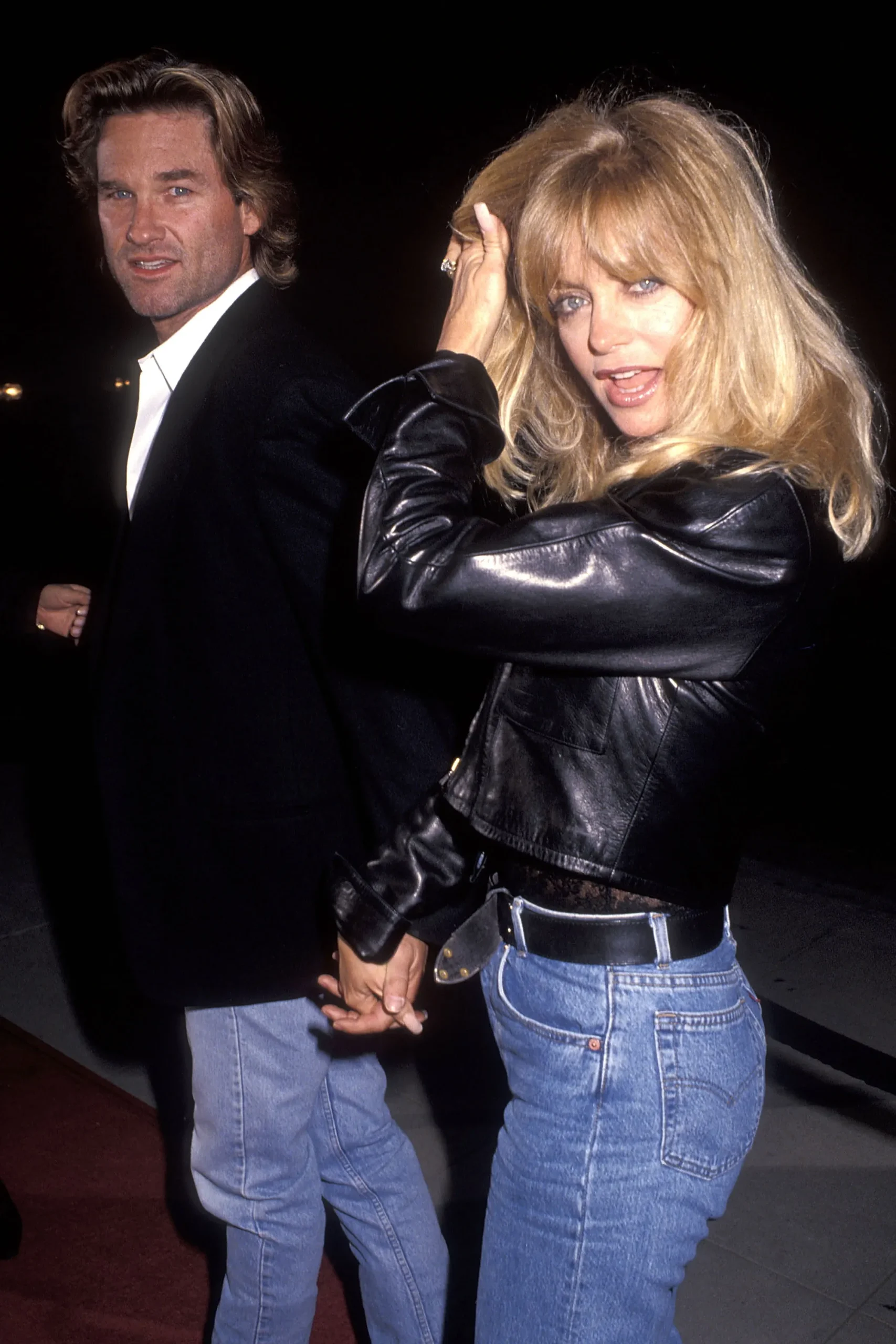
Building a Family Without a Traditional Blueprint
When Russell and Hawn became a couple, they did not begin with an empty household.
Each already had children and a previous marriage behind them. Their relationship therefore involved more than romantic compatibility. It required combining separate family histories and establishing trust with children who had already experienced divorce.
Russell became an important parental figure to Oliver and Kate Hudson. Both have publicly spoken about the stability and presence he brought into their lives, and they have long referred to him affectionately as “Pa.”
Hawn, meanwhile, helped create a shared family that included Russell’s son Boston.
In 1986, the couple welcomed their only child together, Wyatt Russell. He later became a professional hockey player before following his parents into acting.
The resulting family did not fit neatly into a conventional structure. It included biological children, stepchildren, former spouses and different surnames. Yet its emotional bonds became more important than its legal labels.
Russell did not need to replace Oliver and Kate’s biological father in order to become a father figure. Hawn did not need a wedding ring to treat Russell’s son as part of the family they were forming.
Their commitment was demonstrated through participation: attending important moments, helping raise the children and remaining present over many years.
As those children became adults, the family expanded again through grandchildren. What began as two divorced actors bringing separate households together eventually became a large, closely connected Hollywood family.
Why They Never Married
For decades, Russell and Hawn have been asked the same question: Why not get married?
Their answers have evolved, but the central idea has remained consistent.
They did not believe marriage was necessary to validate what they had already built.
Both had experienced divorce and understood that a wedding could not guarantee permanence. Legal marriage, in their view, might simplify certain traditions, but it could not create trust, respect or emotional security.
Hawn has said that remaining unmarried preserved a sense of choice. She did not want either partner to feel owned or confined. She wanted the relationship to provide connection without erasing independence.
In early 2026, after more than 42 years with Russell, she again identified freedom as one of the foundations of their bond. She compared herself to a bird that might remain peacefully in place when the cage door is open but feel desperate to escape if it is closed.
Her point was not that commitment should be casual.
It was that real commitment must allow room for the individual.
Hawn and Russell do not agree on everything. They have different temperaments, opinions and ways of approaching life. Their longevity did not come from avoiding those differences but from refusing to treat disagreement as betrayal.
The freedom they describe is not permission to neglect the relationship. It is the ability to remain fully themselves while sharing a life.
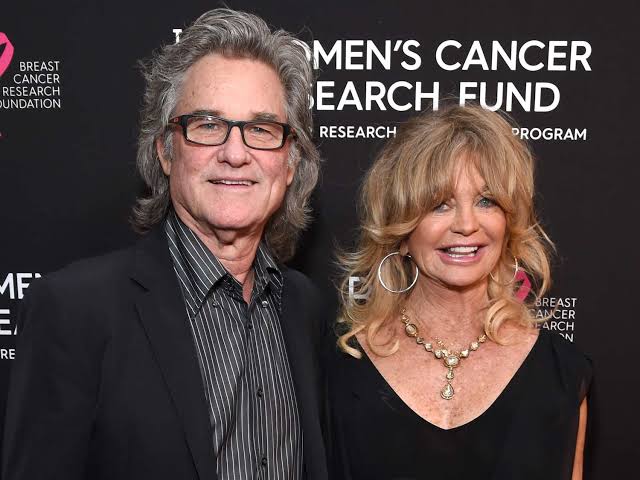
Choosing Each Other Without Feeling Owned
Critics of their philosophy might argue that marriage also represents a voluntary choice and that legal commitment can provide protection, clarity and security.
Russell and Hawn have never suggested that other couples should reject marriage. Their decision was personal, shaped by their previous experiences and the way their relationship functioned.
For them, the absence of a wedding created a psychological distinction. Each knew the other could leave, yet both continued to stay.
That did not remove responsibility. They shared homes, raised children, supported careers and managed the same daily pressures faced by married couples. Their lives became deeply intertwined even without a marriage license.
Hawn has described their bond through qualities such as honesty, devotion, attraction and respect. Russell has similarly questioned why they should formalize a partnership that was already working.
They were not avoiding commitment.
They were defining it through behavior rather than ceremony.
Careers That Did Not Consume the Relationship
Both stars continued building major careers after becoming a couple.
Russell developed a durable screen partnership with director John Carpenter and later appeared in movies including Tombstone, Stargate, Miracle, Guardians of the Galaxy Vol. 2 and entries in the Fast & Furious franchise.
Hawn starred in comedies such as Overboard, Bird on a Wire, Death Becomes Her and The First Wives Club. She later stepped away from acting for an extended period before returning in Snatched and Netflix’s The Christmas Chronicles films.
They also worked together onscreen, most famously in Overboard, where their chemistry helped turn the 1987 comedy into a lasting audience favorite. Decades later, Hawn joined Russell in The Christmas Chronicles 2 as Mrs. Claus.
Yet their careers did not always move at the same pace. At different stages, one worked more frequently while the other focused on family or separate interests.
Their relationship allowed for those shifts. Neither person’s success had to diminish the other’s identity.
That balance appears central to Hawn’s idea of freedom. A long partnership, as she describes it, should not require one person to disappear inside the other.
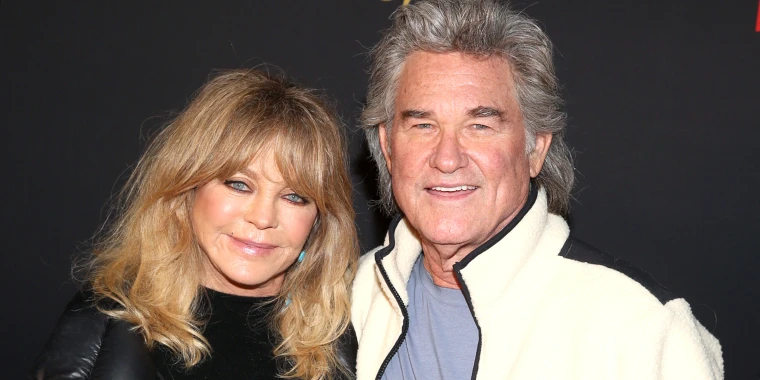
More Than Four Decades of Repeated Decisions
By 2026, Russell and Hawn had been together for approximately 43 years.
Their relationship survived the raising of four children, changing careers, public scrutiny, aging and the ordinary disagreements that accumulate across decades.
There was no wedding day to serve as the official beginning of their family. Instead, its foundation was created gradually through thousands of decisions.
Russell showed up for children who were not biologically his. Hawn made space for his son. Together they raised Wyatt, supported one another’s work and became grandparents.
Their family was not made legitimate by paperwork. It became real through consistency.
That does not prove that marriage is unnecessary for everyone, just as a successful marriage does not prove that every couple must wed. Russell and Hawn’s experience offers a narrower but still provocative idea: legal status and emotional commitment are related for many people, but they are not always the same thing.
A wedding can mark the decision to build a life together.
For Russell and Hawn, the building itself became the promise.
They never walked down the aisle. They simply kept moving through life side by side—free to leave, but choosing, year after year, to remain.