Nolan Wells’ State Autopsy Is Complete, but His Family Is Still Waiting for Answers
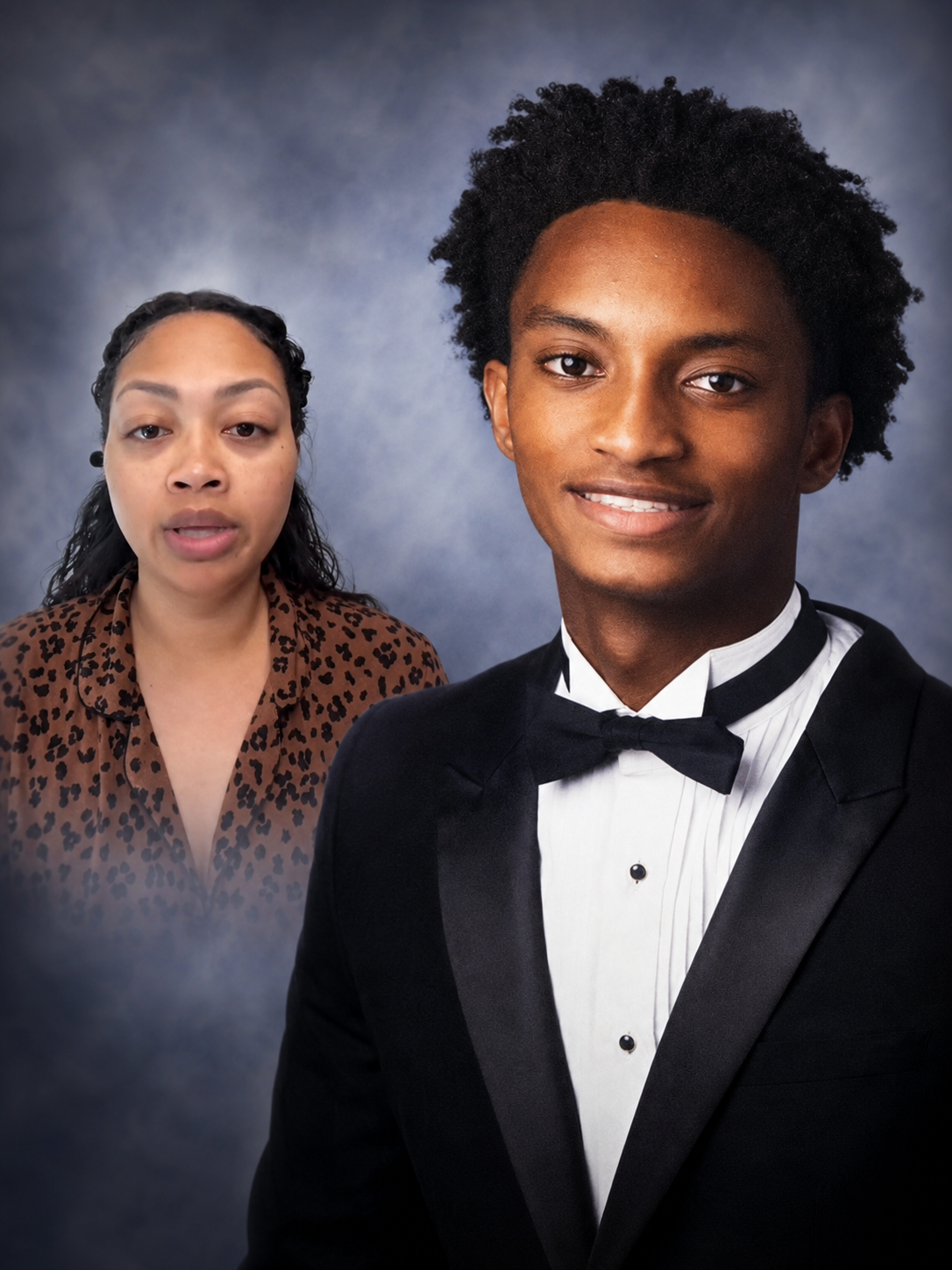
Nearly a month after 18-year-old Nolan Wells disappeared during a Fourth of July gathering on a remote Mississippi island, the official examination of his death has been completed.
The answers his family has been demanding, however, remain out of reach.
The Mississippi State Medical Examiner has finished Wells’ official autopsy report, but the findings have not been released publicly. According to the family’s attorney, Ben Crump, Wells’ parents have not yet been given the results either.
That silence has prolonged the uncertainty surrounding a death that began with a holiday trip to Horn Island and ended two days later when the student-athlete’s body was recovered from the water.
Wells was reported missing on July 4 after attending a party on Horn Island, a barrier island off Mississippi’s Gulf Coast. He did not return home after the gathering, prompting a search for the teenager.
On July 6, his remains were discovered in the water near the island’s northwestern end.
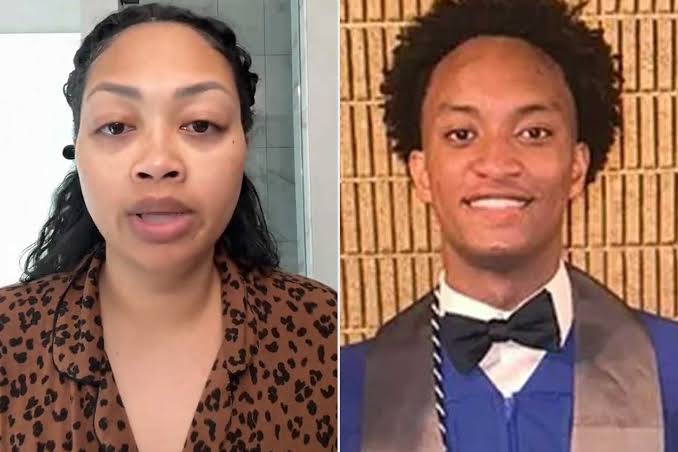
Early statements from authorities suggested there were no visible signs of foul play. Officials also raised the possibility that Wells had drowned, noting that the surrounding waters are known for dangerous rip currents.
For his parents, Christine and Elmore Wonsley, that early explanation came far too quickly.
They have repeatedly challenged the suggestion that their son’s death was simply an accident. The couple accused authorities of reaching a conclusion before every question had been answered and pointed to Mississippi’s difficult racial history as one reason they were unwilling to accept immediate assurances.
Their son could no longer describe what happened on the island, they argued. That left them with the responsibility of demanding a complete investigation on his behalf.
The state medical examiner performed the official autopsy on July 7, one day after Wells’ body was found.
Although the report is now finished, its conclusions—including the official cause and manner of death—have not been disclosed. The delay has left the family waiting for information they hope will clarify the final hours of their son’s life.
Crump has said the family has not seen the report.
The announcement came eight days after Wells’ family released findings from an independent autopsy they had commissioned. That examination was performed by Dr. Roger J. Mitchell.
Mitchell’s findings did not provide a final explanation for the teenager’s death.
The independent examination found no fractures or deep-tissue injuries. However, Mitchell said the available evidence was not sufficient to determine the cause or manner of death and that foul play could not be excluded.
His report also described several important limitations.
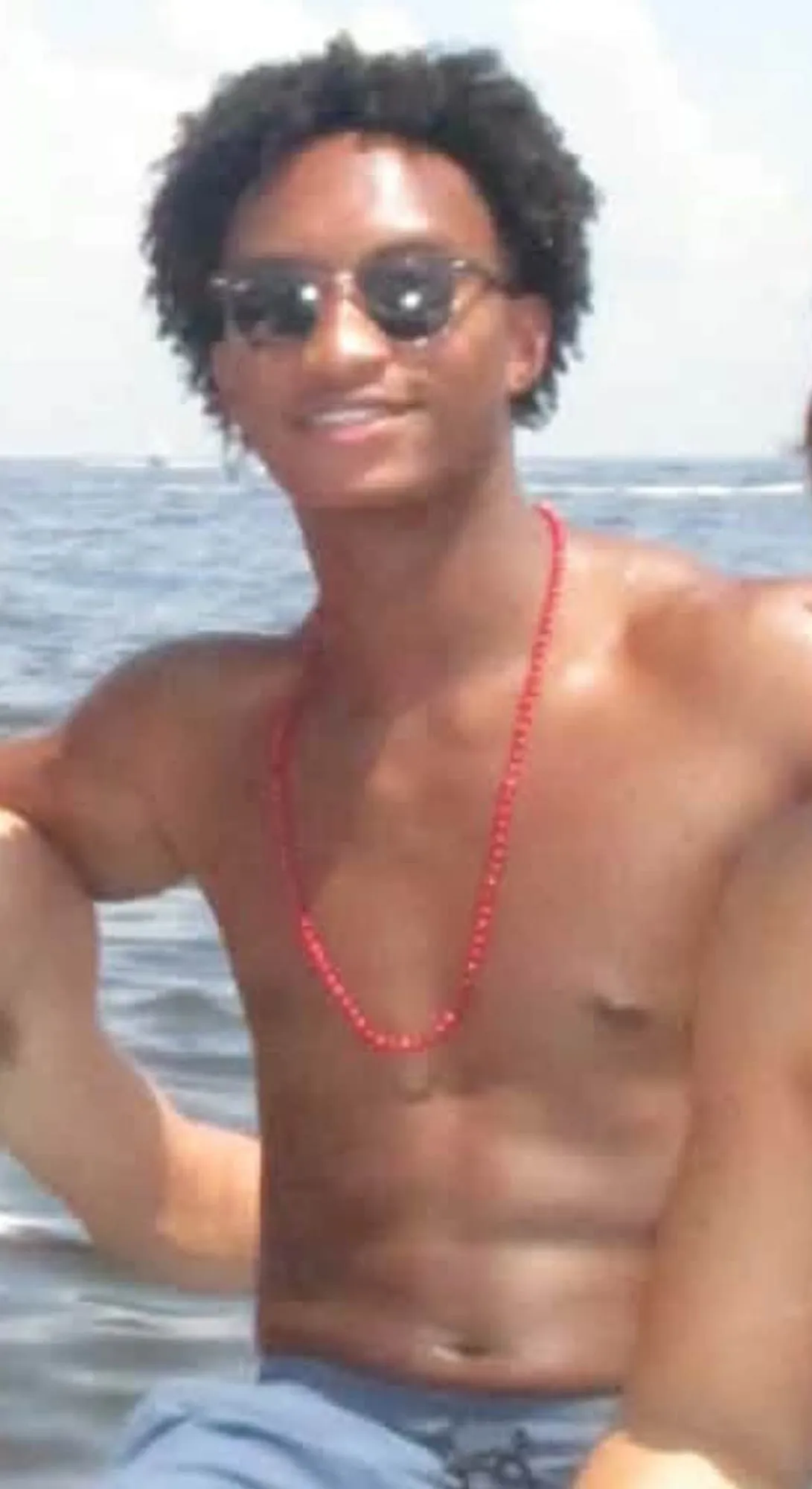
Mitchell did not have access to Wells’ body immediately after the teenager died. Certain portions of the body remained in the possession of law enforcement and were unavailable for his examination.
There were also unresolved questions about how Wells may have entered the water, how a drowning might have occurred and whether he was conscious at the time.
Those gaps prevented the independent autopsy from delivering the certainty the family had sought.
Instead, it reinforced their demand for a broader investigation.
The absence of severe injuries did not establish that the death was accidental. At the same time, the examination did not identify physical evidence proving that another person caused it.
The result was a difficult middle ground: no definitive finding, no complete account of what happened and no reason, in the family’s view, to stop asking questions.
An official investigation and a separate independent inquiry remain underway.
Jackson County District Attorney Angel Myers McIlrath has said the case will be presented to a grand jury after investigators complete their work. She explained that this is the county’s standard process for deaths not attributed to natural causes.
The grand jury will review the evidence and determine whether criminal charges are warranted.
Until that process is complete, Wells’ parents remain caught between grief and uncertainty.
They are not only mourning their son. They are also trying to reconstruct a sequence of events that ended with him missing from an island celebration and later found dead in the water.
The family’s public campaign has drawn attention to the case, but it has also brought hostility.
Crump said Christine has received hate mail and has been targeted at her workplace. The attacks have added another emotional burden to a mother already coping with the unexplained death of her teenage son.
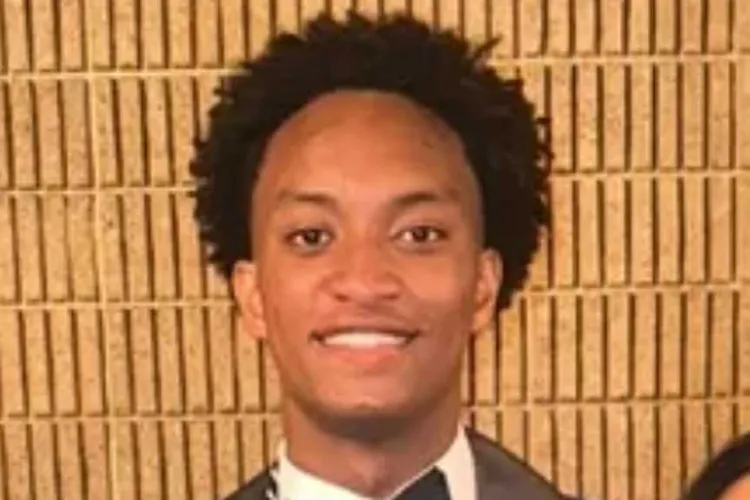
Christine has made clear that the harassment will not stop the family from pursuing answers.
She said the criticism, distractions and personal attacks would not pull their attention away from Nolan. Because he is no longer alive to explain what occurred, she and her husband intend to continue speaking for him.
Their message has remained consistent: They will not rest until they understand what happened.
Christine has also appealed directly to anyone who may possess information about the events surrounding her son’s disappearance. She urged potential witnesses not to remain silent or allow fear to keep them from contacting investigators.
Every missing detail could matter.
Who last saw Nolan? What happened after the party? How did he enter the water? Was he conscious? Did anyone observe something that could help explain the distance between his disappearance and the location where he was found?
The completed state autopsy could answer some of those questions—or deepen the mystery if its findings are inconclusive.
For now, the report exists beyond the family’s reach.
Its completion marks an important development, but not the resolution Nolan’s parents have been seeking. The document has not been made public, the family has not reviewed it and investigators have not announced a final account of the teenager’s death.
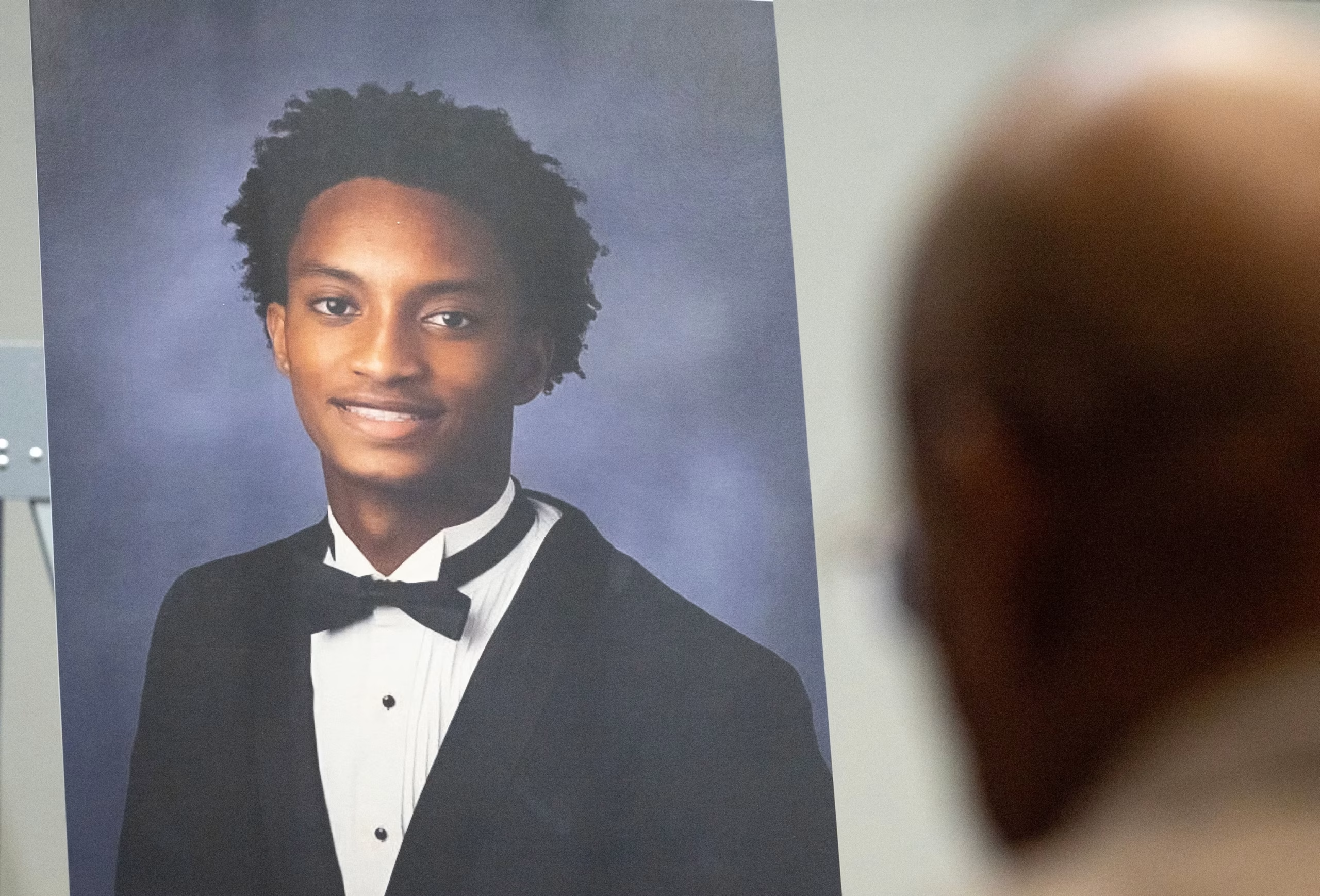
The independent autopsy has already shown how difficult that account may be to establish. It identified no major fractures or deep injuries, yet its limitations prevented the examiner from excluding foul play or determining exactly how Wells died.
That uncertainty now hangs over the official findings.
As the investigation moves toward eventual grand jury review, the Wonsley family continues to press for transparency and patience rather than an early conclusion.
Their son left for Horn Island on July 4 and never came home. Two days later, his body was recovered from the surrounding water. Weeks afterward, the central question remains unchanged.
What happened to Nolan Wells?
His parents believe the completed autopsy may hold part of the answer. Until they are allowed to see it—and until every piece of evidence has been examined—they say their fight for the truth will continue.