Family Dog Attacked an 11-Month-Old in Her Walker—Now Her Mother Is Warning Other Parents
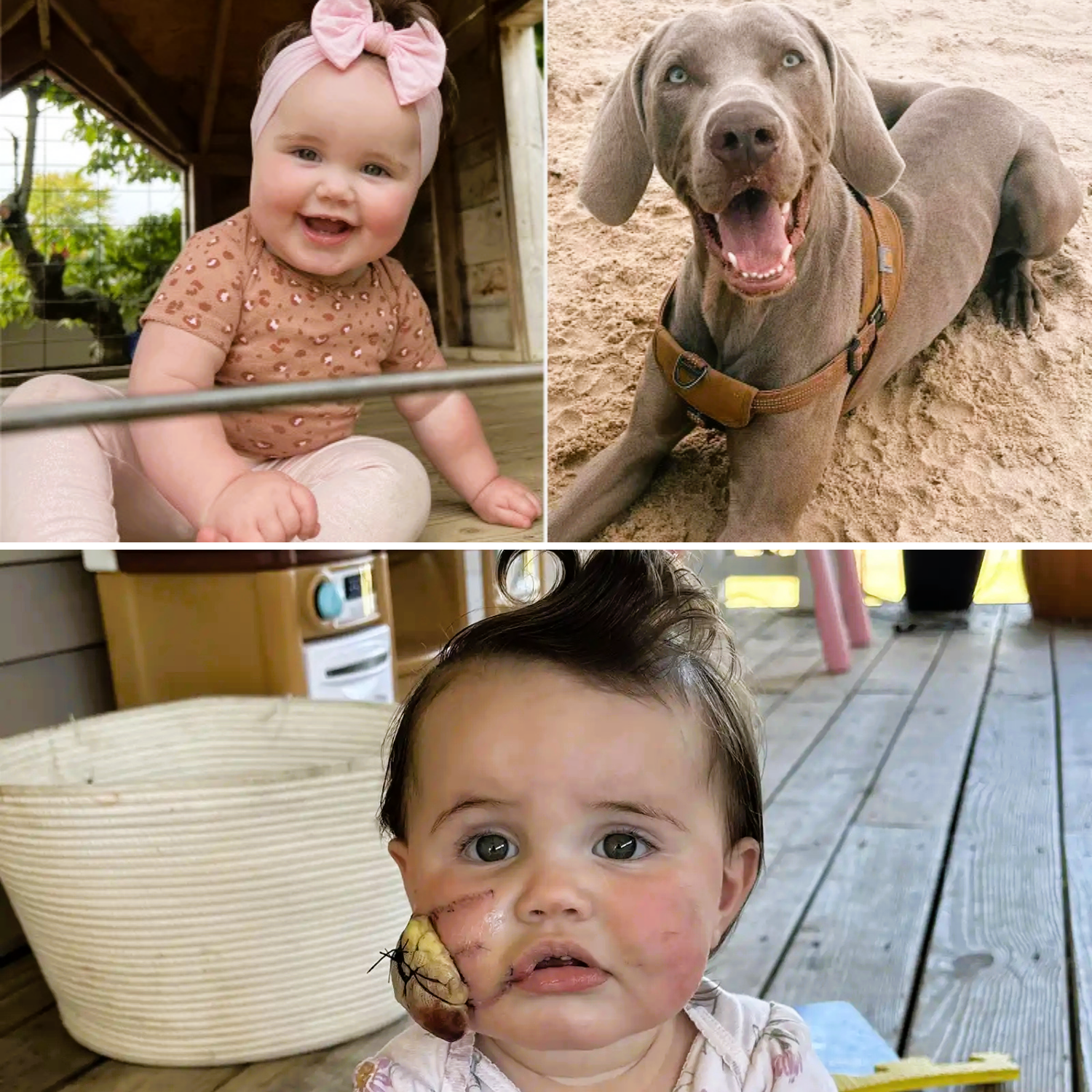
Heather Harris heard the snarl before she heard her baby scream.
Her 11-month-old daughter, Savannah, had been moving through the family’s kitchen in a walker when Remington, the family dog, suddenly attacked her. By the time Heather rushed into the room, part of the child’s cheek had been torn away.
Blood covered the scene. Savannah was crying uncontrollably, and Heather struggled to breathe as she tried to understand what had just happened.
The October 2024 attack lasted only moments, but its consequences would follow the family for years.
Savannah was rushed to a children’s hospital, where doctors began the difficult process of repairing her face. Now 2 years old, she has already undergone multiple procedures and is expected to need one final operation.
Her mother knows the scar will never disappear completely.

Looking back, Heather believes there had been warning signs long before the attack—signs she now wishes had led the family to remove Remington from the home sooner.
Heather, 34, and her husband, Nicholas Harris, brought Remington home in 2021, when the Weimaraner was just 8 weeks old. Nicholas had wanted a dog of that breed for most of his life.
Remington quickly became intensely attached to him.
According to Heather, the German hunting dog followed Nicholas constantly and showed little affection toward her. She felt that Remington disliked her and became possessive of her husband’s attention.
The dog’s behavior later grew more concerning.
After Remington attacked the family’s other dog on more than one occasion, Heather and Nicholas sought veterinary help. The Weimaraner was prescribed a mood-stabilizing medication and remained on it for about eight months.
For a time, the treatment appeared to help. There were no additional attacks, although Heather said Remington continued to struggle with sharing.
Then the family changed.
Heather and Nicholas, who live in Ann Arbor, Michigan, welcomed Savannah in 2023. The arrival of a baby introduced a new person into the household and shifted the attention Remington had once received.
Heather said the dog appeared to become even more attached to Nicholas after Savannah was born.
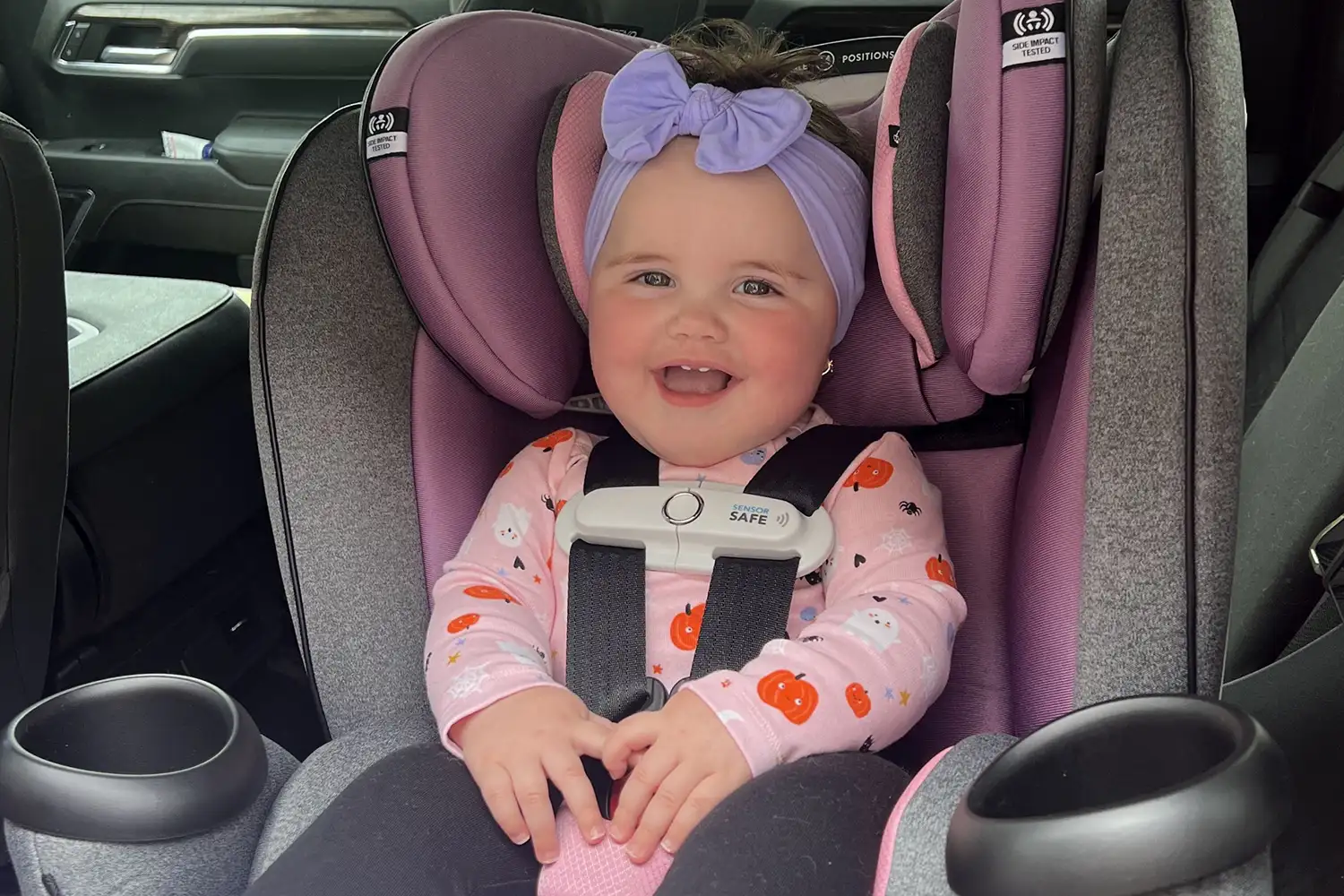
Despite her uneasiness, Heather tried to manage the situation carefully. She avoided leaving Savannah alone with Remington and made an effort to keep the child within sight whenever the dog was nearby.
On the day of the attack, however, the danger developed with almost no warning.
Savannah was moving around the kitchen in her walker while Heather was at home. Then came the growl, followed by a piercing scream.
Heather ran toward her daughter and found that Remington had bitten into the baby’s face. A piece of Savannah’s cheek was on the floor.
The sight left her in shock.
Savannah was inconsolable, while Heather tried to respond through panic and disbelief. The child needed immediate medical attention, and the family rushed her to a children’s hospital.
Surgeons fitted Savannah with a bioengineered synthetic skin replacement designed to help new cells grow across the injured portion of her face.
The first operation began a long recovery rather than ending the ordeal.
Savannah later underwent another procedure to remove scar tissue. A final surgery was scheduled for the month following the family’s account of what happened.
Doctors were able to repair much of the physical damage, but Heather understands that her daughter will always carry some evidence of the attack.
The bite came dangerously close to a facial nerve. Heather said Remington narrowly missed it, a detail that continues to haunt her when she considers how much worse the outcome might have been.
She believes a bite in a slightly different location could have killed Savannah.
Remington was euthanized following the attack.
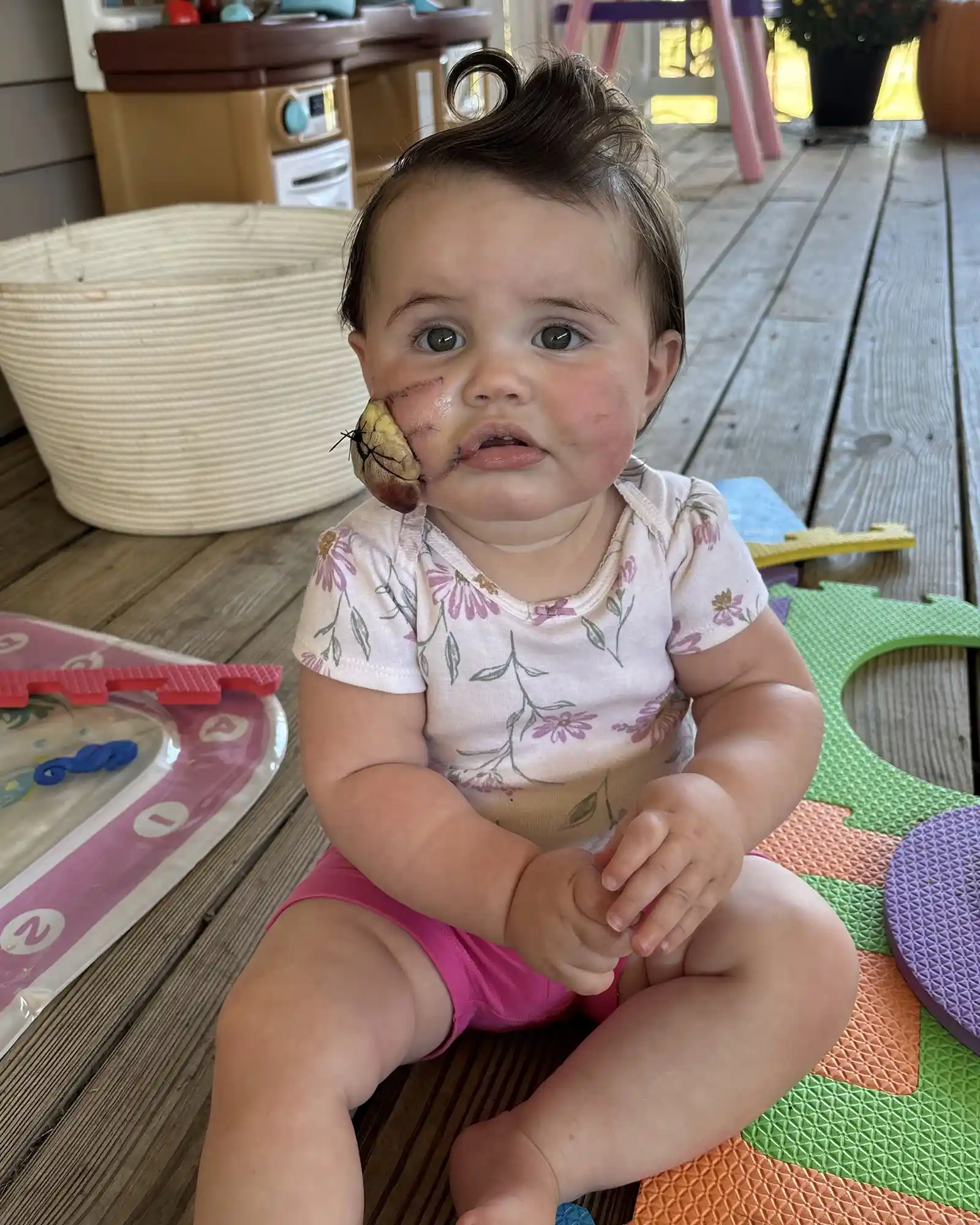
The decision brought an end to the immediate threat, but it did not erase Heather’s questions about why the dog turned on her daughter.
She now believes the attack may have been connected to Remington’s attachment to Nicholas and hostility toward her. In Heather’s mind, Savannah may have represented the person through whom the dog could hurt her most.
She felt the attack was directed at her, even though her baby suffered the physical injuries.
That interpretation has added another painful dimension to an already traumatic event. Heather had long sensed that Remington preferred her husband and resented her presence. After Savannah joined the family, the dog appeared increasingly possessive of Nicholas.
Heather believes her daughter became caught in the middle of that dynamic.
Whether or not every part of Remington’s motivation can be understood, the family is now focused on Savannah’s healing.
The toddler has already endured hospital treatment, reconstructive care and the removal of scar tissue before reaching her third birthday. Another operation is expected to reduce the visible effects of the injury.
Heather is prepared to do whatever she can to help.
She knows she cannot completely remove the scar, but she wants to make it as faint as possible so Savannah will not have to carry more of the attack’s physical impact than necessary.
The emotional effects on the family are more difficult to measure.
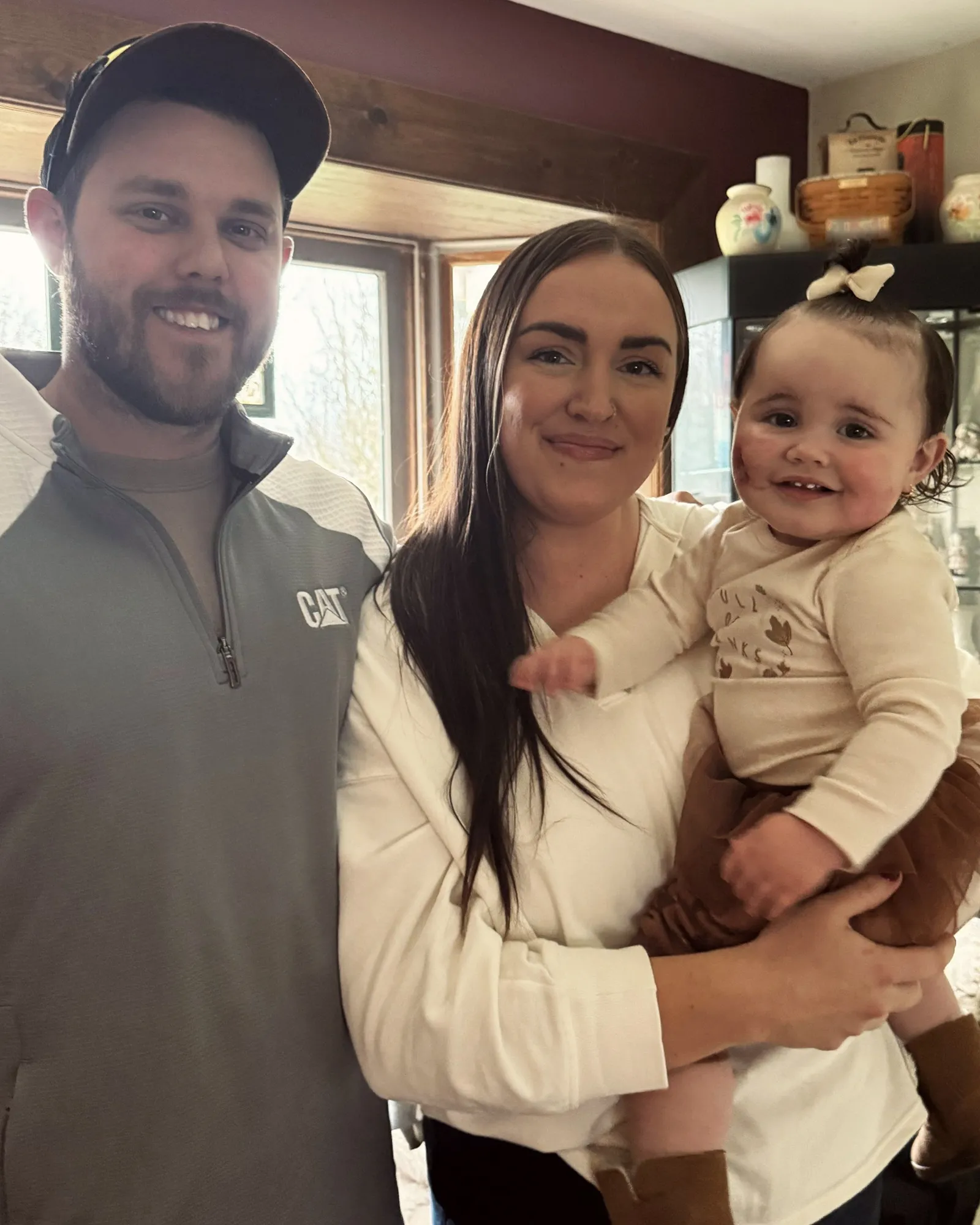
For Heather, the memory remains vivid: the sound of the snarl, her daughter’s scream and the horrifying scene she found when she entered the room.
The experience has also forced her to reconsider the choices made before the attack. Remington had already shown aggression toward another animal, yet the family believed medication and supervision had brought the situation under control.
For several months, there were no further incidents.
That period of calm created a sense that the problem could be managed. Savannah’s attack destroyed that belief in seconds.
Heather is now urging other parents to respond more decisively when a dog shows aggression inside a home with children.
Her message is direct: If a dog demonstrates aggressive behavior and children are present, the animal should be removed from the household entirely.
To her, supervision alone is not enough.
She had tried to keep Savannah and Remington from being together unattended. She watched carefully and understood that caution was necessary. Still, the attack happened during an ordinary moment at home, with Heather close enough to hear it almost immediately.
That proximity did not prevent the injury.
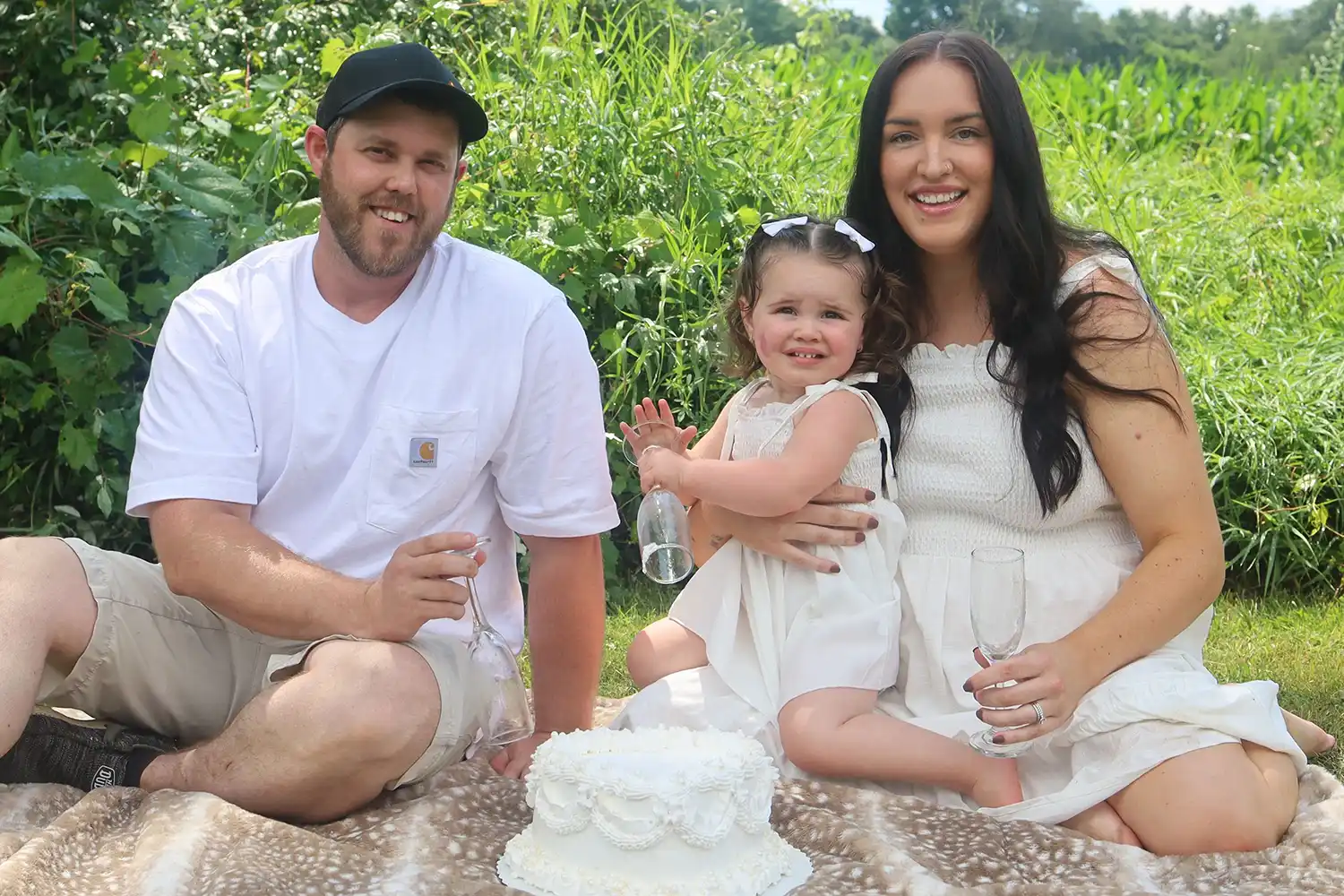
Her warning comes from a place of regret rather than judgment. She wants other families to recognize that a history of aggression can carry consequences even after treatment appears to be working.
Savannah survived, and doctors have been able to protect much of her facial function. She is continuing through the final stages of her surgical recovery with her parents beside her.
But the family’s life was permanently changed by an encounter that unfolded faster than Heather could intervene.
The scar on Savannah’s cheek will remain a visible reminder. For her mother, the deeper lesson is equally lasting: When a child’s safety is involved, even one sign of serious aggression may be too great a risk to accept.