René Angélil Risked Everything on Céline Dion—Decades Later, She Sang While Preparing to Lose Him
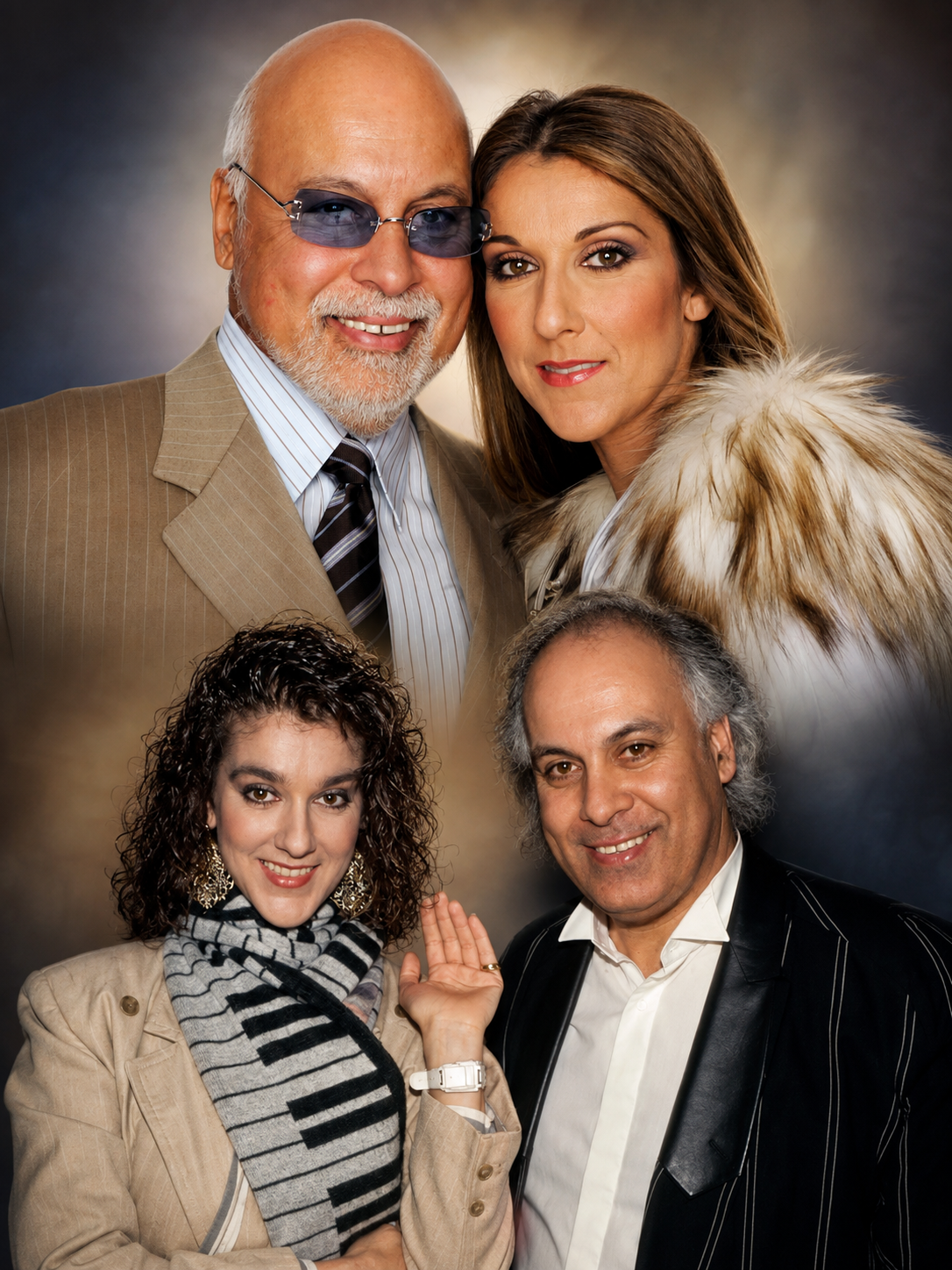
When Céline Dion returned to her Las Vegas stage in August 2015, the man who had guided nearly every step of her career was dying at home.
René Angélil’s throat cancer had returned, and Dion understood that their time together was narrowing. She had already suspended her career to care for him, helping with his daily medical needs while raising their three sons.
Yet Angélil wanted her to sing again.
For Dion, returning to the stage was not an escape from his illness. It was something they faced together. She performed beneath the lights while preparing for the possibility that the person who had discovered her voice, built her career and shared her adult life would soon be gone.
When Angélil died in January 2016, Dion lost far more than a husband.
She lost the man who had stood behind almost every stage she had ever entered.
The Tape That Reached the Right Person
Dion was the youngest of 14 children in a musical family in Charlemagne, Quebec.
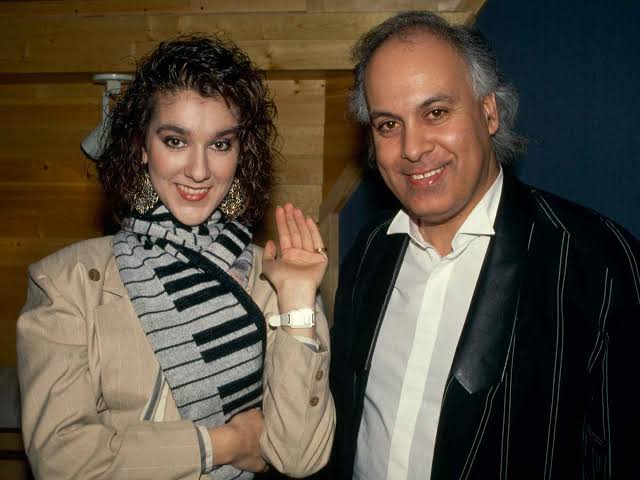
At 12, she recorded a demonstration tape of a song she had written with her mother, Thérèse, and her brother Jacques. Another brother, Michel, sent the recording to Angélil, a former singer who had moved into artist management.
Angélil listened and invited Dion to audition.
The voice emerging from the young girl was already unusually powerful, but she was unknown beyond her local community. Developing her career would require money, patience and an enormous degree of confidence.
Angélil supplied all three.
Convinced that Dion could become a major singer, he mortgaged his home to finance her first album, La voix du bon Dieu, released in 1981. The gamble worked. The record found an audience in Quebec and began a professional partnership that would eventually move far beyond the French-speaking music market.
Angélil managed Dion’s early tours, recordings and public development. He helped guide her through competitions and international appearances, including her victory for Switzerland at the 1988 Eurovision Song Contest.
He also understood that success in the English-language market would require careful preparation. Dion studied English, worked on her stage presence and developed the vocal control necessary to compete in the American pop industry.
The investment was no longer only financial. Angélil was helping construct an international career one decision at a time.
A Professional Bond Becomes a Marriage
As Dion became an adult, her relationship with Angélil changed.
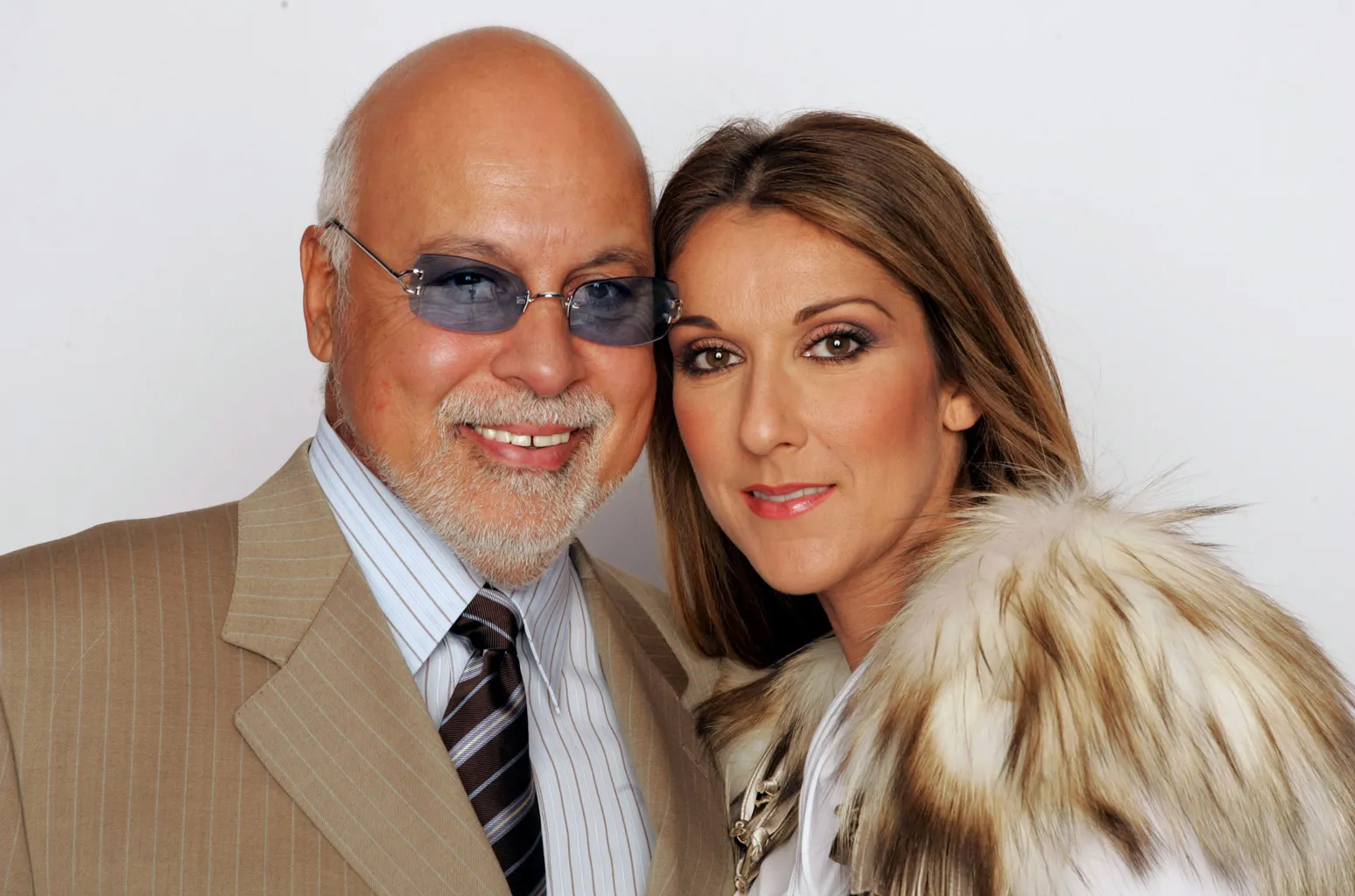
Their romantic relationship began years after their first meeting, when Dion was no longer a child. Because Angélil was 26 years older and had managed her since adolescence, they initially kept the romance private.
Dion later acknowledged that her mother was concerned about the relationship. Angélil had been married before and already had children, while Dion’s personal and professional life remained closely tied to him.
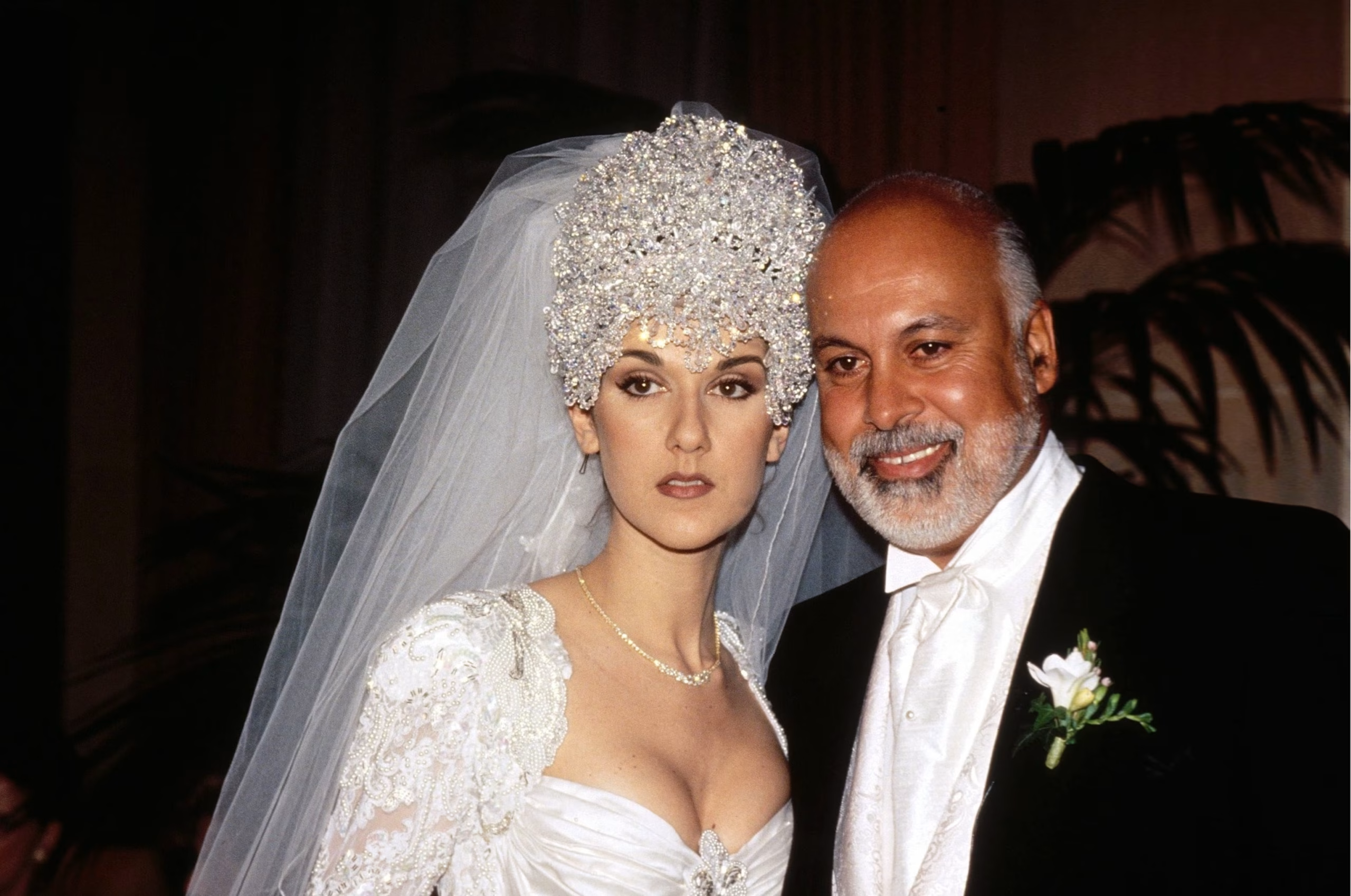
The couple eventually made their relationship public in the liner notes of Dion’s 1993 album The Colour of My Love. They married on December 17, 1994, in an elaborate ceremony at Montreal’s Notre-Dame Basilica.
By then, Dion had become a global star.
Songs including “The Power of Love” had established her in the United States, while her performances combined technical precision with an emotional directness that crossed language barriers. She later recorded “Because You Loved Me,” “It’s All Coming Back to Me Now” and “My Heart Will Go On,” the theme from Titanic that became one of the defining ballads of the 1990s.
Angélil remained central to that rise. He was her manager, strategist and closest professional adviser, but their lives increasingly revolved around building a family as well.
Then cancer entered their marriage.
The First Battle With Throat Cancer
Angélil was diagnosed with throat cancer in 1999.
Dion had reached extraordinary professional heights, but she stepped away from public life as her husband underwent treatment. After surgery and radiation, Angélil entered remission.
The couple also pursued their long-held desire to have children. Following fertility treatment, their son René-Charles was born in January 2001.
Dion returned to performing and began her landmark Las Vegas residency, A New Day…, in 2003. The production helped redefine what a residency could mean for a major contemporary star, combining her music with elaborate staging inside a theater built for the show.
Years later, Dion and Angélil expanded their family again. After additional fertility treatments and a miscarriage, Dion gave birth to twin sons, Eddy and Nelson, in October 2010.
For a time, cancer appeared to belong to an earlier chapter.
It did not stay there.
Illness Returns and the Roles Reverse
Angélil underwent surgery in late 2013 after his throat cancer returned.
His condition eventually affected his ability to eat and speak. The man who had spent decades directing the machinery behind Dion’s performances became increasingly dependent on her care.
In August 2014, Dion placed her career on hold indefinitely. She cited her husband’s health, her own illness and the need to focus on their family.
She later spoke openly about helping feed Angélil through a tube and managing the intimate realities of serious illness. The reversal was profound.
Angélil had once taken responsibility for the frightened 12-year-old standing before him at an audition. Now Dion was helping him through the most vulnerable period of his life.
Their children also had to understand that their father was gravely ill. René-Charles was a teenager, while the twins were still very young.
Dion attempted to explain death without surrounding it with additional terror. She wanted the boys to feel safe enough to speak to their father, remain near him and understand that illness was not something the family had to hide.
Singing While Preparing to Say Goodbye
Dion returned to her residency at Caesars Palace in August 2015.
The decision came partly from Angélil. He encouraged her to return because performing was the work they had built together, and because the stage was where he believed she belonged.
Dion admitted that singing could be emotionally difficult. Songs carried memories of their history, while leaving home meant stepping away from a husband whose condition could change quickly.
Angélil reportedly wanted to see her return to the stage before he died. Dion approached the performances as both a professional obligation and an act of love.
Her public strength did not mean she believed he would recover. She discussed preparing for his death and trying to reassure him that she and the children would survive without him.
Onstage, audiences saw the familiar performer delivering songs associated with endurance and devotion.
At home, she was learning how to let go of the person who had made that stage possible.
Two Deaths in Two Days
René Angélil died at the family’s Las Vegas home on January 14, 2016. He was 73 and two days away from his 74th birthday.
Dion remained beside the life they had built, now responsible for three sons who had lost their father.
Then the family suffered another blow.
Her brother Daniel Dion died from cancer on January 16, only two days after Angélil. He was 59.
The losses left Dion grieving both her husband and her brother within the same weekend. She attended Angélil’s public funeral at the same Montreal basilica where they had married in 1994.
Thousands of people came to pay their respects to a man normally positioned behind the performer. His importance had become visible through the career, marriage and family he had helped build.
Dion returned to Las Vegas the following month. She opened her first performance back with a tribute to Angélil and spoke about feeling his presence beside her.
Continuing did not mean she had finished mourning. It meant learning to perform without the person who had always been part of the performance.
Raising Their Sons Without Him
Dion has continued to describe Angélil as a presence within her family.
Photographs of him remain in the home. The children speak about him, carry his images on trips and include his memory in daily life. Dion has said she still considers herself connected to him as her husband rather than treating the marriage as a closed chapter.
Her role as a mother became even more important when her own health began to deteriorate.
Dion experienced unexplained problems involving her voice, stiffness and muscle spasms for years. She eventually received a diagnosis of stiff-person syndrome, a rare neurological disorder that can cause severe rigidity and painful spasms.
She announced the condition publicly in December 2022 after postponing and canceling performances.
The illness affected the part of her identity that Angélil had first recognized: her ability to sing.
Yet her sons gave the struggle a different urgency.
Dion explained that they had already lost one parent. As they noticed her physical difficulties, she did not want them living with constant fear that they might lose their mother too.
She spoke honestly with them, telling them that her condition had changed her life but that she was learning how to manage it. Her rehabilitation required intensive work on her movement, breathing and voice.
In July 2024, she made a widely celebrated return at the opening ceremony of the Paris Olympics, performing from the Eiffel Tower. The appearance did not signify that the illness had disappeared. It showed what determination, treatment and careful preparation could still make possible.
The Man Behind Every Song
René Angélil’s decision to mortgage his home has become one of music’s most famous stories of belief.
But the meaning of his relationship with Dion cannot be contained within that single gamble.
He was present when her career consisted of a homemade recording from a large Quebec family. He guided her through French-language success, English lessons, international markets and the overwhelming demands of global fame.
They raised three sons, endured fertility struggles and confronted cancer more than once.
When he became too ill to remain the person directing events, Dion became his caregiver. When he asked her to return to singing, she did so while knowing that every performance was bringing her closer to a final goodbye.
After his death, she had to discover who she was without the man connected to nearly every part of her adult life.
Years later, as illness threatened her own voice and frightened their children, the family they created became one of her strongest reasons to continue fighting.
Angélil once risked his home because he believed the world needed to hear Céline Dion sing.
She now carries that belief without him—not only in the songs, but in the sons who remind her why her voice must keep trying to return.