Samantha Morton Stole The Odyssey in 10 Minutes—Then Spent a Year Without Another Acting Job
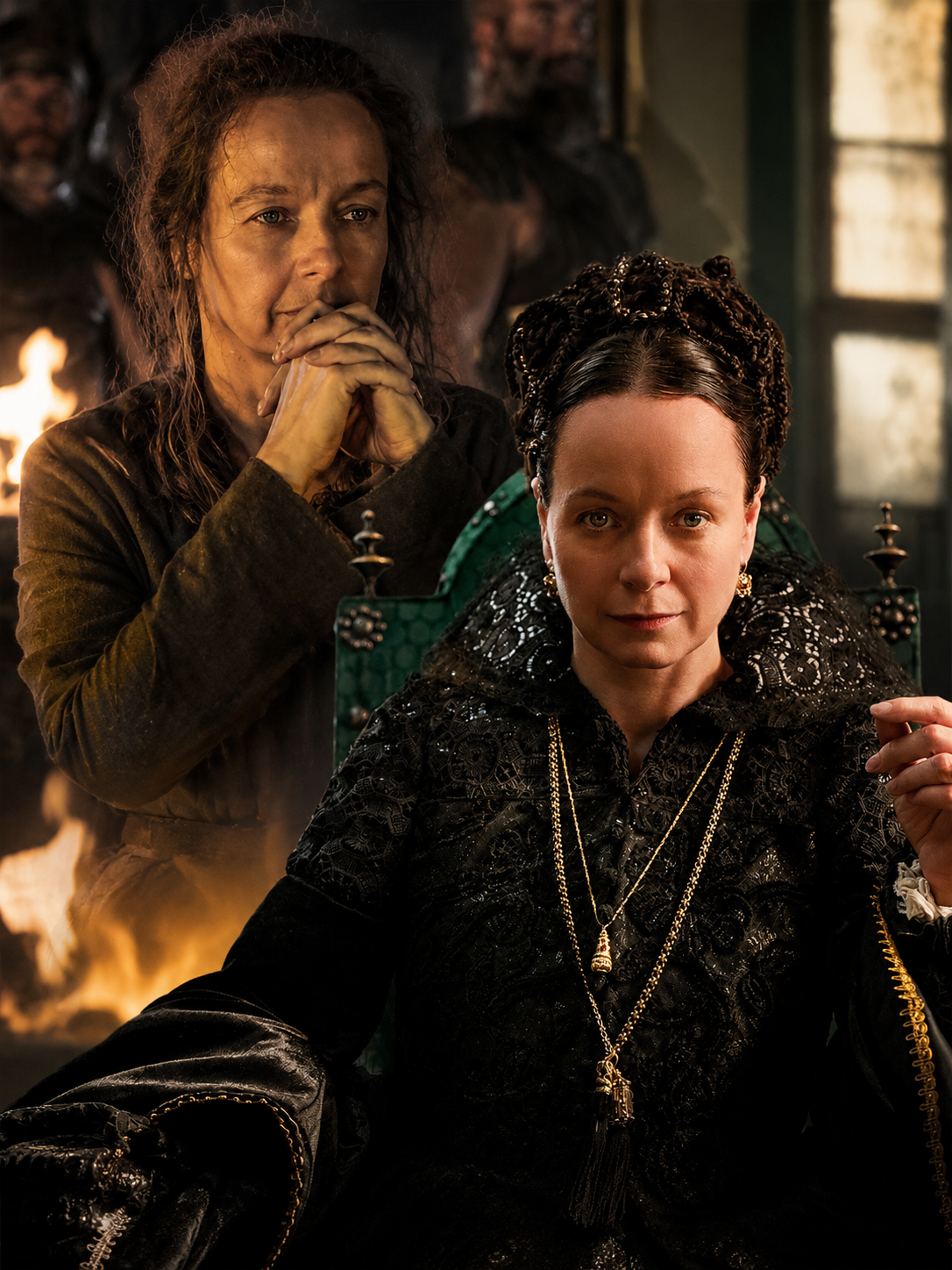
Samantha Morton’s brief appearance in Christopher Nolan’s The Odyssey has become one of the most discussed performances in a film crowded with global stars.
Yet when the cameras stopped, the offers did not immediately follow.
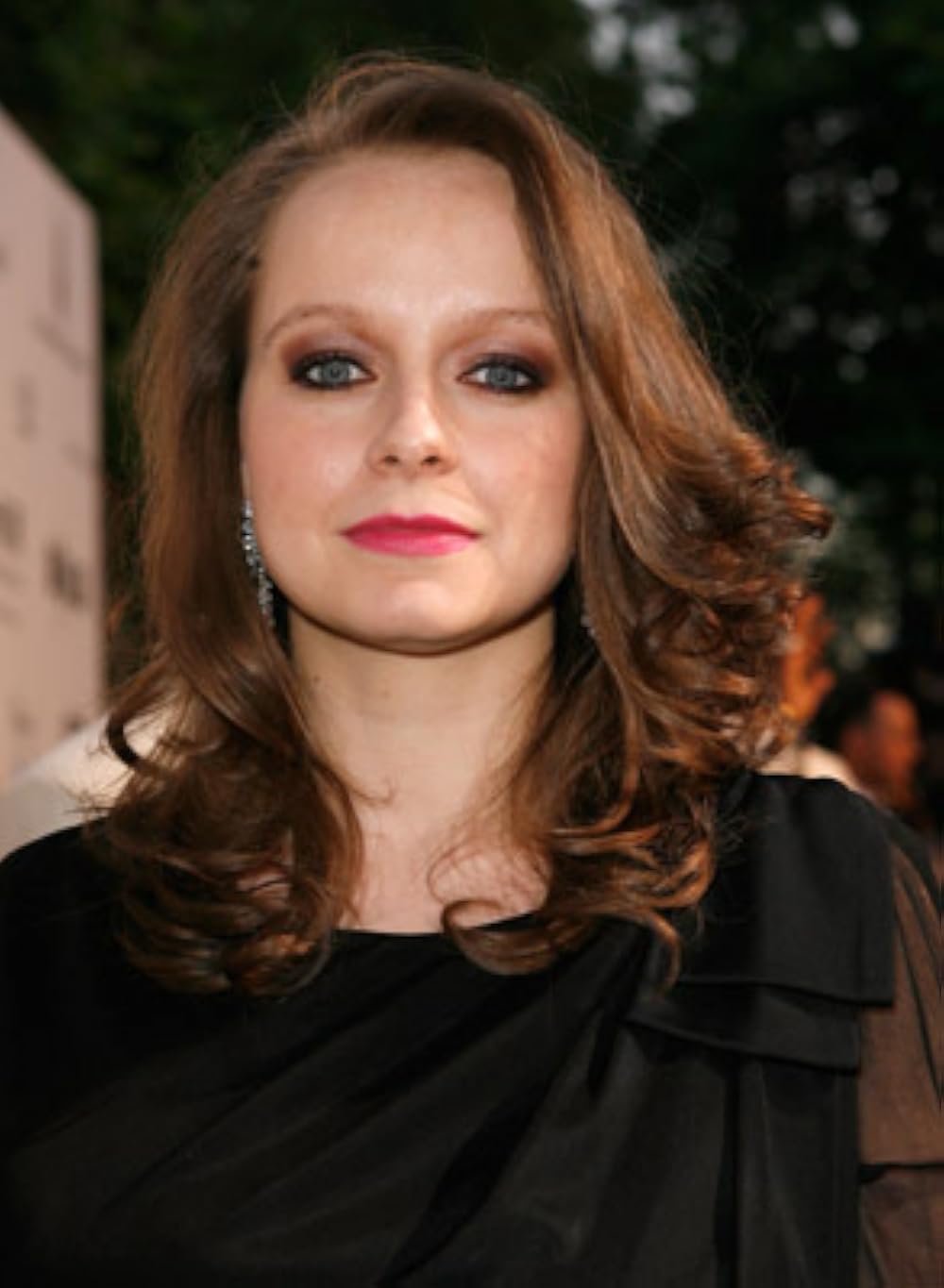
Morton, 49, says she has not worked for a year since finishing the movie, despite having experienced agents, a manager, two Academy Award nominations and more than three decades of acclaimed performances behind her.
The contradiction is difficult to miss.
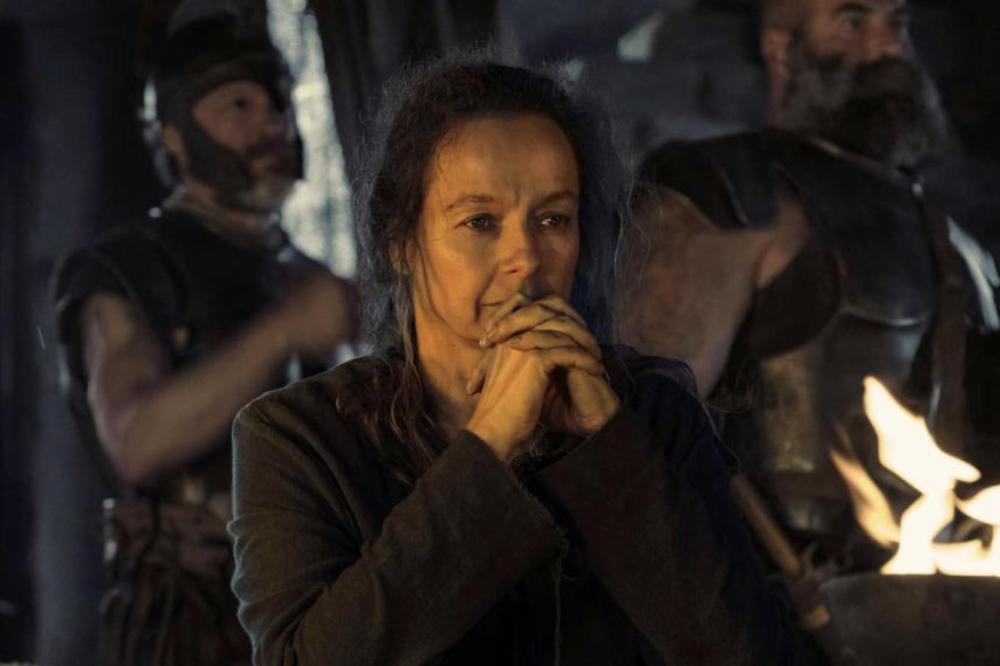
In The Odyssey, Morton plays Circe, the supernatural enchantress who transforms Odysseus’ men into pigs. Her screen time lasts only about 10 minutes, but the role has generated critical praise and early awards-season attention.
Away from the film, however, Morton has faced the same uncertainty that has followed her throughout her career.
She believes she is a strong actor. She also knows that talent does not guarantee another job—particularly for a woman approaching 50 in an industry whose opportunities can narrow with age.
For Morton, Nolan’s invitation therefore meant more than another impressive credit.
It gave her hope that the right people might still see what she could do.
The Phone Call That Made Her Cry
Morton had wanted to work with Nolan for years.
She had previously missed the opportunity to appear in his 2006 film The Prestige, making the eventual invitation to meet for The Odyssey especially meaningful.
When her team called to say Nolan wanted to speak with her, Morton said she cried.
The reaction did not come from a newcomer receiving her first major opportunity. It came from an established performer who understood how rarely such moments arrive, even after decades of respected work.
Morton has collaborated with celebrated filmmakers and appeared in major studio productions, independent dramas and prestige television. She has been nominated twice for an Oscar—first for her supporting performance in Sweet and Lowdown and later as a lead actress in In America.
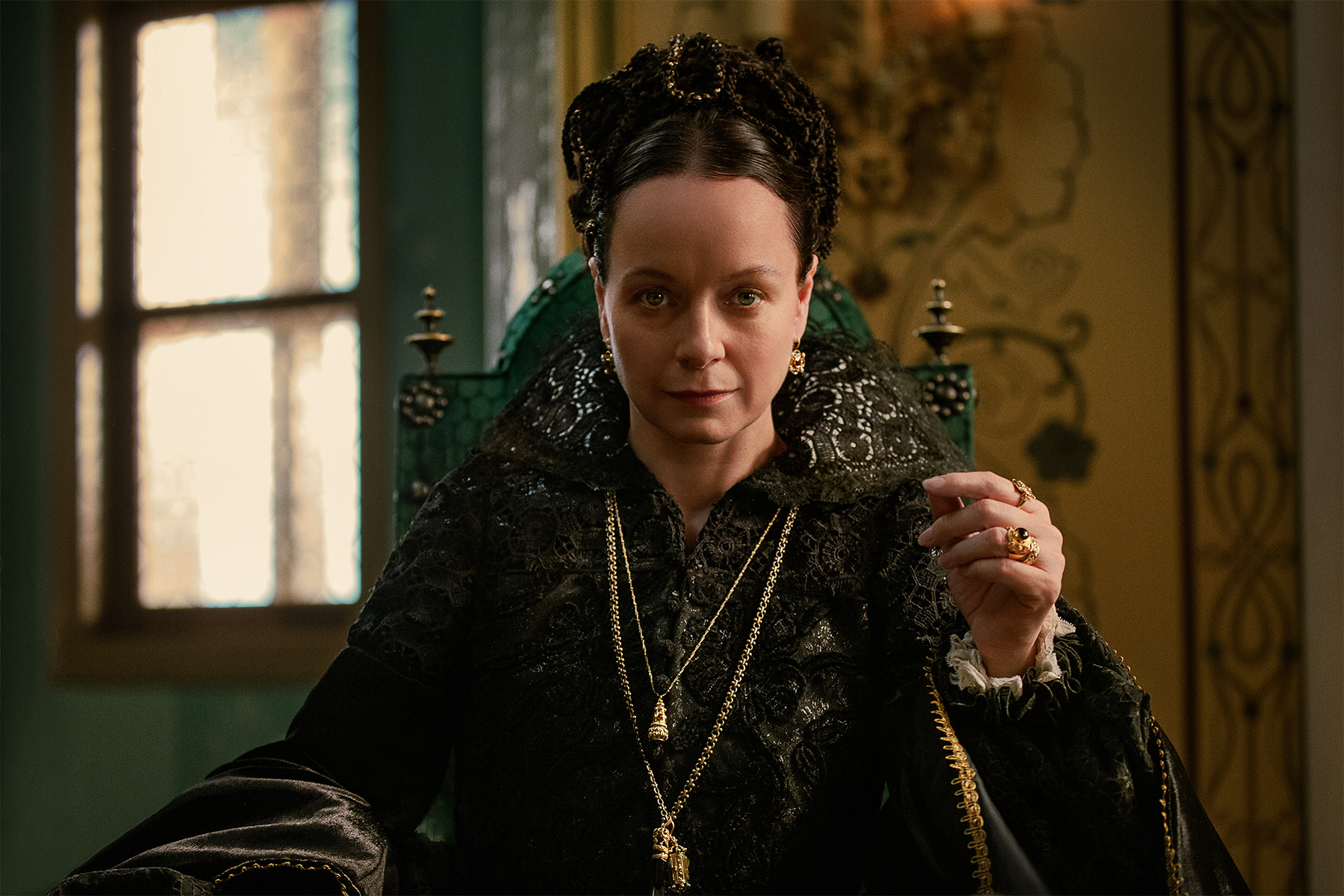
She also appeared in Steven Spielberg’s Minority Report, joined the world of Fantastic Beasts and played Alpha in The Walking Dead. More recently, she took the title role in The Serpent Queen.
Her résumé suggested security.
Her experience taught her otherwise.
Morton said actors remain dependent on employers who decide what they are capable of doing and whether they belong in a particular project. Recognition from the past does not eliminate that vulnerability.
That was why Nolan’s interest mattered so much.
Someone with the power to build one of cinema’s largest productions had looked at Morton’s body of work and imagined her as Circe.
Ten Minutes That Changed the Film
The Odyssey follows Matt Damon’s Odysseus during his long and dangerous journey home after the Trojan War.
Circe appears during one of the story’s most memorable episodes.
Odysseus and his men reach her island, where she offers them hospitality before revealing her supernatural power. In the film’s disturbing transformation sequence, the men’s bodies are reshaped into pigs.
Morton’s performance had to establish control, mystery and danger within a limited amount of screen time.
The role could easily have become a visual spectacle overshadowed by the film’s effects. Instead, Circe emerged as one of its most commanding figures.
Morton explained that the transformation sequence was created without computer-generated imagery. Nolan used practical, in-camera methods to achieve the effect.
That approach connected unexpectedly with Morton’s early life in entertainment.
Before becoming an established screen actor, she had worked as a magician’s assistant. The experience gave her an appreciation for illusion created physically in front of an audience rather than assembled later through digital effects.
To Morton, the connection felt like an example of life and art circling back toward each other.
An old experience that once appeared unrelated to her acting career had prepared her to understand one of the most technically unusual scenes in Nolan’s epic.
Success Did Not End the Silence
The Odyssey opened on July 17 and quickly became a major commercial success, earning hundreds of millions of dollars around the world.
Morton’s performance attracted particular attention despite the film’s enormous ensemble. The cast includes Damon, Anne Hathaway, Tom Holland, Zendaya, Robert Pattinson, Lupita Nyong’o and Charlize Theron.
Standing out in that company should have created a clear path toward more work.
Morton says it did not.
After completing the film, she went an entire year without another acting job.
She acknowledged that competition remains intense and that many talented performers are seeking the same roles. But she also pointed to the changing politics of the industry and the reality of aging as a female actor.
At 49, Morton is increasingly aware that substantial film roles are becoming less common.
She continues to work across independent cinema and television, but opportunities on the scale of The Odyssey are rare.
The difficulty is not simply artistic.
Morton has three children, a mortgage and the financial responsibilities of an ordinary adult life. When acting work disappears, the consequences extend beyond disappointment over a missed role.
Creative rejection and economic pressure arrive together.
A Career Built Through Uneven Seasons
Morton does not describe her career as a smooth climb.
There have been periods of major recognition and periods when projects did not happen. Some missed opportunities left her emotionally hurt. Others created financial strain.
That instability has taught her not to treat any role as guaranteed or repeatable.
A successful film does not promise another.
An award nomination does not permanently protect an actor from unemployment.
Even a performance praised as one of the highlights of a blockbuster may be followed by silence.
Morton’s honesty challenges the common impression that recognizable actors move easily from one production to the next. Audiences usually see finished films, red carpets and awards campaigns.
They do not see the months between jobs or the phone calls that never come.
For a performer, those gaps can create doubt about whether the career will continue.
Morton said The Odyssey renewed her sense of hope and faith. The experience suggested that continuing to produce serious work may eventually bring the attention of someone capable of offering another meaningful opportunity.
The encouragement was real.
So was the uncertainty waiting afterward.
Aging Without Accepting an Ending
Morton remains optimistic about her future.
She believes she can continue acting into her 80s, even if the path includes periods when work slows or disappears.
Her confidence does not come from believing every role will be available to her. It comes from knowing she has survived the industry’s uneven cycles before.
Still, she understands that women often encounter fewer substantial opportunities as they age.
Large films may reserve their most complex roles for younger actresses, while older women are offered narrower character types or pushed toward smaller productions.
Morton has continued finding rich work in independent movies and television. What she cannot control is whether major filmmakers will continue imagining her inside large, ambitious stories.
Nolan did.
That single decision placed Morton at the center of one of The Odyssey’s defining sequences and reminded audiences of the intensity she could create with very little time.
It also reminded Morton that she had not reached the end of what she could do.
The Role Was More Than a Career Move
Morton said she was grateful simply to have worked with Nolan during her lifetime.
That statement reveals why the role carries such emotional weight.
She is not measuring its value only through box-office totals, award speculation or the next contract. For her, the experience itself fulfilled a long-held professional ambition.
She entered a production of enormous scale, worked with a filmmaker she admired and delivered a performance that survived the competition of a star-filled cast.
Whatever happens next, that experience belongs to her.
Morton also believes artists should cherish such opportunities because they do not occur often.
Her year without work has made that lesson even clearer.
The industry can applaud a performance and still leave the performer waiting. It can call someone exceptional in one moment and offer no certainty about the next.
Samantha Morton’s appearance in The Odyssey lasts only a fraction of the film’s running time.
Circe arrives, takes command and leaves a mark that extends far beyond her minutes onscreen.
Morton’s career has often worked the same way.
The opportunities may be unpredictable and separated by long stretches of uncertainty. But when the right role finally reaches her, she reminds audiences why she should never have been overlooked.
For now, The Odyssey has given her something another contract could not fully guarantee.
It has given her reason to believe that the journey is still continuing.