Texas Police Sergeant Survived a Gunshot to the Face — Then Asked for Five Minutes Alone With the Man Who Shot Him
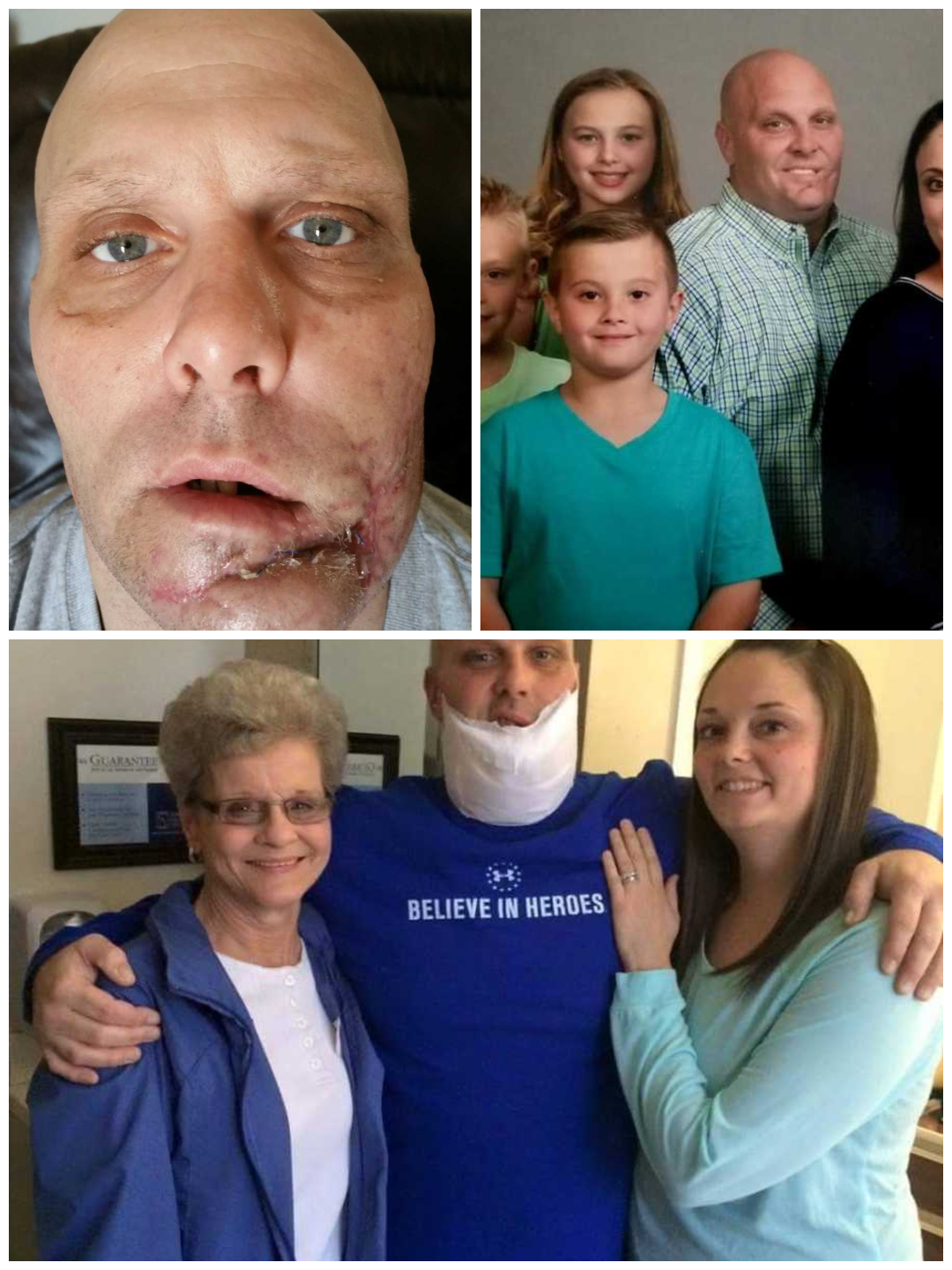
For more than a year after Houston Gass was shot in the face while responding to a domestic disturbance, he imagined what he would do if he ever had five minutes with the man responsible.
He carried anger through surgeries, nightmares, post-traumatic stress and painful strain in his marriage. The shooting had nearly killed him and shaken everyone he loved.
Then, in September 2016, Gass finally received those five minutes.
What happened inside that room was nothing like what he once imagined.
Instead of seeking revenge, the Texas police officer told the man who had shot him that he forgave him.
An Ordinary Morning Changed in Minutes
January 6, 2015, began routinely for Gass.
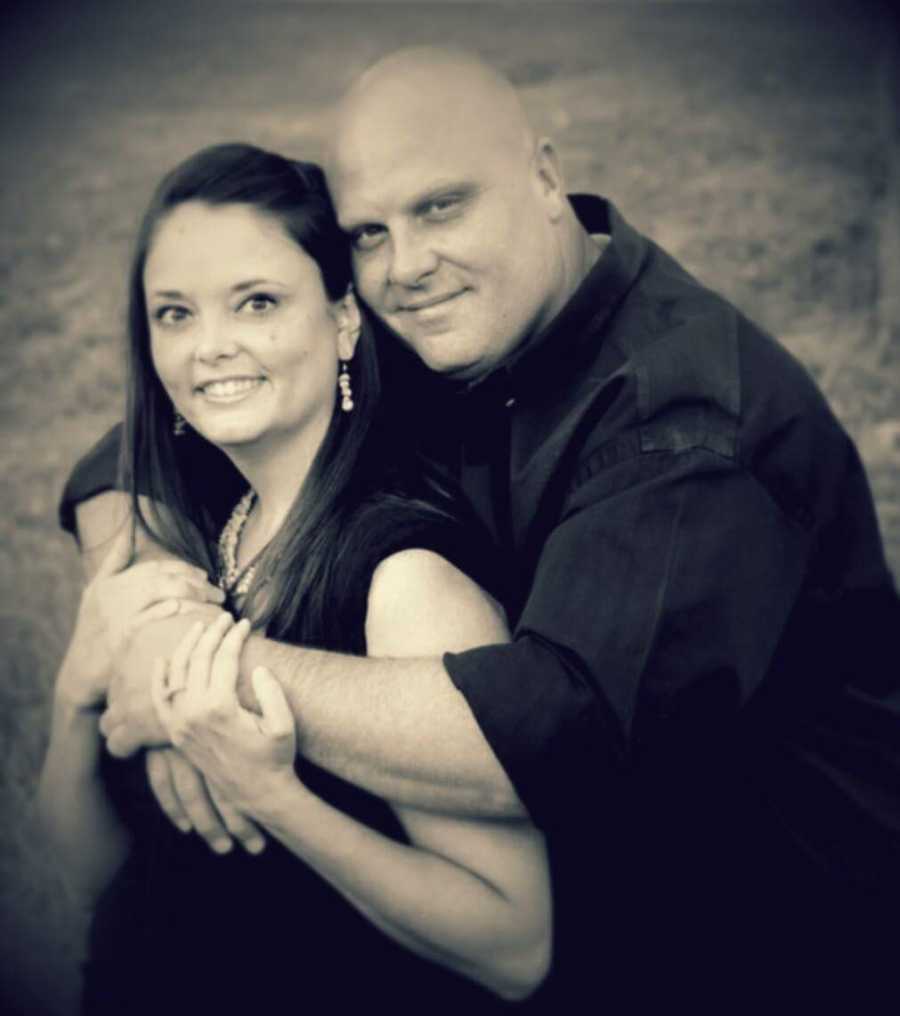
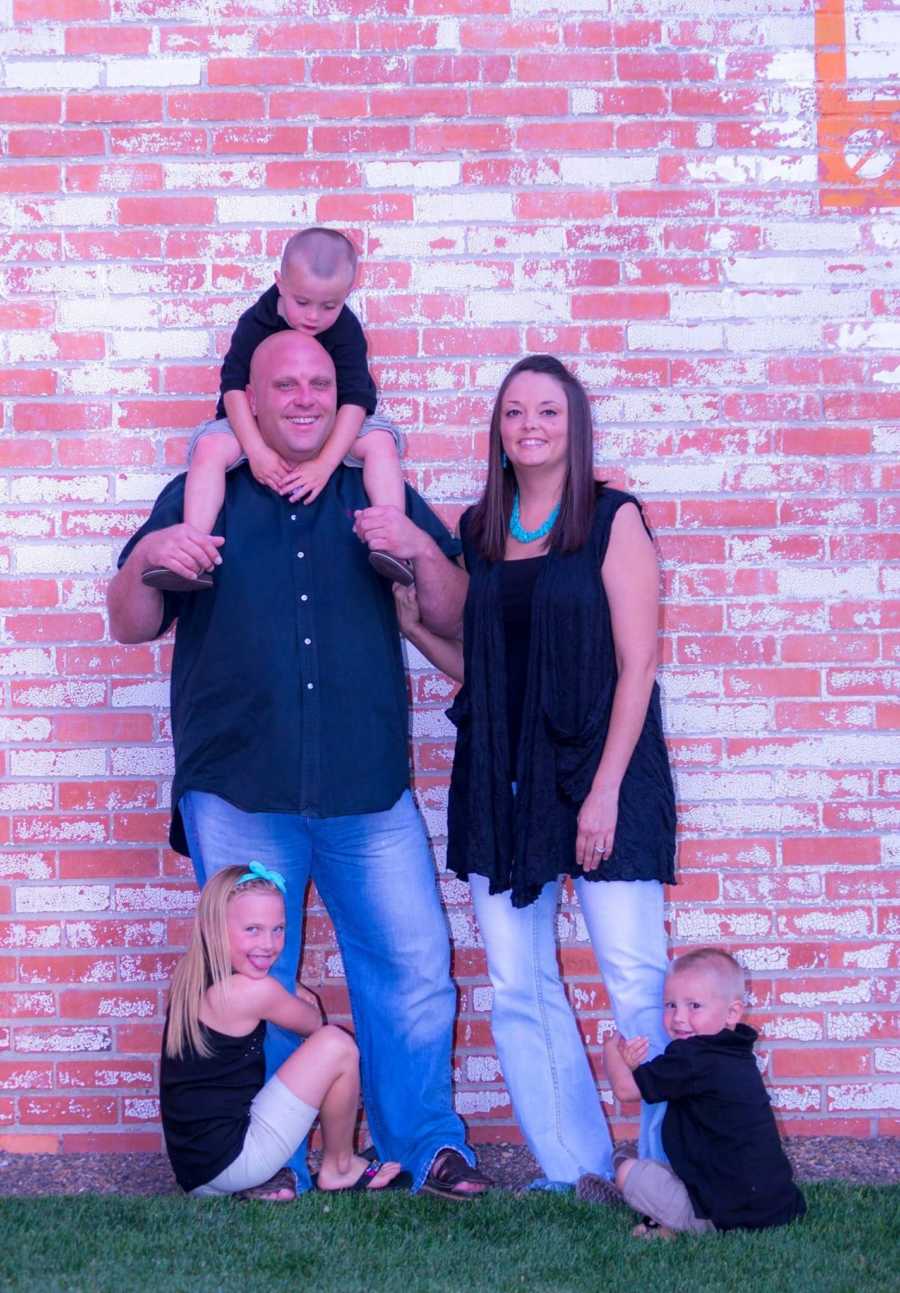
He helped his wife, Jessica, get their children ready for school and planned to meet her for lunch. The couple had been married only six months, and because his police schedule often interfered with family time, having lunch together felt like a rare opportunity.
Gass was serving as an evening patrol sergeant with the Pampa Police Department in Pampa, Texas, a community of roughly 20,000 people.
The department was short five officers, however, and around 9:30 that morning the day-shift sergeant called asking for help.
Gass agreed to come in.
He called Jessica and canceled lunch.
Before leaving home, however, something bothered him.
After 13 years in law enforcement, Gass trusted the instincts that often warned him when a situation felt wrong. This feeling was different. He could not identify why, but he sensed that something serious was coming.
At 10:45 a.m., he went on duty.
Almost immediately, another officer requested assistance at a home on North Nelson Street.
A domestic disturbance had escalated.
A gun had already been fired.
Officers Surrounded the House
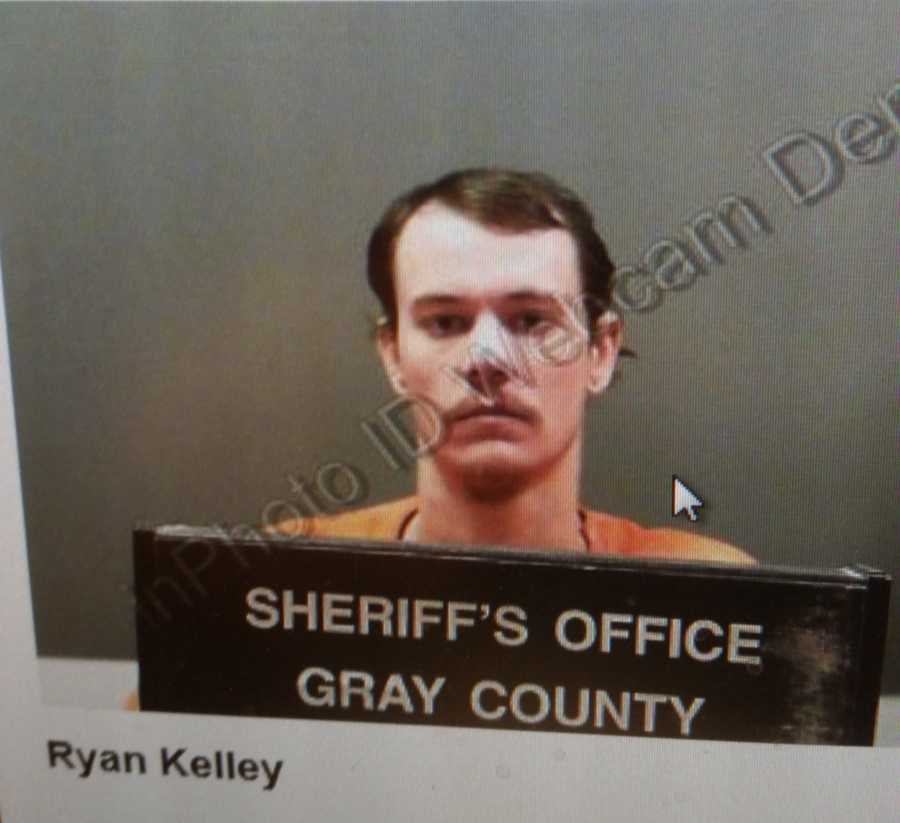
Gass identified the man inside as Ryan Kelley, someone he knew from previous encounters.
According to Gass, Kelley had been using methamphetamine and had assaulted his girlfriend for much of the previous night. The woman eventually escaped. When friends attempted to help retrieve her belongings, Kelley allegedly fired a shot into the ceiling.
Officers from multiple agencies surrounded the house.
For several minutes, police attempted to persuade Kelley to come outside.
He refused.
Eventually, officers decided to enter.
Gass remembered the fear clearly. Despite his years in law enforcement, he had never fired his weapon at another person. As the team prepared to move inside, one possibility dominated his thoughts: he might be forced to use deadly force.
The officers searched room after room without finding Kelley.
Eventually, they reached a final bedroom.
There was one closed door.
Gass moved toward it.
As he touched the doorknob, a gunshot exploded from the other side.
He never saw it coming.
‘Officer Down’
Gass immediately lost his vision but remained conscious.
He heard gunfire, radio traffic and two words no police officer wants associated with himself: officer down.
Lt. Lake pulled him away as other officers provided cover.
Unable to see and unsure whether he would survive, Gass thought about Jessica and his three children: 7-year-old Emma, 4-year-old Austin and 3-year-old Harrison.
He began praying.
Firefighters entered the still-dangerous scene to reach him. Paramedics worked desperately to keep him alive as his airway began closing.
Gass was transported by helicopter to Northwest Texas Hospital, where doctors performed emergency surgery and stabilized his breathing.
For his family, the crisis carried layers of earlier trauma.
Jessica’s first husband had died by suicide, and she had discovered him. Now, just months into her marriage to Gass, she was again confronting the aftermath of a violent gunshot.
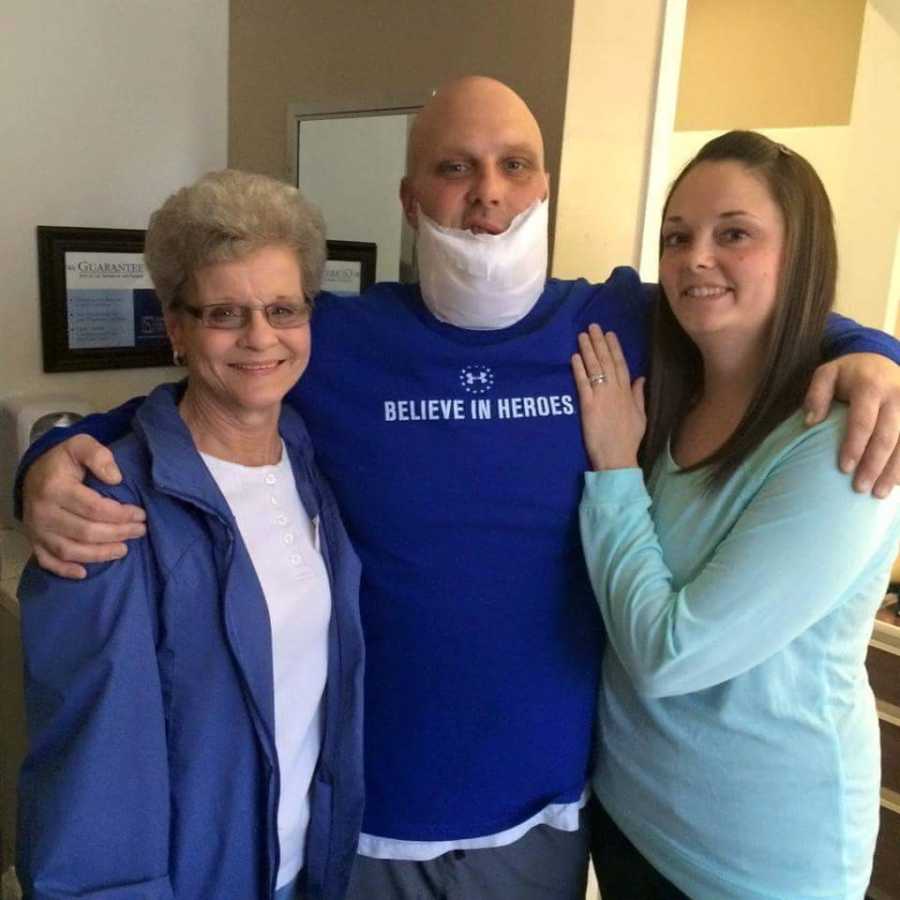
Gass also worried about his mother, Kathy.
His oldest sister had been murdered in 1990. Another sister died by suicide in 2013, and his father died from cancer in early 2014.
Gass was the only surviving child his mother had left.
Now she was standing beside his hospital bed, wondering whether she might lose him too.
Recovery Became Its Own Battle
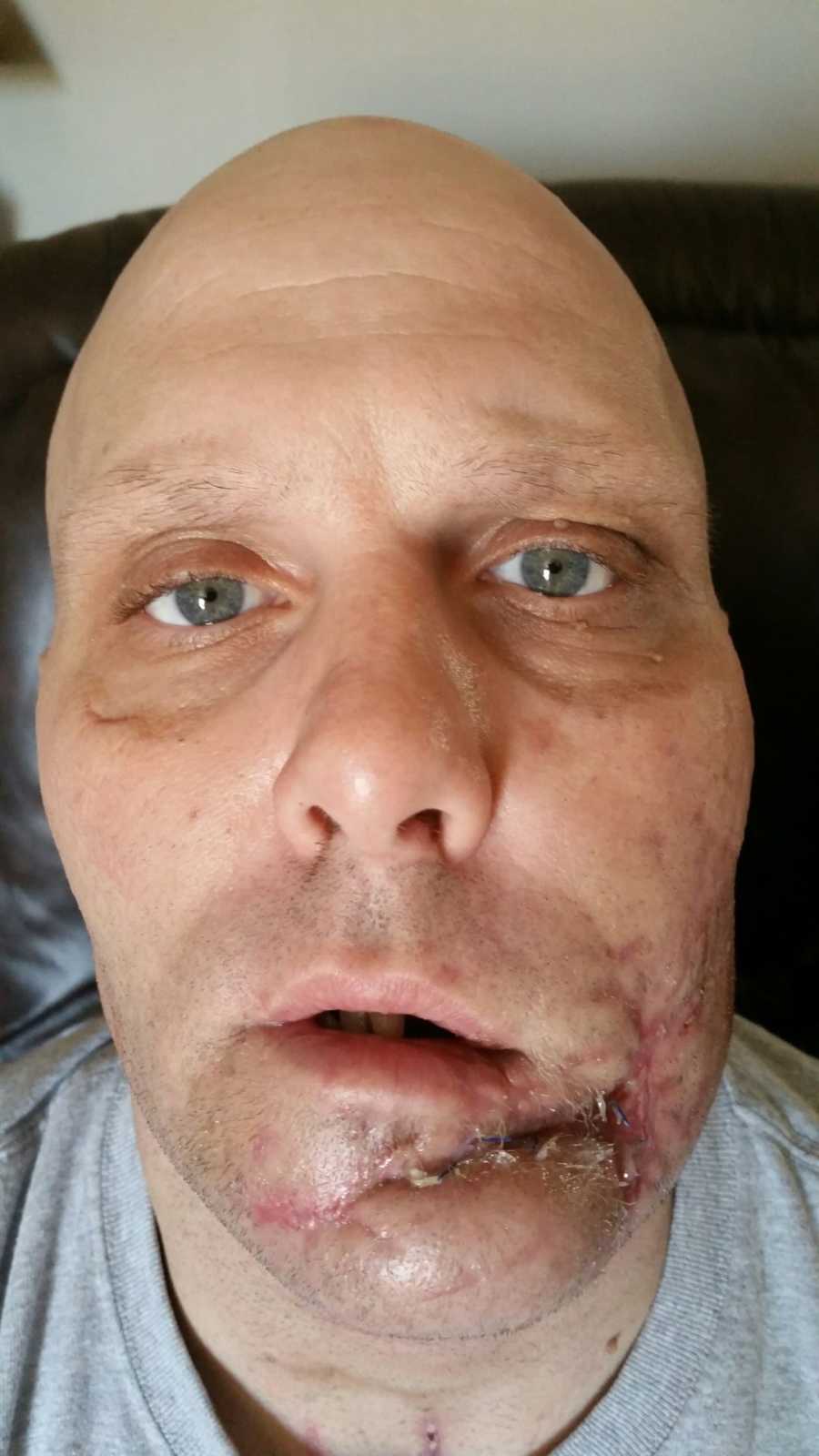
The bullet caused devastating injuries to Gass’ face and airway.
Early expectations suggested a lengthy hospitalization and uncertainty about when—or whether—he would be able to speak normally.
Gass pushed hard through recovery.
Seven days after the shooting, his tracheotomy was removed and he could talk. Ten days after being admitted, he left the hospital, although an infection forced him to return. Altogether, he spent 18 days hospitalized that January.
Going home did not mean the ordeal was finished.
The following months brought repeated medical appointments, surgeries and physical pain.
There were psychological wounds as well.
Gass experienced nightmares and was diagnosed with PTSD. He struggled emotionally and spiritually. His marriage suffered under pressure neither he nor Jessica had anticipated.
Counseling became part of their recovery.
Over time, Gass said the experience ultimately brought him and Jessica closer.
But one emotion remained difficult to release.
He hated Ryan Kelley.
The Trial Forced Him Back Into the Worst Day of His Life
Kelley remained in jail while awaiting trial.
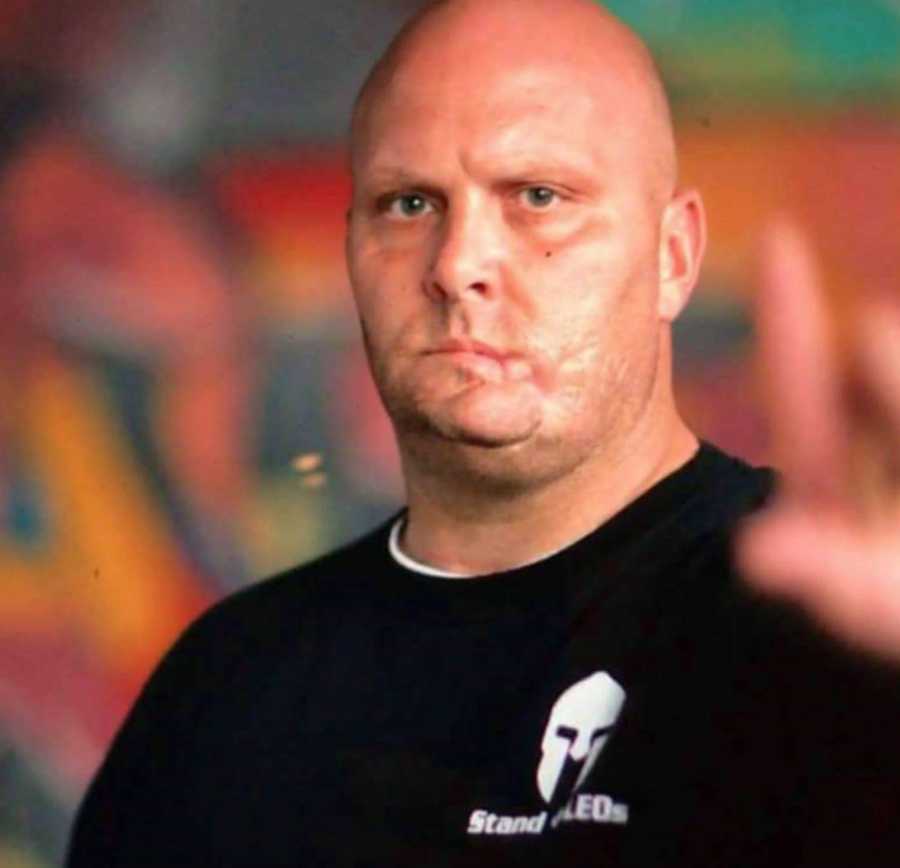
In September 2016, roughly a year and a half after the shooting, Gass had to revisit the incident in court.
Preparation required him to hear recordings, review evidence and return mentally to the day he had nearly died.
When he testified, Gass stared directly at Kelley.
After leaving the witness stand, he felt some of the weight lift.
Then something unexpected happened.
As closing arguments concluded, Kelley turned toward Gass.
He mouthed an apology.
Gass was stunned.
The man he had spent months hating had suddenly acknowledged him directly.
The jury found Kelley guilty of attempted capital murder of a police officer and aggravated assault against a police officer. He received a total sentence of 50 years.
Justice, in a legal sense, had arrived.
But Gass realized his own struggle was not finished.
The Five Minutes He Had Imagined Finally Came
Kelley’s attorney approached Gass after the trial and expressed sympathy for everything he had endured.
Gass made an unexpected request.
He wanted five minutes with Kelley.
Earlier in his recovery, five private minutes with his attacker had represented revenge in his imagination. His anger had once been strong enough that he believed he would want to physically destroy the person who had caused so much suffering.
Now his purpose was different.
Kelley agreed to meet.
Gass entered a room with his friend Chris Keller, Kelley and his attorney. Deputies remained nearby.
Gass began by confronting Kelley with the consequences of his actions.
He told him how the shooting had damaged his life, hurt his family and nearly destroyed his marriage.
Then Gass told Kelley something few people in the room expected.
He forgave him.
For Gass, the decision was inseparable from his Christian faith. He explained that the forgiveness he was offering came from his religious convictions rather than from pretending the shooting did not matter.
The men then joined hands and prayed together.
Gass remembered leaving the meeting feeling as though an enormous burden had disappeared.
Forgiveness did not mean Kelley escaped punishment. Gass was clear that the prison sentence still had to be served.
What changed was the hold that hatred had on him.
Returning to the Badge Took More Than Two Years
Recovery remained long even after the trial.
Gass calculated that it took him 27 months and 19 days to return to police work.
When he did, he joined a different agency and eventually became a police chief.
He also rejected the label of hero that others placed on him.
In his view, the heroes of January 6 were the officers who pulled him from danger, the firefighters who entered an unsecured scene, the paramedics who kept his airway open and the doctors who fought to save his life.
His own achievement was surviving what came afterward.
The gunshot lasted an instant.
Recovery consumed years.
And perhaps the hardest part was accepting that healing required more than repaired injuries or a guilty verdict.
For Gass, it eventually required confronting the man he once hated and making a decision that did not erase the crime, the 50-year prison sentence or the suffering his family endured.
He simply decided that Ryan Kelley would no longer control the rest of his life through anger.
The five minutes Gass once imagined using for revenge became the five minutes in which he finally let it go.