After More Than 40 Foster and Group Homes, Blake Woody Was Told His Future Was Prison — Fatherhood Changed the Life He Chose to Build

Long after the football stadium empties, Elijah Woody sometimes stays behind.
After playing through an exhausting game, he returns to the field and bleachers to pick up trash, working late into the night. The money he earns does not simply go into his pocket. He has used it to help families during the holidays and to buy school supplies for children who need them.
For his father, Blake Woody, watching that generosity carries a meaning few people around them can fully understand.
Blake grew up being told that his own future would look very different. After enduring abuse, moving through foster homes, group homes and juvenile institutions, struggling with drugs and repeatedly getting into trouble with the law, he heard predictions that he would never build a stable family.
Instead, he became a father determined to give his sons something he rarely had himself: roots, safety and the knowledge that someone would stay.
Blake was born in Cottage Grove, Oregon. His mother left his biological father, whom Blake described as abusive and addicted to drugs, while Blake was still a toddler. She later married the father of Blake’s two younger half-sisters.

But the new home was not safe.
Blake said his stepfather became physically and emotionally abusive. By first grade, his behavior had become difficult enough that he was attending a special school for troubled children.
One day, a teacher noticed an unusually shaped bruise on his arm.
Blake claimed it had happened while carrying firewood. The truth, he later recalled, was that his stepfather had struck him with a piece of lumber while Blake tried to protect himself.
When he returned home from school, a child protective services worker arrived. Blake was removed that night and placed temporarily in foster care.
It would be only the beginning of years spent moving in and out of homes and institutions.
His family eventually relocated to Nebraska, where Blake said the abuse became worse.
At 7, after being denied food as punishment, he reached a level of despair no child should have to experience. His mother found him attempting to harm himself with scissors.
Blake spent 44 days in a hospital, including Thanksgiving and Christmas.
Eventually, officials planned to place him at Boys Town in Omaha while the rest of his family moved to California. Blake remembered feeling terrified at the possibility of being left in Nebraska without relatives nearby.
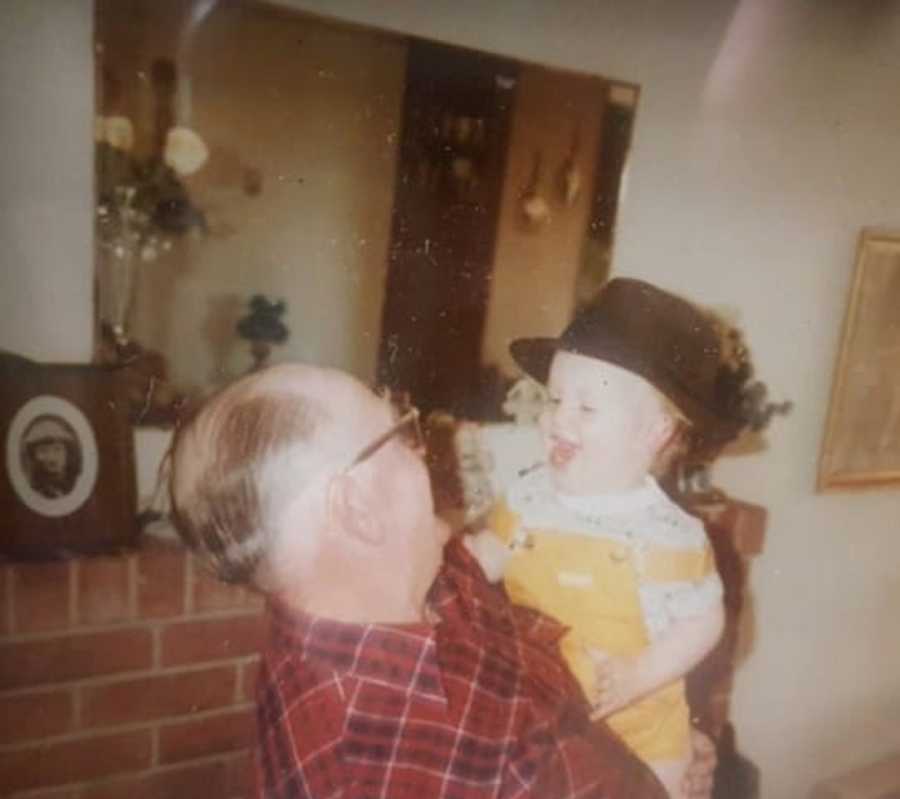
Then his grandfather intervened.
He flew from Sacramento and arranged to take custody of his grandson. In California, Blake found something different among his grandfather and great-grandparents: adults he associated with love, safety and stability.
His great-grandparents’ home became especially important. When food had been used as punishment elsewhere, his great-grandmother made sure he had enough to eat.
But the stability did not last.
Blake was eventually returned to his mother and stepfather, where he said the abuse resumed. By age 9, he entered California state custody again.
Over the following years, he moved repeatedly through foster placements and group homes. Blake wrote that across his childhood he ultimately experienced more than 40 boys’ homes, foster homes, group homes, juvenile institutions and similar placements.
By 13, he was living at the Sacramento Children’s Home. He described an environment where fights were common and older youths exposed him to the realities of gangs, drugs and street survival.
At 14, after another attempt to live with his mother in Oregon failed, Blake returned to state care.
Eventually, he simply walked away.
He bounced among relatives, friends and couches across Oregon, Washington, California and Illinois. At one point, he was sleeping beneath the Interstate 5 overpass in Medford, Oregon.
Still underage, Blake said he lied about his age to obtain three jobs and even pretended to be a recovering alcoholic so he could rent a room in an Oxford House.
When those jobs disappeared and rent became impossible, he searched for another place to go.
At 16, that search led him back to the biological father he had barely known.
His father had recently been released from prison and was living in Goshen, Oregon. Blake went to stay with him and initially worked alongside him at a truck tire shop.
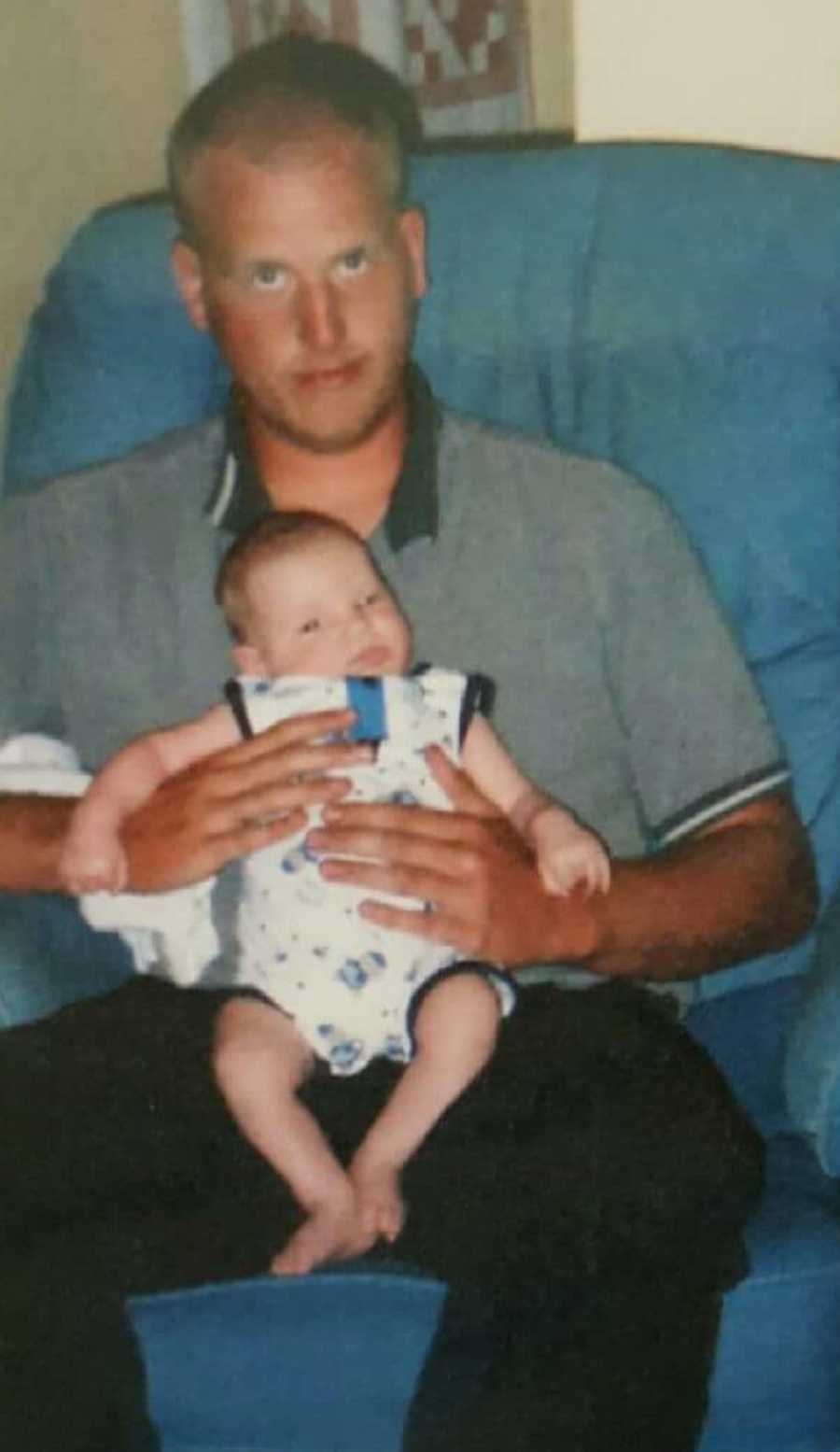
Soon, however, his father returned to drugs.
Blake had already experimented with alcohol and marijuana, but he recalled that his father introduced him to methamphetamine by injecting the drug into his arm.
Blake eventually fled back to his mother, but the cycle continued. He became involved with drugs, found the wrong crowd and accumulated serious legal problems.
One judge allowed him to enter Job Corps instead of continuing toward prison. There, Blake earned his GED and completed three trades, though he said his drug use continued.
At 19, facing legal trouble again, Blake had enlisted in the Navy. The court allowed him to leave, but during boot camp he was diagnosed with asthma and medically discharged.
He later moved to Idaho, where drinking, drugs and dealing became a larger part of his life.

Then he met Tina, the woman who would become his wife.
They eventually moved to Medford, and soon learned she was pregnant.
For Blake, the pregnancy created a dividing line in his life.
When his first son, Elijah, was born, Blake understood that continuing the same cycle would mean risking another childhood like his own. He stopped using drugs, found steady employment and began trying to become the kind of parent he had desperately needed as a boy.
His second son, Izaiah, was born in August 2004.
For several years, Blake settled into fatherhood. Then another painful test arrived.
In 2010, after approximately a decade together, Blake said his wife told him she had met someone online and was leaving.
She also left their sons.
Blake found himself raising the boys largely alone for the next several years. Watching his children experience a parent leaving was especially painful because abandonment was a feeling he understood intimately.
Sports became one way he built community around them.
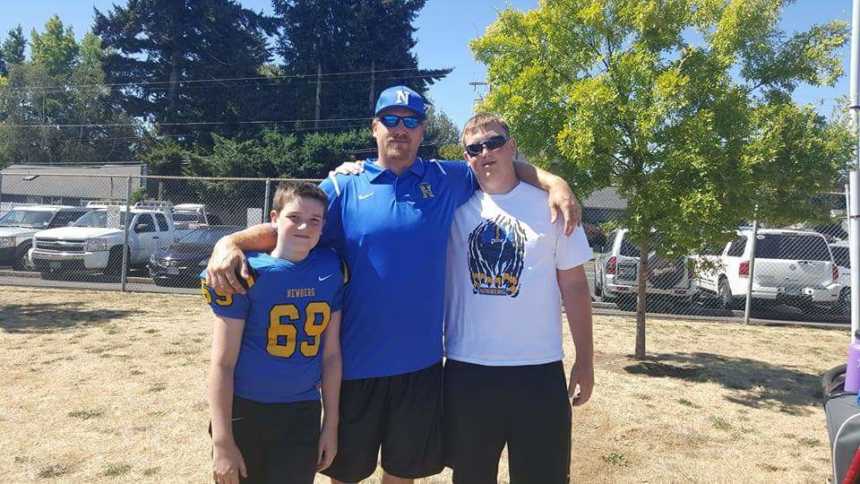
Having attended 12 high schools during his own freshman year, Blake remembered how coaches often helped him feel less alone whenever he arrived somewhere new. He began volunteering as a youth football coach and eventually coached his sons’ teams.
He said he spent 14 years coaching youth sports and continued even after his own children aged out of the programs.
Meanwhile, he kept one promise particularly close.
Because his childhood had been filled with constant moves, Blake wanted his sons to attend the same schools and grow up in one community.
They did.
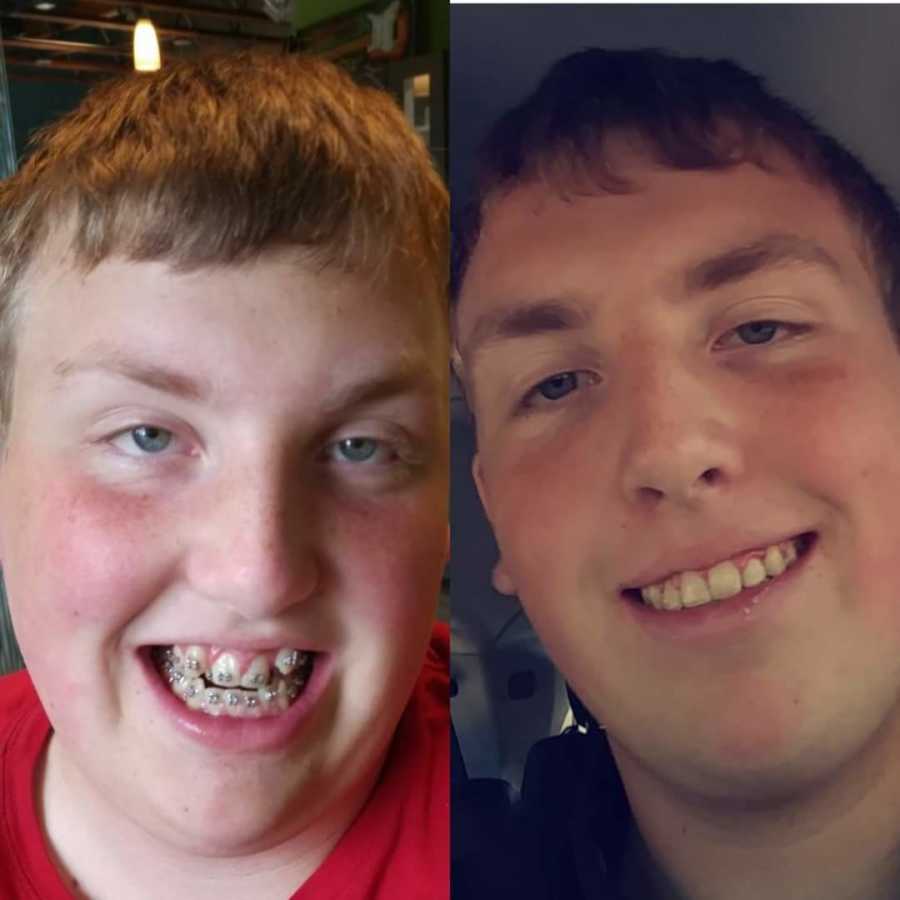
Elijah, who endured bullying when he was younger because of his weight, height and dental condition, later became healthier, more confident and successful in school. By his senior year at Newberg High School, he had received scholarship offers and was preparing for the possibility of becoming the first male in his family to attend college.
He also became deeply involved in helping others.
Elijah collected cans, cleaned stadiums and school facilities after sporting events, used his earnings to support families during holidays, and surprised teachers with school supplies for students who could not afford them. Blake said Izaiah also shared that desire to serve others.

For Blake, those moments represent something larger than personal success.
His family does not live without difficulties. He described living paycheck to paycheck and still dealing with financial consequences from decisions he made during his unstable younger years.
But the future others predicted for him did not become inevitable.
The child shuffled through dozens of placements became a father of three boys. The teenager sleeping beneath an interstate built a home defined less by an address than by consistency. The young man who once struggled with addiction eventually watched his own children search for ways to help strangers.

Blake does not pretend every choice he made was right.
His life, as he sees it, is proof that a painful beginning does not have to dictate the final direction.
And if protecting his sons from the childhood he endured was the choice that mattered most, it is one he would make again without hesitation.