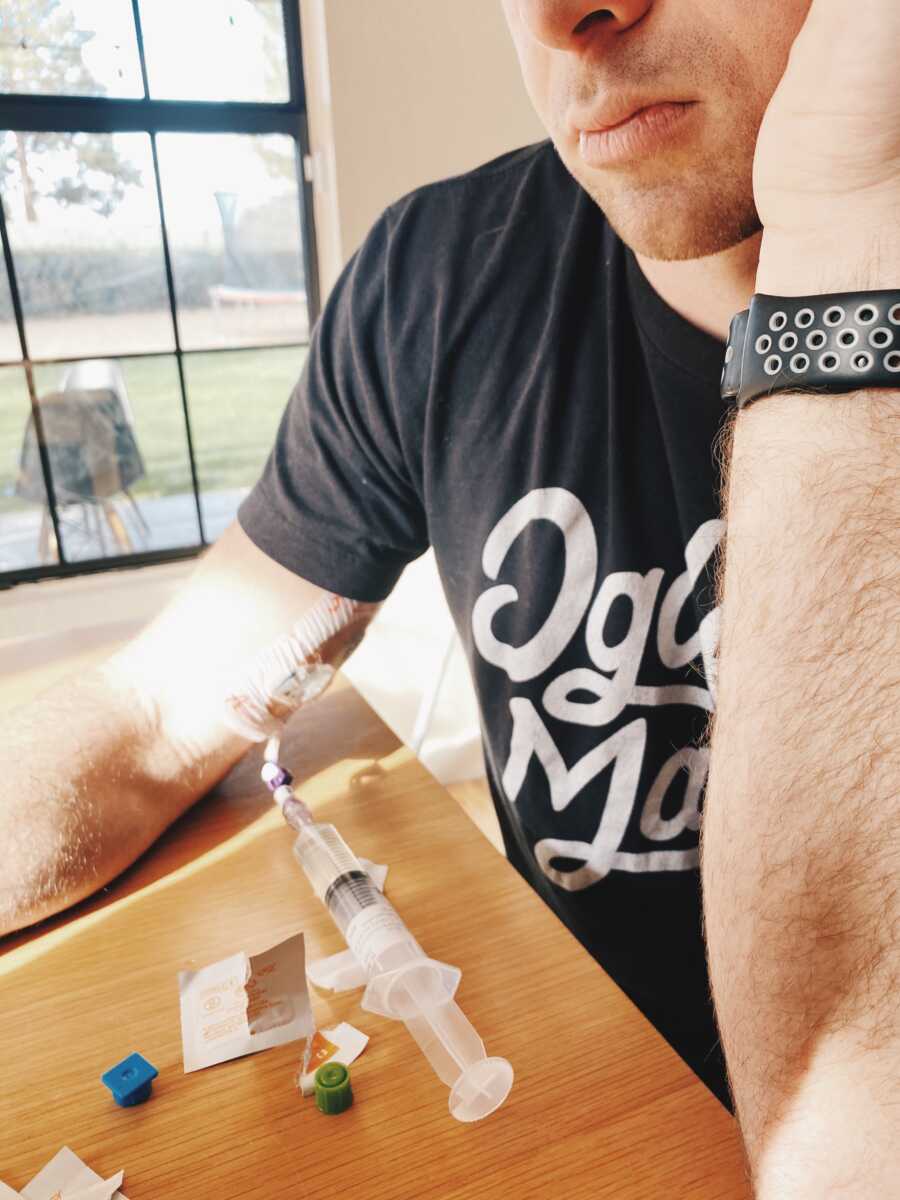
Doctor Sent Him Home With an Ear Infection — His Wife’s Instinct Led to a Life-Saving Second ER Visit
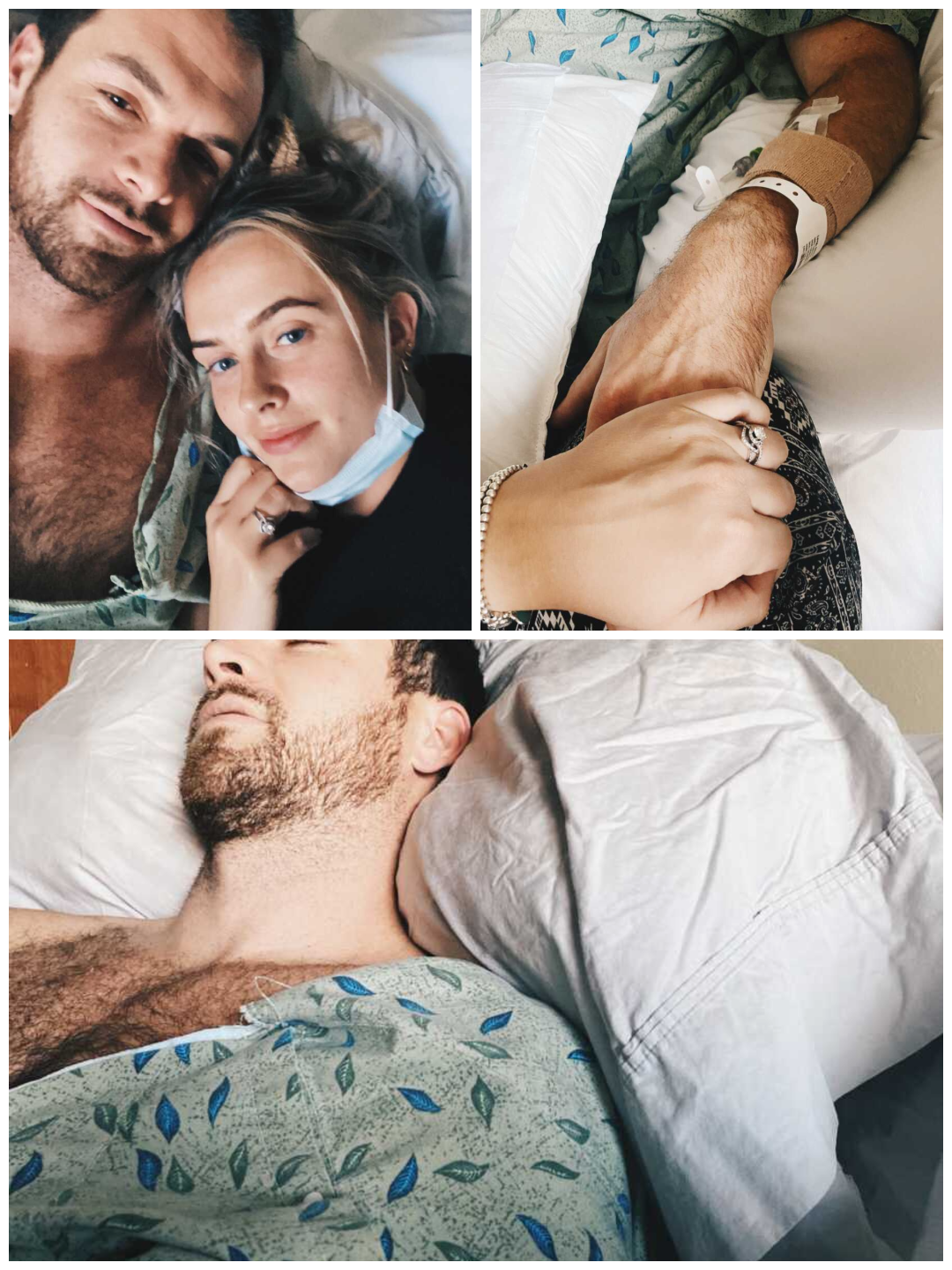
When Jason Lang came home from the emergency room in March 2021, his wife, Aleck, was supposed to feel reassured.
A doctor had examined him. The explanation was an ear infection. He had been discharged.
But Aleck could not shake the feeling that something was seriously wrong.
Within a remarkably short period, that instinct would lead the couple to another emergency room, a frightening diagnosis and a separation Aleck described as one of the hardest moments of her life. Doctors at the second hospital told her that her persistence may have made the difference between her husband surviving and arriving too late.
Jason did not have an ordinary ear infection.
He had bacterial meningitis.
An Earache Quickly Became Something More
The ordeal began when Jason complained of pain in his ear.
At first, there was little reason for Aleck to imagine how dangerous the situation would become. But over the following day, Jason’s condition deteriorated dramatically.
His symptoms became serious enough that the couple decided he needed emergency medical attention.
They went to an ER, where Jason was evaluated. According to Aleck’s account, they were told there was nothing more serious happening than an ear infection.
Jason was discharged.
For many people, that diagnosis might have ended the matter. A medical professional had examined him, and the couple had been given an explanation for what was happening.
But Jason still seemed deeply unwell.
Aleck could see that something did not fit.
Instead of accepting that the problem had been fully explained, she listened to the alarm she was feeling inside and continued pushing for medical attention.
The couple went to another emergency room.
That decision changed everything.
The Second Hospital Found Bacterial Meningitis
At the second ER, doctors discovered that Jason was suffering from bacterial meningitis.
Suddenly, the illness that had appeared to be a painful but relatively ordinary ear problem became a medical emergency.
For Aleck, the relief of finally having an explanation was immediately replaced by fear.
Hospital staff instructed her to leave Jason because of concerns about how contagious his condition could be. She had brought her husband in knowing something was terribly wrong, but now she had to walk away while he remained in the hospital fighting an illness that could have killed him.
Doctors also gave her a chilling assessment of just how important the timing had been.
Aleck recalled being told that she had done the right thing by refusing to stop searching for answers. Had they waited longer, she said doctors told her Jason might not have survived.
The realization was overwhelming.
She had followed a feeling she could not ignore. Now she was being told that doing so may have saved her husband’s life.
Yet at that moment, there was no guarantee about what came next.
Leaving Jason behind in the emergency room was agonizing for Aleck. She wanted to stay beside him, comfort him and simply be physically close to him.
Instead, she had to go home without knowing what the outcome would be.
A Family Suddenly Needed Help
Jason and Aleck were not facing the crisis alone as a couple.
They also had three young children.
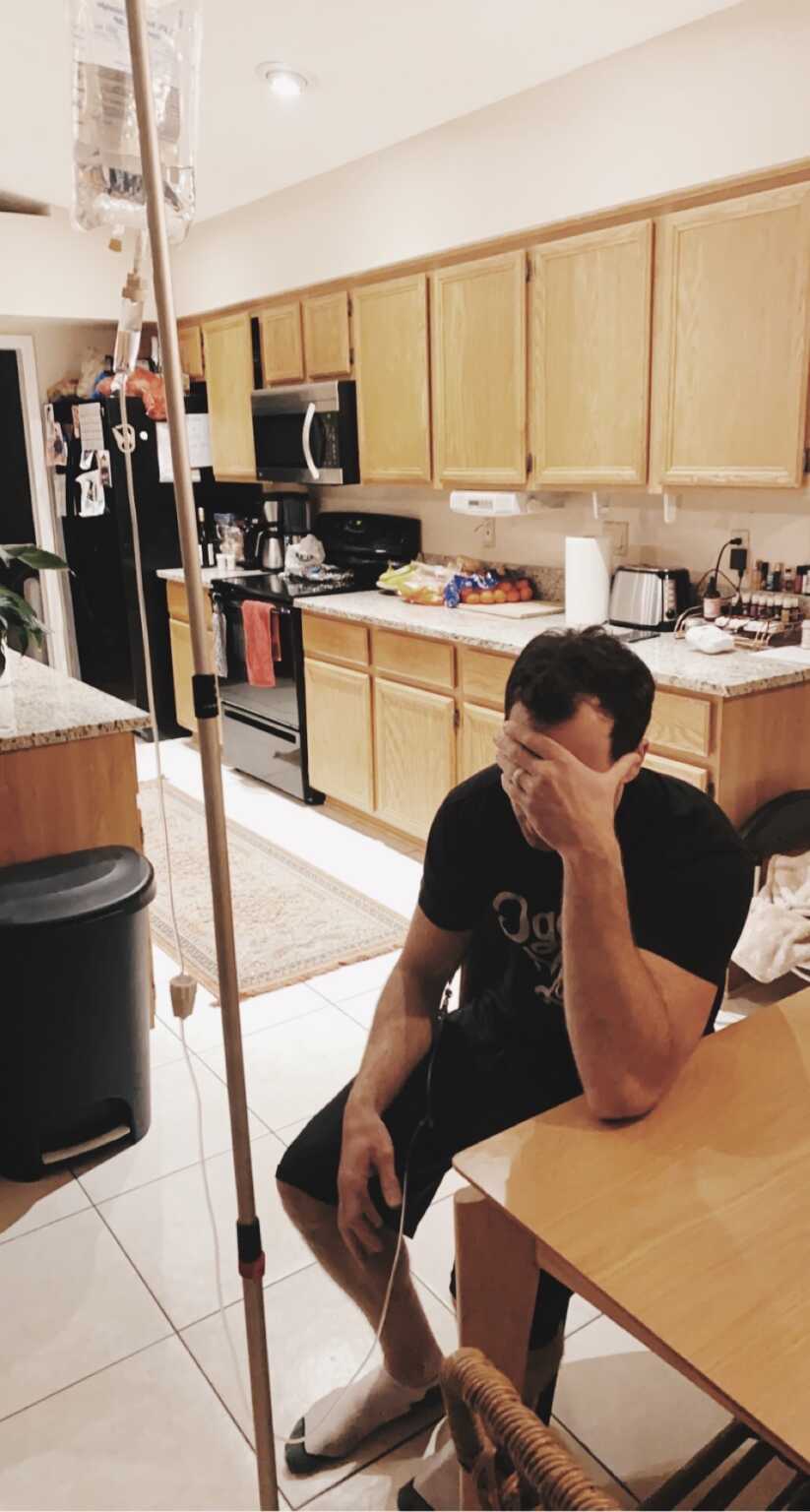
As Jason received treatment and later began the long process of recovering, everyday family responsibilities did not disappear. Meals still had to be prepared. Children still needed care. A household still had to function while Aleck was coping with the possibility that she could lose her husband.
That was when relatives and friends began stepping in.
Aleck’s father-in-law flew in and stayed for two weeks. He helped take care of the children, prepared meals and later assisted with Jason’s care after he returned home.
Aleck remembered his help with deep gratitude.
Others supported the family from farther away. Friends and relatives sent money. Some arranged for people to clean the couple’s house.
What struck Aleck was that people did not wait for her to identify every need or explain exactly how they could help.
They simply showed up.
For someone accustomed to handling life independently, accepting that support was not necessarily easy. But the experience changed Aleck’s understanding of what community can mean during a crisis.
When life becomes overwhelming, she learned, sometimes survival involves allowing other people to carry part of the weight.
Surviving Was Only the Beginning
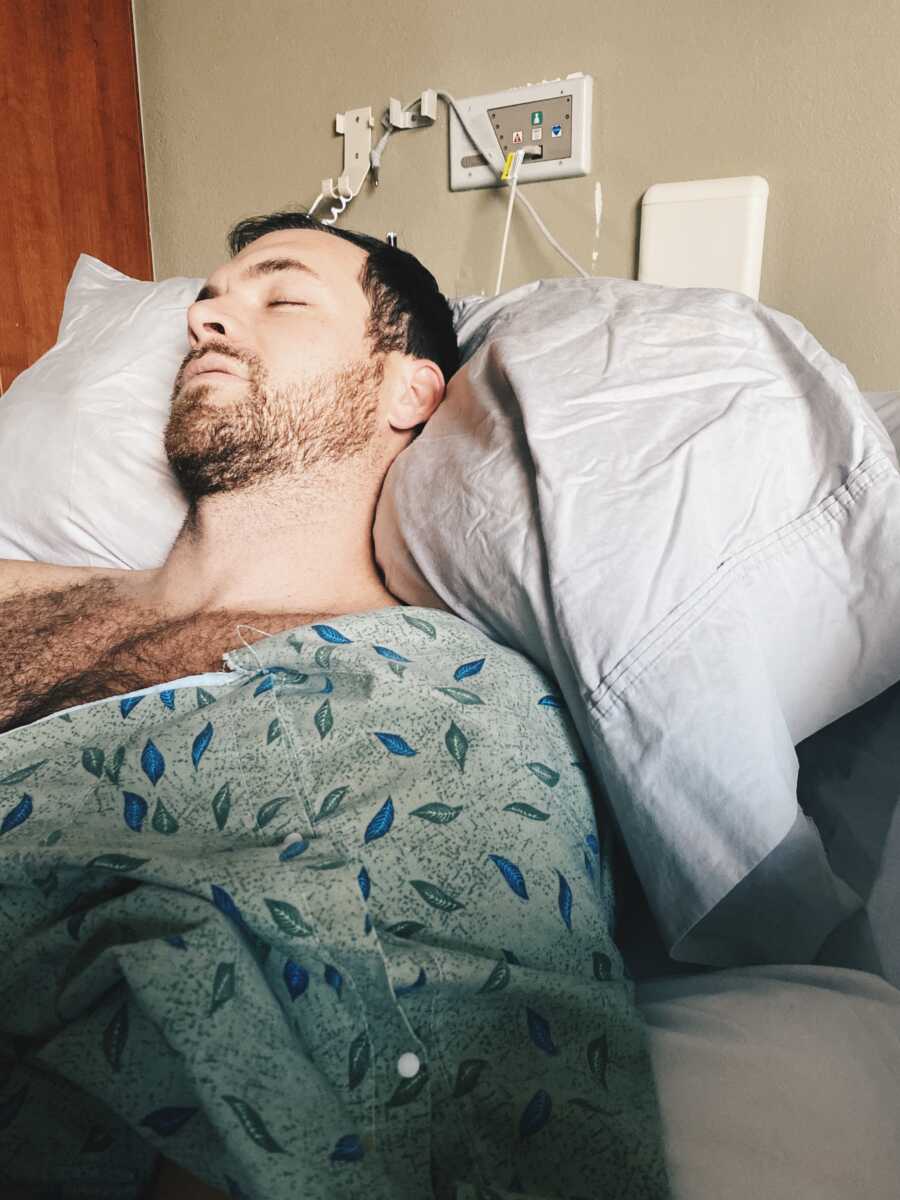
Jason eventually left the hospital, but discharge did not mean everything instantly returned to normal.
The illness had taken a serious physical toll.
During his recovery, Jason experienced intense dizziness and hearing loss. Over time, much of his health returned, and Aleck said he eventually came close to a complete recovery.
One lasting consequence remained, however.
Jason continued to have significant hearing damage in one ear.
For the couple, recovering emotionally was also a process.
Their experience had begun with something as seemingly familiar as an earache and had escalated into a potentially fatal emergency. Within a matter of days, the ordinary assumptions that make daily life feel predictable had disappeared.
They had been forced to confront how quickly a normal day could become a fight for someone’s life.

The Lesson Aleck Refuses to Forget
Afterward, Aleck became passionate about one message: people should advocate for themselves and the people they love when they believe something is seriously wrong.
Her experience taught her that receiving one medical opinion did not mean she had to ignore what she was seeing in front of her.
If someone feels unheard, she believes they should continue speaking.
If something still seems wrong, they should continue asking questions and seeking help.
For Aleck, the lesson was intensely personal. Her persistence was not about challenging someone simply for the sake of doing so. It came from watching the person she loved deteriorate and recognizing that the explanation they had received did not match what she was witnessing.
She trusted that instinct.
The second trip to the emergency room revealed just how important that decision had been.
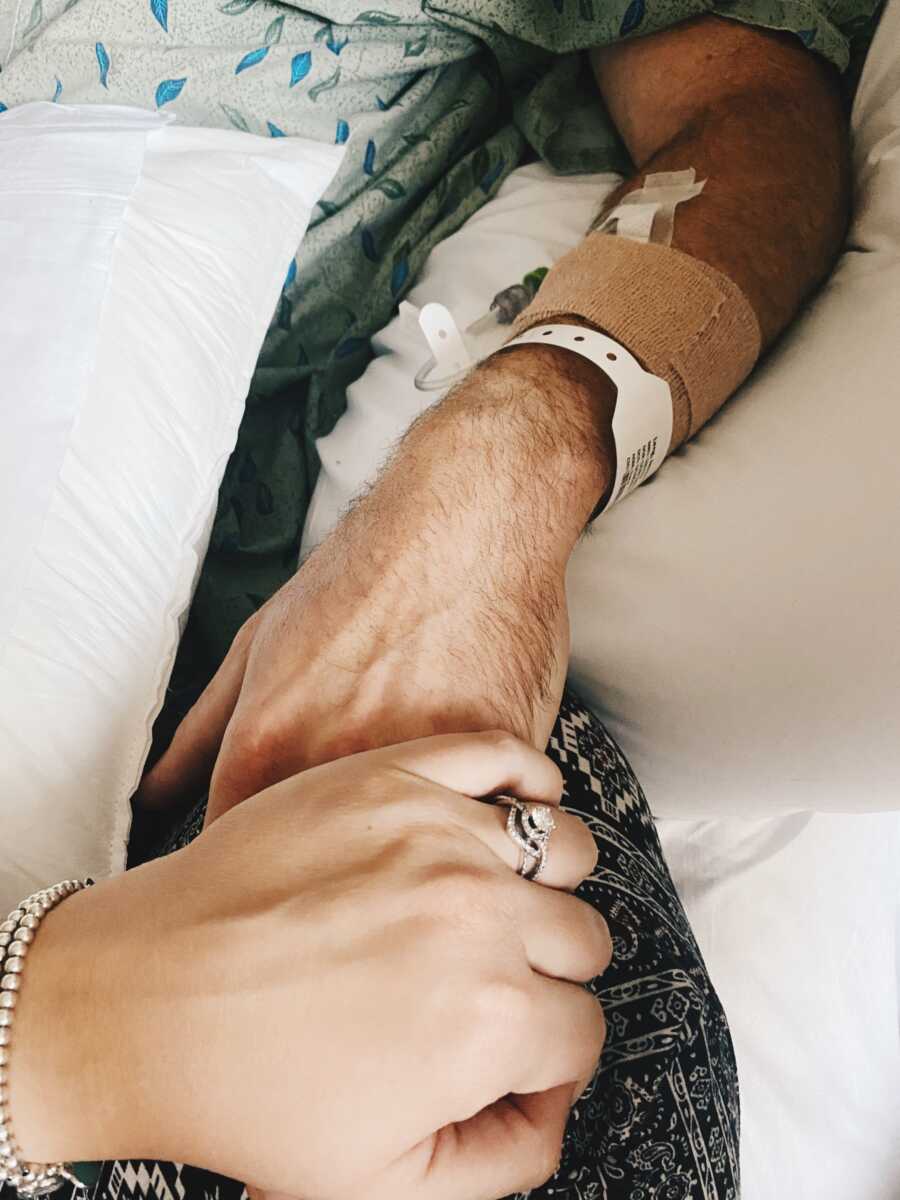
Life After the Hospital Feels Different
Jason’s illness left the couple with more than hospital memories and lasting hearing damage.
It changed the way they looked at ordinary life.
Before the crisis, like many people, they could move through daily routines without constantly thinking about how suddenly everything might change.
Afterward, that sense of permanence was harder to maintain.
Aleck said the experience made them understand the fragility of life in a new way.
Instead of treating tomorrow as guaranteed, they became more intentional about the affection they showed one another.
They kissed more.
They held each other more tightly.
They tried to love more openly while they had the chance.
The medical emergency that nearly took Jason away from his family became a lasting reminder that some of life’s most important moments are also its simplest: being home, raising children, sharing meals and having the person you love beside you.
For Aleck, there was another lesson she hoped others would remember.
When the person you love appears seriously ill and something inside you insists the situation is not right, being persistent can matter.
Jason walked into one emergency room and left with an ear infection diagnosis.
His wife could have accepted that answer and waited.
Instead, she listened to what she was seeing, trusted what she was feeling and took him somewhere else.
That second trip gave doctors the chance to discover the bacterial meningitis threatening his life.
And for Jason, Aleck and their three children, it meant he eventually came home.