Mom Let Her Toddler Taste Peanut Butter for the First Time — Minutes Later, She Barely Recognized His Face
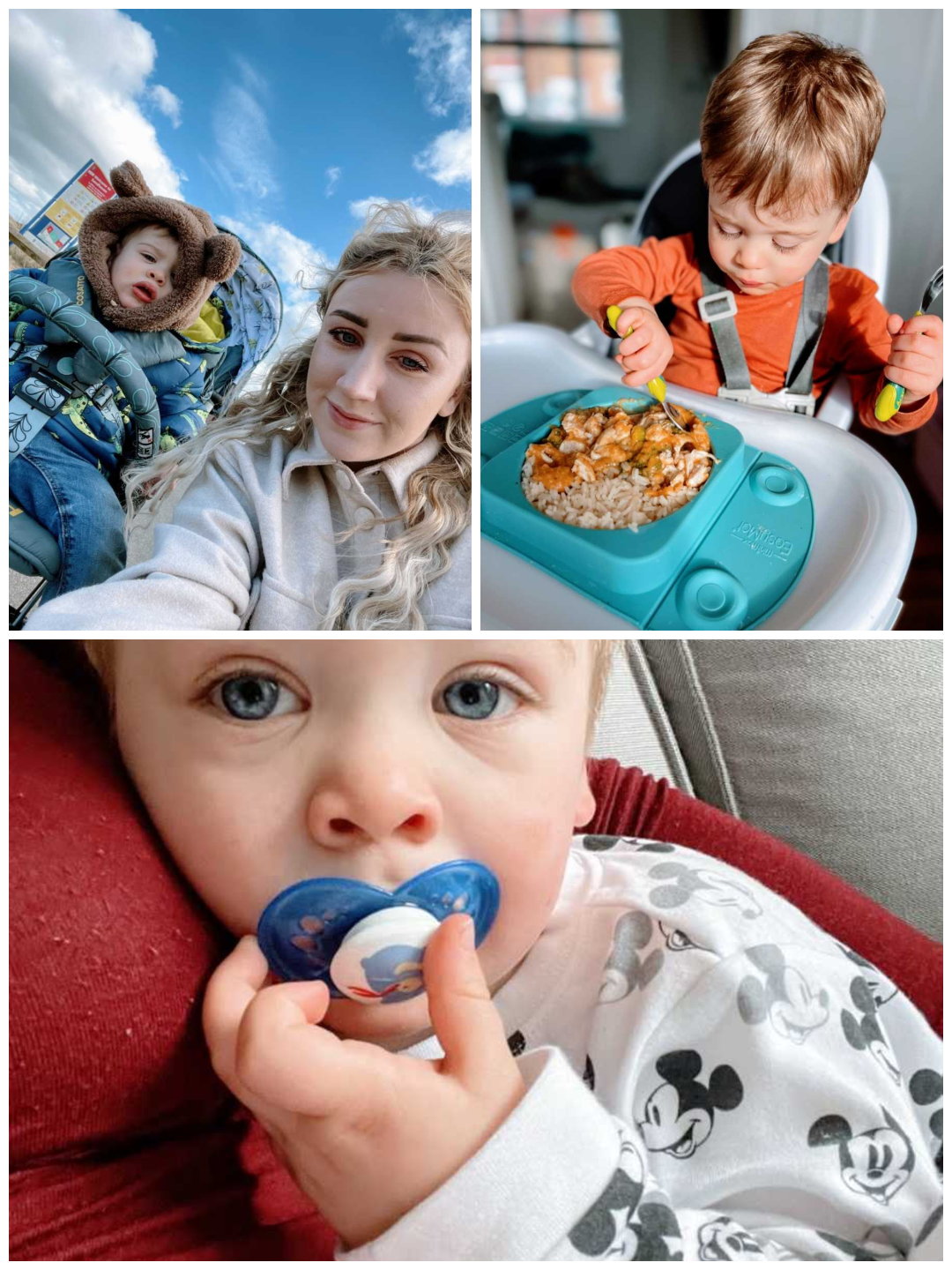
Philippa Stead had spent months avoiding the moment.
Her son Jake had begun eating solid foods at around 6 months old, but she deliberately stayed away from anything containing nuts. Food allergies were already painfully familiar in her family: Philippa’s older sister had experienced several severe anaphylactic reactions while they were growing up.
So when Philippa finally stood in a supermarket choosing peanut butter for Jake, she could not shake an uneasy feeling.
She spent about 25 minutes taking jars from the shelf and putting them back.
Eventually, on a quiet Sunday in the middle of January, she decided it was time.
Philippa dipped the end of a breadstick into a little peanut butter and let Jake lick it.
Within minutes, everything changed.
They Were Sitting Together Watching for a Reaction
Philippa and Jake’s father, Kalvin, had deliberately chosen to introduce the food while they were both present.
The three sat together in the living room so the parents could watch Jake closely.
At first, the changes were concerning but not yet terrifying.
Jake’s voice became hoarse. His breathing sounded heavier. His face turned blotchy and began swelling.
Philippa and Kalvin decided they needed medical help, but at that point they did not believe the situation required an ambulance. They put Jake in the car and started driving toward the hospital.
Only two minutes into the trip, Philippa realized how quickly the emergency was escalating.
Jake began vomiting violently.
His tongue protruded from his mouth, and the swelling spread across his lips and face.
Philippa later remembered looking at her son and feeling that he barely resembled the little boy she knew.
The hospital was less than 10 minutes away.
The drive felt endless.
‘I’m Worried He’s Getting Worse’
Because the incident happened during COVID-19 restrictions, Philippa knew that only one parent would likely be allowed inside the hospital with Jake.
Kalvin pulled up outside the children’s emergency department, and Philippa ran in carrying their son.
Another parent was already speaking to the receptionist.
Philippa tried to explain that Jake was deteriorating but was initially told to wait her turn.
Every second felt unbearable.
When she reached the desk, she quickly gave Jake’s name and date of birth and explained that he was reacting to peanuts.
The atmosphere changed immediately.
Staff rushed them through for treatment.
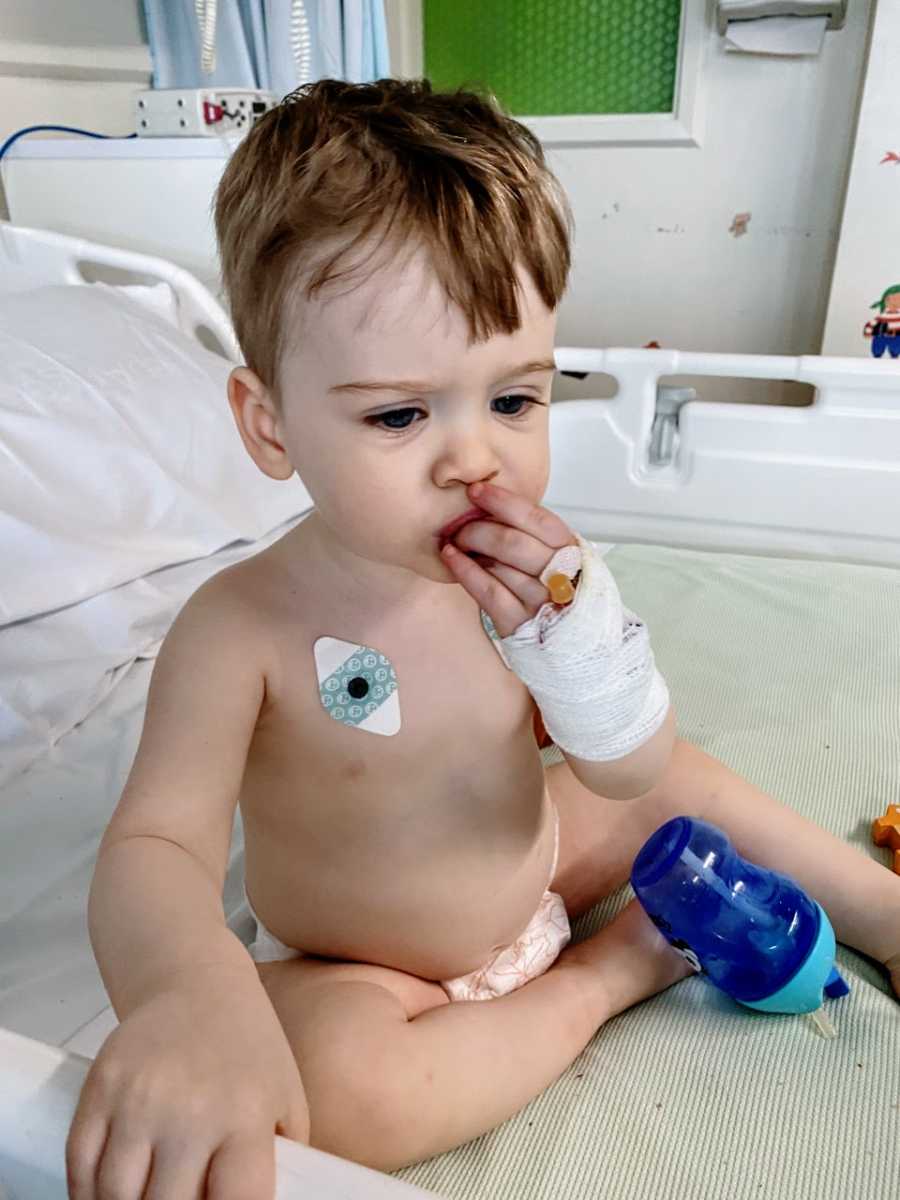
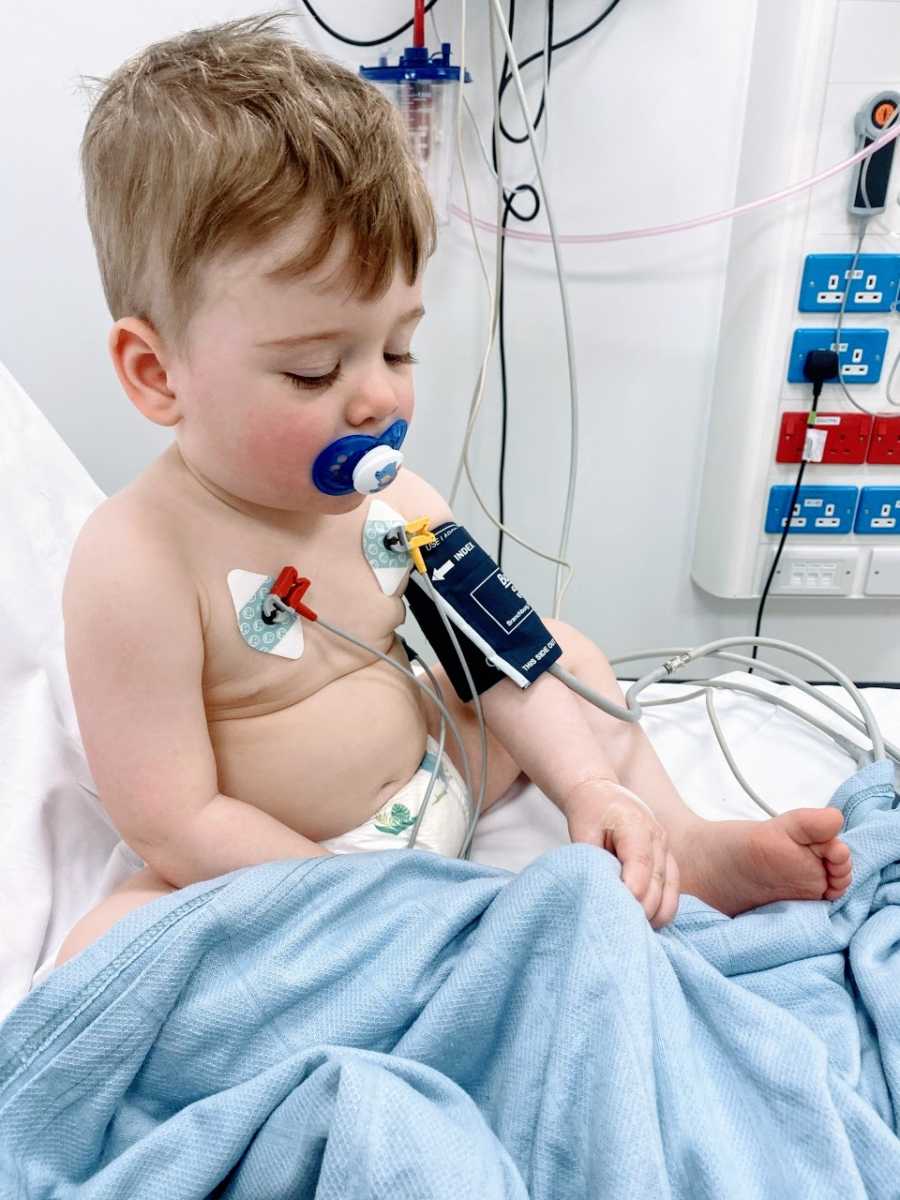
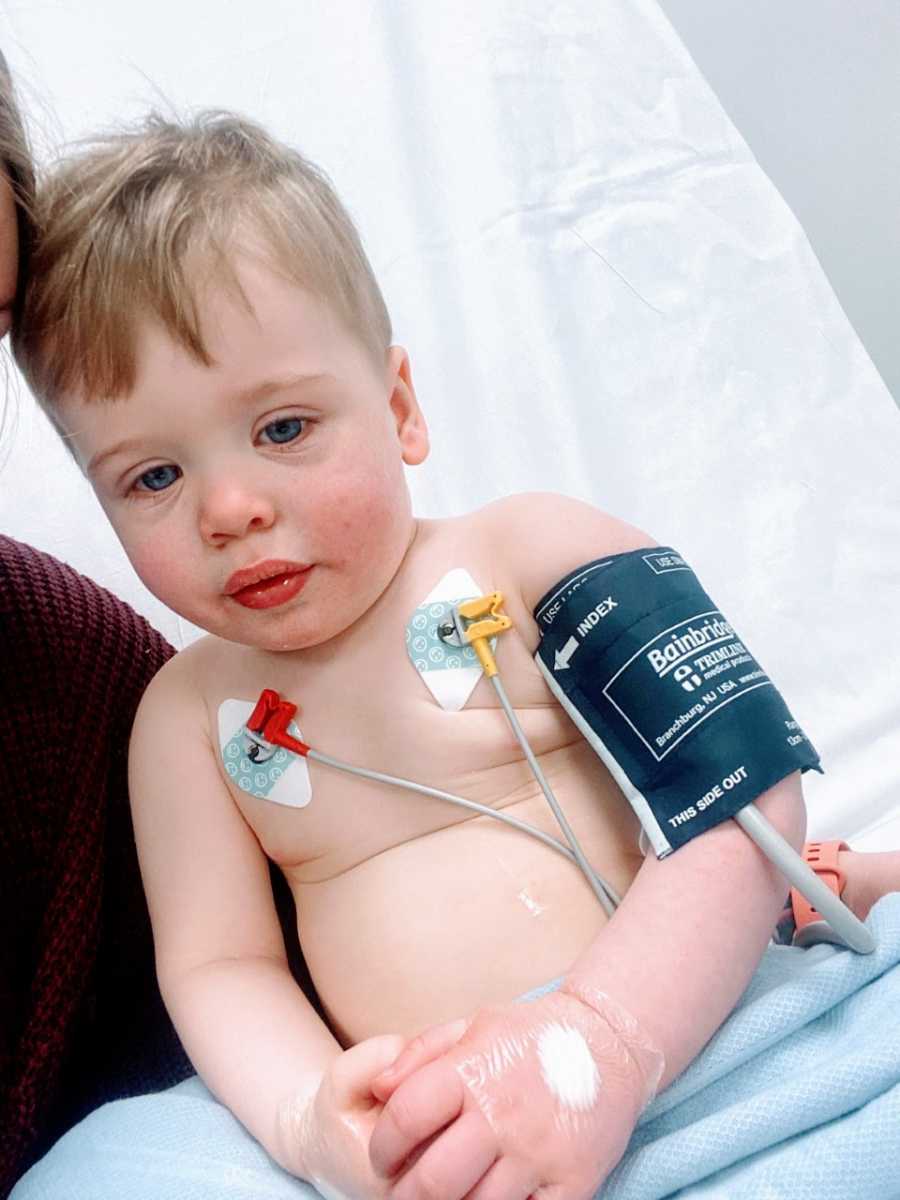
Philippa sat with Jake on her lap as medical personnel began attaching monitoring equipment to his small body.
Then Jake vomited again.
He went limp.
The quiet family experiment that had begun with a tiny taste of peanut butter had become a full medical emergency.
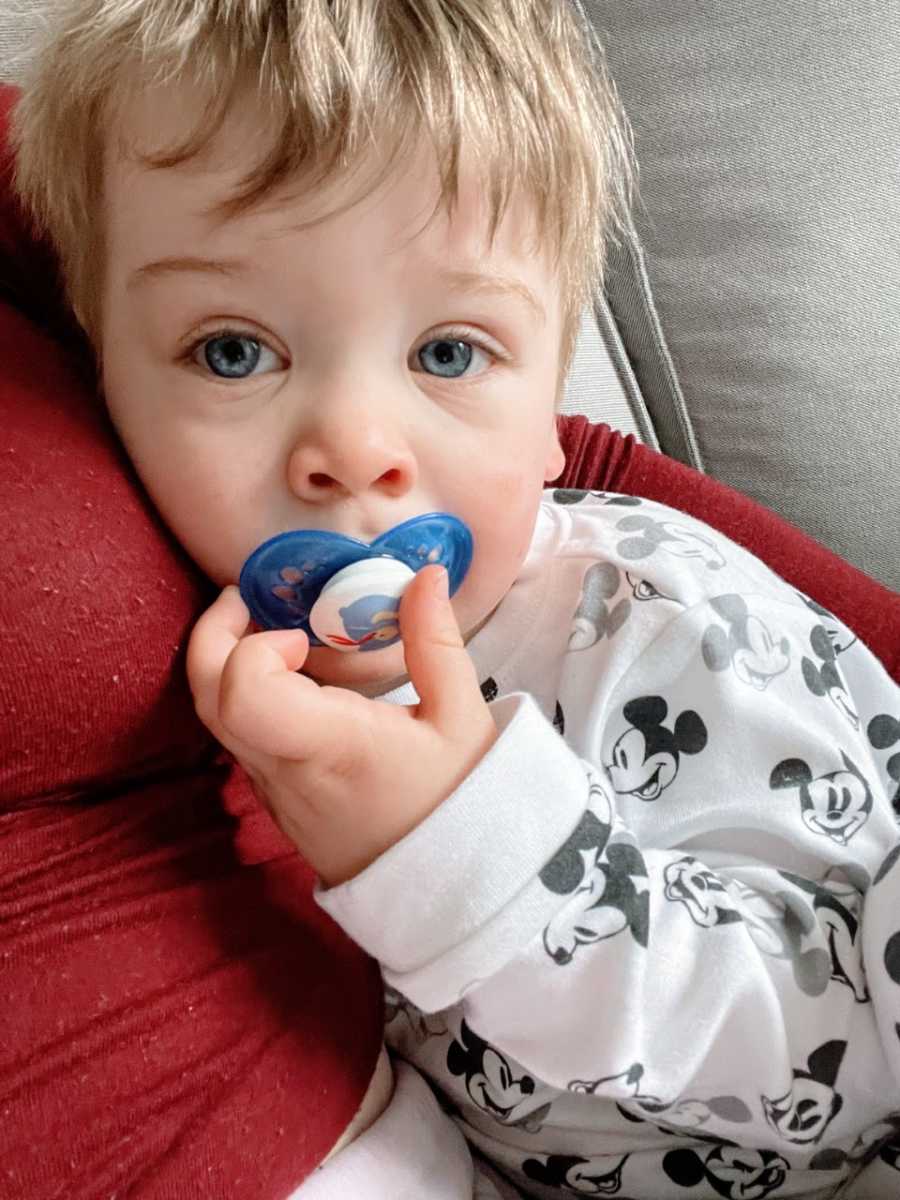
One Word Terrified His Mother
Doctors and nurses administered adrenaline into Jake’s leg while Philippa watched.
She repeatedly asked whether her son was getting worse.
The answer she received was the one she feared most.
Yes.
Philippa watched the numbers on his monitors change rapidly while Jake continued struggling.
There was almost nothing she could do except hold him and allow the medical team to work.
Then, gradually, his condition began to settle.
His breathing improved.
The room became calmer.
Jake clung to his mother, frightened but stable enough that the immediate crisis appeared to be passing.
Philippa sent Kalvin a brief message telling him their son was okay.
After emergency treatment, staff applied numbing cream to Jake’s hands. Roughly 45 minutes later, they inserted a cannula and collected blood samples.
For the first time since the reaction began, Philippa and Jake were largely alone.
Both were covered from the chaotic journey and repeated vomiting. Philippa cleaned them as well as she could before Jake eventually curled against her and fell asleep.
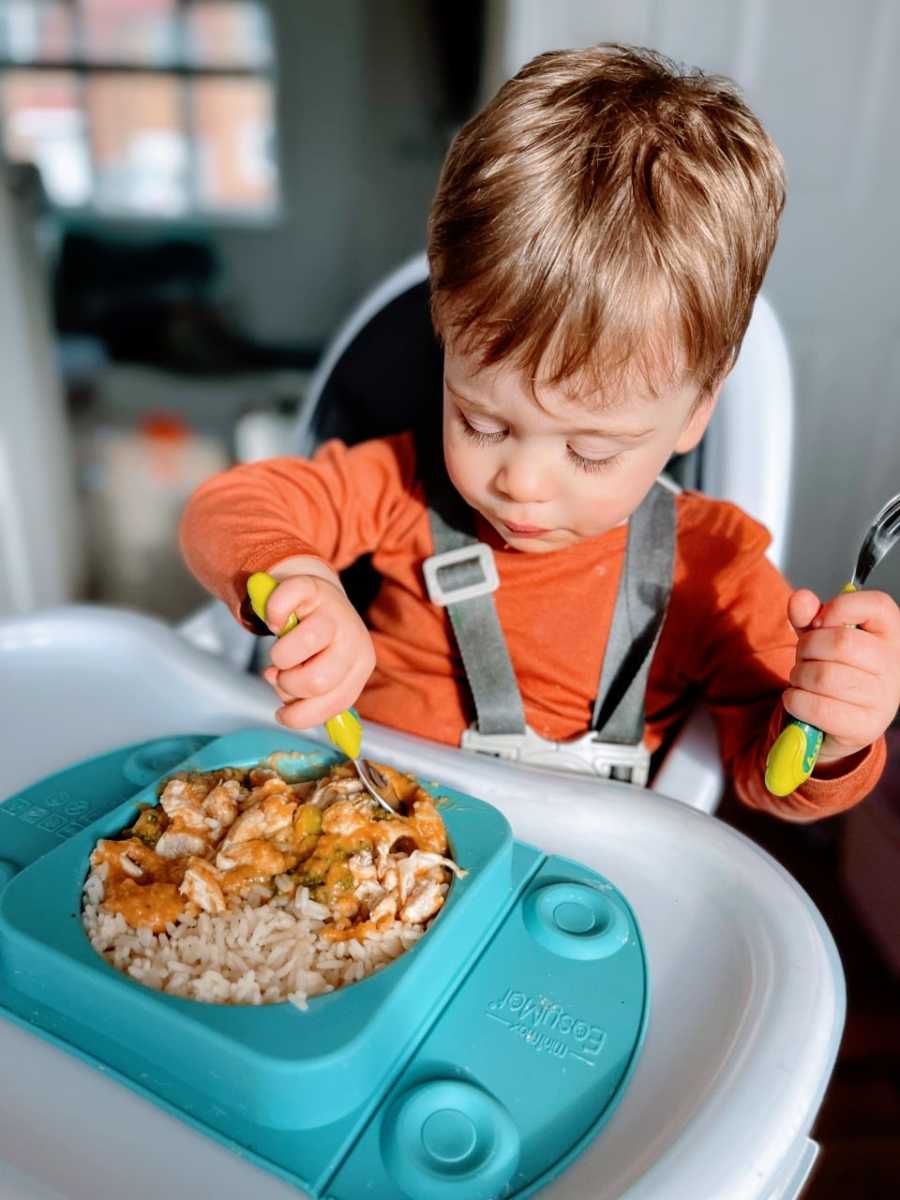
Jake Had to Stay Overnight
The family was not allowed to simply take him home once he appeared better.
Medical staff explained that another reaction could potentially occur later, so Jake was admitted to the children’s ward for observation.
Philippa carried her sleeping son upstairs.
They remained in the hospital until the following evening.
Before discharge, Philippa was trained to use an EpiPen. She was also told that Jake’s blood results indicated a very severe reaction and that doctors believed he was unlikely to outgrow the allergy.
From that point forward, Jake would need to have two EpiPens available wherever he went.
The family was also referred to an allergy clinic for additional testing and guidance.
A single lick of peanut butter had permanently changed the way his parents would have to think about food.
Ordinary Meals Suddenly Required Planning
Jake was still a toddler and too young to understand what had happened.
For his parents, however, the implications became immediate.
Food packaging needed to be checked.
Medication needed to travel with him.
Restaurants could no longer be treated casually.
As Jake grows older, Philippa plans to teach him about his allergy without allowing it to become the defining feature of his childhood.
One way she hopes to accomplish that is through cooking.
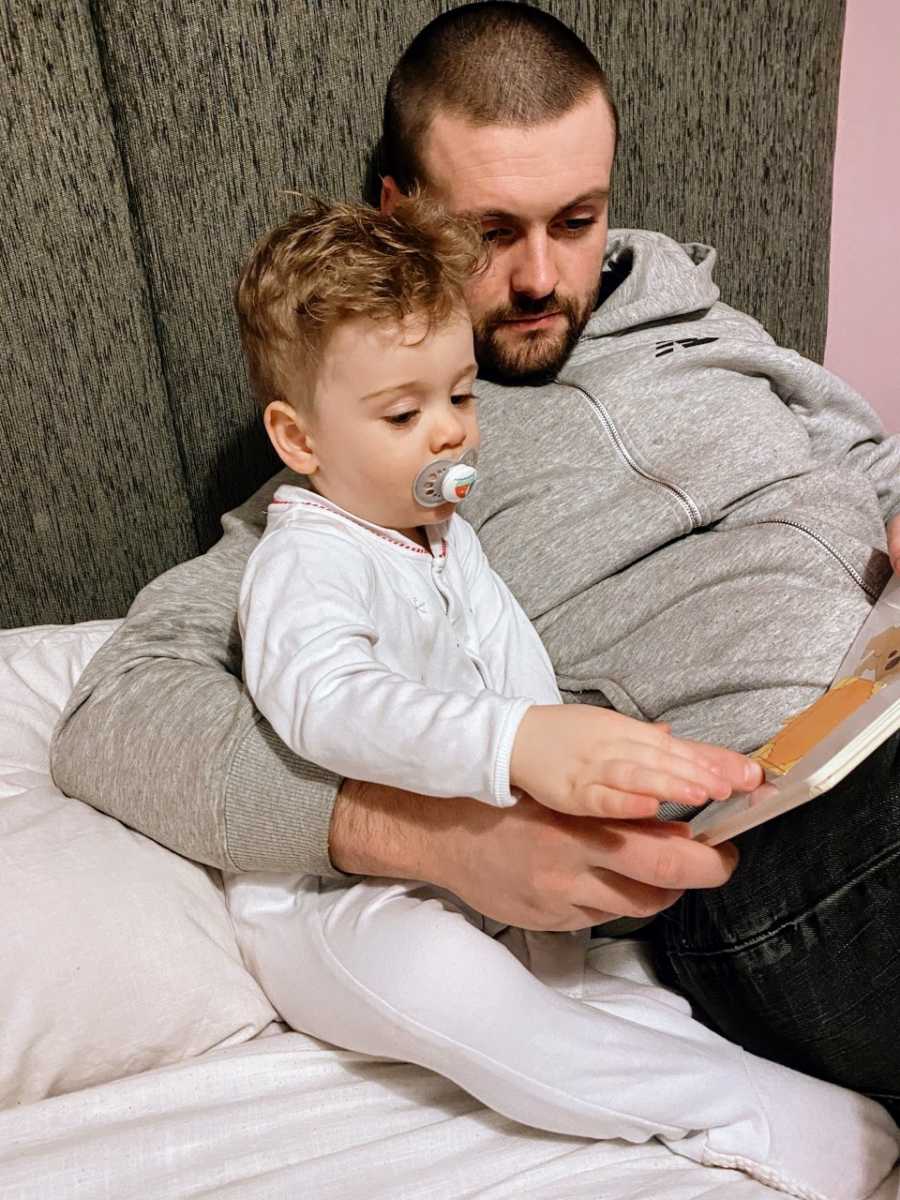
The family already prepares much of its food from scratch, and Philippa wants Jake to learn how to make meals himself. That skill, she believes, can help him continue enjoying foods that may not always be safe to order in restaurants.
Curry, for example, does not have to disappear from his life simply because some versions may contain nuts.
His family makes a nut-free version at home.
It has become one of Jake’s favorite meals.

The Future Now Contains Questions Other Parents May Never Consider
Once Jake survived the immediate emergency, Philippa’s fears shifted toward the years ahead.
What happens when he starts school?
Will teachers and other parents understand how seriously his allergy needs to be treated?
What happens during vacations when the family cannot be completely certain how restaurant food was prepared?
Will Jake become anxious about eating?
Will he feel different when other children can casually accept food that he has to question first?
Even a birthday party presents possibilities Philippa now considers differently. A simple slice of cake could be something Jake has to refuse if its ingredients or preparation are uncertain.
And beneath all those everyday concerns is the largest fear of all.
Philippa does not want to see her son experience another severe reaction.
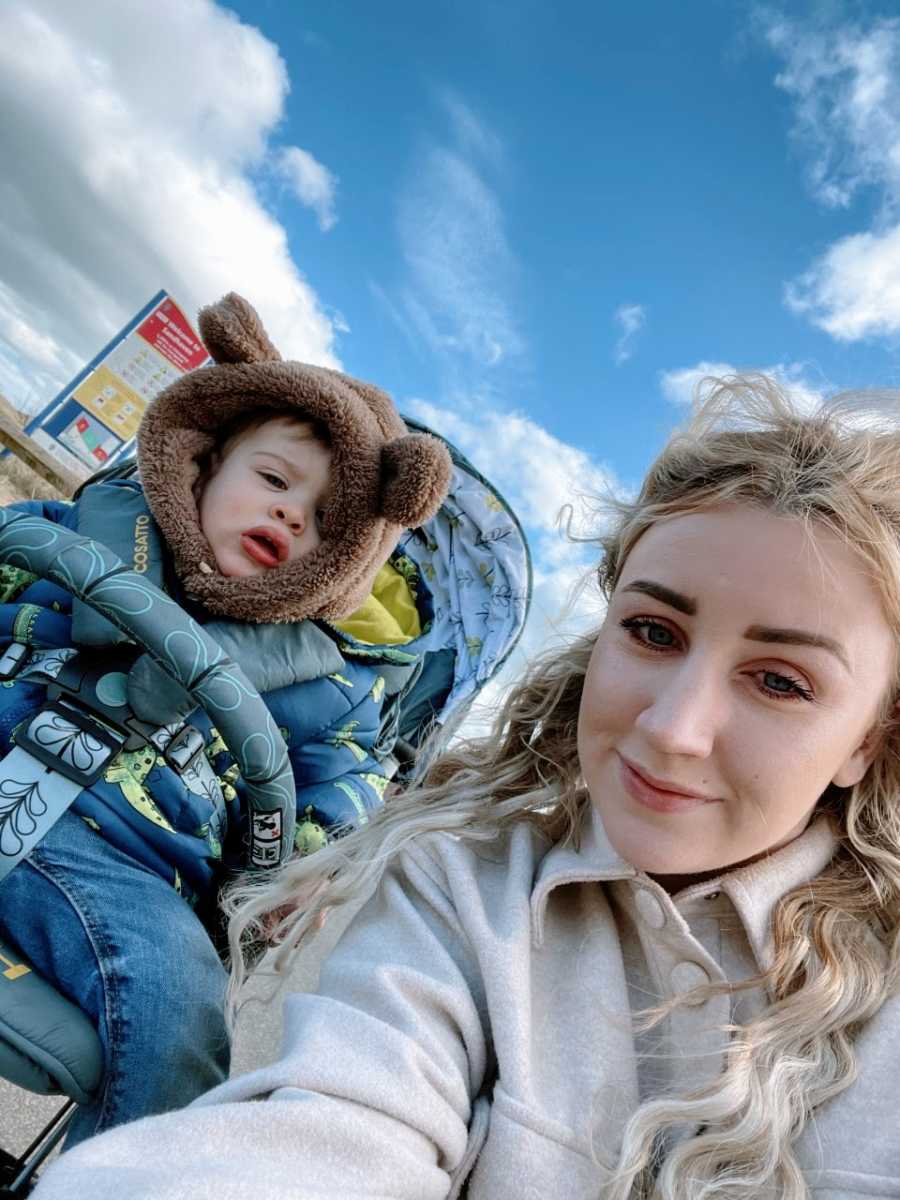
What Once Felt Overwhelming Became Their New Routine
Philippa began sharing Jake’s experience because she felt many people underestimated the seriousness of food allergies.
Her sister’s history had already taught her how disruptive and frightening anaphylaxis could be. Watching her own toddler deteriorate within minutes made that understanding deeply personal.
Her advice to other parents centered on preparation.
Learn about the allergy. Make sure relatives and other caregivers understand it. Teach children, as they become old enough, to ask whether food is safe. Find support from families facing the same challenges.
At first, Philippa said, the amount of information can feel overwhelming.
Eventually, routines develop.
Parents learn to read every package almost automatically. Emergency medication becomes another item that never leaves the house without the child. Meals that once seemed complicated can be recreated safely at home.
The anxiety does not disappear.
But daily life begins to feel normal again.
Philippa had delayed giving Jake peanuts because a part of her had always feared this possibility.
When she finally allowed him that tiny taste, the reaction she dreaded unfolded almost immediately.
What followed was a terrifying car ride, emergency treatment and the realization that her son’s relationship with food would require lifelong vigilance.
Yet Jake survived.
And his family moved from fear toward something more practical: learning, adapting and making sure he grows up understanding that an allergy may change how he eats, but it does not have to stop him from enjoying food—or childhood itself.